


1920s Mirror
A 1920s mirror brings the bold geometry of Art Deco or the intricate carved detail of revival styles into a room.
1920s Mirror
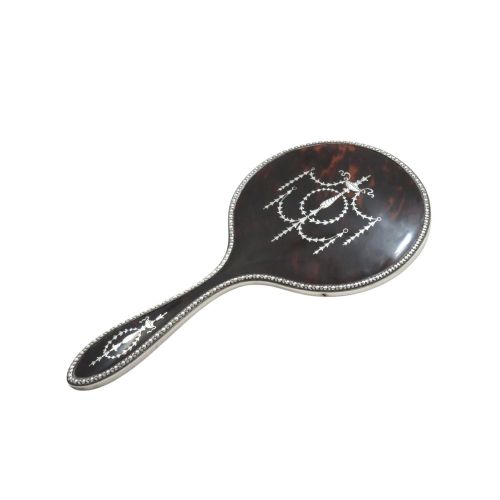
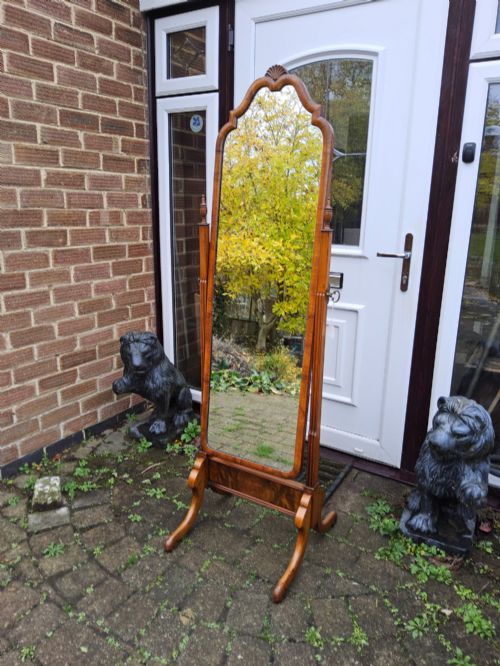
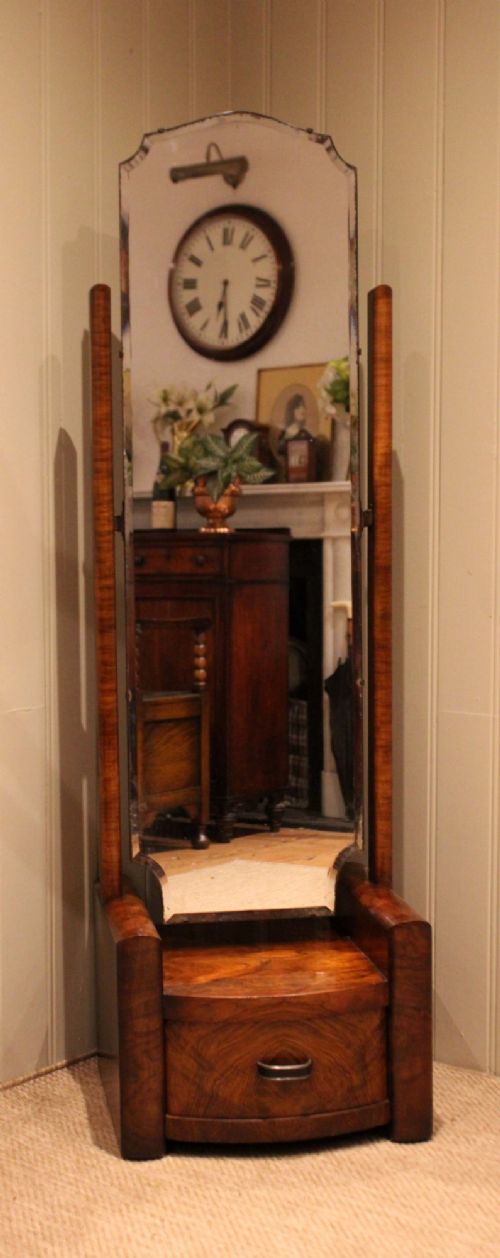
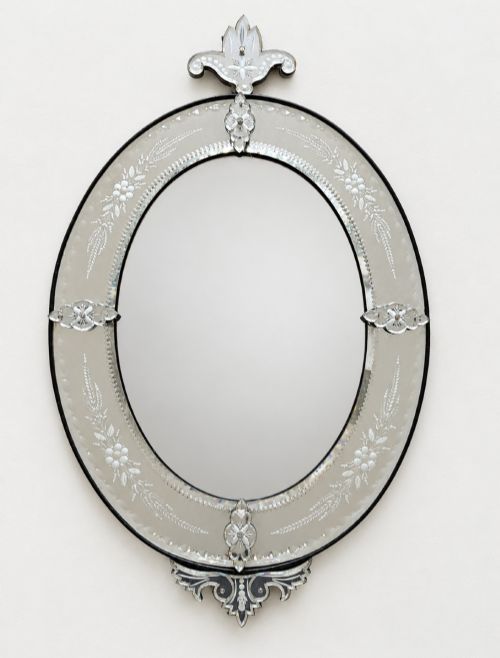
A 1920s mirror encompasses wall-mounted glass, overmantel centrepieces, and dressing table furniture originating from the 1920 and 1930 periods.
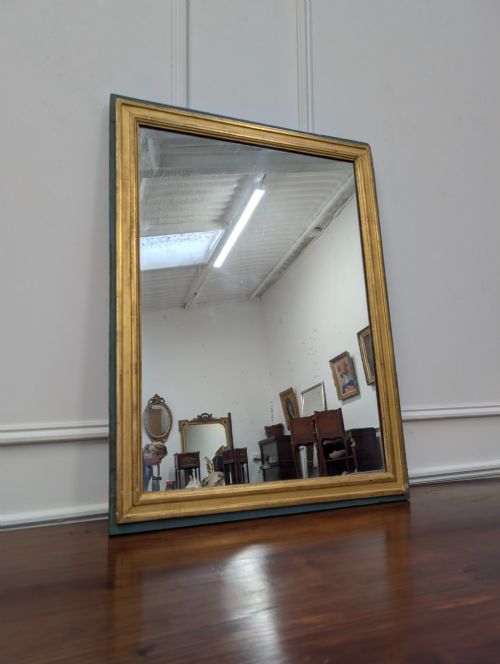
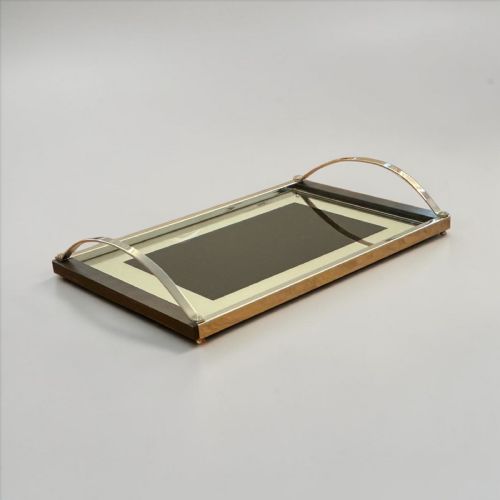
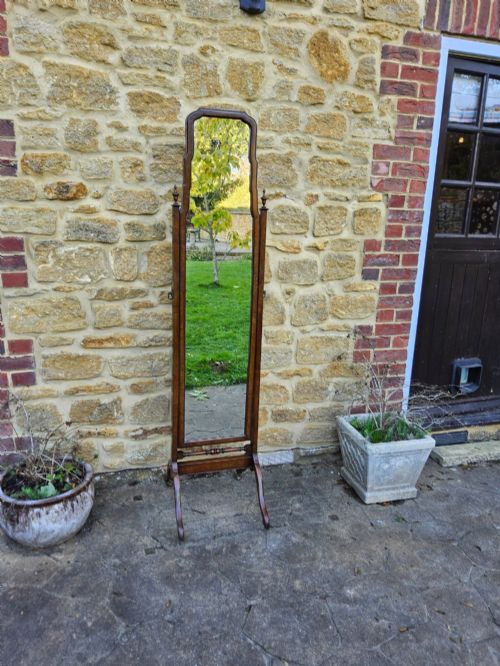
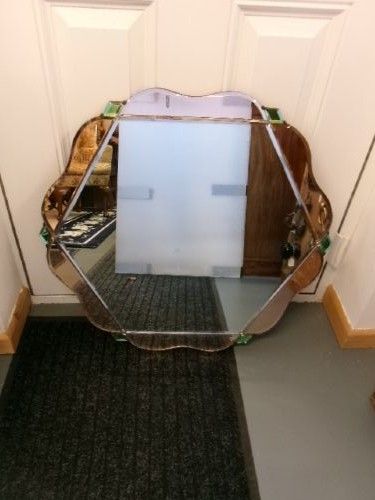
Buyers searching this phrase encounter frameless multi-tone designs, giltwood Florentine frames, and geometric wall pieces alongside larger cheval and overmantel formats.
The selection ranges from restrained oak and walnut frames to ornamental gilded creations influenced by various revival styles and the prevailing Art Deco aesthetic.
How they were made
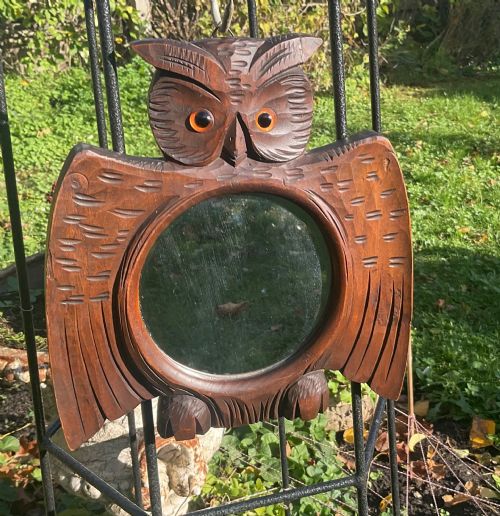
Frames rely on traditional timber construction using oak, walnut, and mahogany, often enhanced with carved gesso, giltwood, or ebonised finishes.
Glass plates are cut into rectangular, convex, diamond, or serpentine shapes, occasionally paired with emerald green glass panels or mercury silvering techniques.
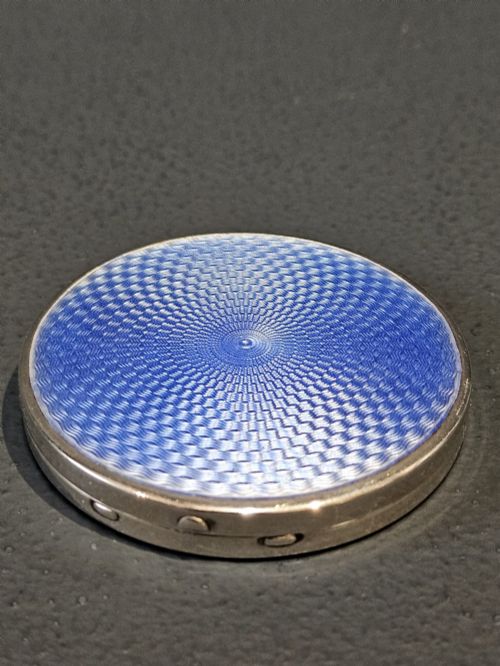
Metal components incorporate brass, iron, and silver-gilt settings, supporting decorative elements like guilloche enamel and inlaid marquetry.
1920s Mirror Retail Price Guide 2026
Typical asking prices for 1920s mirror among the pieces listed under this phrase on Sellingantiques today, from the lower quarter to the upper quarter. They describe what is for sale here now, not the wider market.
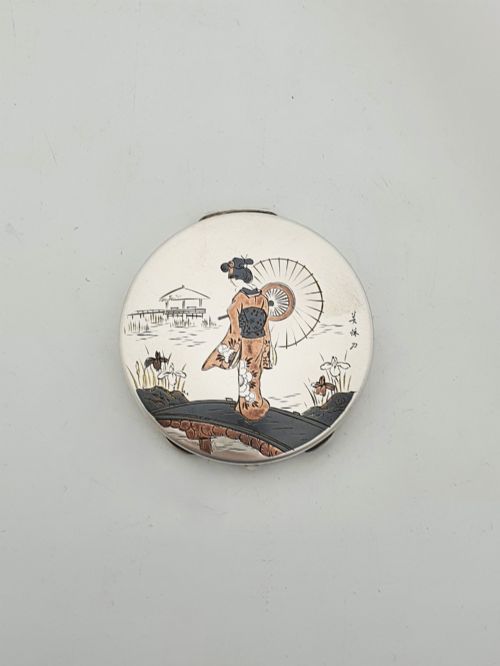
Some compacts and vanity cases from this decade doubled as secret sovereign holders for card players.
What varies in quality
The standard of a piece rests on the depth of hand-carving in the frame and the precision of the mitres and joins in wood or giltwood.
Superior examples display crisp bevelling on the glass and imaginative use of multi-tone panels, marquetry, or enamel work rather than plain assembly.
Heals·Henry Matthews·Jean Faure·A.J Rowley
The 1920s Mirror Glossary
- Art Deco
- A design style characterised by sleek geometric shapes, stylised motifs, and streamlined forms that emerged during the interwar period.
- Overmantel mirror
- A large wall mirror specifically proportioned to hang on the wall directly above a fireplace mantelpiece.
- Giltwood
- Timber that has been coated with a thin layer of gold leaf or gold paint to provide a decorative metallic surface finish.
- Convex mirror
- A spherical curved mirror that reflects a wide, rounded field of view across the room.
- Guilloche enamel
- A decorative technique where translucent enamel is layered over precisely engraved engine-turned metalwork.
1920s Mirror: Frequently Asked Questions
Where should I hang a 1920s overmantel mirror?
An overmantel mirror is traditionally positioned centrally above a fireplace to reflect light and anchor the main wall of a principal room.
Ensure the fixings match the weight of the timber and glass frame before mounting securely into structural brickwork or studs.
How do I identify an Art Deco mirror?
Art Deco mirrors often feature geometric shapes like diamonds, rectangles with stepped corners, or multi-tone glass panels.
Look for clean lines and structured framing that depart heavily from earlier floral or heavy Victorian ornamentation.
Are convex mirrors practical for daily use?
Convex mirrors distort reflections into a wide-angle fish-eye view rather than providing a flat, accurate image.
They serve primarily as decorative accent pieces to brighten dark corners and add optical depth to smaller spaces.
How do I care for antique glass and gilt frames?
Dust giltwood frames gently with a soft dry brush to protect the delicate gold leaf finish from flaking.
Clean the glass plate using a mild cleaner applied to a cloth rather than sprayed directly, preventing moisture from seeping behind the edges.