




1920s Glazed Bookcase
A 1920s glazed bookcase brings period character to a room while keeping volumes protected behind glass doors.
1920s Glazed Bookcase
A 1920s glazed bookcase bridges traditional cabinet-making and the emerging modern styles of the interwar decades. Buyers searching for a 1920s glazed bookcase will encounter practical oak storage pieces alongside striking walnut display cabinets and bureau combinations.
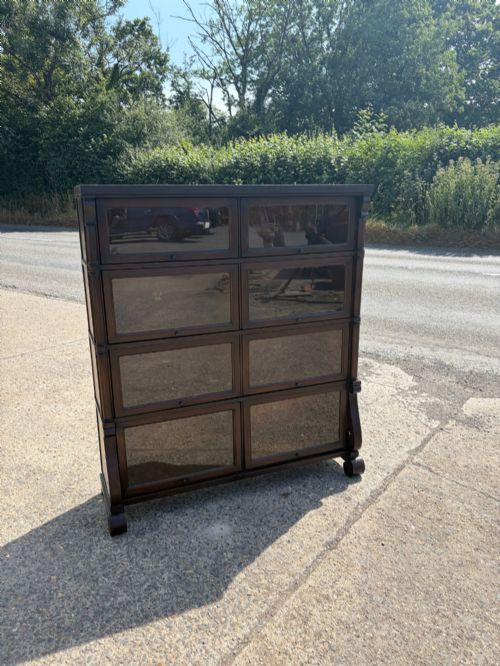
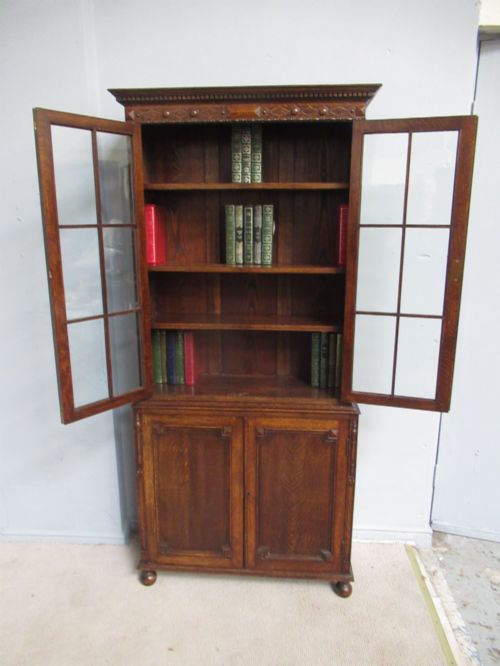
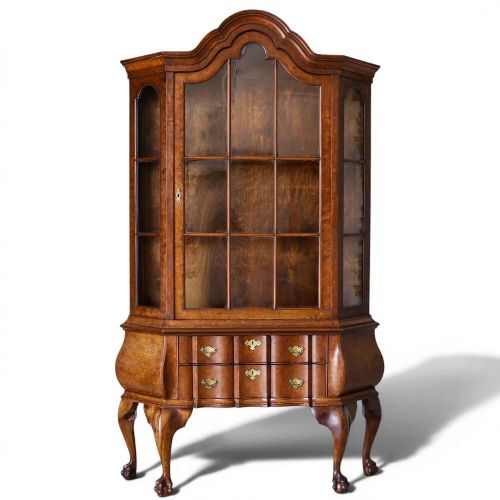
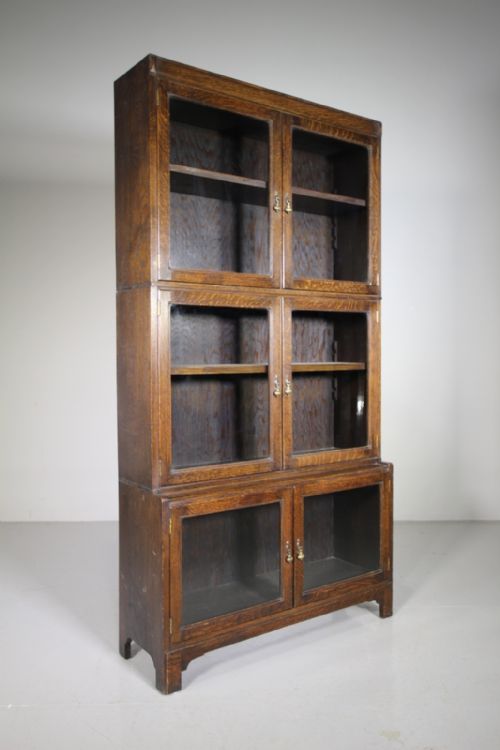
The selection ranges from sturdy institutional library cabinets and stacking sections to refined Dutch walnut-veneered designs and ebonised pieces with brass mounts. Oak remains the most common timber seen across both standard two-door formats and taller configurations.
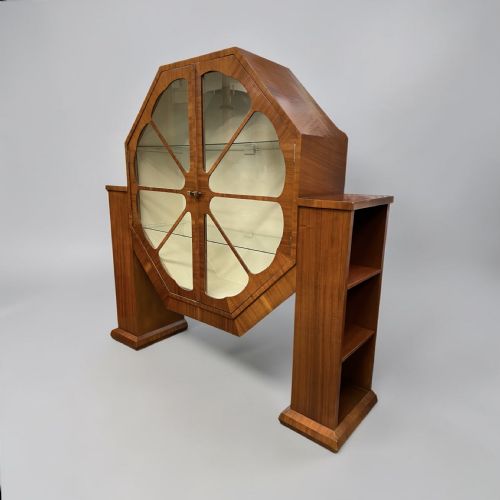
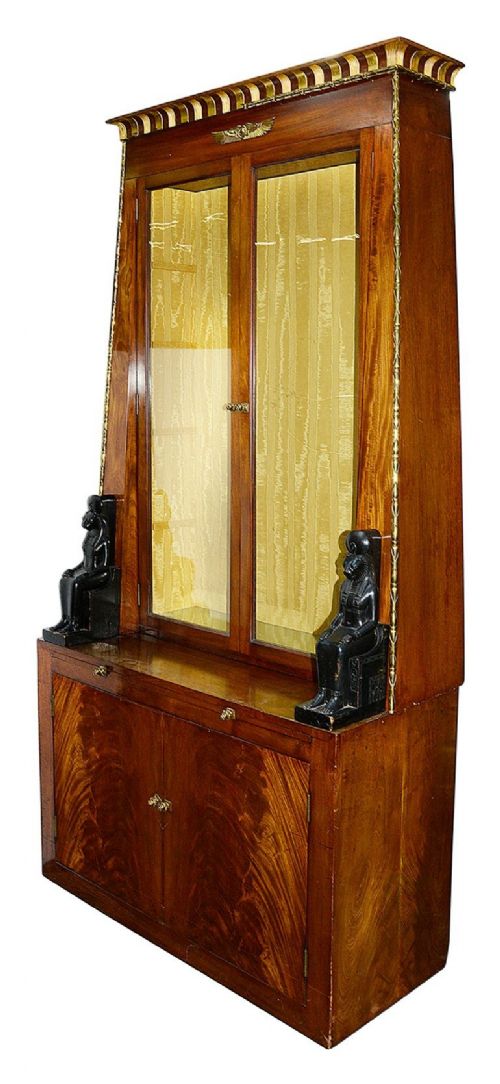
Stylistic influences vary widely across the period, spanning straightforward Arts and Crafts traditions, Jacobean Revival details, and bold Art Deco or Egyptian revival geometry. These cabinets function equally well for housing libraries or displaying decorative objects in domestic interiors.
Materials and construction
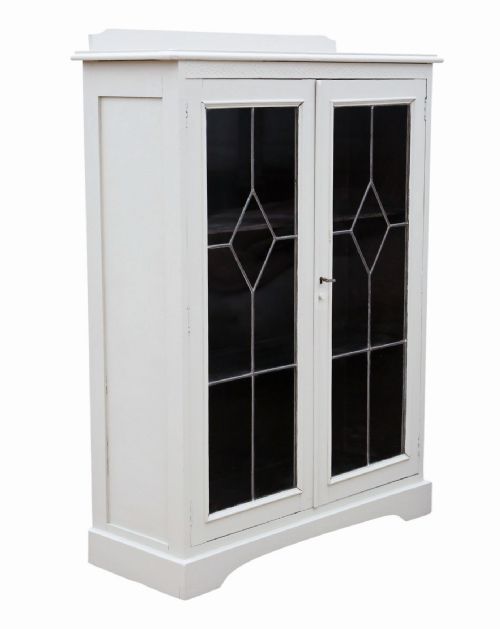
Makers of the era relied heavily on solid oak and figured walnut veneers applied to carcases, often pairing timber with glass panes held by wooden glazing bars or lead came. Brass handles, hinges and mounts provide functional and decorative accents on both dark-finished and natural wood surfaces.
Cabinets feature architectural elements such as astragal glazing, raised panel doors, and integrated lower cupboards or bureau drops. Ebonised wood and painted finishes also appear, offering varied surface textures alongside traditional polished wood.
Oak is the most frequent timber recorded in these 1920s listings, appearing alongside walnut, mahogany, and ebonised wood.
Assessing quality
Quality in these bookcases rests on the selection of timber veneers, the precision of the joinery, and the integrity of the original glass and hardware. Superior examples display carefully matched grain patterns on walnut surfaces or robust solid oak construction with well-fitted doors.
Refined cabinet-making shows in crisp mouldings, clean leaded or astragal glazing joints, and substantial brass mounts rather than stamped substitutes. The presence of makers' details or distinctive revival styling elevates the standing of individual pieces within the period.
Heals·Sandberg & Co
The 1920s Glazed Bookcase Glossary
- Astragal glazed
- A method where glass panes are divided by slender wooden mouldings called astragals. This technique creates a lighter visual grid across cabinet doors.
- Lead came
- Slender channels of lead used to hold small panes of glass together in leaded windows and cabinet doors. It forms geometric or decorative patterns across the front.
- Walnut veneer
- A thin layer of decorative walnut wood applied over a secondary timber carcase. Cabinet-makers utilised this to display striking grain figures without using solid expensive timber throughout.
- Ebonised wood
- Timber treated with a chemical stain or finish to imitate ebony. This dark, formal surface treatment appears frequently on display cabinets from the period.
- Bureau bookcase
- A hybrid furniture form combining a sloping fall-front desk compartment with upper glazed shelving. It offers both writing space and enclosed book storage in one unit.
1920s Glazed Bookcase: Frequently Asked Questions
How do I style a 1920s bookcase?
These cabinets work well in traditional studies and living rooms where the wood tones complement existing furniture. Mix books with decorative objects behind the glass to break up solid rows of spines.
Ensure the room has adequate natural light to highlight the grain of the oak or walnut timbers. Keep surrounding decor relatively simple to let the period character of the cabinet stand out.
Were these cabinets used in homes or offices?
Both domestic and institutional settings utilised these glazed storage units. School libraries and offices required sturdy stacking or two-door oak cabinets for daily record and book management.
At the same time, domestic parlours and drawing rooms featured walnut display cabinets and bureau bookcases. This dual origin explains the variety of scales and finishes found today.
How do I tell Art Deco from revival styles?
Art Deco cabinets feature streamlined geometry, stepped cornices, and sometimes Egyptian revival motifs or contrasting brass mounts. These pieces embrace modern interwar design trends.
Revival styles look backward, incorporating Jacobean or Dutch Baroque elements like heavy turned feet, panelled doors, and figured walnut veneers. Examining the overall silhouette usually clarifies which aesthetic influenced the maker.