



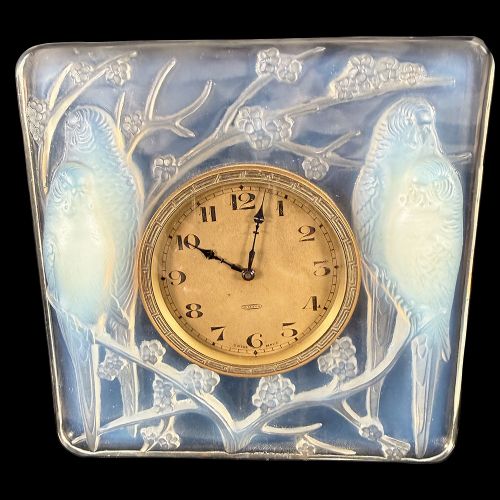
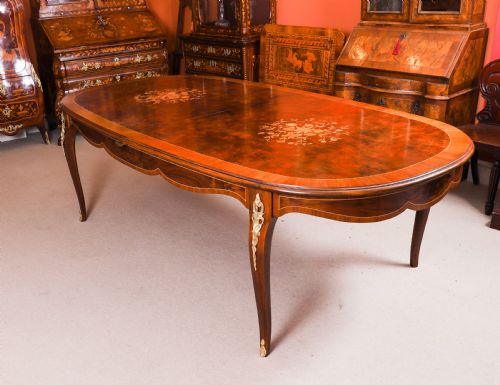
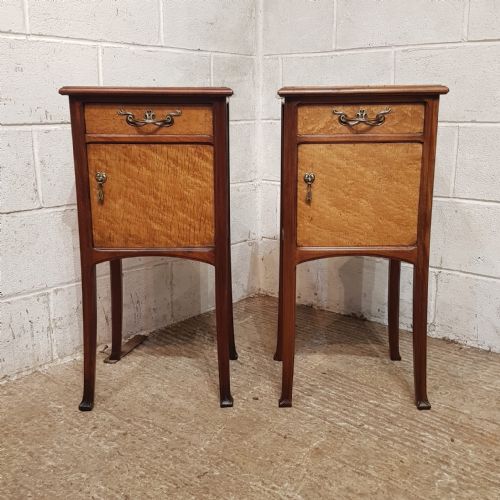

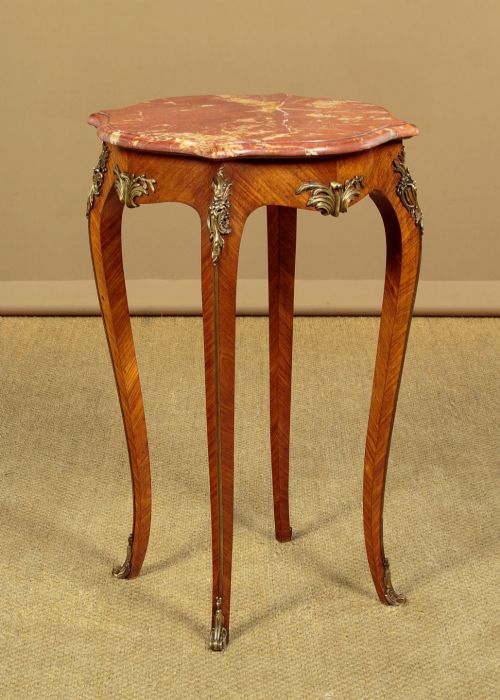


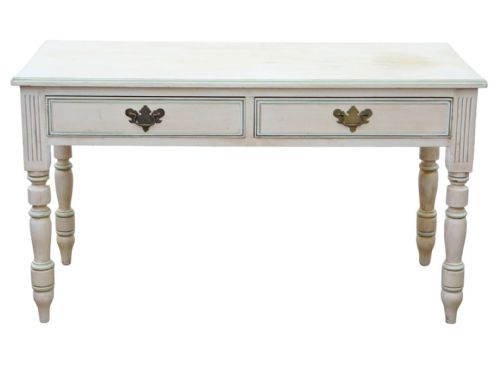

1920s French Table
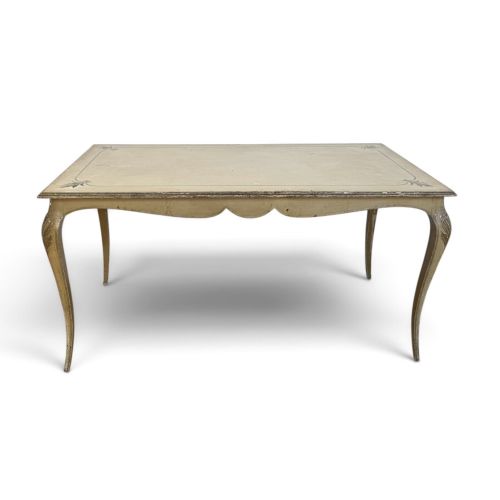
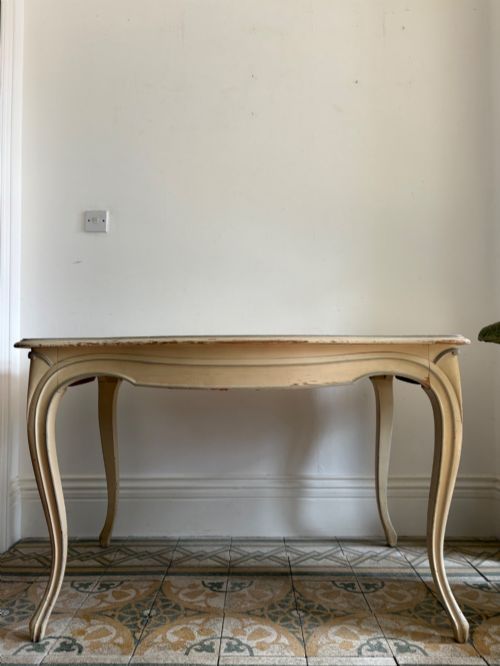
When you select a 1920s French table, you acquire a piece that bridges traditional revival elegance and modern geometric design.
1920s French Table
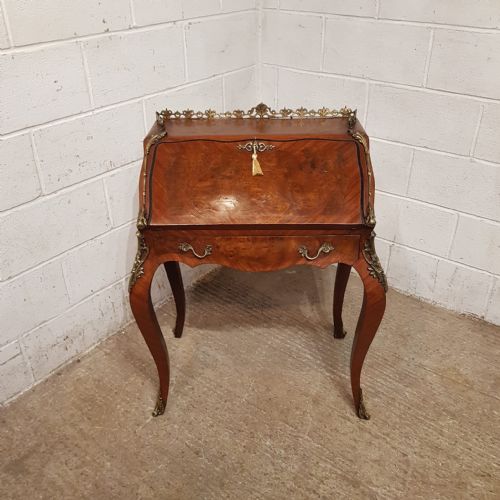
A 1920s French table spans diverse domestic forms, from extending dining tables and writing desks to compact bedside cabinets, side tables, and occasional wine tables.
The selection ranges between two distinct aesthetics: ornate revival styles looking back to earlier centuries and sleek modernist lines of the Art Deco period.
Makers and workshops of the era adapted classical proportions for modern interiors, creating pieces suited for dining rooms, salons, and bedrooms alike.
Materials and construction
Cabinetmakers utilised dense timbers such as rosewood, mahogany, walnut, and kingwood, frequently finishing surfaces with painted or gilded details.
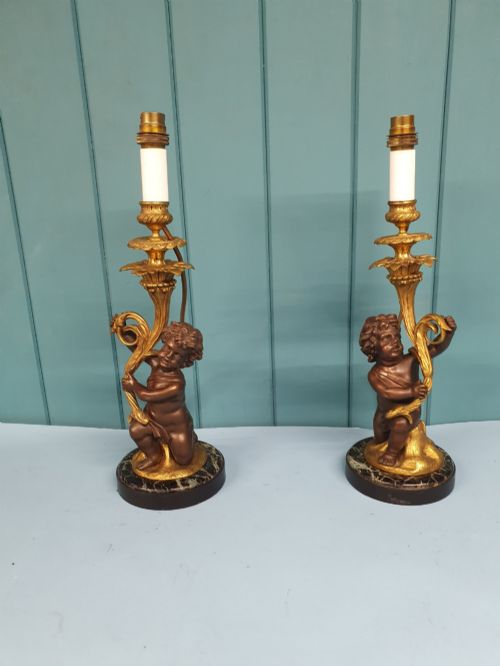
Many designs incorporate contrasting materials, pairing marble or inset suede tops with carved wooden frames, wrought iron, or cast bronze mounts.
The inventory combines rosewood, mahogany, marble, bronze, and wrought iron across dining, writing, and bedside forms.
Craftsmanship and distinction
Quality rests in the precision of the joinery and the selection of timber veneers, where figured grain patterns and symmetrical layouts elevate standard furniture.
The sophistication of cast metal mounts, hand-carved details, and original painted or gilded finishes separates workshop pieces from mass production.
Maurice Dufrêne·Muller Bros·Emile Galle·R Lalique·L.Martin of Paris
The 1920s French Table Glossary
- Art Deco
- A design style emerging in the interwar period characterised by geometric symmetry, stylised motifs, and modern industrial materials.
- Louis XV Revival
- A decorative style inspired by eighteenth-century French court furniture, featuring curved cabriole legs and organic rococo ornamentation.
- Console table
- A wall-mounted or freestanding table designed to stand against a wall, frequently topped with marble or wood.
- Ormolu
- Gilded bronze used for decorative mounts and hardware on high-status furniture pieces.
- Marquetry
- The art of applying small pieces of veneer to a structure to form decorative patterns and pictures.
1920s French Table: Frequently Asked Questions
How do I identify a 1920s French table?
Examine the construction methods, timber selection, and stylistic cues. Pieces often blend classical revival shapes with the streamlined tendencies of the period.
Look closely at the hardware, secondary woods, and any maker stamps or workshop labels preserved beneath marble slabs or inside drawer linings.
Where should I place a side table?
These compact pieces suit living rooms, hallways, and bedrooms as functional surfaces for lamps, clocks, or decorative objects. Their varied footprints allow them to fit into narrow spaces.
Ensure the table's finish and material complement existing furniture while serving its intended practical purpose in the room.
How do I care for wooden surfaces?
Maintain timber and veneer by avoiding direct sunlight and excessive humidity fluctuations. Regular dusting with a soft cloth preserves the original polish.
Apply specialist wax sparingly only when the wood appears dry, following the natural grain of the rosewood, mahogany, or walnut.
What is the difference between revival and deco?
Revival styles draw heavily on eighteenth-century monarchical aesthetics, displaying curves, elaborate carving, and gilt bronze mounts. Art Deco pieces favour clean geometry and stylised ornamentation.
Understanding these distinct design currents helps date and contextualise individual tables within early twentieth-century French production.