




1920s French Side Table
A 1920s French side table brings Parisian elegance into a room, offering practical surface space combined with the distinct craftsmanship of the early twentieth century.
1920s French Side Table
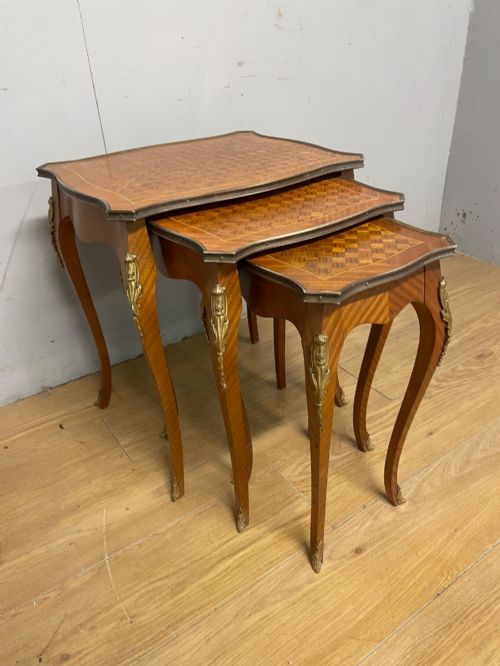
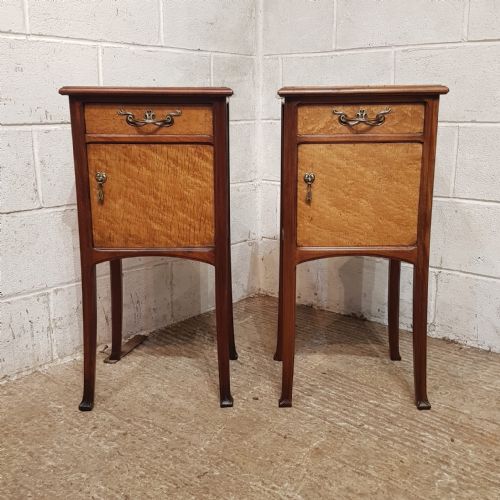
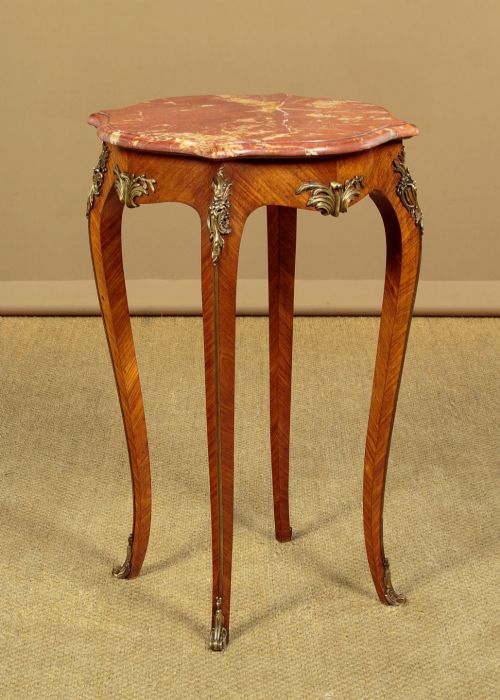
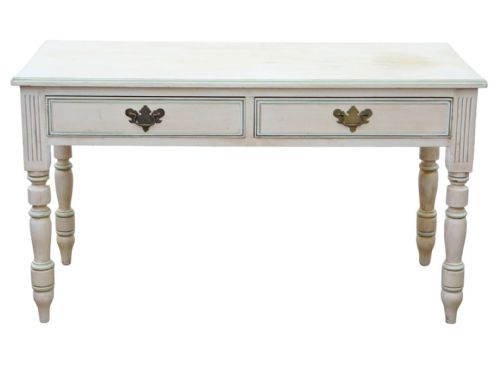
When you search for a 1920s French side table, you encounter a diverse selection of small occasional furniture spanning the 1920 and 1930 periods. The forms range from compact bedside cabinets and wine tables to console tables, desks, and low coffee tables. These pieces frequently appear in revival aesthetics such as Louis XV, Rococo, and French Chateau alongside geometric Art Deco designs.
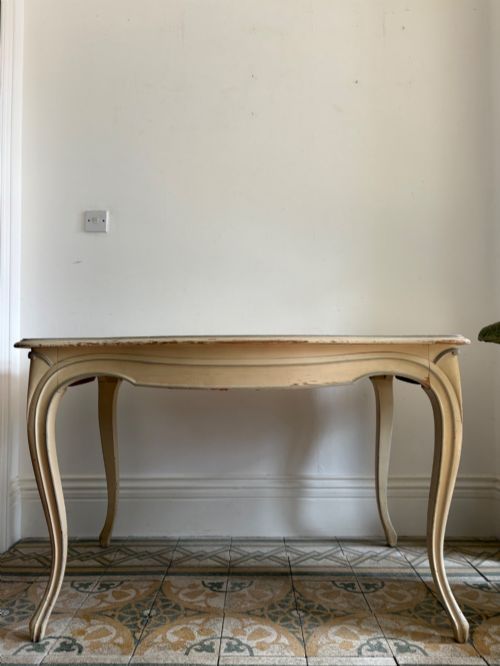
The most common formats you will meet on this page are bedside cabinets, compact wine tables, and smaller occasional surfaces. Many pieces incorporate specialised top surfaces, including inset suede, mirror glass, or fitted marble slabs. Others are supported by cabriole legs or iron baker table frames, reflecting both traditional provincial craftsmanship and modern urban styling.
How They Were Made
Cabinetmakers of this era utilised a variety of fine timbers, most notably mahogany, rosewood, and burr walnut, often applied as veneers over solid wooden carcases. Painted finishes in cream or other soft tones also appear frequently across console and occasional tables, sometimes paired with contrasting trim or decorative distressing.
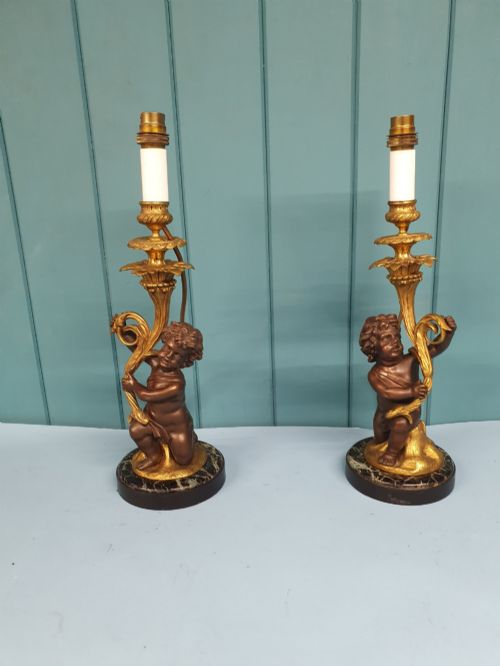
Metal and stone components play an essential structural and decorative role in these pieces. Brass and bronze mounts, ormolu accents, and heavy marble tops are combined with wooden frames, particularly on baker tables and Art Deco lamp tables where durability and contrasting textures were desired.
Object forms on this page include bedside cabinets, wine tables, console tables, desks, and occasional lamp tables.
What Varies in Quality
The standard of timber selection and veneer matching creates a distinct separation between average and superior examples. High-grade pieces display carefully chosen grain patterns in rosewood or walnut that flow seamlessly across drawers and table surfaces, whereas simpler items rely on plain painted wood.
The execution of decorative hardware and secondary materials also distinguishes the range. Finely cast bronze and brass mounts, substantial marble slabs, and signed cabinetwork demonstrate a higher tier of workshop production compared to standard commercial output.
L.Martin of Paris·Majorelle
The 1920s French Side Table Glossary
- Cabriole leg
- A furniture leg that curves outward and then tapers inward with a graceful scroll foot. This form is characteristic of Louis XV revival pieces.
- Ormolu
- Gilded bronze mounts and decorative ornaments applied to furniture. It provides a bright metallic contrast against dark woods like mahogany and rosewood.
- Burr walnut
- Wood taken from a tree growth or burl, yielding intricate and swirling grain patterns. Cabinetmakers used it for decorative veneering on cabinet doors and tabletops.
- Console table
- A table designed to stand against a wall, frequently featuring slim proportions and decorative legs. They often support heavy marble or inset tops.
1920s French Side Table: Frequently Asked Questions
How do I identify a 1920s French side table?
Look for construction details characteristic of the early twentieth century, such as traditional French cabinet joints, timber selections like rosewood and mahogany, and characteristic hardware mounts. Stylistic clues also help date the piece, bridging traditional revival forms with early Art Deco geometry.
Examine the underside and interior surfaces for maker signatures, stamps, or labels that connect the piece to Parisian workshops of the period.
Where should I place a bedside cabinet?
These compact cabinets suit bedrooms as traditional bedside storage for lamps, books, and personal items. Their decorative fronts and marble or wooden tops allow them to stand out independently next to a bed.
They also function well in smaller reception rooms or hallways as occasional storage cabinets where floor space is limited.
How do I care for a marble top?
Marble surfaces require gentle cleaning with mild, pH-neutral soap and warm water to avoid damaging the polished stone. Wipe up spills promptly, particularly acidic liquids like wine or citrus juice, which can etch the surface.
Applying a specialist stone sealer periodically helps protect the marble from staining while preserving its natural finish.
What is the difference between Art Deco and revival styles?
Art Deco side tables emphasise streamlined geometry, symmetrical patterns, and modern materials like mirror glass and exotic veneers. They represent the forward-looking design movements of the 1930 period.
Revival styles draw inspiration from earlier centuries, featuring curved cabriole legs, ornate bronze mounts, and traditional silhouettes reminiscent of the Louis XV reign.