






1920s British Watercolour
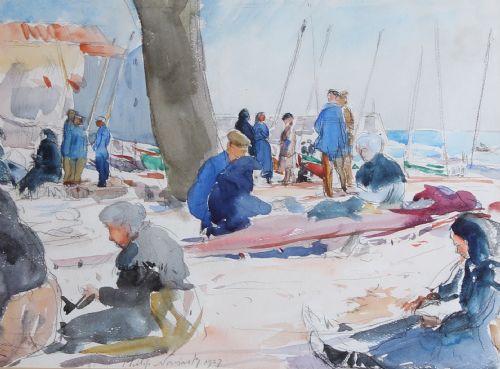
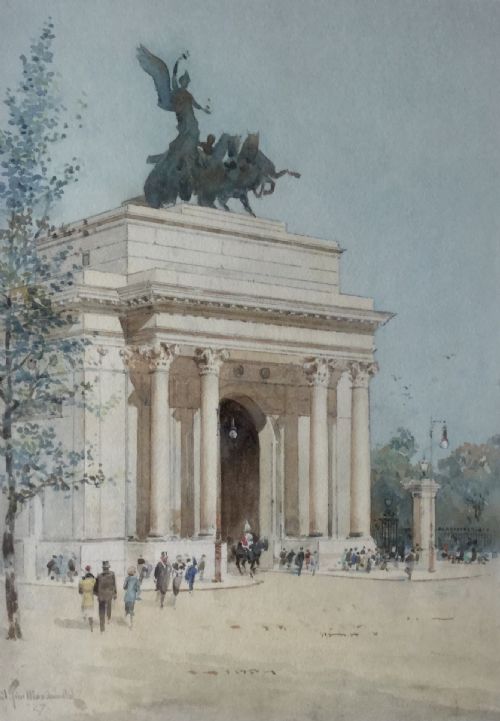
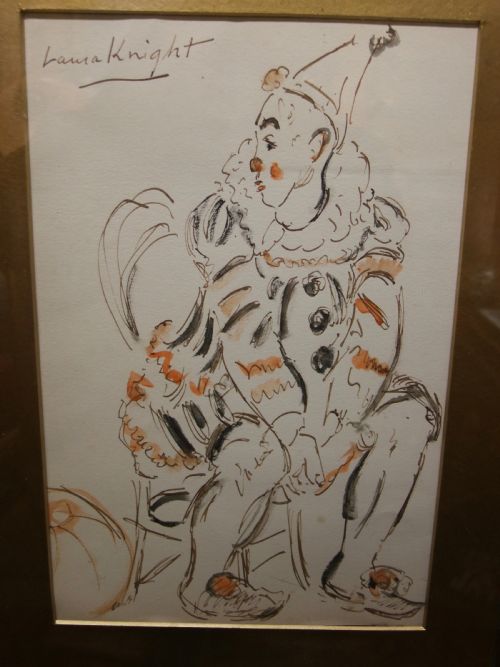
These 1920s British watercolour pieces capture landscapes, townscapes and character studies on paper that bring authentic interwar artistry directly into a room.
1920s British Watercolour
When you search for 1920s British watercolour, you are looking at original works on paper capturing landscapes, townscapes, coastal scenes and figure studies from the interwar period. The selections here include works by known artists such as Fred Lawson, Dame Laura Knight and Edward Horace Thompson, alongside architectural views of locations like Lincoln and London.
The pieces encompass various formats including framed artwork, watercolour drawings and paintings utilising gouache and ink. Stylistically, they range from early 20th century British school traditions to interwar realism and English impressionism.
Materials and technique
These works are created on paper using watercolours, often augmented with gouache, ink and pencil to add opacity, line definition and detail. The application of pigment relies on transparent washes layered to build depth, light and atmosphere.
Framed examples typically utilise glass for protection alongside wood and gilt wood frames that complement the period aesthetic of the works on paper.
1920s British Watercolour Retail Price Guide 2026
Typical asking prices for 1920s british watercolour among the pieces listed under this phrase on Sellingantiques today, from the lower quarter to the upper quarter. They describe what is for sale here now, not the wider market.
Listings for this phrase combine watercolours with gouache, ink and pencil on paper, framed in wood and glass.
What varies in quality
Quality in these watercolours depends upon the sureness of the hand, the strength of the composition and the clarity of the pigment application. Stronger works demonstrate confident brushwork and precise draughtsmanship, whether depicting architectural townscapes or expressive figure studies.
The distinction also rests on provenance and attribution, with documented works by established artists holding greater significance within the field of 20th century British art.
Owen Bowen·Edward Horace Thompson·Edith E Caswall·Fred Lawson·Jane Utley·J. Tim Macdonald·Montagu Barstow·Dame Laura Knight·George Graham
The 1920s British Watercolour Glossary
- Watercolour
- A painting method where paints are made of pigments suspended in a water-based solution. It is traditionally applied to paper surfaces to create transparent washes of colour.
- Gouache
- An opaque watercolour medium containing pigment combined with a binding agent. It is often used alongside transparent watercolour to create highlights and solid areas of colour.
- Interwar Realism
- An artistic style prevalent between the First and Second World Wars focusing on realistic depictions of everyday subjects, landscapes and urban scenes. It grounds the visual arts of the 1920s in recognizable observation.
- Works on paper
- A collective term for artistic creations executed on paper substrates, including drawings, watercolours and prints. This category highlights the delicate medium shared by these pieces.
1920s British Watercolour: Frequently Asked Questions
How should I display a watercolour?
Watercolours require careful placement away from direct sunlight to prevent the pigments and paper from fading over time. Using UV-filtering glass during framing provides essential protection against light degradation.
Humidity control is equally important when living with works on paper. Keeping pieces in stable indoor environments prevents moisture damage and cockling of the paper sheet.
What subjects do these paintings feature?
The subjects span rural cottage gardens, coastal views of locations like Corfu and detailed townscapes of historic urban centres. Architectural landmarks and figure studies also feature prominently among the compositions.
Artists during this decade recorded both natural landscapes and bustling city environments with varied illustrative approaches. This creates a diverse record of British visual culture between the wars.
Are these works original art?
Every piece listed is an original painting, drawing or unique work on paper rather than a reproduction or print. Artists applied pigment directly to the sheet by hand during the period.
Signatures, dates and inscriptions found on many of the pieces further confirm their status as primary historical artworks. Each item represents a singular creative act from the artist.
How do I identify the period?
Dating relies on artist lifespans, period signatures, dated inscriptions and stylistic markers typical of the interwar decades. Characteristics align with early 20th century British movements and post-Victorian artistic developments.
Framing materials and backing papers often provide secondary physical clues regarding the age of the presentation. Examining these elements together helps confirm the historical context of the artwork.