
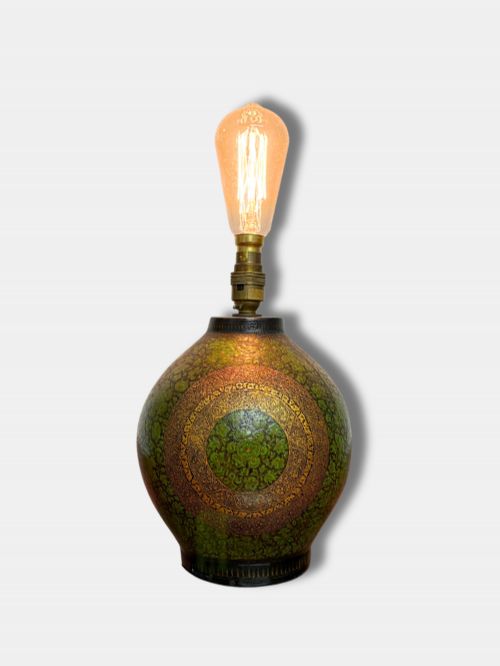
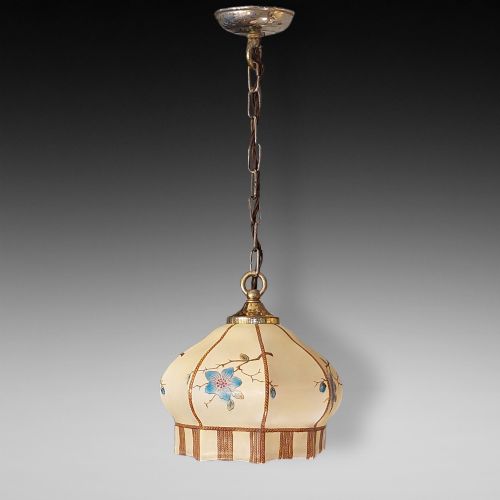
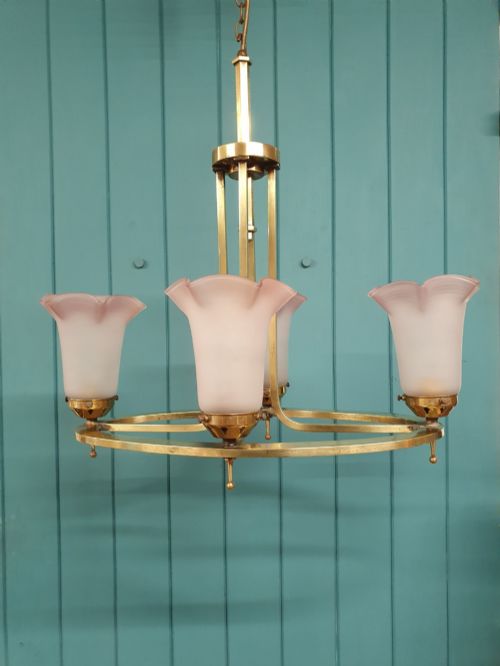
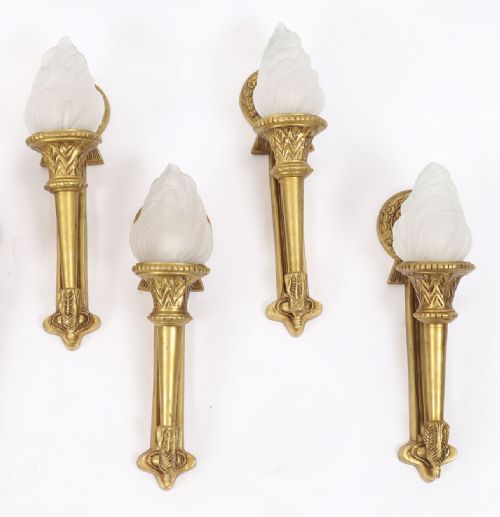




1920s Brass Lamp
A 1920s brass lamp brings period character and warm metallic lustre into a room through authentic interwar lighting design.
1920s Brass Lamp
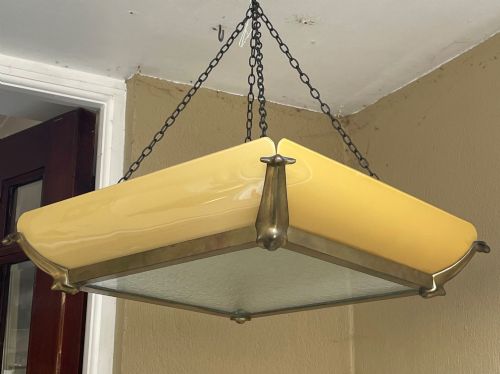
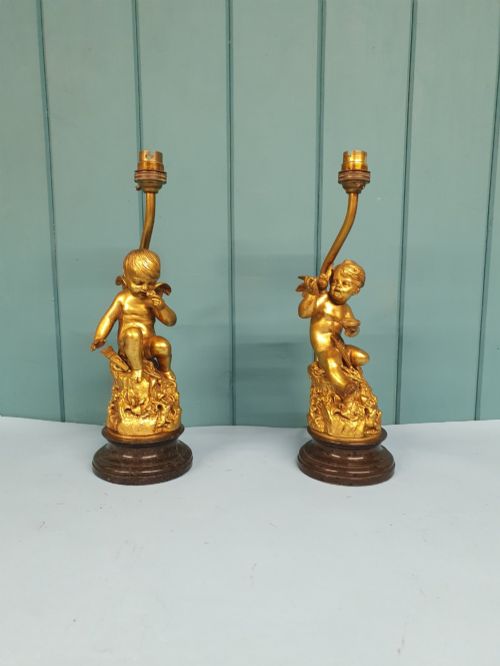
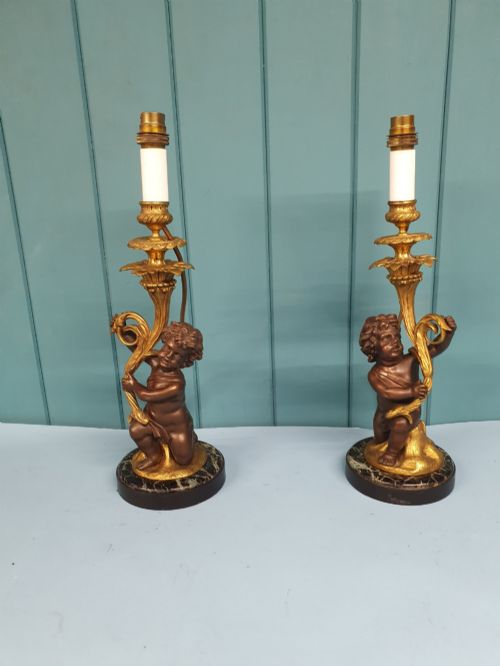
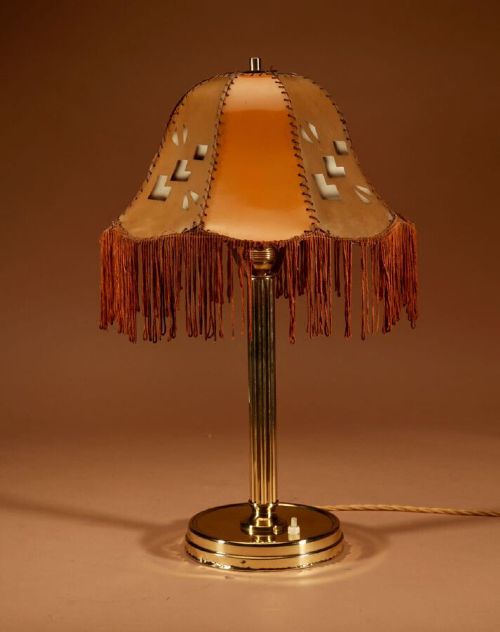
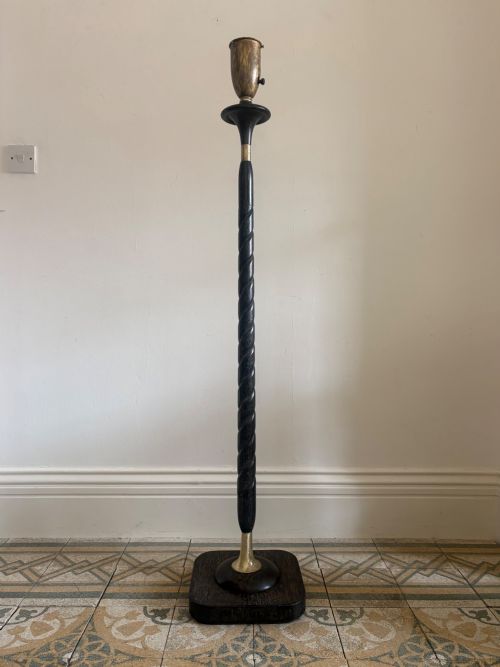
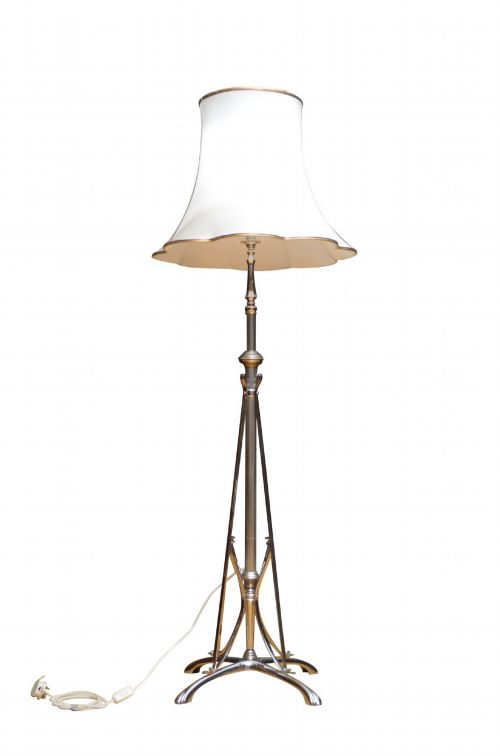
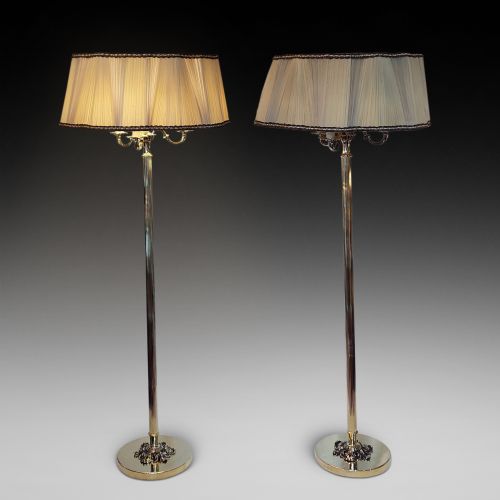
A 1920s brass lamp encompasses lighting fixtures produced during the interwar period, including table lamps, floor standards, adjustable desk lights, and multi-branched chandeliers. The version most commonly met on this page is the adjustable or flexible brass desk lamp, alongside tall standard lamps and cast table lighting.
The aesthetic of these pieces spans functional utilitarian designs to decorative styles influenced by Art Deco, Neoclassical revival, and Rococo traditions. Many examples incorporate metal alongside glass, fabric shades, or porcelain bases to achieve their distinct period silhouette.
Originating from British, French, and international workshops, these lights reflect the manufacturing shifts of the early twentieth century. Buyers select them for their combination of robust metal construction and distinct chronological style.
How they were made
Construction relies heavily on cast, spun, and turned brass, often paired with components in bronze, gilt metal, and wrought iron. Many desk and standard lamps utilise flexible tubing, articulated joints, or twisted columns to achieve functional adjustability.
Shades and decorative bodies introduce contrasting textures through hand-painted glass, opaline, frosted glass, crystal drops, and glazed porcelain elements. Surface finishes range from polished or gilt brass to patinated bronze and ebonised wood details.
Several heavy standard lamps masquerade as elegant indoor sunshine dispensers while secretly plotting to anchor your living room rug.
What varies in quality
Quality in these lighting pieces depends upon the weight of the cast brass and the crispness of applied ornamentation such as acanthus leaf mounts or ormolu detailing. Thicker gauge metal and substantial bases provide better structural stability, particularly in tall floor standards and multi-arm chandeliers.
The integrity of secondary materials also dictates the standard of the piece, distinguishing between standard pressings and finely hand-cut crystal, painted porcelain, or mouth-blown opaline glass shades. Original mechanisms on adjustable desk lamps show varying degrees of engineering precision and durability.
Karl Ens·Anton Buschelberger·Wilhelm Wagenfeld·Farberware
The 1920s Brass Lamp Glossary
- Opaline
- A type of semi-translucent milky glass used extensively for lamp shades during the period to diffuse light softly. It appears in white and pastel tints across various antique lighting forms.
- Ormolu
- Gilt bronze or brass mounts applied to furniture and lighting fixtures for decorative effect. The technique involves treating base metals with a gold amalgamation to create a rich metallic surface.
- Chandelier
- A branched ceiling-mounted lighting fixture designed to hold multiple bulbs or candles. Period examples often feature crystal drops, beaded arms, and cast brass branches.
- Standard lamp
- A floor-standing lamp designed to provide ambient illumination at eye level. These pieces frequently incorporate sturdy weighted bases to support extended vertical columns.
- Patination
- The natural ageing and surface oxidation that develops on brass and bronze over decades. This gradual change creates a deeper hue and character unique to antique metalwork.
1920s Brass Lamp: Frequently Asked Questions
Are these lamps safe for modern electrical use?
Many vintage and antique lighting fixtures arrive with their original wiring or older replacement cords that require professional evaluation before use. Buyers typically arrange for an electrician to inspect and rewire the fixtures to meet current safety standards.
Rewiring ensures the lamp accommodates modern plug types and insulation requirements while preserving the historic metal base and socket housing. Testing guarantees safe daily operation in a contemporary home.
How do I distinguish an authentic 1920s lamp?
Authentic pieces display period-specific manufacturing techniques such as heavy cast brass components, threaded fasteners, and traditional surface patination. Examining the weight, construction joints, and shade materials helps confirm the era of production.
Stylistic markers like geometric Art Deco motifs or specific revival details align the design with the interwar timeframe. Comparing the piece against documented examples from the same decade clarifies its origin.
Can I replace the shade on a vintage lamp?
Replacing a shade is possible provided the fitter size and gallery match the physical dimensions of the lamp holder. Many desk and table lights accommodate standard clip-on or ring-fitted shades.
Preserving an original shade maintains the historical completeness of the object, but alternative shades allow customisation of light diffusion. Care must be taken to select proportions that complement the weight and height of the base.
How should I clean antique brass lighting?
Maintaining antique brass involves gentle dusting with a soft dry cloth to prevent the accumulation of grime on decorative surfaces. Abrasive cleaners and harsh chemical polishes should be avoided because they strip away the historic patination.
Preserving the natural ageing of the metal protects the visual character developed over the past century. Minor surface care keeps the brass stable without diminishing its antique appearance.