
1920s Art Glass
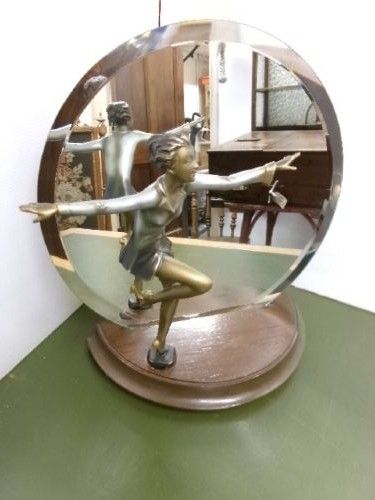
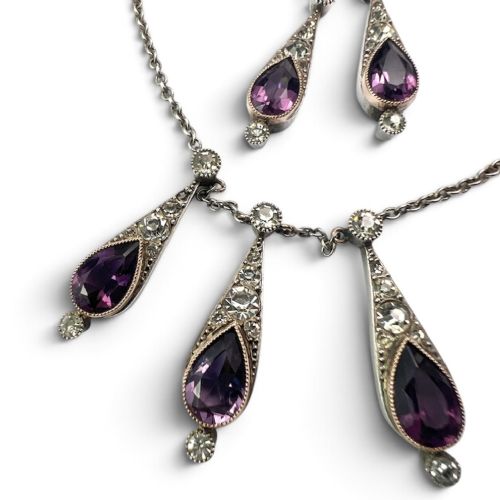
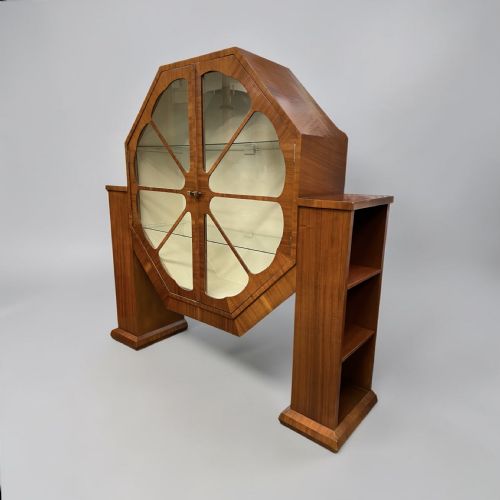
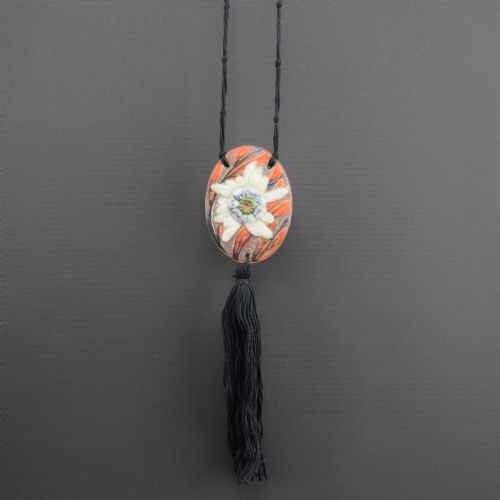
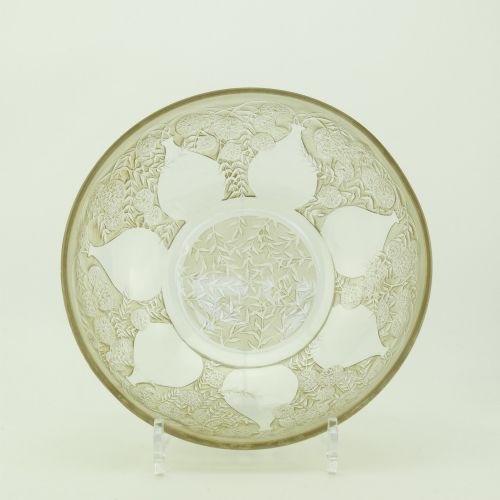
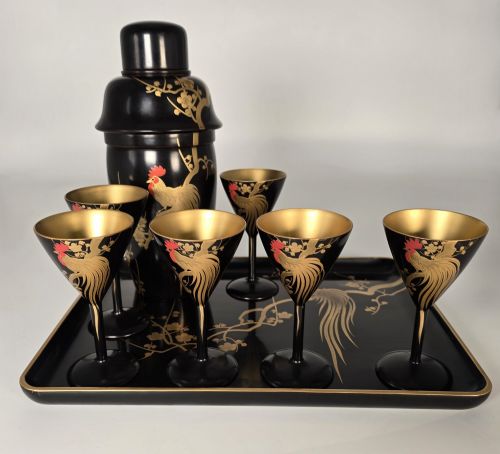
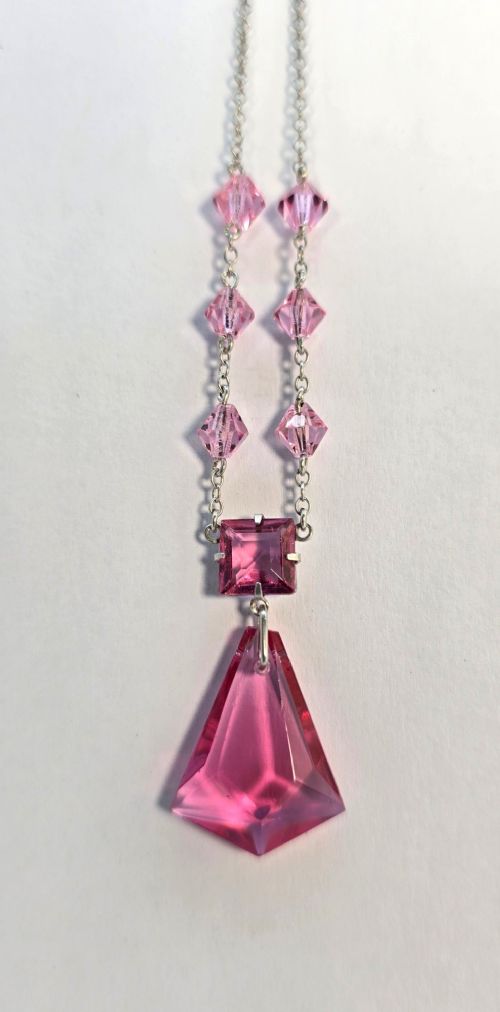
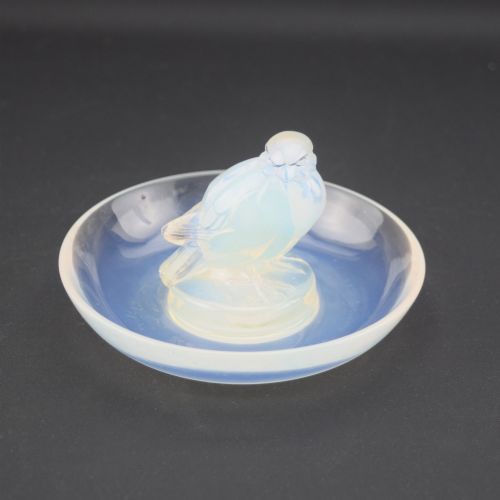
These pieces of 1920s art glass capture the bold spirit of the interwar period through striking moulding and luminous opalescent surfaces.
1920s Art Glass
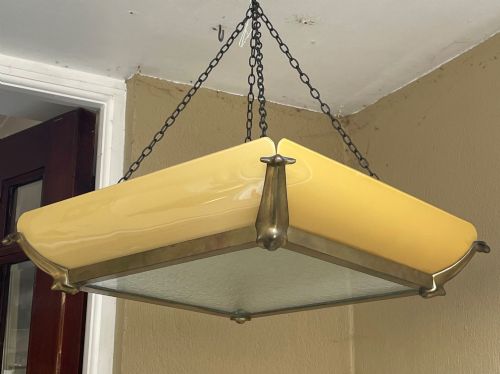
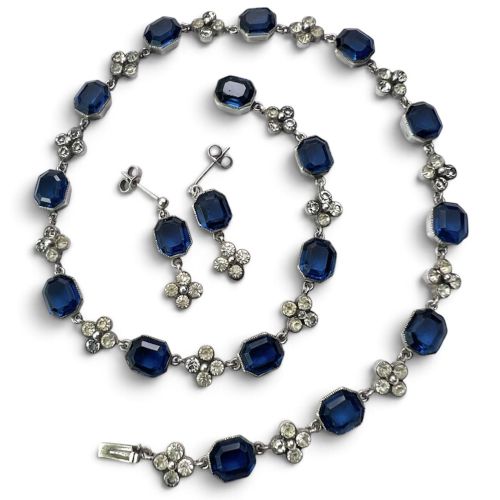
When searching for 1920s art glass, collectors encounter objects defined by the distinct aesthetic movements of the era, primarily Art Deco and Art Nouveau. The selection spans decorative vessels, tableware, lighting, and sculptural forms that served both ornamental and functional purposes in period interiors.
Vases, decorative bowls, perfume bottles, and car mascots dominate the available forms. Pieces frequently exhibit opalescent or frosted finishes, sometimes combined with metal mounts in silver or brass.
Origins stretch across European workshops, with French output strongly represented alongside British and wider continental designs. The items mirror the technological shift towards mass production methods operating alongside traditional studio craft.
How they were made
Moulding and glassblowing form the foundation of these objects, utilising specialised iron or wooden moulds to achieve crisp geometric or organic shapes. Techniques such as pate de verre and cameo layering allow for rich colour depth and textural contrast within the glass body.
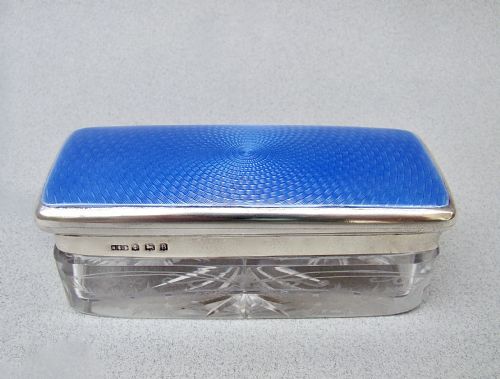
Frosted and opalescent effects are achieved through specific chemical inclusions during melting, followed by acid-etching or mechanical polishing of the surface. Metal elements like silver and brass are frequently worked through casting, hammering, or guilloché enamelling to complement the glass components.
Automobile bonnet ornaments doubled as glowing glass ladies cutting through the dark on interwar roads.
What varies in quality
The sophistication of the design execution and the precision of the moulding dictate the standing of a piece within the range. Crispness in relief details, particularly on figures, flora, and geometric motifs, separates standard utility items from works of higher artistic ambition.
The quality of the material itself, observed in the depth of opalescence, the purity of the glass matrix, and the integration of secondary materials like silver or enamel, establishes the relative distinction of individual examples.
Rene Lalique·Argy Rousseau·Galle·Henry Clifford Davis·TIFFANY and Co
The 1920s Art Glass Glossary
- Opalescent Glass
- Glass that diffuses light to display a milky, milky-blue, or fiery appearance. This optical effect shifts tone depending on the angle of illumination.
- Pate de verre
- A glass-casting method where crushed glass is packed into a mould and fused in a kiln. The technique produces dense, softly textured objects with painterly colour variations.
- Cameo Glass
- Vessels built from multiple fused layers of different coloured glass, then carved to create raised designs. This labour-intensive process exposes contrasting background colours.
- Guilloche Enamel
- Metalwork decorated with precise, engine-turned geometric patterns beneath a translucent enamel coating. It frequently appears on dressing table jars and small accessories.
- Car Mascot
- A sculptural glass ornament mounted on the radiator cap of a motor vehicle. These robust pieces were designed to withstand outdoor conditions while catching the light.
1920s Art Glass: Frequently Asked Questions
How do I identify 1920s art glass?
Look for characteristic stylistic markers such as geometric symmetry, stylized natural forms, and the extensive use of opalescent or frosted finishes. Signatures, mould numbers, and manufacturing techniques typical of the period often appear on the base or lower edge.
Material composition also offers clues, as interwar glasshouses experimented heavily with chemical colourations and specialised surface treatments that differ markedly from earlier Victorian output or later mid-century designs.
Were these items purely decorative?
While many pieces served as ornamental vases or scent bottles, a significant portion had practical daily functions. Lighting fixtures, tableware, dressing table jars, and even automobile mascots integrated artistry into everyday utility.
Owners in the period appreciated objects that combined aesthetic modernity with functional roles, reflecting the progressive design ethos of the decade.
How should I clean my glass?
Gentle washing with warm water and mild, non-abrasive soap is usually sufficient for maintaining glass surfaces. Avoid harsh chemical cleaners or abrasive sponges that might damage frosted or enamelled details.
For pieces with metal mounts or delicate applied elements, keep moisture away from joints and dry thoroughly with a soft lint-free cloth immediately after washing.
Can I display these pieces in direct sunlight?
Continuous exposure to strong direct sunlight can cause certain tinted or opalescent glass types to alter colour over extended periods. Positioning items away from intense south-facing windows preserves their original optical qualities.
Stable indoor placement also protects fragile forms, particularly car mascots or thin vessel rims, from accidental knocks and thermal shock.