
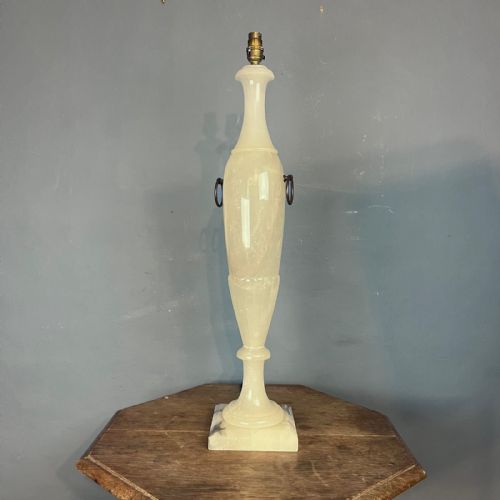


1920s Art Deco Lamp Base
A 1920s art deco lamp base brings geometric discipline and sculptural figure work into a room.
1920s Art Deco Lamp Base
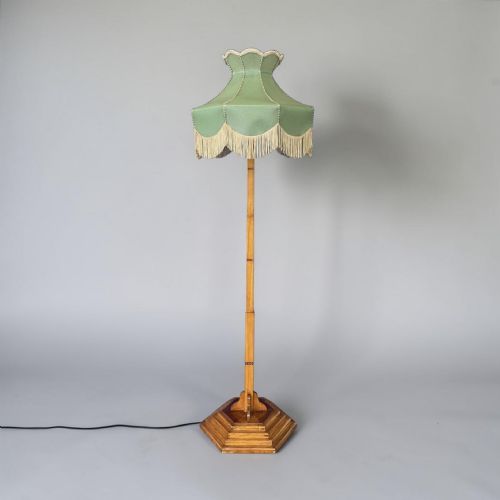
When you search for a 1920s art deco lamp base, you find lighting fixtures designed during the 1920 and 1930 periods that use the dominant design language of the interwar years. These items range from slender column table lamps to larger floor and standard lamps that anchor a corner.
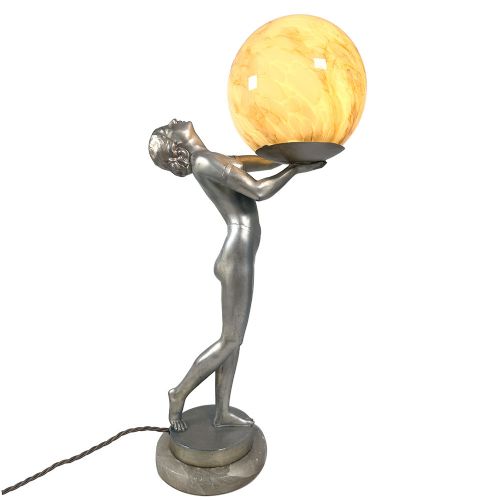
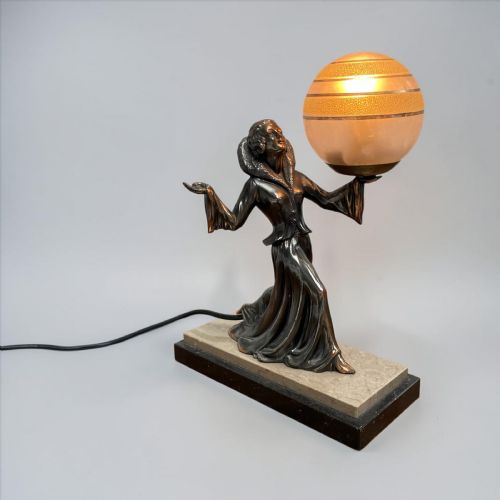
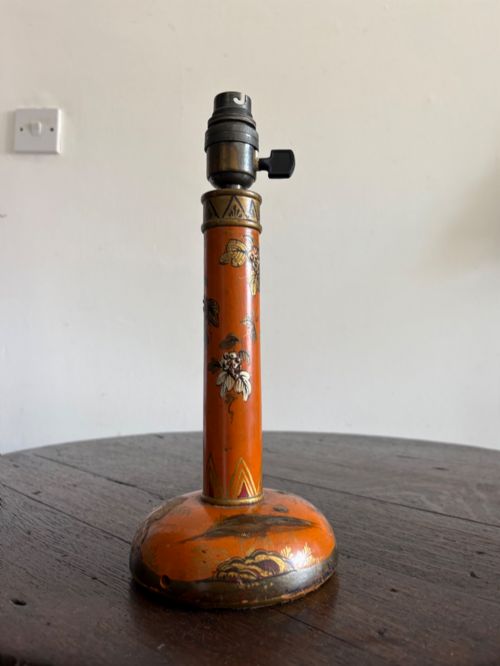
The versions you are most likely to meet on this page include figural pieces depicting ladies or night lights with animals, alongside architectural table lamps. They draw on styles such as Art Deco, Bauhaus, and Chinoiserie to create distinct silhouettes.
Origins span standard table models to substantial floor-standing pieces. Each piece reflects the shift away from Victorian clutter towards cleaner lines and integrated illumination.
How they were made
Maker workshops combined metals such as brass, bronze, patinated metal, chrome, and sterling silver with solid marble or alabaster bases to give these lamps sufficient weight. Casting and hand-painting techniques appeared on porcelain and lacquered surfaces.
Glass components included opaline and frosted glass shades or bodies, which diffused the electric light bulbs that were becoming standard in homes. Specialised elements like hand-painted Chinoiserie lacquer required careful layering and drying between coats.
Listings feature items dated specifically to 1920 and 1930, utilising brass, marble, glass, patinated metal, alabaster, bronze, and sterling silver.
What varies in quality
Quality rests in the fidelity of the casting and the integration of materials, such as a bronze figure properly mounted to a dense marble base. Finer examples show crisp hand-painting on porcelain or lacquer rather than mechanical uniformity.
The choice of medium defines the tier, moving from utilitarian metalwork up to sculptural figural compositions in bronze or sterling silver. The weight of the metal and the clarity of the frosted or opaline glass dictate the overall standard.
The 1920s Art Deco Lamp Base Glossary
- Art Deco
- A design style characterised by streamlined shapes, geometric patterns, and modern industrial materials. It dominated decorative arts through the 1920 and 1930 periods.
- Alabaster
- A fine-grained, translucent stone used for carved lamp bodies and bases. It allows warm light to pass through the material itself.
- Opaline glass
- A milky, semi-opaque glass used for lamp shades and bodies. It softens the electric bulb output into a gentle glow.
- Bauhaus
- A modernist German school of design emphasising functionalism and industrial production. It influenced clean-lined metal table lamp construction.
1920s Art Deco Lamp Base: Frequently Asked Questions
How do I wire an old lamp base?
Safety regulations require modern rewiring with grounded cables and modern lamp holders. A qualified electrician can thread new wire through the internal channels without altering the vintage exterior.
Retaining the original switch or plug if present adds character, but internal components must meet current standards for domestic use.
What bulbs do these bases take?
Most bases accept standard screw or bayonet fitting bulbs depending on their British or continental origins. Low-heat LED bulbs protect fragile materials like lacquer and frosted glass from thermal stress.
Matching the wattage to the shade size prevents overheating of vintage glass or porcelain elements.
How do I clean marble and alabaster?
Dust these stone surfaces with a dry, soft cloth to prevent abrasive particles from scratching the polish. Avoid water or chemical cleaners that can penetrate porous stone and leave permanent stains.
Natural oils from handling can darken alabaster over time, so minimal contact is recommended.