
Antique Column Lighting
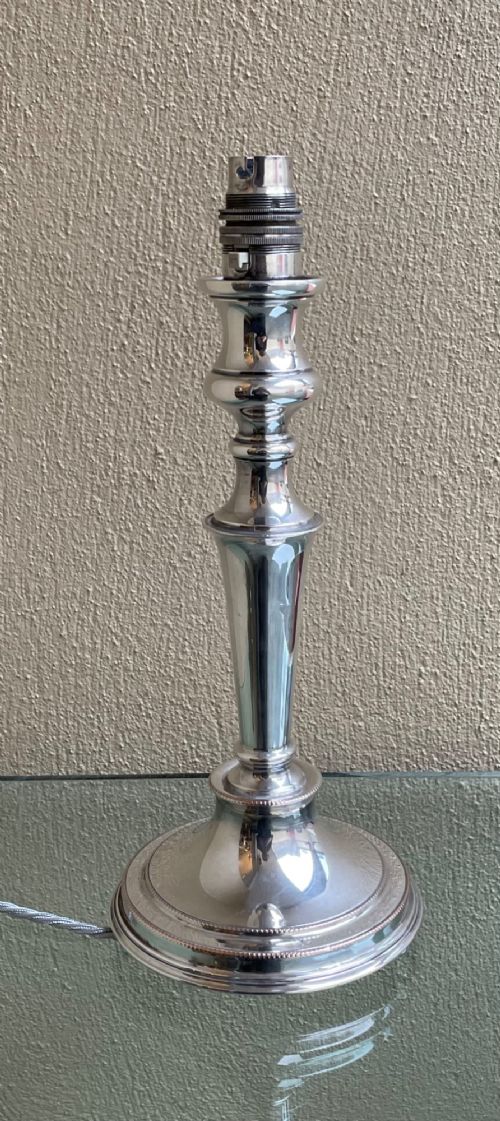
These antique column lighting pieces bring vertical presence and steady illumination into a room, spanning brass, silver plate, and marble forms.
Antique Column Lighting
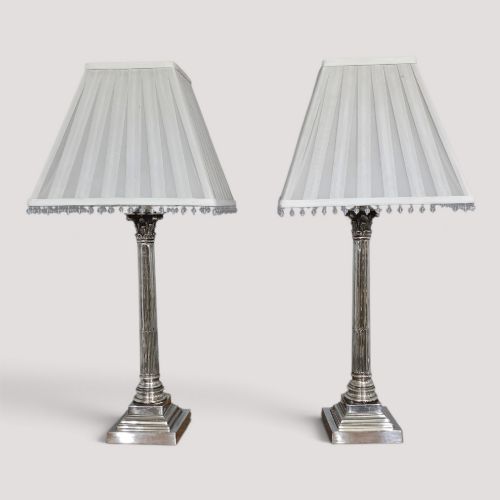
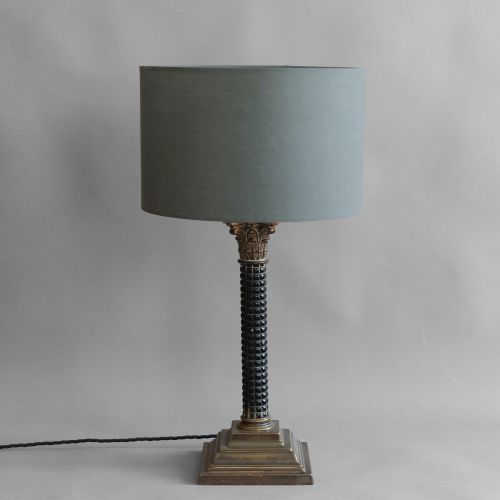
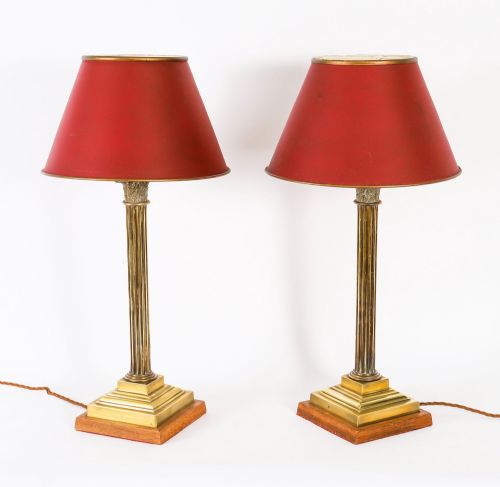
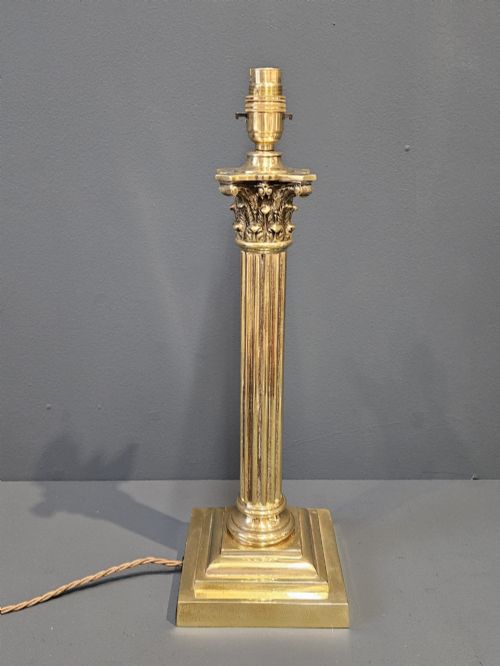
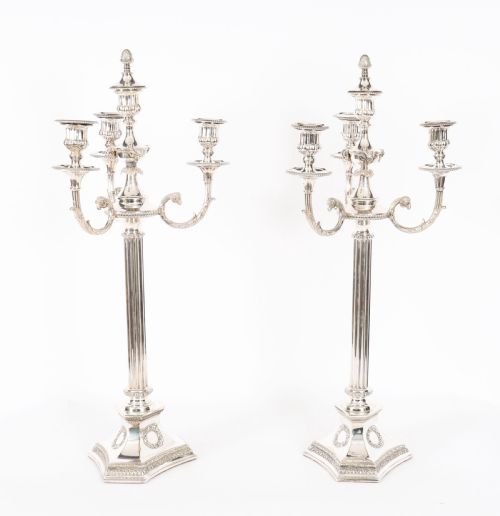
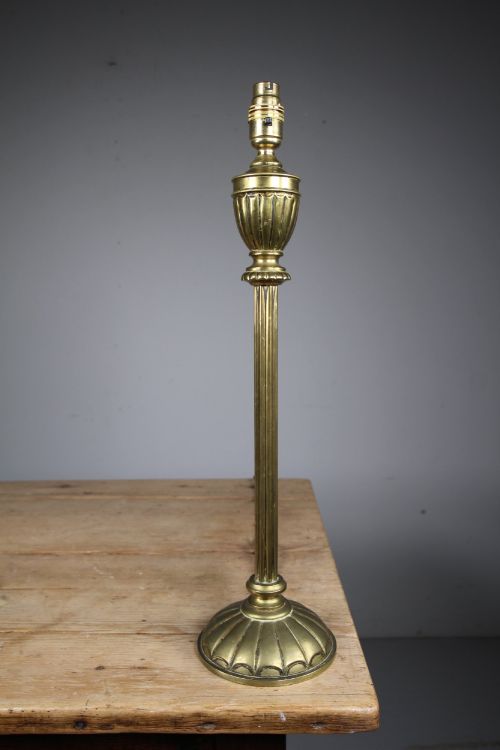
When buyers search for antique column lighting, they encounter a range of upright fixtures rooted in classical architecture, including table lamps, oil lamps, floor lamps, and converted candlesticks. The most frequent examples met on this page are brass and silver-plated Corinthian column table lamps dating from the Victorian and Edwardian periods.
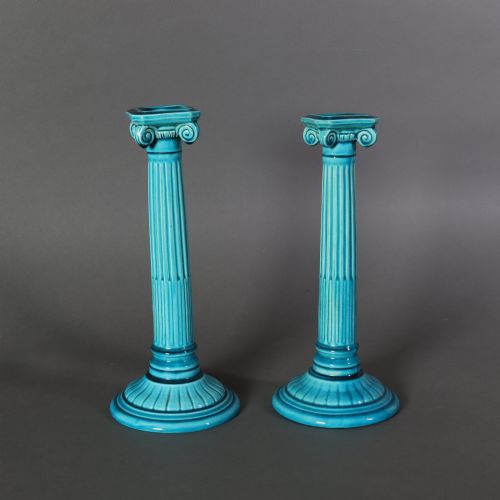
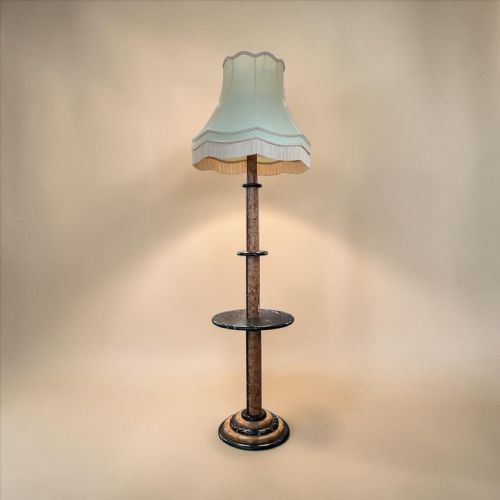
These vertical forms borrow proportions from ancient stone orders, adapting fluted or reeded shafts to hold burners, lamp holders, or candles. Alongside metal columns, the listings encompass marble, onyx, oak, and walnut standards that translate architectural solidity into domestic lighting.
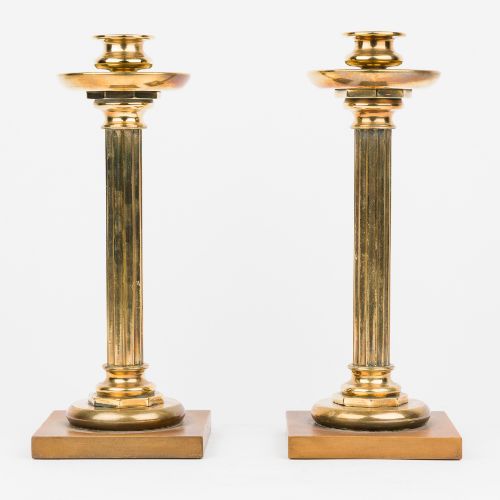
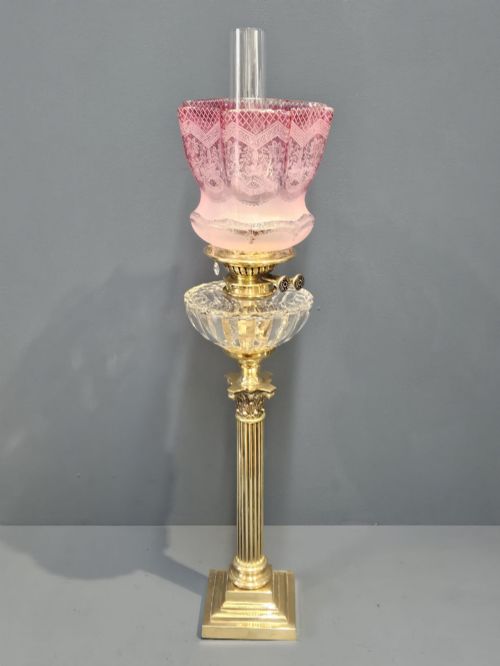
The functional genealogy runs from heavy Georgian and Victorian brass candlesticks through duplex oil lamps with cranberry shades to electrified twentieth-century table and standard lamps. Buyers select these pieces to anchor a room scheme with period weight and proportion.
How they were made
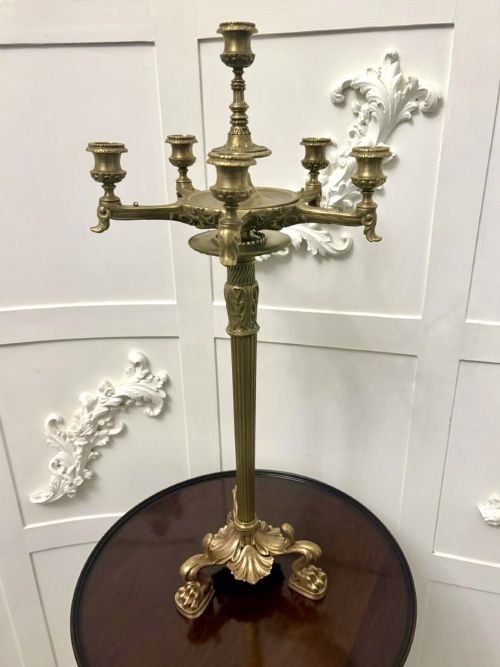
The construction relies heavily on cast and turned brass, silver plate over base metals, and carved hardwoods like oak and walnut. Metal columns are frequently cast in sections, incorporating detailed Corinthian capitals with acanthus leaves above fluted or reeded shafts.
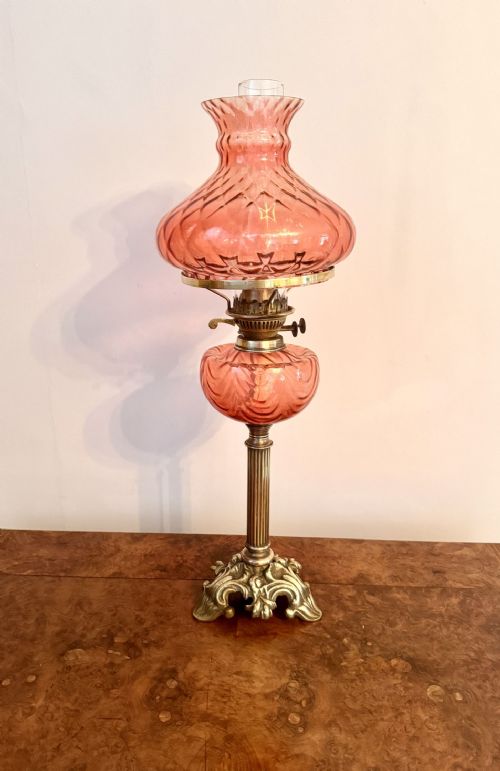
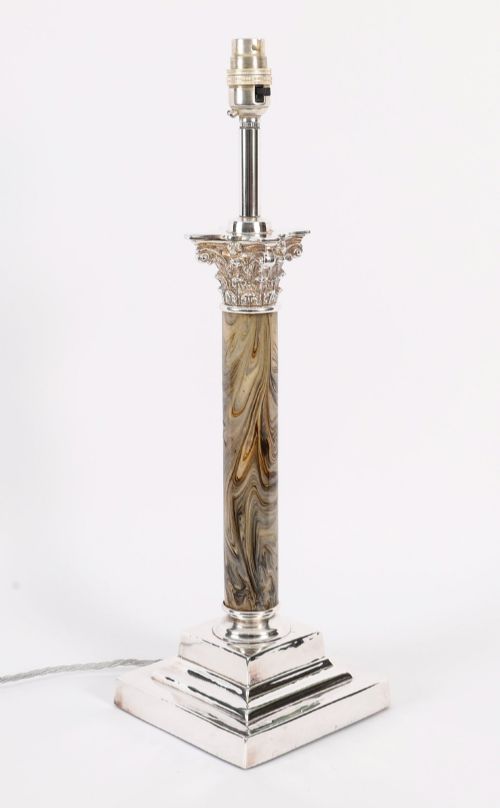
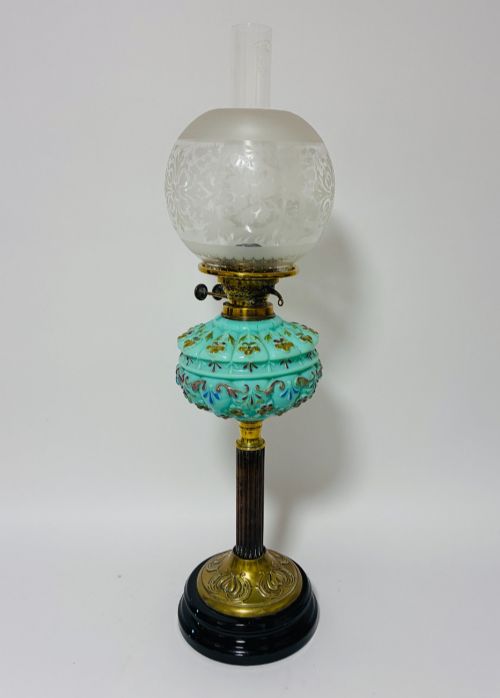
Marble and onyx components provide dense weight at the base and column body, often paired with metal mounts and collars. Oil lamp reservoirs utilise blown or moulded glass, sometimes paired with contrasting coloured shades in cranberry glass.
A nineteenth-century oil lamp shade depicts a quiet snow winter scene beneath a botanical cranberry glass chimney.
What varies in quality
The distinction between standard production and finer examples lies in the crispness of the casting detail on capitals and bases. Sharp acanthus leaf carving and substantial metal weight indicate superior workshops, whereas softer, worn moulding points to mass production.
Materials dictate presence, with heavy solid brass and genuine marble commanding visual authority over lighter plated alternatives. Proportions also matter, as taller, slender shafts require exact balance to sit correctly without top-heaviness.
The Antique Column Lighting Glossary
- Corinthian column
- A classical architectural order featuring an ornate capital decorated with rows of acanthus leaves. This design appears frequently on nineteenth-century metal table lamps.
- Duplex burner
- A double-wick mechanism developed in the nineteenth century to produce a brighter oil flame. It is commonly found on taller Victorian oil lamps.
- Torchiere
- A tall stand or floor lamp designed to direct light upwards. Italian examples often feature carved wooden bases and figurative elements.
- Reeded column
- A shaft decorated with parallel, convex rounded mouldings running vertically. This surface treatment is typical on Victorian brass and silver-plated standards.
- Standard lamp
- A British term for a floor lamp. These tall wooden or metal supports elevate a light source above furniture height.
Antique Column Lighting: Frequently Asked Questions
Are these lamps wired for modern use?
Many pieces arrive freshly rewired for contemporary electrical standards while retaining their original switches and holders where appropriate.
Buyers should inspect the specific listing details to confirm whether a professional rewire has been carried out before installation.
How do I date a brass column lamp?
Dating relies on assessing the manufacturing techniques, base construction, and stylistic revival influences visible in the metalwork.
Victorian pieces often display heavier cast components and registration marks, while later twentieth-century versions show simpler assembly methods.
Can oil lamps be converted to electricity?
Numerous antique oil lamps undergo careful conversion to electricity by routing wiring through the central burner assembly.
This process preserves the decorative glass reservoir and column base while allowing the use of standard bulbs.
Where should I place a floor standard lamp?
Floor standards provide functional height and vertical emphasis in corners, beside reading chairs, or flanking large pieces of furniture.
Their solid marble, oak, or brass bases supply the necessary stability for freestanding placement in a room.