
1920s Art Deco Figure
A 1920s art deco figure captures the kinetic energy and stylised elegance of the interwar period, offering collectors a striking piece of modernist design.
1920s Art Deco Figure
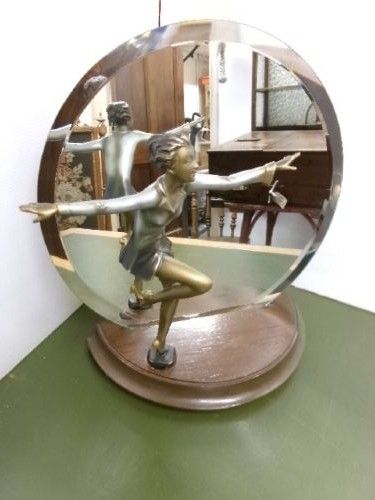
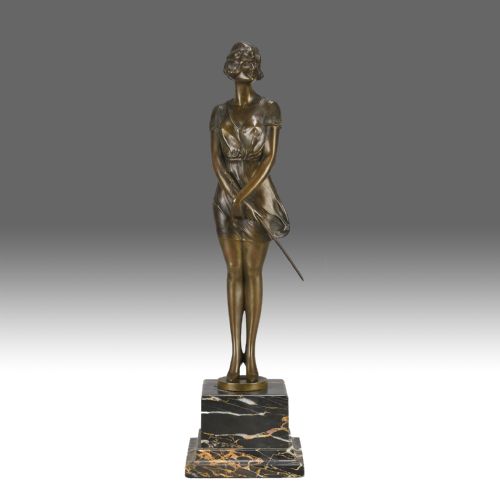
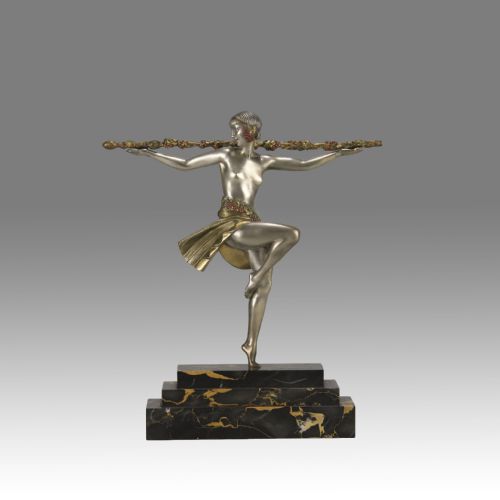
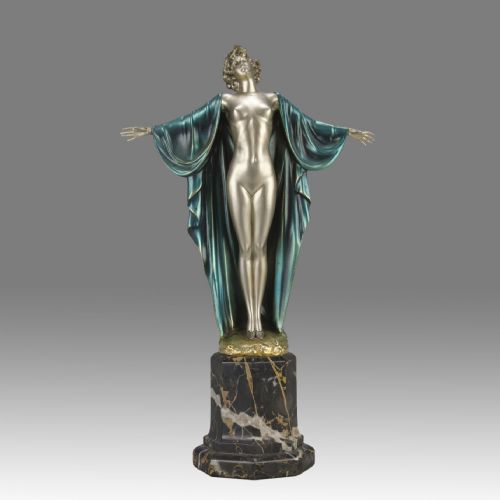
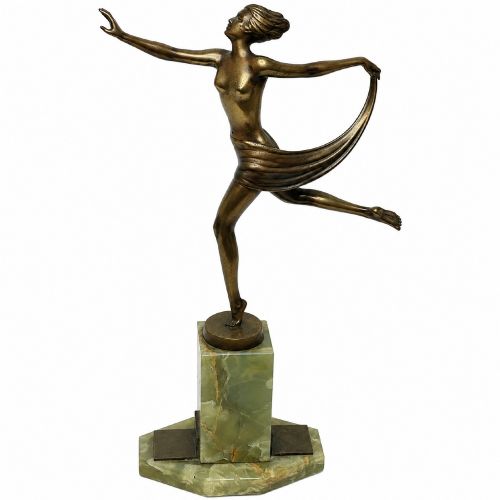
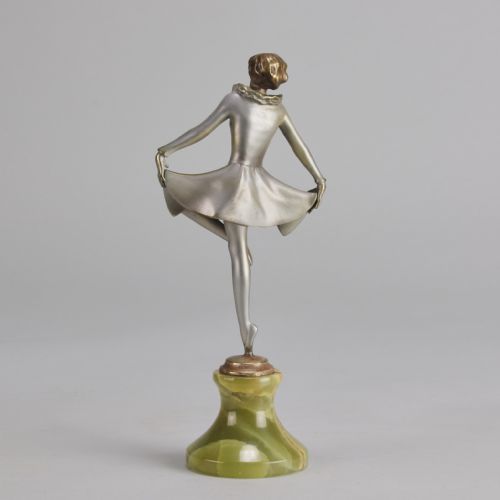
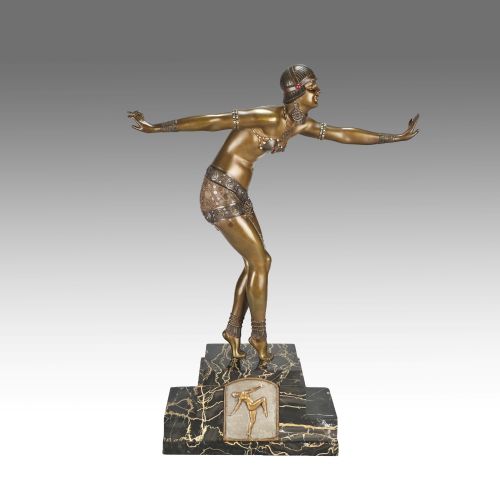
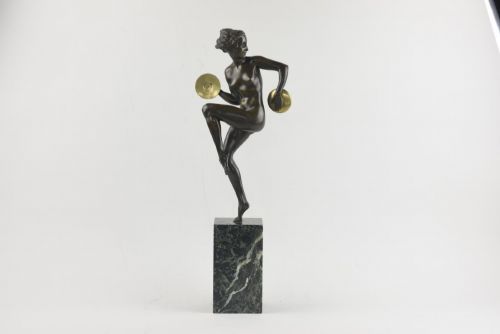
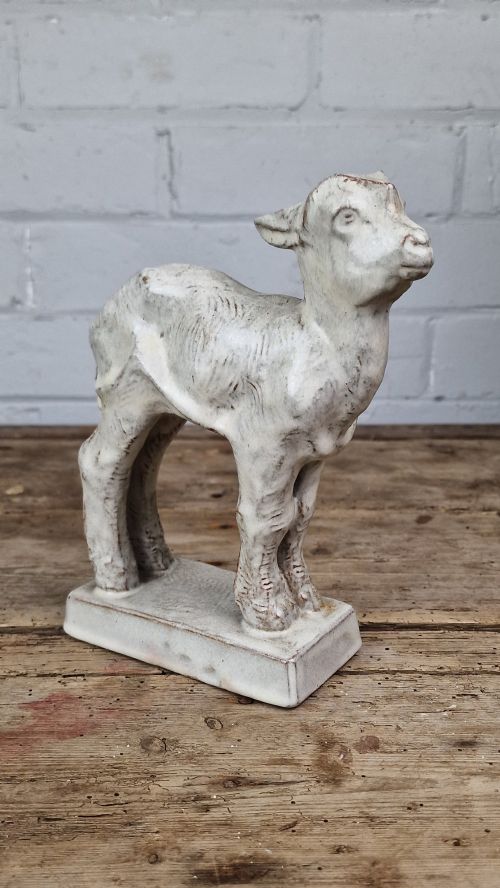
A 1920s art deco figure embodies the aesthetic movements of the 1920 and 1930 periods, focusing predominantly on dancers, athletic youths, and stylised animals. Buyers encounter these forms rendered in materials such as bronze, cold-painted bronze, marble, terracotta, and glass.
The objects span tabletop sculptures, statuettes, and functional items like lamps and ashtrays that incorporate figural elements. Dancers and performers dominate the selection, reflecting the cultural fascination with performance during the era.
Materials and construction methods
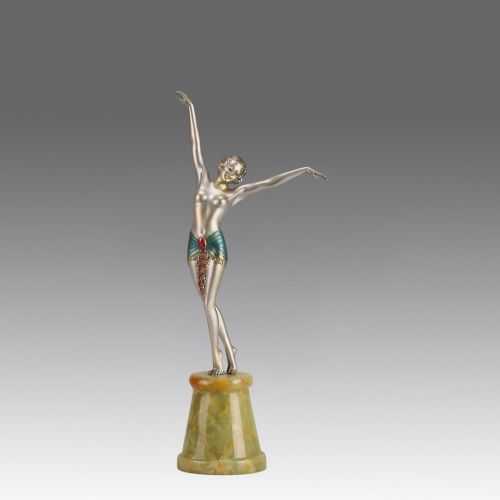
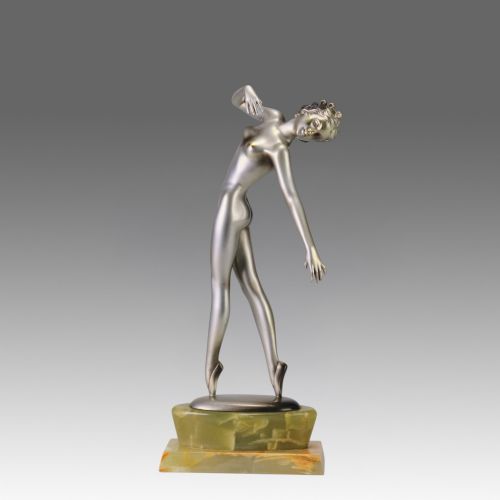
Foundries utilised bronze and spelter as primary metals, frequently applying cold-painted polychrome finishes or gilt surfaces to highlight costume details. Bases often consist of contrasting natural materials like carved marble or onyx to anchor the metal compositions.
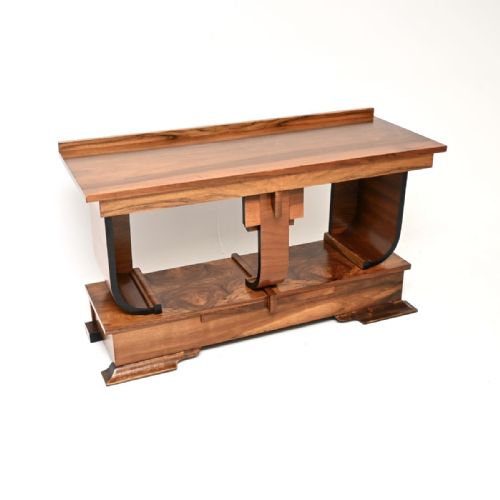
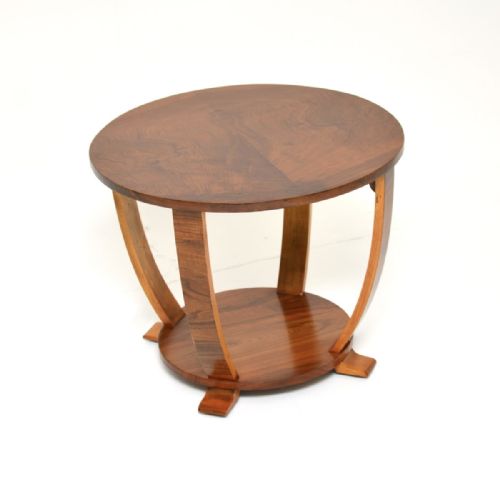
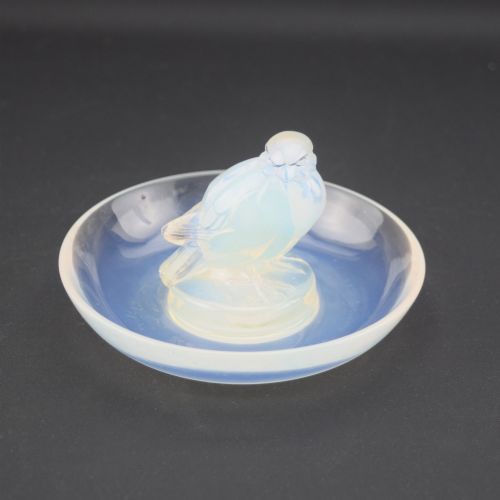
Ceramic and glass works rely on moulded terracotta, porcelain, and opalescent glass, sometimes signed directly by the artist or manufactory. Wood and veneer appear in support elements and associated furniture pieces accompanying the sculptural forms.
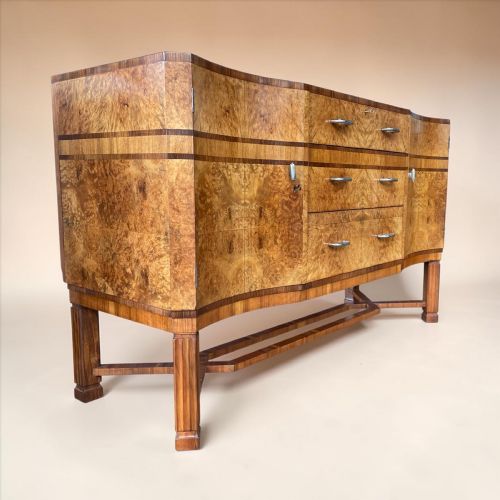
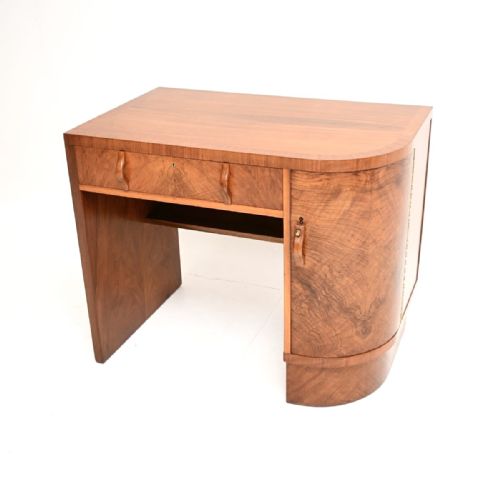
Object types seen across the listings range from sculptures and statuettes to table lamps, desks, and occasional side tables.
Distinguishing craftsmanship and finish
Quality rests in the crispness of the casting and the preservation of the original cold-painted or patinated surface details. Superior pieces display intricate facial expressions, hand-chased drapery, and heavy, stable mounting on solid marble or onyx bases.
The reputation of the modeller and the prestige of the foundry dictate the desirability of the work. Signed examples from documented artists command greater attention than anonymous studio castings.
Bruno Zach·Pierre le Faguays·Ferdinand Preiss·Josef Lorenzl·Demetre Chiparus·Rene Lalique·Charles Vyse
The 1920s Art Deco Figure Glossary
- Cold-painted bronze
- A metal sculpture technique where paint is applied to the unheated bronze surface after casting. This method allows for vivid polychrome garments on dancers and figures.
- Spelter
- An alloy of zinc and lead used as a cheaper alternative to bronze. It was commonly cast into decorative figures during the period.
- Opalescent glass
- Glass containing ingredients that cause it to milky-glow and scatter light into different colours. It is typical of modernist decorative objects.
- Garniture
- A set of ornamental objects designed to be displayed together, often comprising a clock flanked by matching vases or figures.
1920s Art Deco Figure: Frequently Asked Questions
What materials are common?
Bronze, cold-painted bronze, spelter, marble, onyx, terracotta, and opalescent glass form the primary mediums for these works.
Base materials frequently include heavy slabs of multi-coloured marble or dark onyx to provide structural balance.
How were they displayed?
Owners placed these sculptures on mantelpieces, occasional tables, desks, and bespoke cabinetry as focal points of modern interior design.
Many figures were integrated into functional objects such as bookends, table lamps, and smoking accessories.
Are most pieces signed?
Signatures appear frequently on the bronze bases or cast directly into the metal body of works by established artists.
Anonymous pieces remain common, reflecting commercial production for department stores and galleries during the decade.
What subjects are depicted?
Dancers, exotic performers, athletes, and animals such as goats and stags form the core repertoire of subjects.
Human figures lean heavily towards dynamic poses that celebrate movement, athletic prowess, and theatrical costume.