



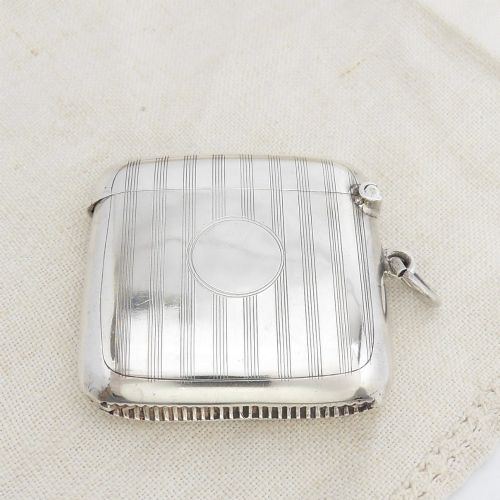


1910s Silver Case
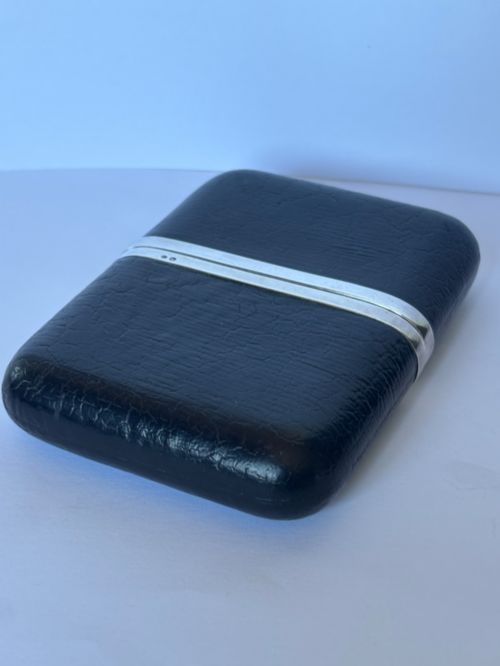
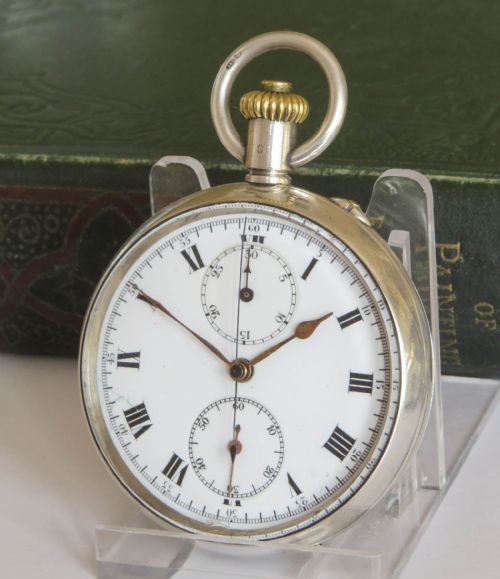
A 1910s silver case represents an era of refined personal accessories, crafted for tobacco storage, pocket watches, and daily use during the Edwardian and George V periods.
1910s Silver Case
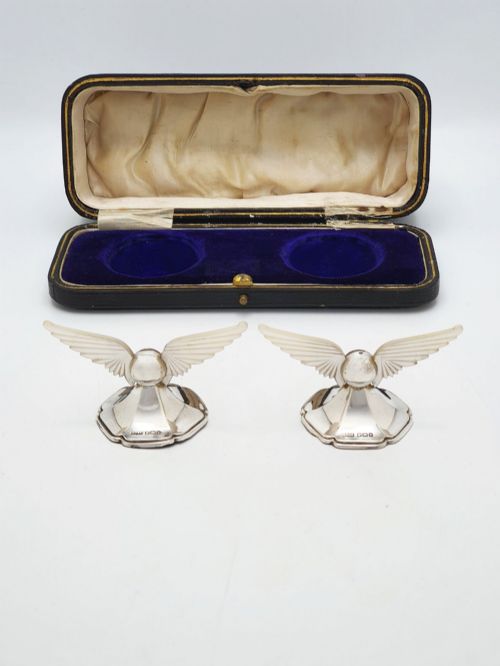
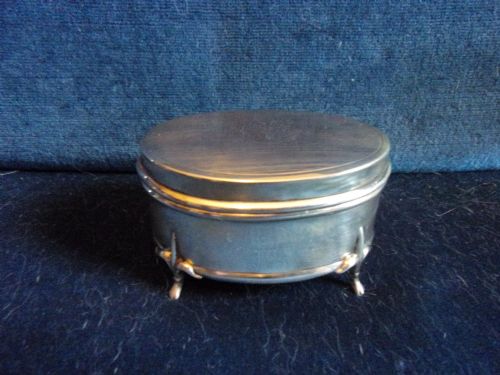
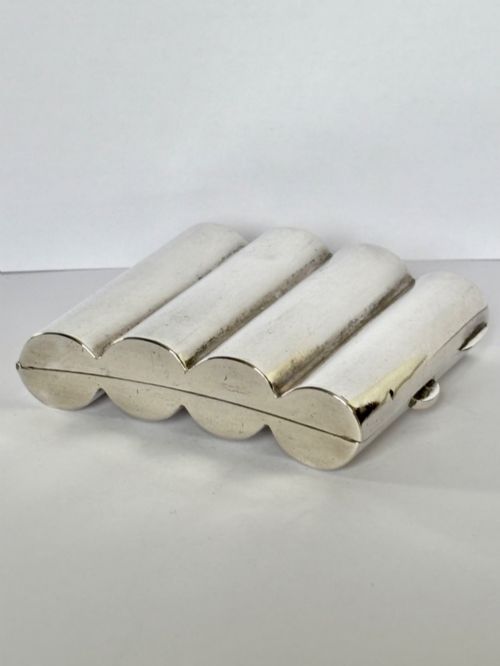
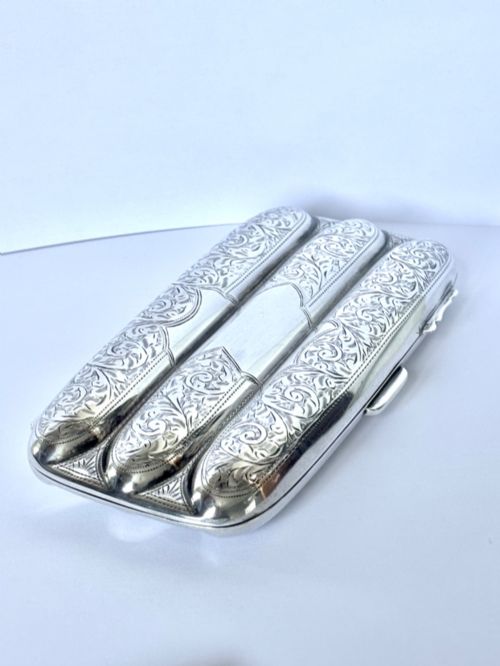
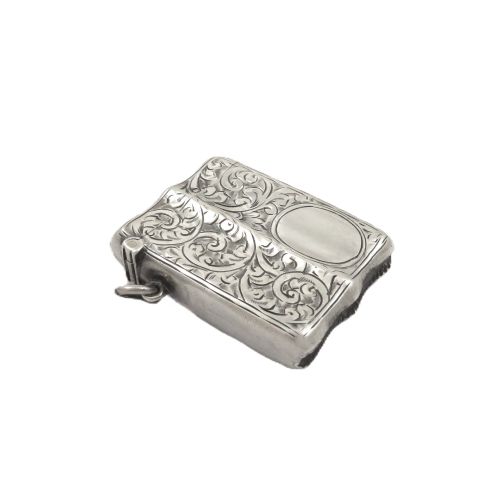
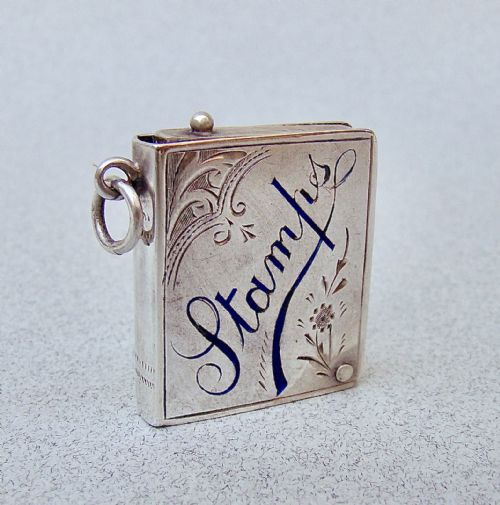
When searching for a 1910s silver case, a buyer enters the world of early twentieth-century portable luxury. These objects encompass vesta cases, cigar and cigarette containers, stamp cases, and compacts from the 1910 and 1920 periods.
The most common versions met on this page are sterling silver vesta cases and tobacco or cigar containers hallmarked in Birmingham. Makers frequently utilised silver gilt, enamel, glass, and leather to enhance utility and appearance.
Edwardian and George V aesthetics dominate these items, reflecting the distinct social habits and smoking cultures of the decade. Each piece serves a specific domestic or personal function, ranging from holding matches to housing postage stamps.
Materials and Construction
Silversmiths constructed these pieces primarily from sterling silver or silver gilt, often combining the metal with black leather, silk, or tortoiseshell. Hallmarks stamped into the silver record the assay office, predominantly Birmingham, alongside specific date letters.
Surface ornamentation involved techniques such as guilloche enamel work, seen on powder compacts and vanity items. Internal compartments utilised hinged lids, fitted glass inserts, and secure clasps designed for daily pocket or handbag carriage.
1910s Silver Case Retail Price Guide 2026
Typical asking prices for 1910s silver case among the pieces listed under this phrase on Sellingantiques today, from the lower quarter to the upper quarter. They describe what is for sale here now, not the wider market.
Listings feature sterling silver, silver gilt, and brass alongside organic materials like leather, silk, tortoiseshell, and amethyst.
Evaluating Quality and Detail
The distinction between standard items and exceptional pieces rests upon the crispness of the hallmarks and the complexity of the maker's output. Pieces bearing the marks of specialised workshops or prominent firms display superior structural integrity in their hinges and clasps.
Decorative application, particularly the survival of intact guilloche enamel or finely chased exterior patterns, dictates the refinement of the object. The integration of contrasting materials like leather, tortoiseshell, or amethyst elevates the craftsmanship beyond utilitarian production.
J H Hillcox·Joseph Gloster Ltd·Carl Heiss Vienna·Crisford and Norris·C T Burrows and Sons
The 1910s Silver Case Glossary
- Sterling silver
- A silver alloy containing 92.5 percent pure silver and 7.5 percent other metals, usually copper. This standard composition ensures durability for items handled daily.
- Vesta case
- A small portable box designed to hold wax matches, commonly featuring a striking surface on the base. These cases were essential pocket items before widespread electrical lighting.
- Silver gilt
- Silver that has been coated with a thin layer of gold on its surface. This technique provides the rich appearance of solid gold while utilising a silver base.
- Guilloche enamel
- A decorative technique where intricate geometric patterns are engraved beneath translucent enamel. It frequently appears on compacts and vanity cases from this era.
- Hallmark
- An official stamp applied to precious metals indicating the standard of purity, the maker, and the year of assay. English pieces typically show town marks like the Birmingham anchor.
1910s Silver Case: Frequently Asked Questions
What is a 1910s silver case used for?
These cases served specific personal functions in daily life, primarily housing matches, cigars, cigarettes, stamps, or powder. Their portable nature allowed gentlemen and ladies to carry personal requisites securely.
Today, collectors utilise them as display objects or repurpose them to hold modern small items like pills or business cards.
How do I identify a 1910s silver case?
Identification relies on reading the hallmarks stamped into the metal, which record the assay office city and a specific date letter for the 1910 or 1920 periods. Stylistic cues such as Edwardian proportions and George V motifs also point toward this decade.
Examining the materials, including sterling silver, enamel, and leather combinations, confirms the era of manufacture.
Where were these silver cases made?
Many of the pieces on this page originated in English workshops, with Birmingham serving as a primary hub for silver assaying and manufacturing. Other items stem from continental European makers, including Austrian silversmiths working in Vienna.
Makers registered their specific sponsors' marks with assay offices to guarantee the purity of the metal.
How should I care for a silver case?
Preserving the metal requires gentle cleaning with a soft microfiber cloth designed for silver to remove tarnishing without wearing away thin details or hallmarks. Avoid abrasive polishes, particularly on pieces featuring enamel, leather, or tortoiseshell inserts.
Store the case in a dry environment away from direct sunlight to protect organic components like silk linings and leather wraps.