

1910s Jewellery
Selecting 1910s antique jewellery brings together Edwardian elegance, diamond rings and platinum mountings crafted during a transformative decade of design.
1910s Jewellery
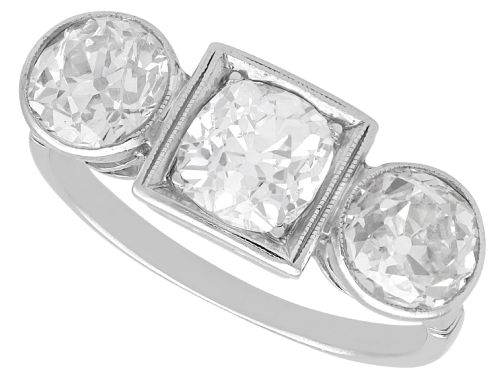
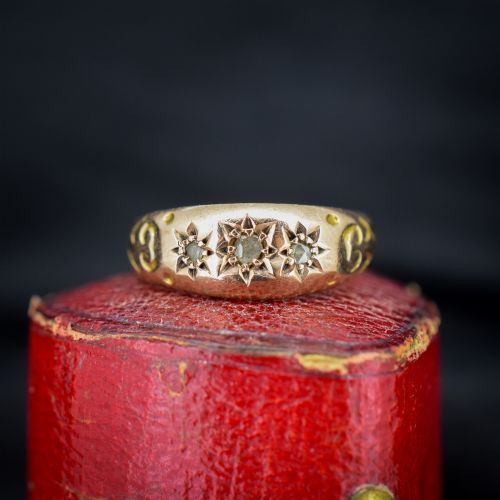
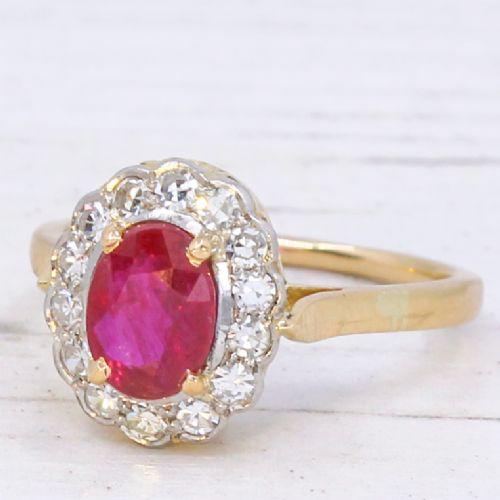
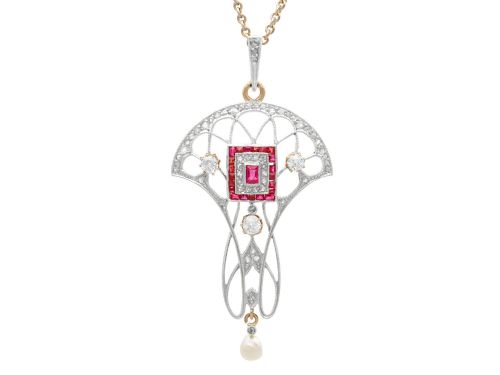
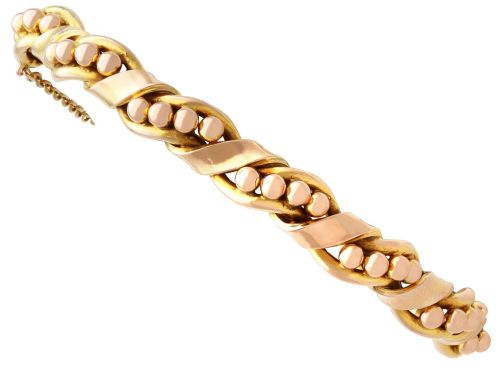
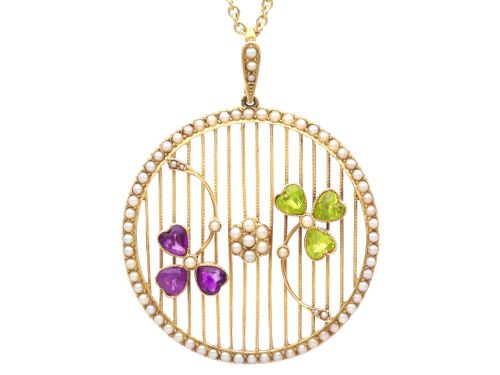
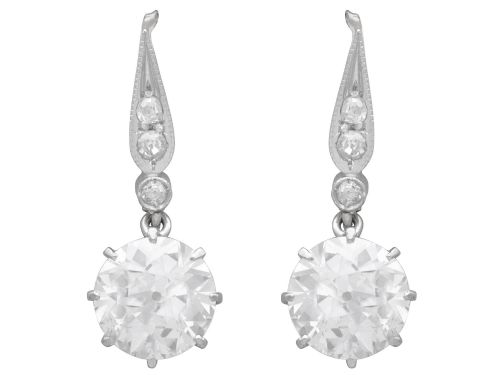
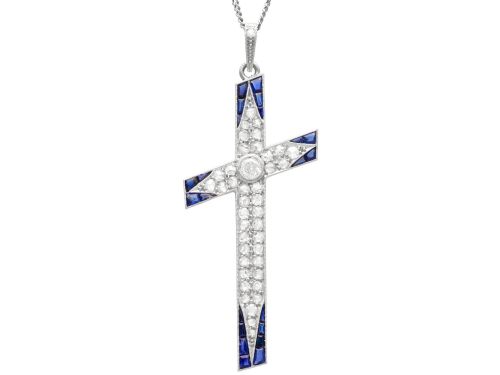
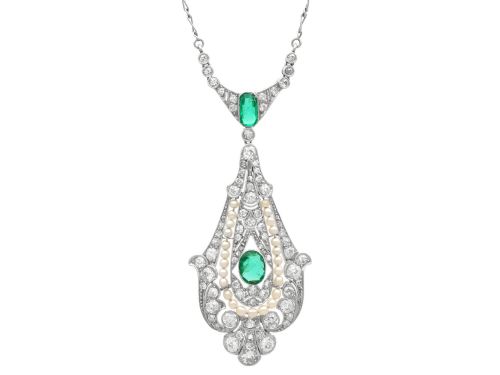
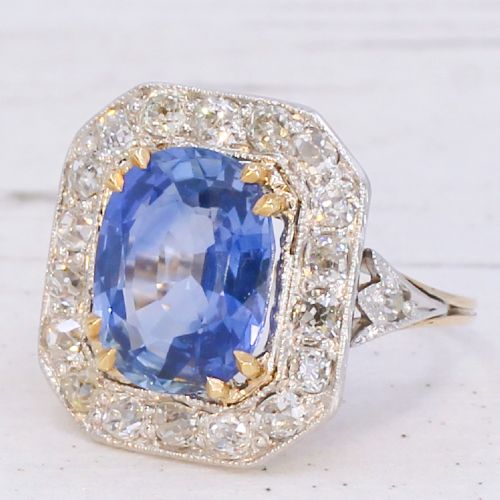
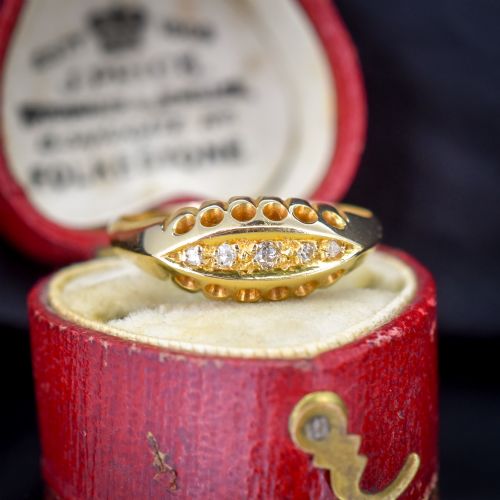
When searching for 1910s antique jewellery, collectors encounter pieces spanning rings, pendants, necklaces, earrings, brooches and bracelets from the Edwardian period and the early years of the First World War. The selection frequently includes diamond five-stone boat rings, cluster rings, lavalier necklaces and platinum-set pendants featuring precious gemstones.
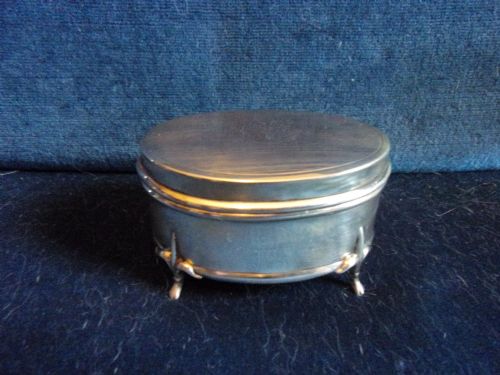
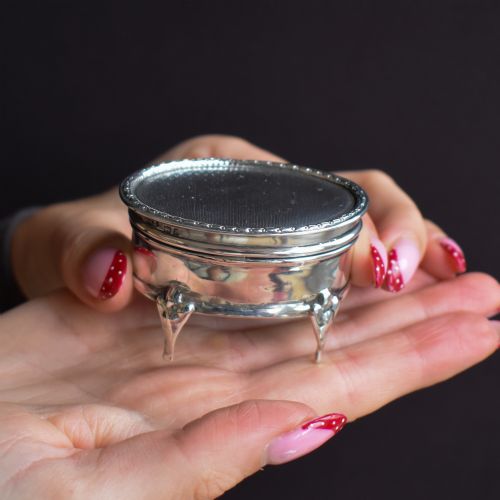
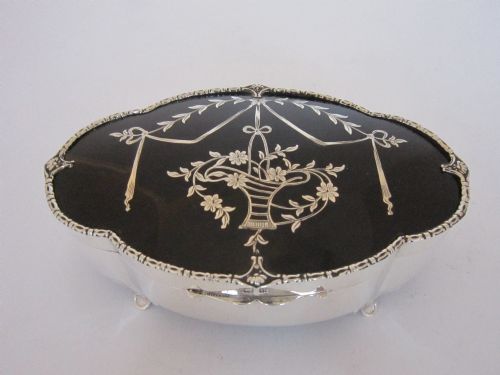
The objects originate from a time that bridges traditional Edwardian craftsmanship and the emerging geometric lines of Art Deco and Arts and Crafts styles. Buyers will find sterling silver trinket boxes alongside wearable ornaments in gold, platinum and silver.
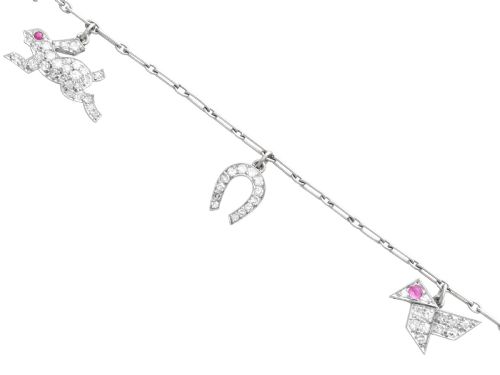
Common forms on this page include bar brooches, cuff links, charm bracelets and drop earrings, often dated precisely between nineteen-ten and nineteen-nineteen. Pieces reflect the stylistic shifts of George V alongside organic motifs typical of the earlier Edwardian era.
Materials and Technique
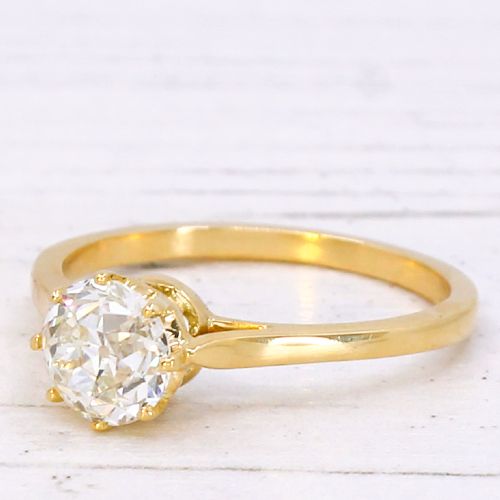
Goldsmiths and silversmiths utilised platinum alongside yellow gold, white gold and rose gold to mount diamonds, sapphires, rubies, emeralds and amethysts. Platinum allowed workshops to create delicate, strong settings that maximised the brilliance of old cut diamonds.
Techniques relied on hand-fabrication, intricate scrollwork, millegrain edges and basket settings to secure gemstones such as opals, seed pearls, peridots and tsavorites. Enamel work also appears on silver pieces, demonstrating varied surface decoration during the era.
1910s Jewellery Retail Price Guide 2026
Typical asking prices for 1910s jewellery among the pieces listed under this phrase on Sellingantiques today, from the lower quarter to the upper quarter. They describe what is for sale here now, not the wider market.
Listings feature platinum, yellow gold and white gold combined with diamonds, sapphires, rubies, emeralds, amethysts, opals and seed pearls across the nineteen-tens.
Assessing Quality
Quality rests upon the purity of the metalwork, the precision of the stone setting and the integrity of the gemstones. Superior examples display well-matched natural stones, such as unheated sapphires or Colombian emeralds, paired with high-clarity old cut diamonds.
The finesse of the hand-carved galleries, scroll designs and millegrain detailing distinguishes finer workshop output from standard production. Preservation of the original mounts and minimal wear to the precious metals further elevate an item.
The 1910s Jewellery Glossary
- Old Cut
- A diamond cut style characterised by a smaller table, higher crown and open culet, typical of stones set in this era.
- Millegrain
- A decorative technique featuring a row of tiny raised metal beads along the edges of a setting.
- Boat Ring
- A ring style with a curved, boat-shaped face that traditionally holds a graduated row of stones.
- Lavalier
- A pendant necklace featuring a suspended gemstone or drop ornament, popular during the Edwardian period.
- Navette
- A boat-shaped gemstone cut or ring mounting, also known as a marquise shape.
1910s Jewellery: Frequently Asked Questions
What defines 1910s antique jewellery?
These pieces originate from the second decade of the twentieth century, encompassing late Edwardian designs and early George V styles. They are characterised by old cut diamonds, platinum settings and coloured gemstones.
Craftsmanship from this era bridges organic floral motifs and the structured geometry that later formed Art Deco. Common items include cluster rings, lavalier pendants and charm bracelets.
How do I care for Edwardian jewellery?
Gentle cleaning with warm soapy water and a soft brush maintains the sparkle of the gemstones and the integrity of the metal. Avoid harsh chemical dips, particularly for delicate materials like pearls and opals.
Store pieces separately in lined boxes to prevent platinum and gold mountings from scratching. Regular inspection of the claw settings by a professional jeweller ensures stones remain secure.
Are these pieces suitable for daily wear?
Many items, such as gold engagement rings and robust platinum mounts, endure daily use when handled with care. Delicate components like seed pearls or fine lavalier necklaces require more mindful wearing habits.
Checking the security of old cut diamonds and antique claws periodically allows collectors to enjoy wearing their items safely. Proper maintenance preserves the historic structure of the jewellery.
How are different periods identified?
Stylistic cues such as platinum lace-work, millegrain borders and the use of yellow gold point toward Edwardian and early 1910s origins. Maker marks, hallmarks and specific dates stamped inside bands provide concrete chronological evidence.
The transition from flowing Arts and Crafts designs to structured geometric arrangements helps separate items made near nineteen-ten from those created closer to nineteen-twenty.