


1908 Sterling Silver
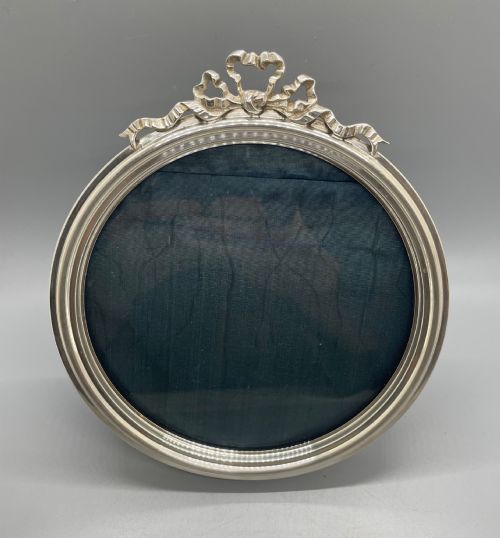
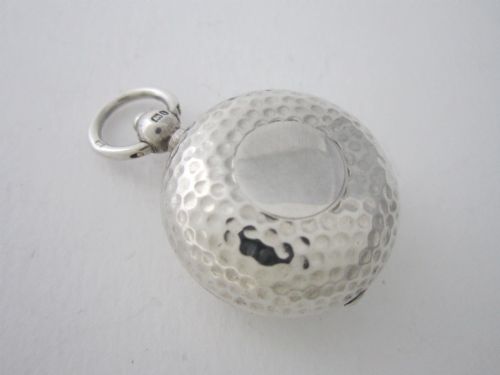
When seeking 1908 sterling silver, collectors discover a remarkable array of Edwardian tablewares, novelty pin cushions, and personal accessories shaped by classicism and craft.
1908 Sterling Silver
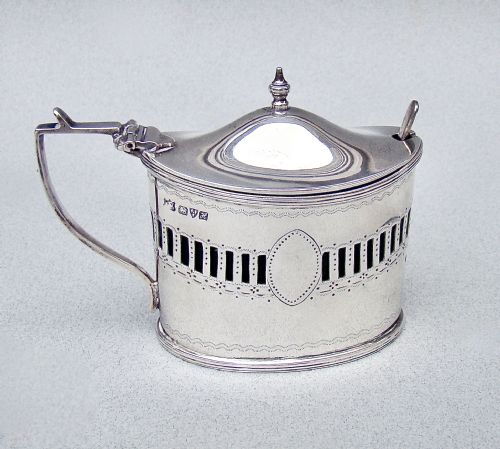
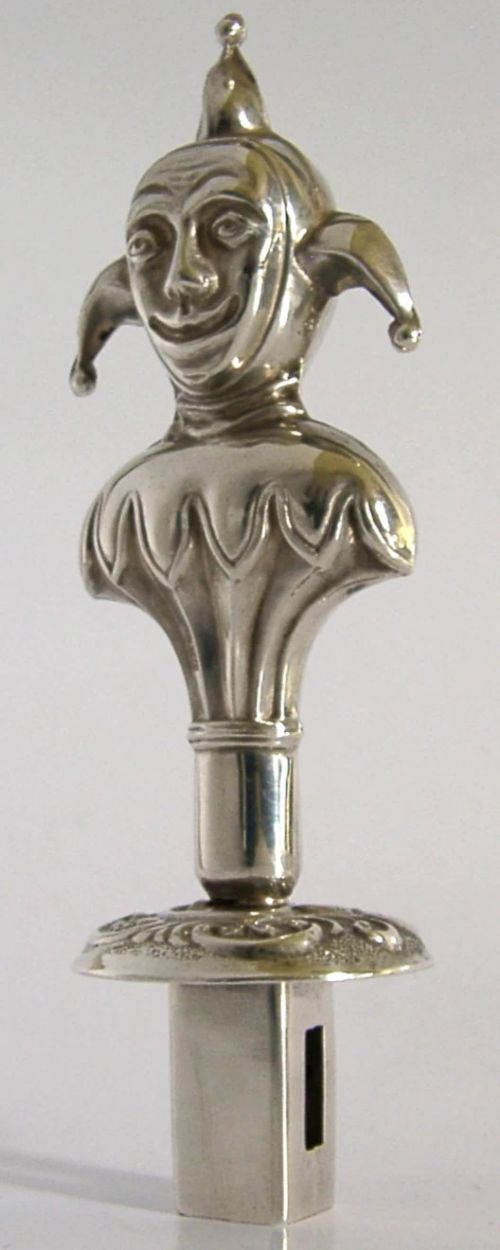
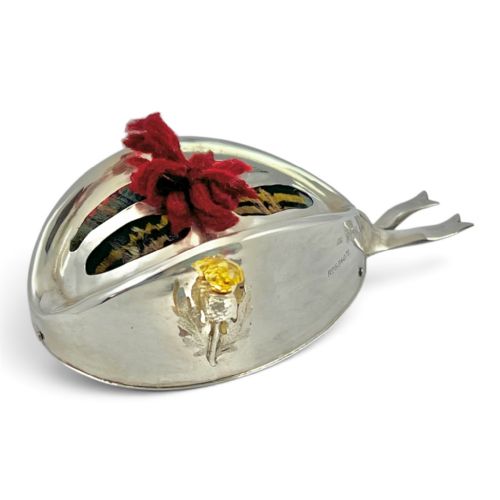
The objects bearing this specific date stamp belong firmly to the Edwardian period, capturing an era of refined domestic display and inventive small silver. Pieces on this page span diverse functional categories, from dining table centerpieces and condiment pots to whimsical novelty pin cushions in the form of birds and shoes.
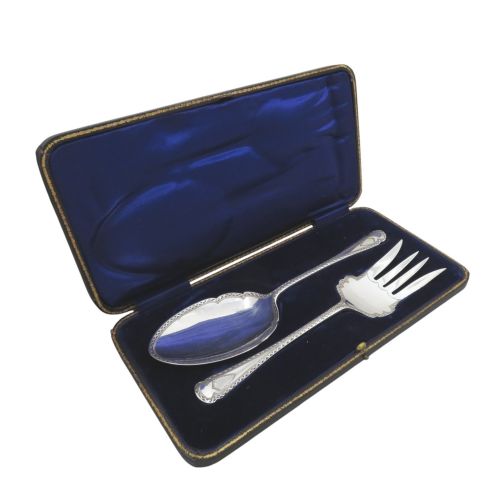
Buyers encountering this date will find both utilitarian dining accompaniments, such as mustard pots and serving spoons, and desk accessories like inkstands and wax seal holders. The aesthetic leans toward the graceful restraint of Georgian Revival alongside organic floral motifs associated with Art Nouveau and the honest construction of the Arts and Crafts movement.
Materials and construction methods
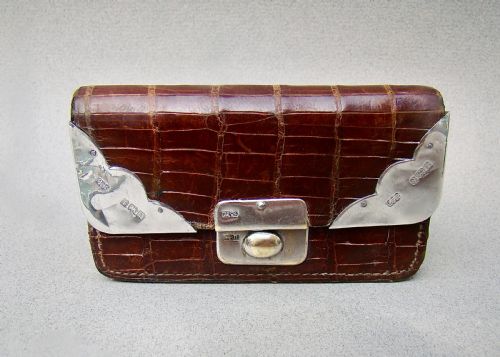
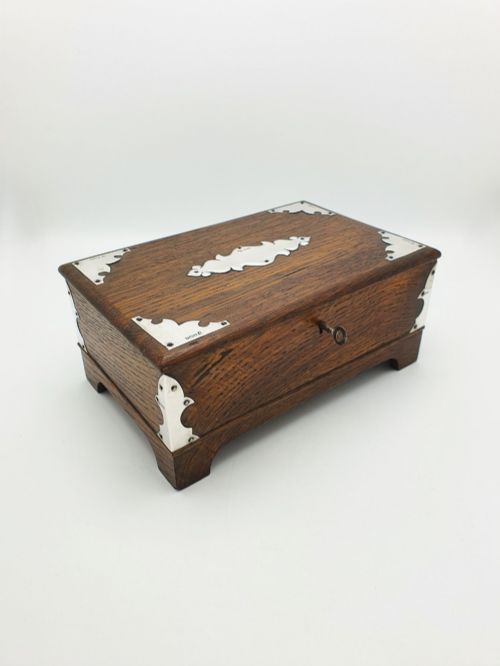
Silversmiths utilised sterling silver alongside supportive materials including oak for cigar boxes, glass for pepper grinders, and crocodile skin for compact purses. Velvet, fabric, and wool frequently pad the interiors of trinket boxes and the bases of figural pin cushions.
Techniques combined traditional hollowware hammering and casting with fine chasing, piercing, and surface enamelling. Mounts were securely fastened to organic substrates such as horn, wood, and leather through meticulous pin and hinge work.
Factors defining superior examples
Quality rests significantly upon the crispness of the original hallmarks and the depth of the chased or engraved detail. Highly articulated animal forms and complex figural novelty pieces demonstrate superior silversmithing skill compared to mass-produced domestic wares.
The integrity of the structural joints, the weight of the metal relative to the object size, and the survival of original fitted cases or interior linings elevate certain items above standard production.
Charles Penny Brown·Alfred Marston·Henry Matthews·Joseph Rodgers·Sampson Mordan and Co·A E Jones
The 1908 Sterling Silver Glossary
- Sterling silver
- An alloy consisting of 92.5 percent silver by mass, combined with other metals to increase durability. This standard metal purity underpins British assay office hallmarking.
- Hallmark
- A series of official marks stamped onto items to certify the metal standard, the assay office of origin, and the year of manufacture. For this category, the date letter corresponds to the year nineteen hundred and eight.
- Novelty silver
- Small functional objects cast or shaped into amusing, non-traditional forms such as animals, figures, or inanimate items. These whimsical pieces were exceptionally popular for desk and dressing table use.
- Caddy spoon
- A short-handled spoon specifically designed for measuring loose tea leaves from a storage caddy. They often feature decorative figural or shell-shaped bowls.
- Assay office
- A statutory body charged with testing the purity of precious metals and applying official hallmarks. Towns such as Birmingham, Chester, Sheffield, and London maintained active offices during this period.
1908 Sterling Silver: Frequently Asked Questions
How do I identify a 1908 hallmark?
British silver bears a structured set of punches denoting the maker, the standard mark, the town of assay, and a specific date letter. For pieces from this year, the standard lion passant combines with the assay office symbol and the designated annual letter stamp.
Examining these tiny impressions with a jeweler's loupe reveals the precise provenance. Reference assay office charts to match the exact letter font and shield shape to the correct twelve-month period.
What were novelty pin cushions used for?
Edwardian dressing tables featured miniature silver creatures and objects fitted with velvet pads to hold sewing pins. Wealthy households collected these charming items as decorative conversation pieces and practical sewing aids.
Makers cast intricate birds, shoes, and domestic animals to house the fabric cushions. Today, collectors prize the survival of the original velvet insert and the sharpness of the figural casting.
How should I clean antique silver?
Maintaining sterling silver requires gentle washing in warm, soapy water with a soft cloth to remove surface dust. Avoid abrasive dips or harsh commercial pastes that strip away the subtle patination built up over a century.
Store pieces away from direct sunlight and damp environments to prevent tarnishing. Handling items with cotton gloves during inspection protects the delicate chased surfaces from natural skin oils.
What is the difference between Arts and Crafts and Art Nouveau silver?
Arts and Crafts silver emphasises honest hand-beaten textures, exposed riveted construction, and traditional guild craftsmanship. The aesthetic focuses on structural utility and simple, unpretentious ornamentation.
Art Nouveau pieces embrace flowing, asymmetrical plant motifs and whiplash lines inspired by natural forms. Enamel work and curved, sinuous silhouettes dominate these fluid, decorative designs.