




1903 Silver Hallmarks
These pieces bearing 1903 silver hallmarks capture the refined domestic craftsmanship of the Edwardian era.
1903 Silver Hallmarks
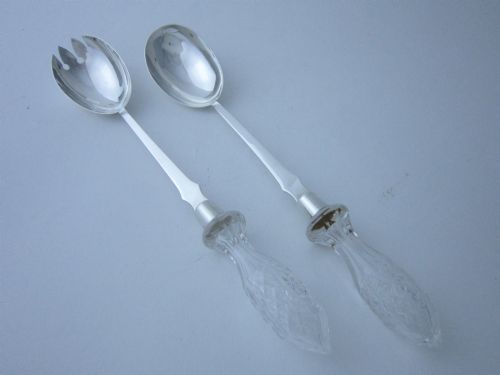
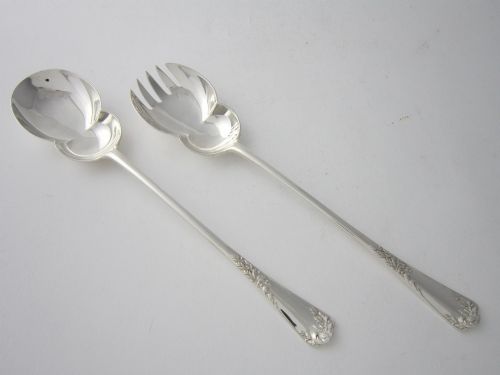
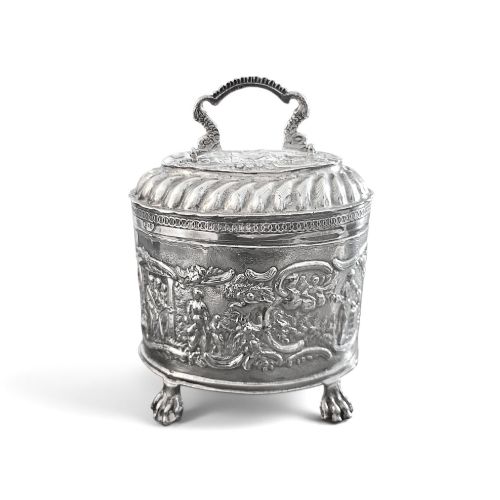
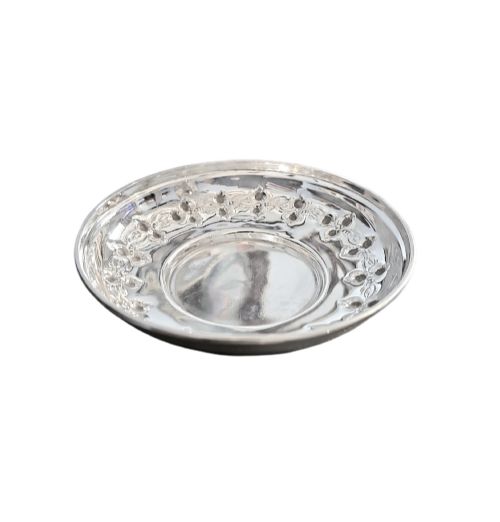
Items carrying 1903 silver hallmarks belong primarily to the Edwardian period, spanning tablewares, desk accessories, and dressing table items. A buyer searching for 1903 silver hallmarks encounters objects that range from functional dining pieces to personal decorative items.
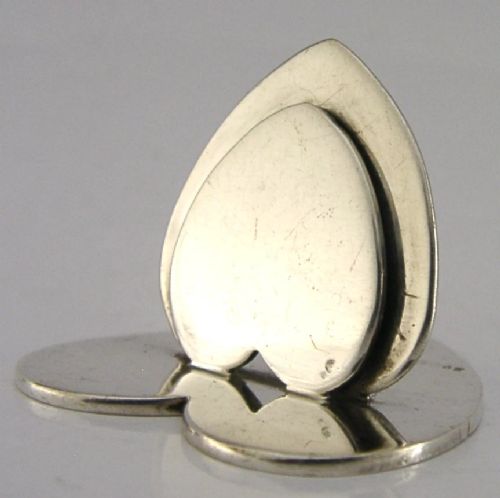
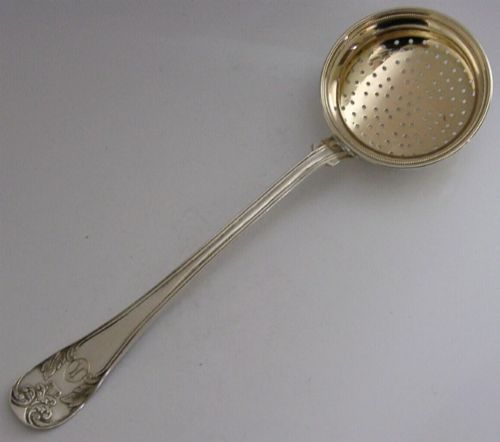
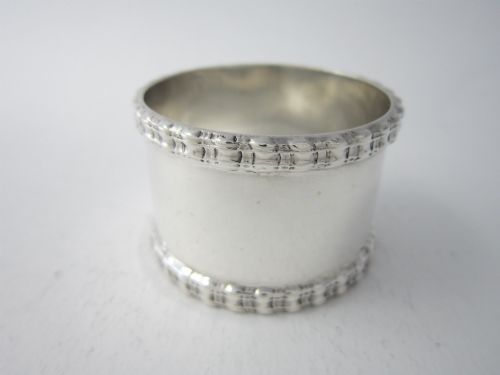
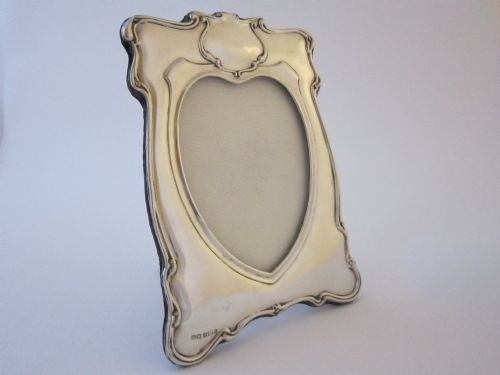
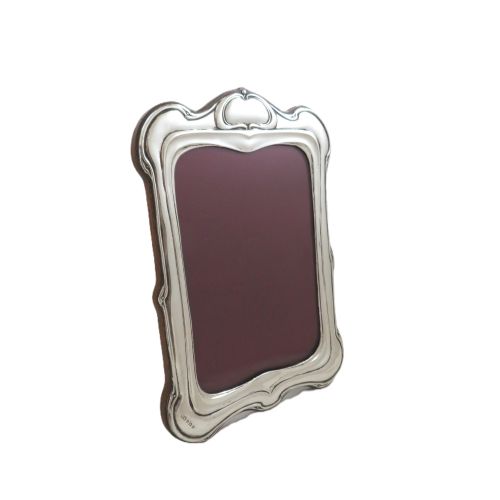
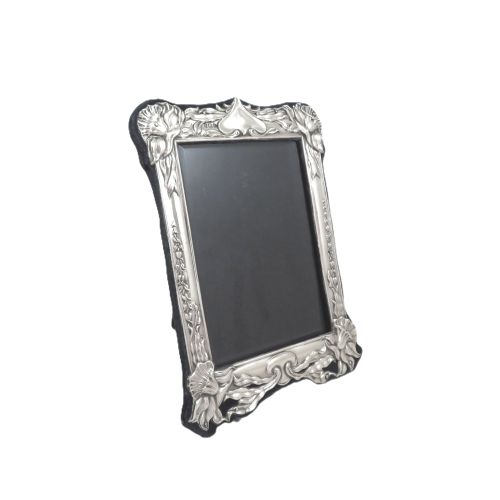
The most common forms on this page include sterling silver photograph frames, glass decanters with silver mounts, and small tableware such as napkin rings and sugar sifters. These domestic pieces reflect the social habits of the early twentieth century.
Makers and silversmiths active in this specific year utilised established British assay offices, ensuring every piece carries clear markers of its origin. Collectors find both plain utilitarian objects and more ornate decorative pieces from this date.
Materials and construction
The primary material is sterling silver, frequently paired with cut glass, cranberry glass, wood, and velvet. Silversmiths of the era combined metalwork with glassblowing and woodwork to create fitted items like inkstands, scent bottles, and jewellery boxes.
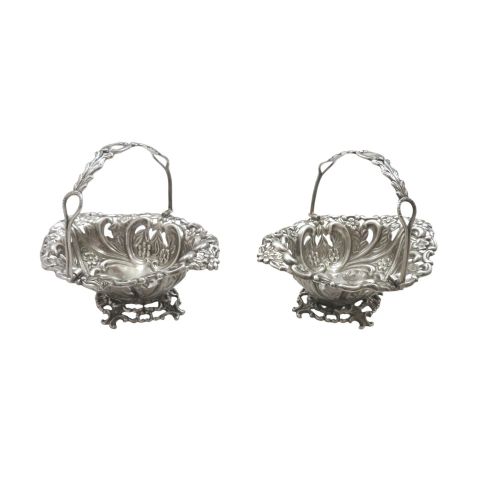
Techniques such as repoussé and casting define the decorative elements seen on frames and mirrors, often displaying Art Nouveau motifs or Edwardian Rococo revival styles. Silver gilt and vermeil finishes provide contrasting metallic textures on specific spoons and interior mounts.
1903 Silver Hallmarks Retail Price Guide 2026
Typical asking prices for 1903 silver hallmarks among the pieces listed under this phrase on Sellingantiques today, from the lower quarter to the upper quarter. They describe what is for sale here now, not the wider market.
Travelling medical kits from this era packed miniature silver-capped bottles for the Victorian gentleman's sudden indispositions.
Assessing quality and execution
Quality in these silver pieces rests upon the weight of the metal and the crispness of the hallmark stamp. Substantial gauge silver and clear, legible assay marks separate superior domestic items from lighter production.
The integration of secondary materials like cut glass or tortoiseshell demonstrates the maker's skill. Finer examples maintain structural integrity in hinges, linings, and mounts alongside well-preserved surface ornamentation.
Henry Matthews
The 1903 Silver Hallmarks Glossary
- Hallmark
- Official marks stamped onto silver to guarantee the purity of the metal, the assay office, and the year of production. The 1903 date letter allows precise dating of the item.
- Sterling silver
- An alloy consisting of ninety-two point five percent silver and seven point five percent other metals, typically copper. This standard composition was rigorously enforced by British assay offices.
- Art Nouveau
- A stylistic movement characterised by flowing, organic lines and floral motifs. It heavily influences the photo frames and jewellery boxes from this period.
- Silver gilt
- Sterling silver that has been coated with a thin layer of gold on the surface. This technique was frequently used for interior components and serving spoons.
- Assay office
- A body charged with testing the purity of precious metals and applying official stamps. Offices in cities such as Birmingham, London, and Chester operated during this period.
1903 Silver Hallmarks: Frequently Asked Questions
How do I identify a 1903 hallmark?
Look for the specific date letter stamp assigned by the assay office for that year, which sits alongside the lion passant and the maker's mark.
These tiny stamped symbols verify the metallic purity and give the exact year the item was tested and finished.
What items were commonly made in 1903?
Silversmiths produced a wide array of domestic goods, ranging from photograph frames and travelling medical kits to decanters and napkin rings.
Desk accessories like inkstands and dressing table items such as pin dishes were also standard productions of the period.
How should I clean silver with glass or wood components?
Keep silver polish away from non-metal parts such as wooden bases, velvet linings, and glass inserts to prevent staining or degradation.
Use a soft cloth and a gentle cleaning agent specifically formulated for sterling silver on the metal surfaces alone.
Can I use Edwardian silver decanters daily?
Many cut glass decanters with silver mounts remain entirely functional for serving wine or spirits during gatherings.
Hand washing the glass and gentle polishing of the silver collar preserves the materials for regular domestic use.