



Antique Medical Collectibles
These antique medical collectibles span centuries of practical healing, offering tangible history in sterling silver, turned wood and apothecary glass.

Antique Medical Collectibles
When you search for antique medical collectibles, you encounter a specialised range of objects spanning the Georgian, Victorian and Edwardian periods. The selection includes everything from pocket medicine spoons and travelling kits to surgical instruments and apothecary equipment.
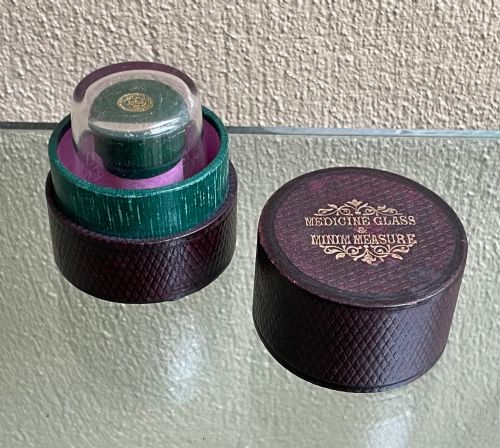
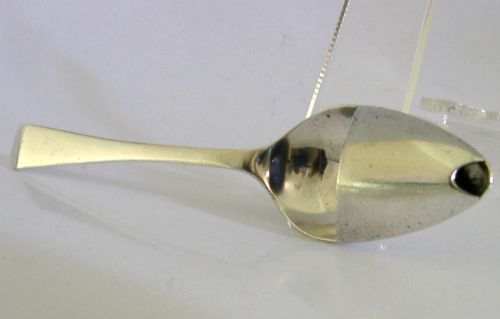
You are most likely to meet silver medicine spoons and wooden stethoscopes on this page, alongside boxwood pill rounders and glass measures. These items represent the daily tools of doctors, surgeons and apothecaries from past centuries.
The pieces encompass various styles such as William IV, Victorian and Art Deco, reflecting the changing aesthetic standards applied to utilitarian medical instruments. Each object retains the specific functional design required by the practitioners who used them.
Materials and construction
Makers utilised sterling silver and vermeil for portable items like medicine spoons and travelling kits, ensuring durability and hygiene. Steel and turned hardwood form the basis of surgical saws, stethoscopes and pill rounders.
Apothecary glass and sturdy oak or leather provide protective housing and measurement accuracy for fragile implements. Ebony handles and boxwood components demonstrate the precise turning techniques common in nineteenth-century workshop production.
Antique Medical Collectibles Retail Price Guide 2026
Typical asking prices for medical collectibles among the pieces listed under this phrase on Sellingantiques today, from the lower quarter to the upper quarter. They describe what is for sale here now, not the wider market.
Assessing quality and finish
Quality reveals itself in the crispness of maker marks, the snugness of fitted leather cases and the precision of turned wood. Superior examples retain their original components, such as matching glass inserts and undamaged silver bowls.
The degree of specialisation and maker attribution elevates certain surgical and apothecary tools above standard domestic items. Finer pieces show careful attention to functional ergonomics, balanced weight and clean finishing on steel blades and silver handles.
Taylor & Perry·Maw·Gardner Edinburgh
The Antique Medical Collectibles Glossary
- Fleam
- A surgical instrument used for blood letting, typically featuring multiple folding blades. It was pressed or tapped into a vein to release blood.
- Tonsillotome
- A specialised surgical tool designed for tonsillectomy procedures, often incorporating a guillotine action. Mackenzie and other makers produced distinct variations.
- Apothecary
- A practitioner who prepared and prescribed medicine before the modern division of medical professions. Their shops utilised specialised glassware and pill rounders.
- Treen
- Small handmade wooden objects produced by turning on a lathe. Stethoscopes and pill rounders frequently display this traditional craftsmanship.
- Vermeil
- Sterling silver plated with a thin layer of gold. This finish offered a decorative and hygienic surface for high-end medical spoons and small instruments.
Antique Medical Collectibles: Frequently Asked Questions
What were medicine spoons used for?
Medicine spoons allowed doctors and patients to measure liquid doses accurately before standard pharmaceutical dispensing became common. They often featured specific bowl shapes and hallmarks indicating their silver standard.
Many included folding handles or travelling cases so practitioners could carry them safely on house calls.
How do I care for antique medical instruments?
Keep silver and steel items in stable, dry environments to prevent tarnishing and active corrosion. Avoid harsh chemical polishes that can remove original patinas and maker stamps.
Leather cases benefit from occasional light conditioning to maintain flexibility without softening the historical material.
How can I date a wooden stethoscope?
Dating relies on the turned profile, timber species used and any accompanying provenance or maker signatures. Earlier nineteenth-century examples often employ boxwood or hardwood with simpler acoustic bell designs.
Later Victorian versions display more refined lathe work and proportions suited to contemporary diagnostic practices.
What is an apothecary cork compressor?
An apothecary cork compressor was a mechanical press utilised to shape and size bottle corks for secure sealing. These oak and metal tools sat on shop counters for daily pharmacy use.
They ensured tight closures for liquid medicines and wine bottles before modern synthetic stoppers existed.