



18th Century Worcester Plate
An 18th century worcester plate is a delicate porcelain piece of Georgian tableware, desired by collectors for its fine hand-painted enamel decoration and historic soft-paste bodies.
18th Century Worcester Plate
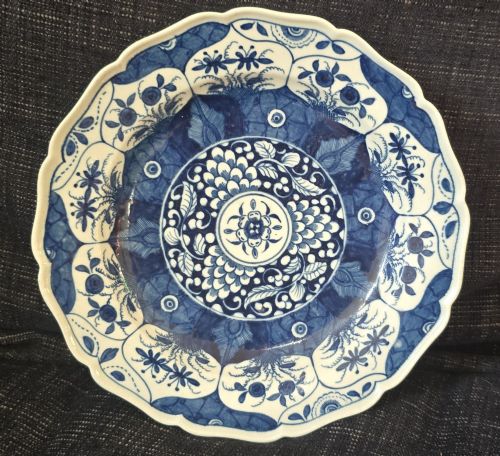
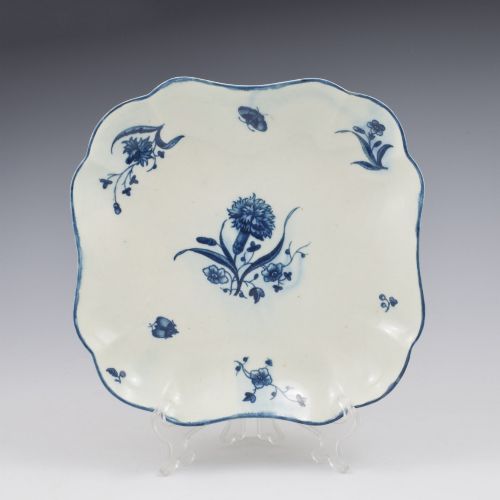
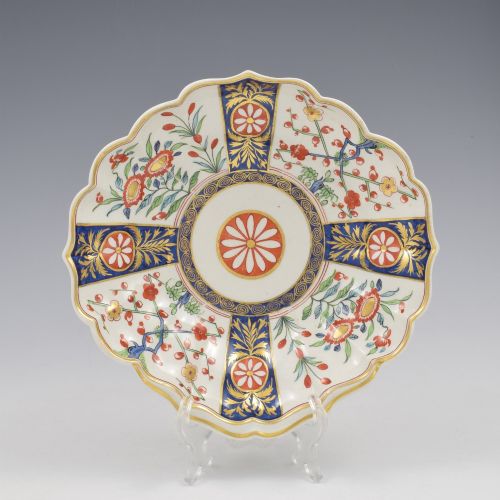
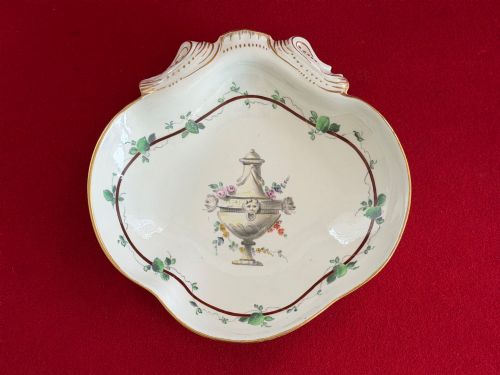
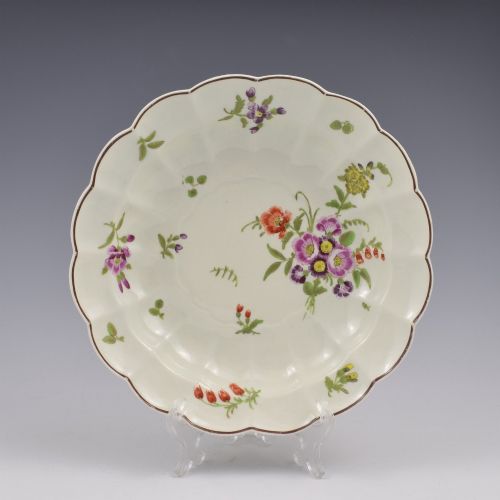
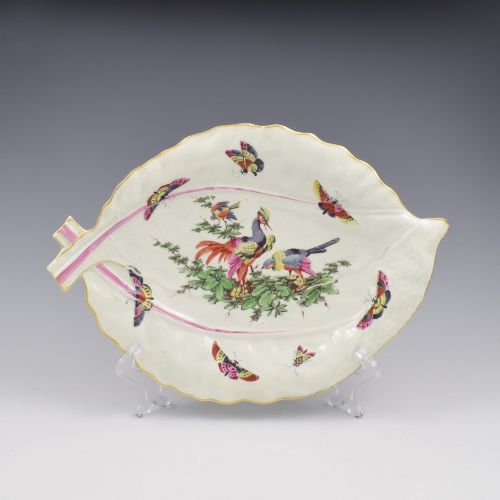
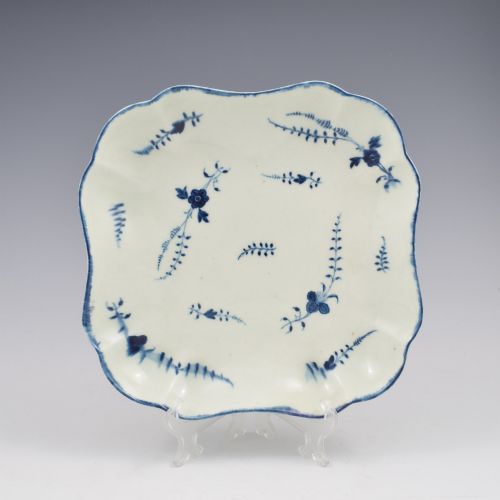
An 18th century worcester plate encompasses a variety of refined serving vessels, including dessert dishes, saucer dishes, and lobed bowls produced during the Georgian era. These pieces frequently appear in specialised forms such as leaf dishes, square dessert dishes, and traditional round plates.
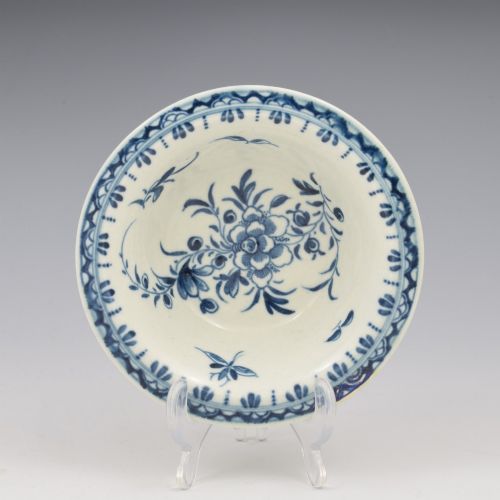
The selection on this page centres firmly on the Dr Wall or First Period Worcester porcelain, dating generally from the mid to late eighteenth century. Alongside standard plates, buyers encounter specialised items like patty pans and soup plates decorated in distinct botanical, avian, and oriental schemes.
How they were made
Makers fashioned these items using soft-paste porcelain, a vitreous composition that accepted complex overglaze enamels and cobalt blue underglaze decoration successfully. Artisans applied rich gilding and gold leaf to accent moulded rims and painted motifs.
Surface enhancement relied on meticulous hand-painting, utilising enamel colours and cobalt to render intricate patterns like fancy birds, Chantilly sprigs, and blue scale grounds. Kiln firing fixed the glazes and enamels, resulting in the characteristic lustrous finish of the period.
18th Century Worcester Plate Retail Price Guide 2026
Typical asking prices for 18th century worcester plate among the pieces listed under this phrase on Sellingantiques today, from the lower quarter to the upper quarter. They describe what is for sale here now, not the wider market.
Listings feature soft-paste porcelain items spanning the Georgian period, utilising overglaze enamels, cobalt, and gold leaf on diverse forms like leaf dishes and saucer dishes.
What varies in quality
The refinement of the hand-painted brushwork dictates the upper tier of quality, distinguishing meticulously detailed fancy birds and floral arrangements from simpler, repetitive border motifs. Superior examples display precise control in cobalt blue and vibrant overglaze enamels.
The complexity of the porcelain moulding, such as lobed rims, scale grounds, and intricate leaf dish shapes, elevates a piece above standard flat plates. Preservation of the original gilding and the clarity of the soft-paste body further separate standard items from exceptional ones.
Samson of Paris
The 18th Century Worcester Plate Glossary
- Soft-paste porcelain
- A ceramic body composed of clay and glass frit, fired at lower temperatures than hard-paste porcelain. This material provides the warm, creamy background characteristic of early Worcester wares.
- Dr Wall
- The founding physician and chemist associated with the early Worcester porcelain factory period. Pieces bearing this attribution represent the primary era of the eighteenth century.
- Blue scale
- A dark blue ground pattern applied in a scale-like motif over the porcelain surface. It frequently frames reserved panels decorated with birds or flowers.
- Chinoiserie
- A decorative style reflecting European interpretations of Chinese and East Asian artistic traditions. These designs feature on plates alongside Japanese-inspired Kakiemon palettes.
18th Century Worcester Plate: Frequently Asked Questions
How do I date an 18th century worcester plate?
Dating relies on identifying specific period characteristics, factory marks, and stylistic indicators such as the Dr Wall era production methods. Examining the soft-paste porcelain body and enamel types helps narrow down the decade of manufacture.
Comparative study of known patterns like Chantilly sprigs or blue scale grounds assists in confirming whether a piece originates from the eighteenth century.
What is the difference between blue and white and enamelled Worcester plates?
Blue and white pieces feature cobalt decoration applied under the glaze before firing, creating a durable and integrated blue design. Enamelled versions utilise a wider palette of overglaze colours added on top of the fired glaze.
Enamelled plates often incorporate gold leaf and detailed painting of birds or figures, whereas blue and white examples focus on floral or oriental landscape motifs.
How were these plates used in the eighteenth century?
These pieces functioned primarily as dessert dishes, serving sweet courses at high-status Georgian dining tables. They were designed to display luxury and taste during formal meals.
Smaller forms like saucer dishes and patty pans served specific culinary purposes, while larger leaf dishes held fruit or sweetmeats.
How should I care for antique soft-paste porcelain?
Soft-paste porcelain requires gentle handling and should be washed by hand in lukewarm water using mild detergent. Avoid mechanical dishwashers and harsh scrubbing to protect the historic glaze and gilding.
Displaying plates securely on padded hangers or specialised stands prevents accidental chipping of the delicate eighteenth-century edges.