

18th Century Wooden Storage
These pieces of 18th century wooden storage bring practical period craft into daily rooms.
18th Century Wooden Storage
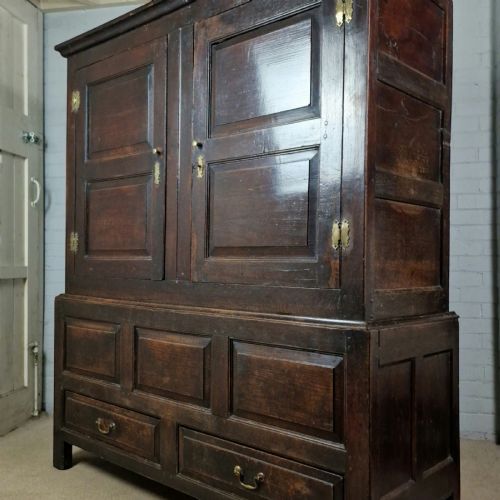
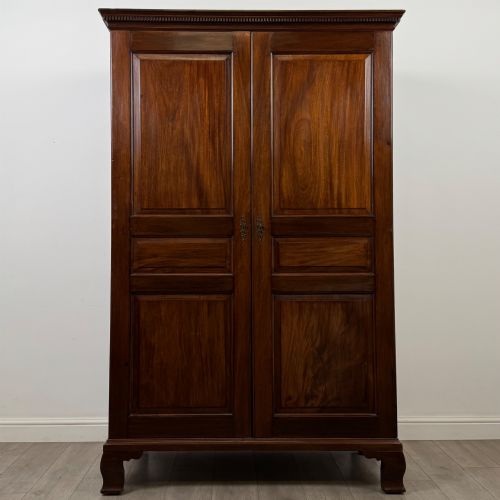
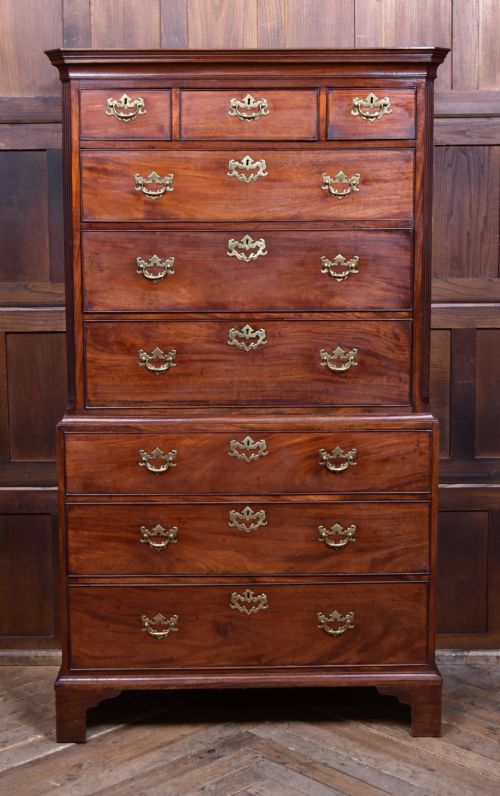
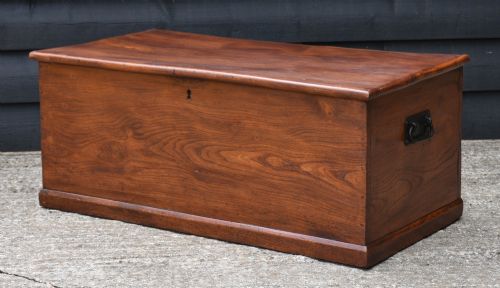
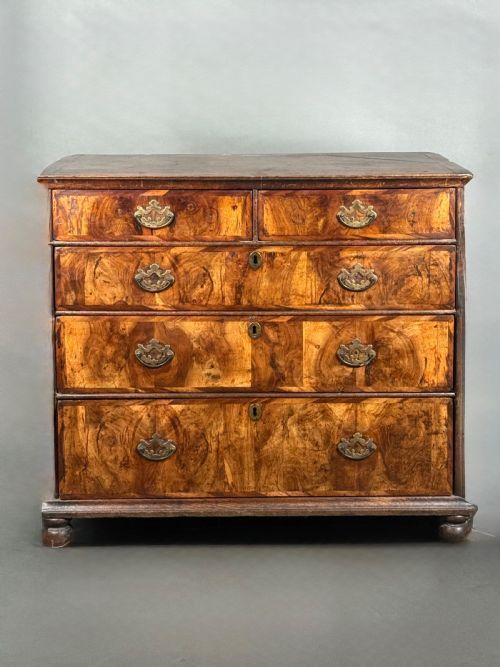
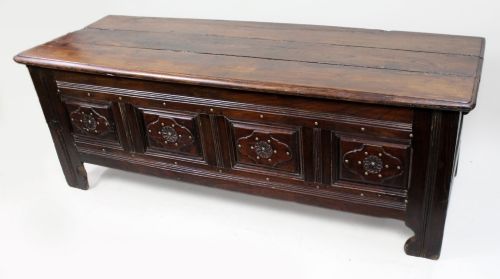
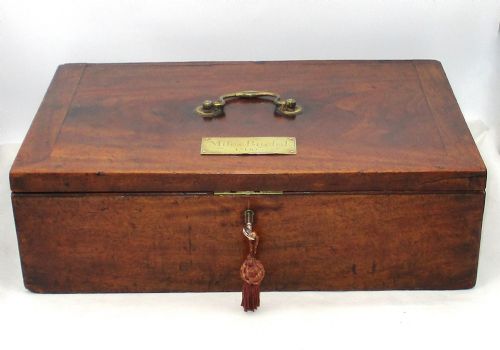
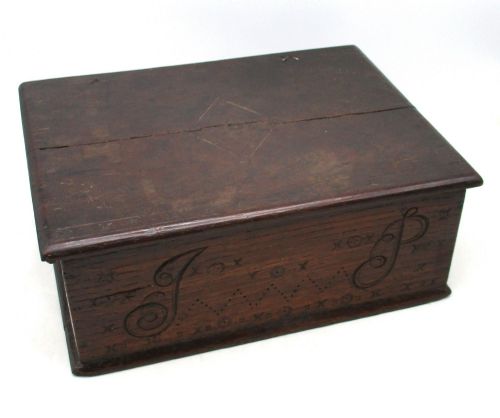
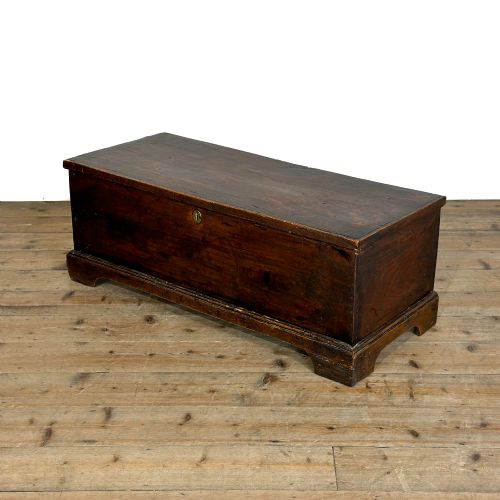
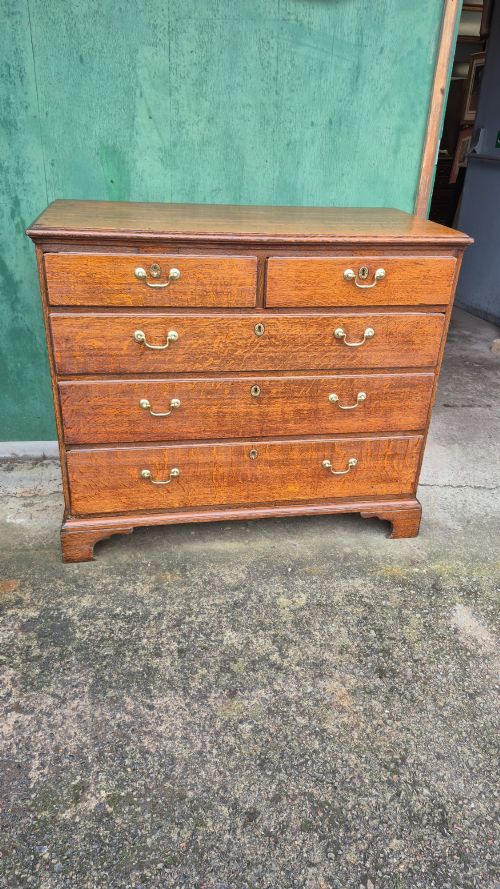
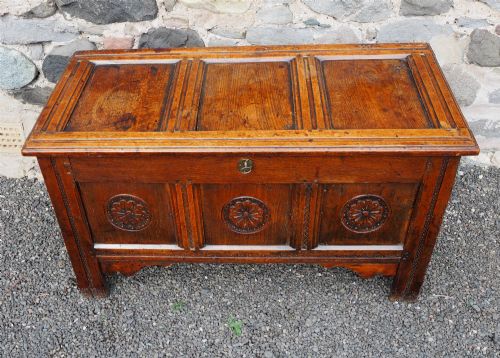
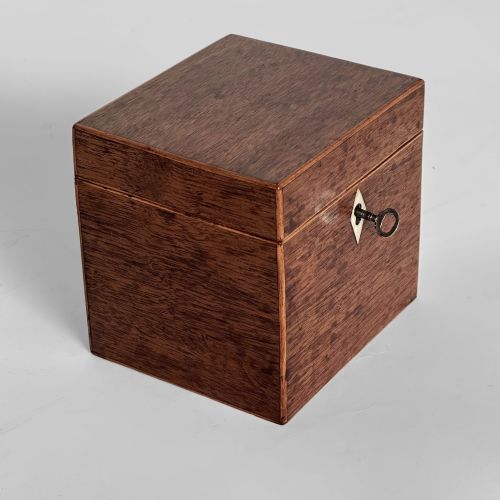
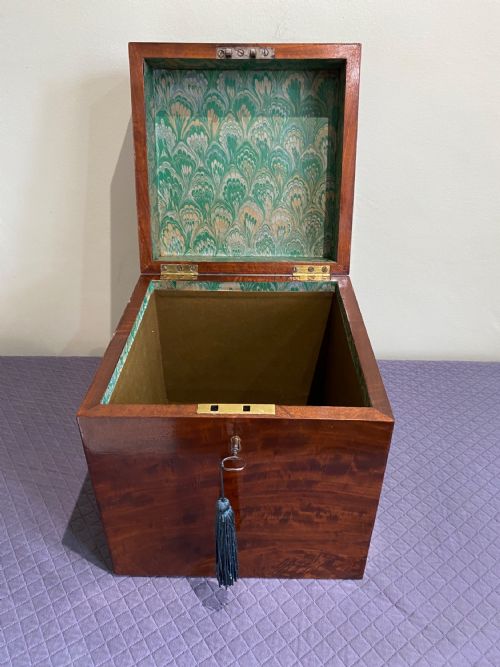
When you search for 18th century wooden storage, you encounter practical items designed to hold linens, documents, provisions and valuables across domestic interiors. These forms span large blanket chests, robust coffers, tall chests of drawers, and small desktop document boxes.
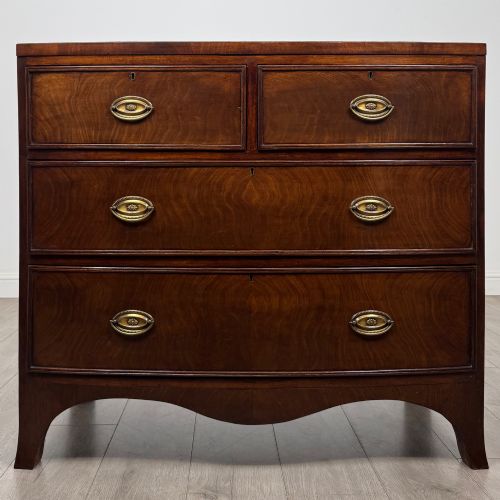
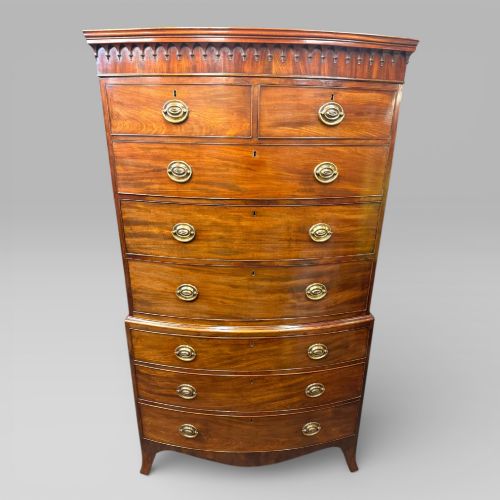
The version you are most likely to meet on this page is the oak or mahogany chest of drawers, alongside sturdy country coffers made from elm or walnut. Regional pieces such as Welsh vernacular box settles and French provincial items also appear regularly.
Origins stretch from English country workshops to Dutch urban centres and Scandinavian country households. Each piece reflects the specific storage needs of its domestic setting, whether a gentleman's wardrobe or a simple wall-hanging candle box.
Materials and construction
Joiners and cabinet makers utilised native and imported timbers, relying heavily on sturdy oak for early coffers and rich mahogany or figured walnut for later Georgian case furniture. Secondary woods often included elm and pine within internal drawer linings and carcass backs.
Construction techniques combined hand-cut dovetails for drawer boxes, pegged mortise and tenon joints for panelled coffers, and geometric mouldings applied to drawer fronts. Iron hinges, brass drop handles, and escutcheons provided necessary structural reinforcement and functional closure.
Surfaces received various treatments, from waxed plain timber to elaborate burr veneers, herringbone banding, and hand-carved panels. Brass mounts and campaign-style carrying hardware appeared on specialised strong boxes destined for travel.
Listings feature 18th century wooden storage constructed from oak, mahogany, walnut, elm, padouk, and ebony.
Judging quality and proportion
The distinction between ordinary utility items and superior cabinet work lies in the selection of timber figures, such as highly figured walnut or book-matched mahogany veneers. Timber choice dictates visual presence, particularly on prominent surfaces like serpentine drawer fronts and panelled lids.
Proportion and integrity of the original hardware also separate pieces, as untouched brass handles and period locks indicate a higher grade of commission. Structural joinery executed with tight, precise dovetails and minimal timber replacement maintains the lasting value of the piece.
J Moorcroft
The 18th Century Wooden Storage Glossary
- Coffer
- A heavy wooden chest with a hinged lid, traditionally used for storing valuables, linens or dry goods. Early examples feature boarded or panelled oak construction.
- Document box
- A small portable wooden container fitted with a lid, designed to secure letters, deeds and writing materials. These frequently incorporate internal compartments and brass carrying handles.
- Box settle
- A high-backed wooden bench incorporating an enclosed storage compartment beneath the seat. This form combines seating with heavy household storage in vernacular interiors.
- Herringbone banding
- An inlaid decorative border composed of small wood veneers cut diagonally to resemble fish bones. It frames drawer fronts on walnut furniture.
- Dovetail
- A joint formed by interlocking wedge-shaped fingers, securing drawer corners without relying entirely on adhesives.
18th Century Wooden Storage: Frequently Asked Questions
How do I care for antique wooden storage?
Keep wooden chests and boxes away from direct heat sources and sudden humidity changes to prevent timber splitting and veneer lifting.
Apply a traditional beeswax polish occasionally and buff gently with a soft cloth to maintain the natural lustre of the aged surface.
Where were these pieces used?
These items served functional roles throughout the domestic interior, from grand country house bedchambers down to modest provincial kitchens and merchant offices.
Smaller boxes rested on tables for writing and keeping valuables, while large chests and wardrobes stored heavy household linens.
How do I distinguish oak from mahogany?
Oak is a native British timber showing visible medullary rays and an open grain, typical of early vernacular furniture.
Mahogany, introduced later in the period, presents a denser, reddish-brown grain capable of taking a fine, dark polish suitable for formal Georgian rooms.