




18th Century Wooden Casket
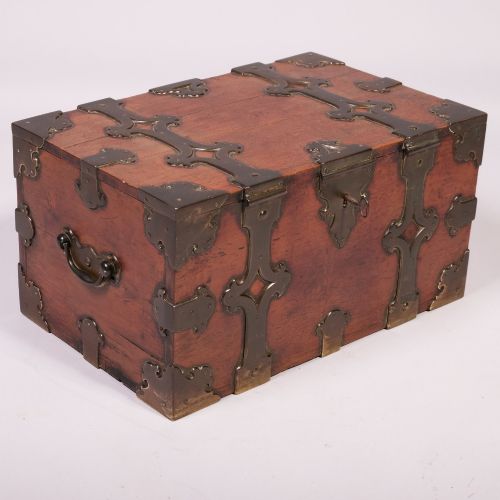
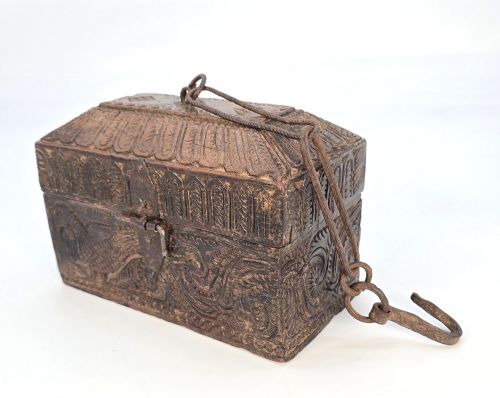
These 18th century wooden casket examples bring tangible period craft to a room, offering genuine historical storage for small valuables.
18th Century Wooden Casket
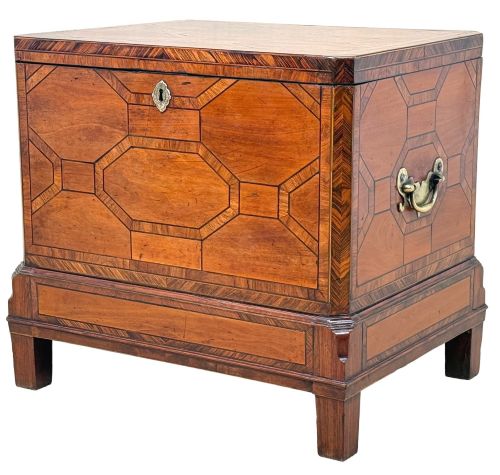
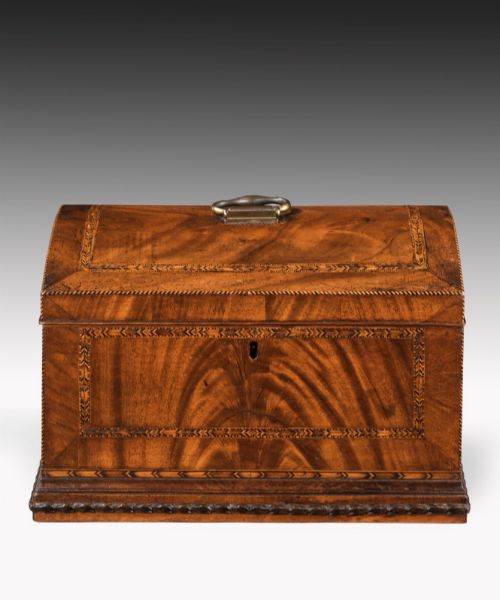
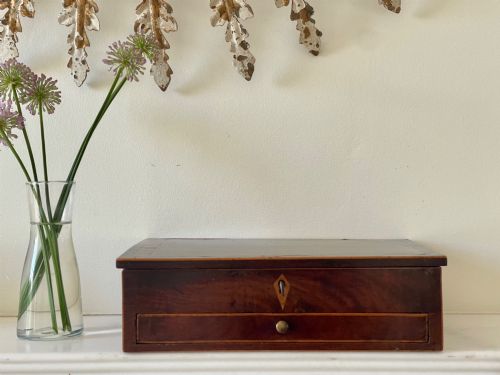
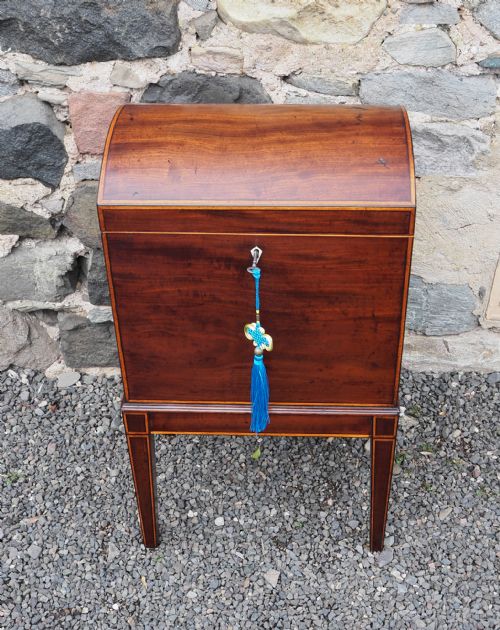
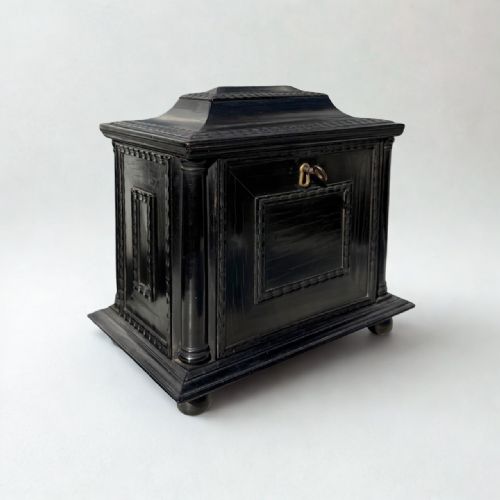
An 18th century wooden casket serves as a sturdy receptacle for valuables, tea, spices, or documents, shaped by the practical needs of the period. You meet these pieces primarily as mahogany, walnut, or satinwood boxes, often formed with domed lids or simple rectangular profiles.
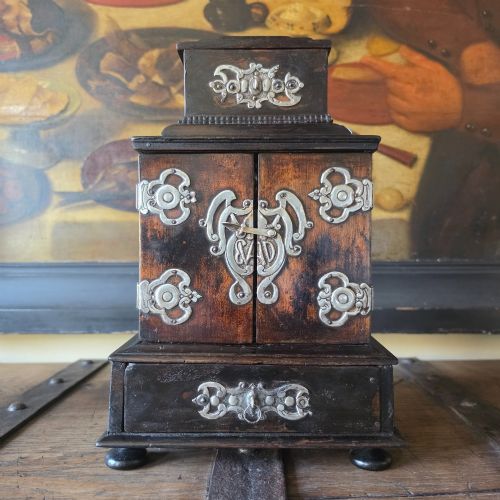
The selection ranges widely in regional character, spanning Georgian domestic pieces alongside Continental, Spanish, and Anglo-Chinese examples. Tea caddies, cellarettes, jewellery cabinets, and spice boxes make up the principal forms found within this group.
Makers of the era utilised native and exotic timbers, sometimes mounting the wooden bodies in brass or iron for security and transport. Each piece reflects the specific domestic routine it was built to accommodate, from keeping tea locked away to housing personal trinkets.
What varies in quality
The selection of timber grain largely dictates the visual merit of a piece, with figured flame mahogany and matched parquetry sitting at the upper end of the scale. Subtle details like original brass mounts, working locks with keys, and intact interior compartments separate standard storage boxes from finer cabinet work.
Construction methods also reveal the hand of the maker, where precise dovetailing and flush-fitting lids denote careful workshop production. Surface condition matters greatly, whether preserved through old patination or remaining in original paint.
Several boxes survived centuries of use specifically because their original keys went missing, locking their secrets inside until now.
The 18th Century Wooden Casket Glossary
- Cellarette
- A large box or container designed to hold bottles of wine, often fitted with internal partitions and brass carrying handles.
- Parquetry
- Geometric patterns formed by small pieces of wood veneer inlaid into a surface, seen on decorative table caskets.
- Escutcheon
- A protective plate surrounding a keyhole, usually made of brass to strengthen the wood around the lock.
- Chinoiserie
- European imitation of Chinese artistic motifs, applied as lacquer decoration on furniture and boxes during the Georgian period.
18th Century Wooden Casket: Frequently Asked Questions
What were 18th century caskets used for?
These boxes served secure domestic functions, holding high-value commodities such as tea, spices, and coinage.
They also accommodated personal items like jewellery, medical supplies, and legal documents, often fitted with internal compartments and working locks.
How do I care for an old wooden box?
Keep the wood away from direct heat sources and sudden humidity changes to prevent timber movement and veneer lifting.
Apply a traditional wax polish occasionally to nourish the surface and preserve the historic patina.
How can I tell a Georgian box from other periods?
Georgian pieces frequently display characteristic timbers such as mahogany, satinwood, and yew, coupled with restrained classical proportions.
Stylistic markers like bracket feet, brass carrying handles, and cockbeaded drawer edges help identify the era.
Are these caskets still suitable for daily use?
Many of these boxes remain robust enough for everyday storage of modern trinkets and small personal items.
Care should be taken with delicate hinges and historic locks, which may require gentle handling compared to modern hardware.