


18th Century Welsh Press
An 18th century welsh press brings substantial vernacular character and traditional storage to an interior through robust regional craftsmanship.
18th Century Welsh Press
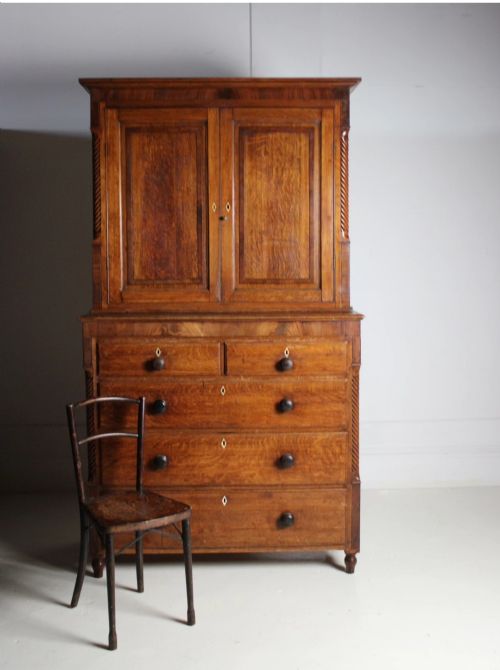
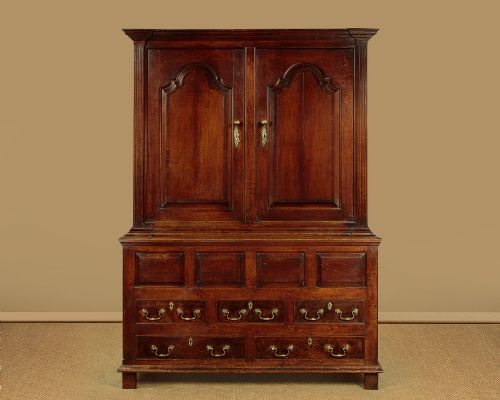
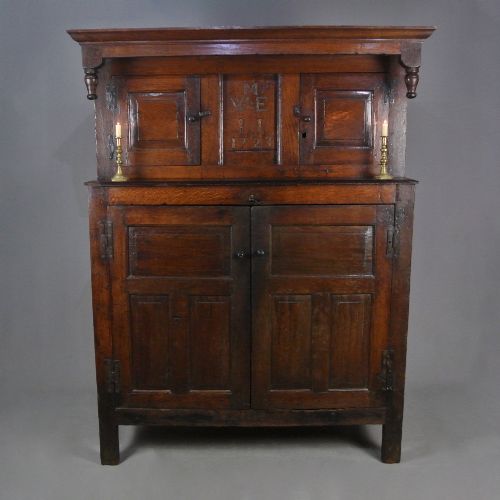
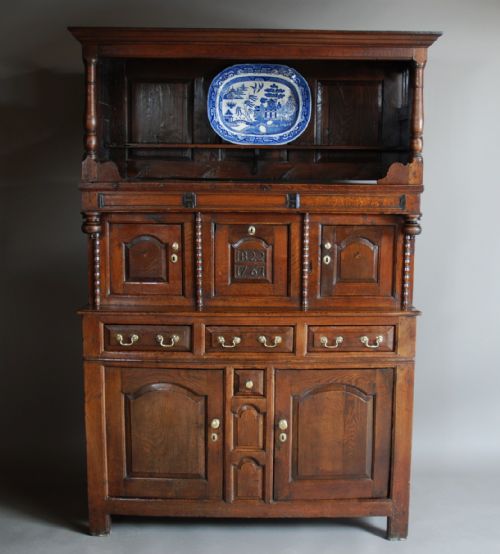
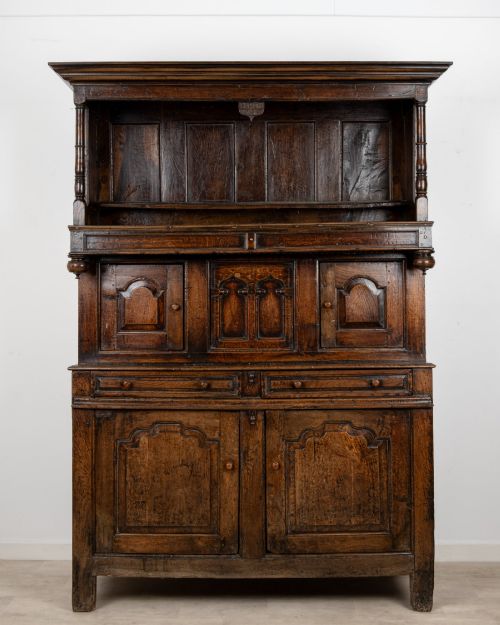
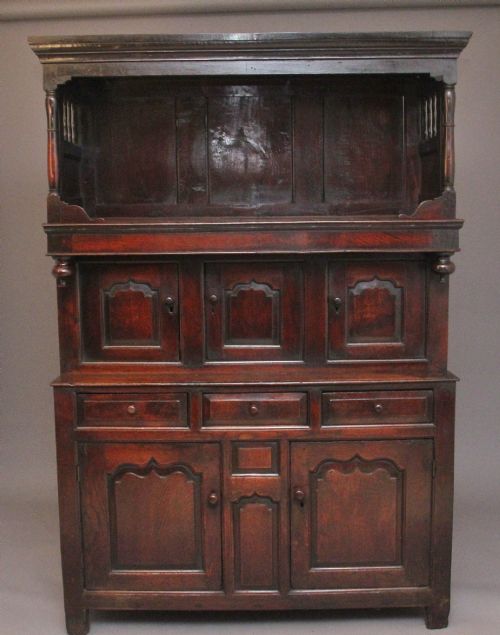
An 18th century welsh press encompasses distinct regional forms built for domestic storage, most notably the multi-tiered cwpwrdd tridarn and the two-stage cwpwrdd deuddarn. These architectural storage pieces reflect the domestic requirements of rural Welsh households during the Georgian era.
The pieces on this page frequently appear as press cupboards, livery cupboards, and food cupboards constructed in local workshops. Buyers encounter regional variants from areas such as Snowdonia and Cardiganshire, exhibiting specific structural traits characteristic of Welsh country furniture.
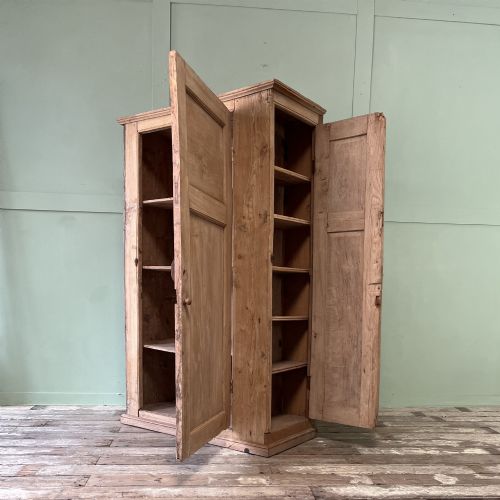
Beyond the traditional tridarn and deuddarn, the selection includes housekeeper cupboards, hanging cupboards, and linen presses. These forms demonstrate the adaptation of utilitarian storage to domestic interiors across the eighteenth century.
Assessing quality and character
Quality in these pieces rests upon the integrity of the original construction, the presence of untouched surface timber, and regional authenticity. The depth of the timber's colour and the preservation of original hardware contribute significantly to the standing of an example.
Proportion and regional detailing distinguish standard utility pieces from exceptional vernacular works. Pieces retaining their original configuration across multiple tiers command greater interest among collectors of country furniture.
Snowdonia makers occasionally incorporated secret compartments behind heavy cupboard cornices to guard family valuables from visiting taxmen.
The 18th Century Welsh Press Glossary
- Cwpwrdd Tridarn
- A traditional Welsh three-tier cupboard featuring an open upper display section enclosed by turned spindles above a central cabinet and lower base drawers. This distinctive regional form developed during the seventeenth and eighteenth centuries.
- Cwpwrdd Deuddarn
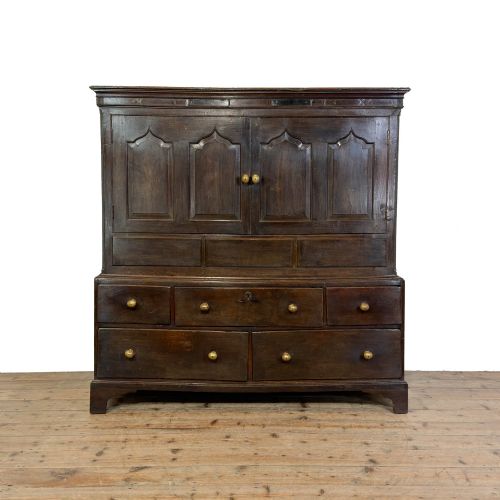
- A two-part Welsh cupboard comprising an upper enclosed cabinet set upon a larger lower base section with doors or drawers. It served as a principal storage piece in Welsh vernacular homes.
- Livery Cupboard
- A traditional storage cabinet originally utilised for keeping food, candles, or clothing ventilated through pierced or louvred panels. In Georgian contexts, the term often describes large clothes and linen presses.
- Court Cupboard
- An early form of buffet or enclosed cupboard featuring a recessed upper stage supported by pillars or columns. These heavy oak pieces frequently predate standard eighteenth-century press forms.
- Fielded Panel
- A wooden panel with bevelled edges designed to fit into a grooved frame, allowing the timber to expand and contract safely. This technique adds shadow lines and architectural depth to cupboard doors.
18th Century Welsh Press: Frequently Asked Questions
How do deuddarn and tridarn differ?
A deuddarn consists of two sections, combining an upper cabinet with a lower base unit without the open canopy found on tridarns. Both forms utilise heavy pegged joinery and local timber.
Identifying the difference is simply a matter of counting the architectural stages visible in the elevation. Each form fulfils similar domestic storage roles within Welsh country houses.
Where were these cupboards made?
These pieces were constructed in local rural workshops across Wales, with specific regional designs emerging from areas such as Snowdonia and Cardiganshire. Country joiners utilised timber available in their immediate locality.
Regional characteristics often appear in the turning of pendants, the arrangement of panels, and the overall proportions of the cabinetry. This local independence created distinct stylistic families across the country.
How should I care for oak furniture?
Solid oak furniture requires stable environmental conditions away from direct heat sources and extreme humidity fluctuations to prevent timber splitting. Regular dusting with a dry cloth maintains the surface.
Applying occasional natural wax helps nourish the wood and preserves the rich patina accumulated over centuries. Avoiding synthetic polishes ensures the finish remains breathable and authentic.