
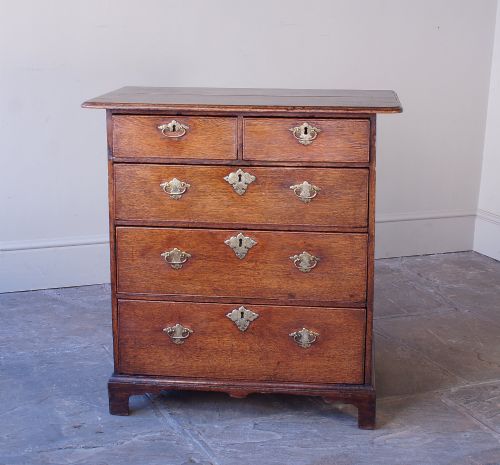
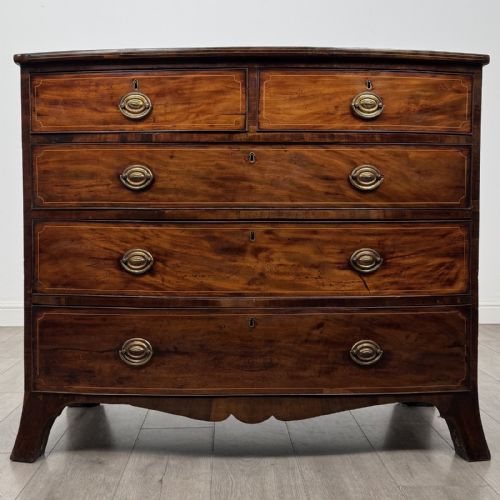
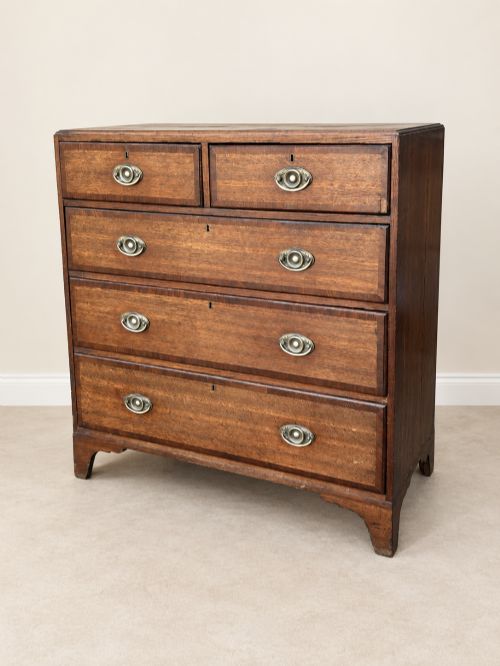
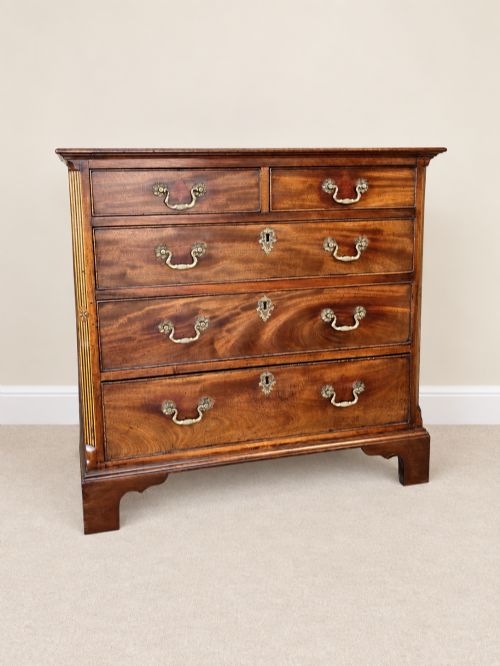
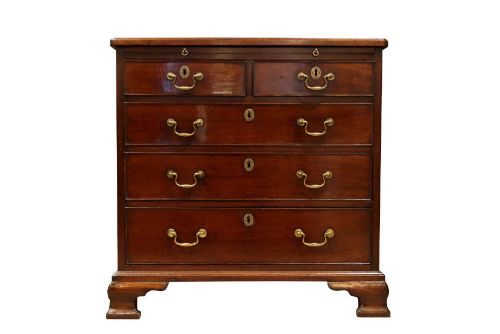
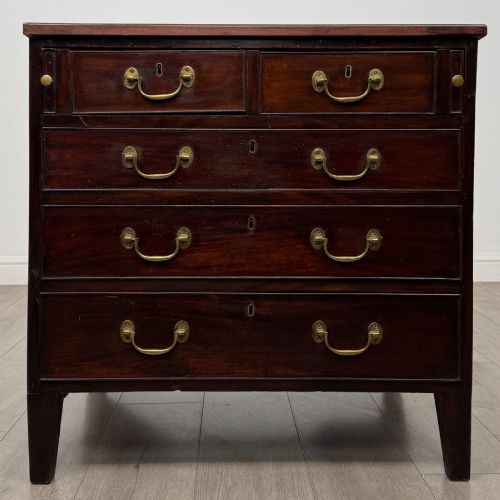
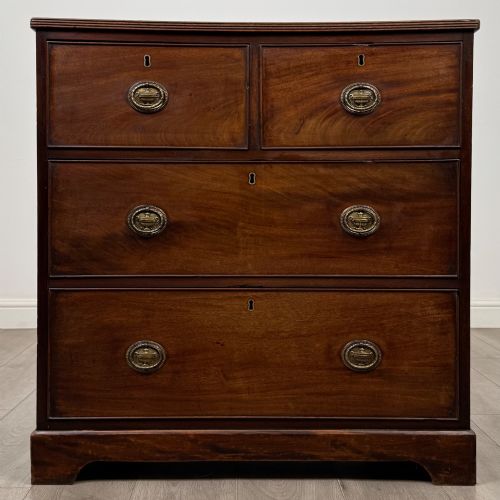
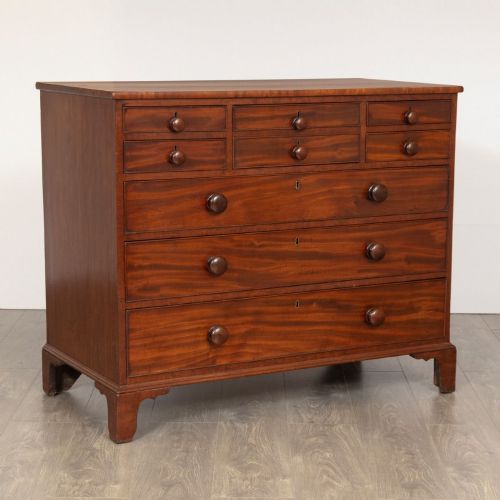
18th Century Tallboy Drawer
When you search for an 18th century tallboy drawer, you are looking at substantial case furniture designed to provide vertical storage with great architectural presence.
18th Century Tallboy Drawer
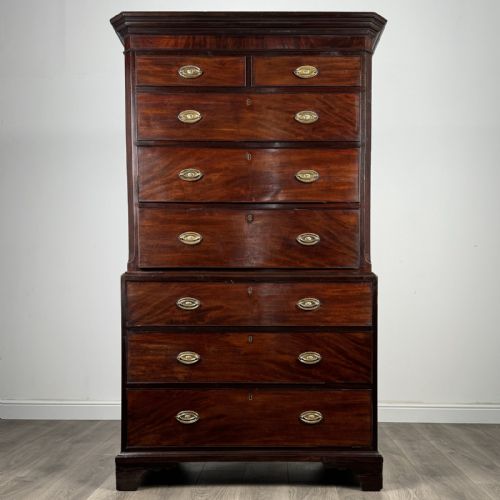
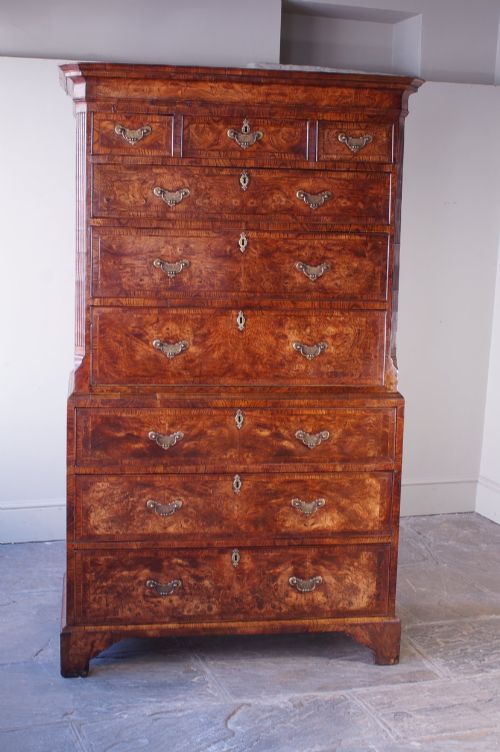
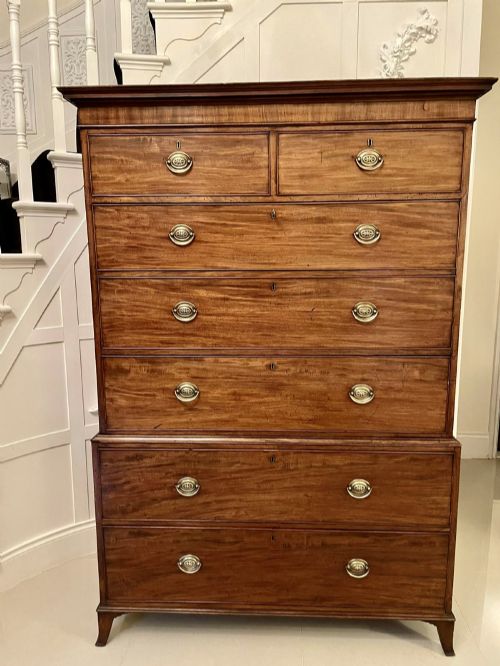
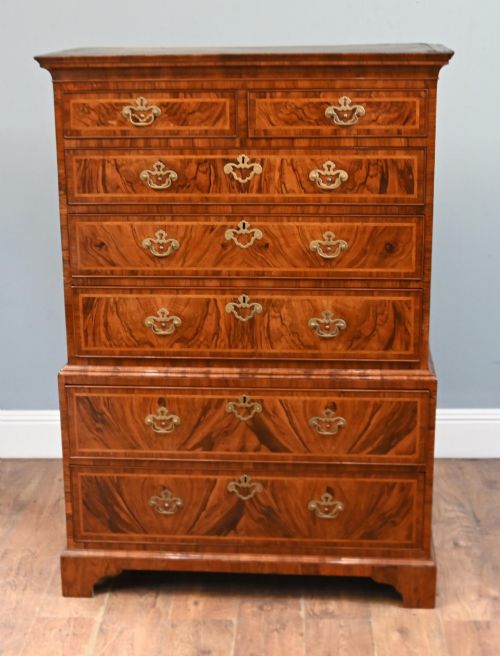
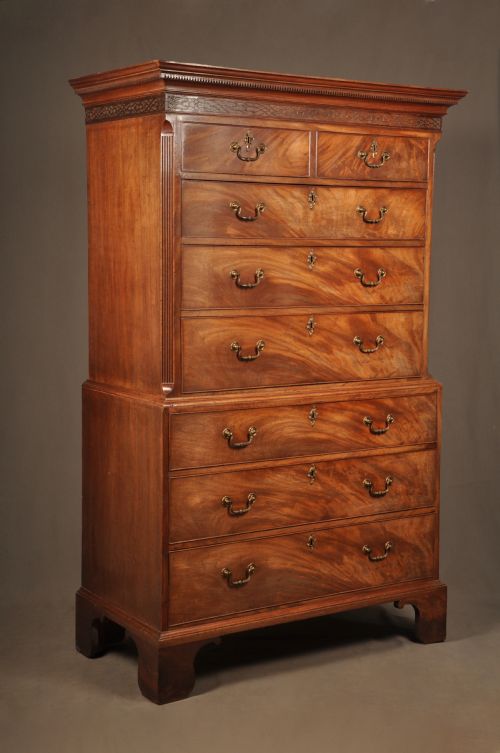
An 18th century tallboy drawer primarily encompasses two-part chest on chest structures and tall chests of drawers built during the Georgian and Queen Anne periods. These imposing pieces stand tall to maximise storage floor space while introducing refined proportions to a room.
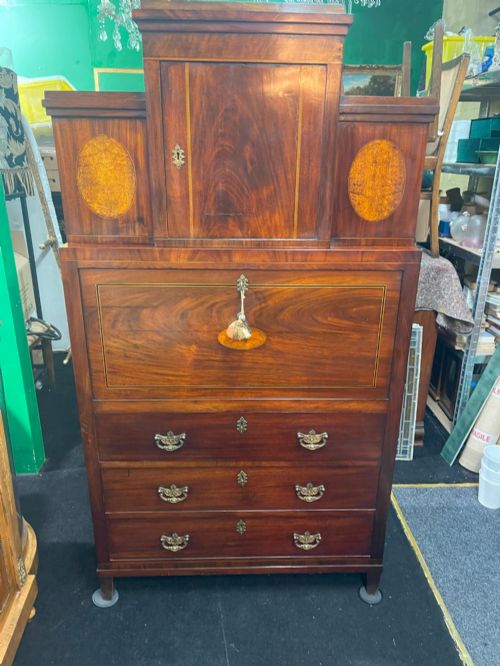
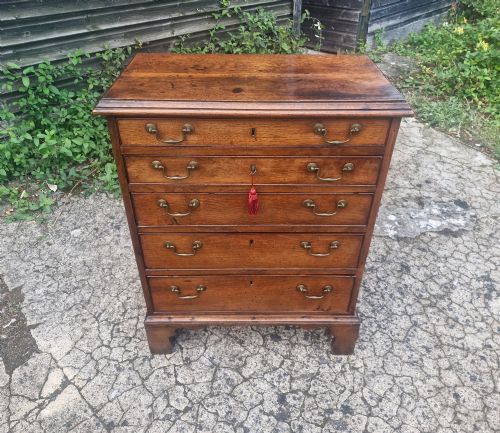
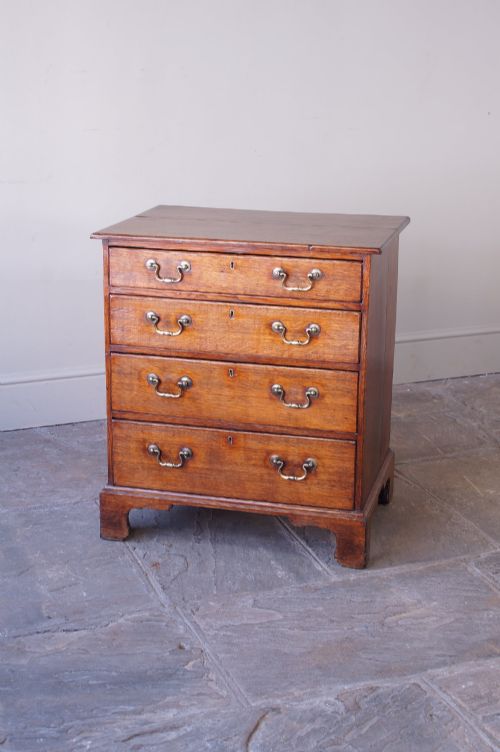
The versions met most frequently on this page span walnut, oak, and mahogany, often featuring tiered banks of drawers that rise above a lower chest base or stand. Many examples incorporate specialised elements such as brushing slides or geometric moulded fronts characteristic of eighteenth-century craftsmanship.
Materials and Construction
Cabinet makers constructed these pieces using dense hardwoods like mahogany, walnut, and oak, frequently applying intricate veneers and burr walnut figures to the primary surfaces. Secondary timbers such as pine and cedar appear internally within the drawer carcases.
Assembly relied on traditional joinery methods, complemented by applied fruitwood inlay, marquetry, and crossbanding. Original brass hardware, including swing handles and backplates, secures the drawer fronts and defines the period aesthetic.
The listings span multiple centuries, uniting Queen Anne walnut, Georgian mahogany, and Edwardian interpretations under classic vertical forms.
Factors That Separate the Best from the Rest
Quality rests significantly on the choice of timber and the dexterity of the veneer work, where highly figured burr walnut or rich mahogany elevate a piece visually. The crispness of geometric mouldings and the retention of original brass handles also dictate the upper tier of execution.
Structural integrity, including the uncompromised survival of the original upper and lower joining sections on chest-on-chest forms, separates fine examples from heavily altered pieces. Proportion, timber matching across drawer tiers, and untouched surface patination complete the distinction.
J Moorcroft
The 18th Century Tallboy Drawer Glossary
- Tallboy
- A tall chest of drawers, typically constructed as a chest on chest or a tall single carcase, designed to increase vertical storage.
- Chest on Chest
- A form comprising two stacked carcases, where a smaller upper chest sits directly upon a wider lower chest of drawers.
- Chest on Stand
- A drawer carcase elevated on an open frame or low table base, often associated with early eighteenth-century walnut and oak pieces.
- Brushing Slide
- A pull-out shelf integrated into the furniture facade, historically used for writing or brushing dust from garments.
- Herringbone Banding
- A decorative wood inlay pattern arranged in alternating diagonal V-shapes, commonly framing drawer perimeters on walnut furniture.
18th Century Tallboy Drawer: Frequently Asked Questions
What is the difference between a tallboy and a chest on chest?
A tallboy is a general term that frequently describes a chest on chest, which literally stacks one chest directly on top of another. This two-part construction made it easier to move heavy timber furniture up staircases.
While some tallboys are simply taller single-carcase chests, the classic chest on chest divides cleanly into two distinct modules, often featuring a concealed brushing slide between them.
How were brushing slides used?
Brushing slides served as functional pull-out ledges where individuals could place small items or shake out garments. They offered a convenient temporary surface without requiring a dedicated desk.
Cabinet makers integrated these slides neatly just beneath the top moulding of the lower carcase on many Georgian examples.
Where should a tallboy be placed in a home?
Tallboys suit bedrooms, dressing rooms, and hallways where vertical storage is required without occupying excessive floor space. Their architectural height draws the eye upward, balancing high ceilings.
Ensure the room has adequate clearance, as these pieces were originally built to stand tall and command a significant portion of a wall.
How do you distinguish walnut pieces from mahogany ones?
Walnut furniture tends to display rich, warm brown tones with swirling grain patterns or dramatic burr figures, prevalent in early eighteenth-century pieces. It often incorporates geometric mouldings or herringbone banding.
Mahogany became more dominant later in the century, offering a denser, darker red-brown timber capable of holding sharp carved details and smooth serpentine fronts.