



Terracotta Chest on Chest
These terracotta chest on chest pieces offer layered storage and striking painted surfaces that anchor a room.
Terracotta Chest on Chest
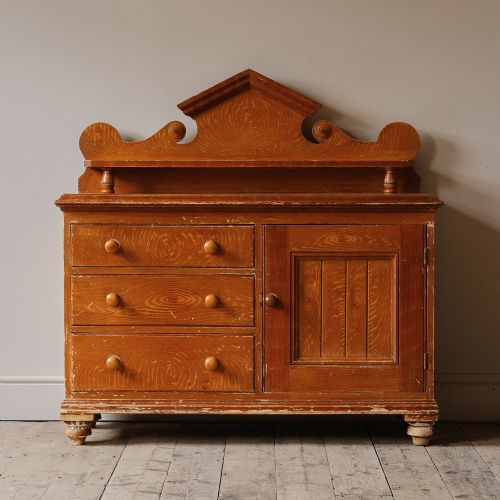
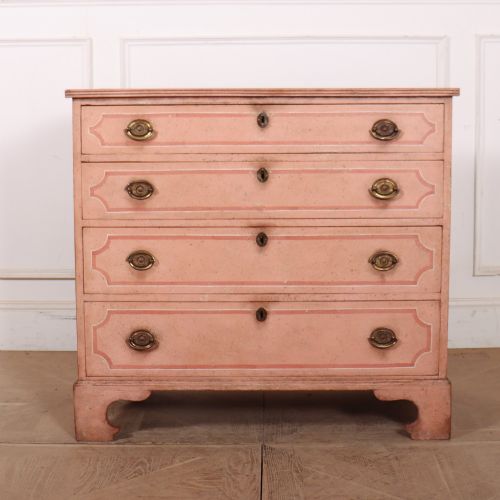
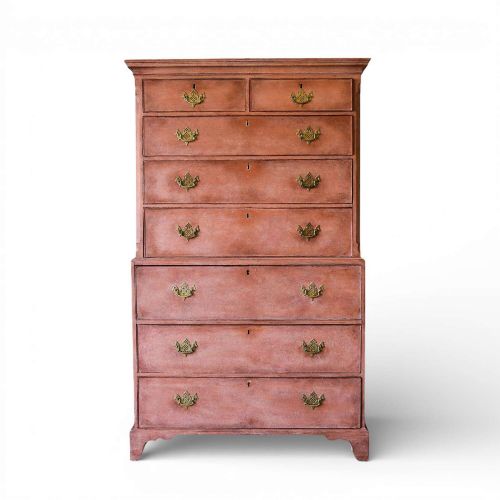
A terracotta chest on chest brings together stacked drawer units and earthy painted finishes from the eighteenth and nineteenth centuries. These items serve as tall storage solutions that combine upper and lower cabinet sections.
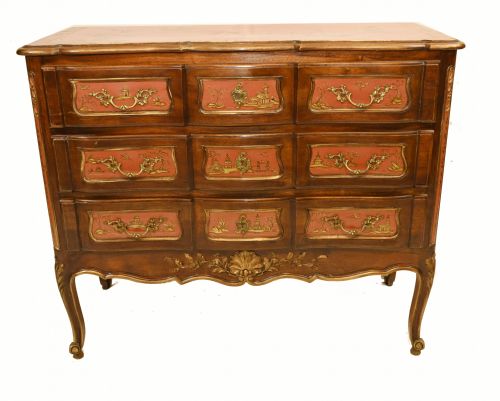
The selections span Georgian, Victorian, and Scandinavian country styles alongside Chinese apothecary cabinets and Caucasian storage bags. Painted wood, mahogany, and pine dominate the forms found in these listings.
How They Were Made
Cabinetmakers constructed the frames using solid pine, mahogany, and mixed woods before applying layered paint finishes or traditional lacquer. Iron and brass hardware such as drawer pulls and hinges secured the joints and doors.
Surface decoration relies on hand-painted pigments and regional folk art motifs applied directly to the wood substrate.
Terracotta Chest on Chest Retail Price Guide 2026
Typical asking prices for terracotta chest on chest among the pieces listed under this phrase on Sellingantiques today, from the lower quarter to the upper quarter. They describe what is for sale here now, not the wider market.
Listings feature pine and mahogany woods finished in paint, lacquer, and iron hardware across nineteenth and eighteenth century periods.
What Varies in Quality
The integrity of the original paint surface distinguishes standard examples from finer pieces, as does the crispness of joinery in the drawer construction. Surviving brass or iron fittings that remain undisturbed add distinct character.
Proportion and scale dictate the visual weight of the tallboy or chest, with balanced cornices and bracket feet reflecting higher levels of period craftsmanship.
The Terracotta Chest on Chest Glossary
- Tallboy
- A tall chest of drawers consisting of one section stacked directly on top of another. This form maximises vertical storage capacity while maintaining a compact footprint.
- Commode
- A low chest of drawers or cabinet originating from French furniture design. These pieces often feature decorative painted surfaces or lacquer work.
- Secretaire
- A desk disguised as a chest of drawers featuring a drop-down writing flap. It combines drawer storage with a fitted writing compartment inside.
- Apothecary cabinet
- A small-drawer cabinet historically used for storing herbs, medicines, and dry goods. They feature numerous small compartments rather than large uniform drawers.
- Mafrash
- A woven or leather storage bag from the Caucasus region used for bedding and household goods. These items display tribal flatweave techniques and geometric patterns.
Terracotta Chest on Chest: Frequently Asked Questions
What is a chest on chest?
A chest on chest is a tall furniture piece made by stacking one drawer cabinet directly on top of another larger base cabinet. This design provides maximum storage without taking up excessive floor space in a room.
Most examples feature graduated drawers that become deeper toward the bottom. The configuration allows for efficient organisation of clothing and linens.
How do I care for painted wood?
Painted wood surfaces require protection from direct sunlight and excessive moisture to prevent fading and flaking. Dusting with a soft, dry cloth is sufficient for routine maintenance.
Avoid using harsh chemical cleaning agents or abrasive cloths that can strip the historic pigment. Wax finishes can be applied sparingly if the underlying wood or paint requires nourishment.
Where did these pieces originate?
The pieces originate from diverse regions including Britain, Scandinavia, China, and the Caucasus. Each geographic area imparts distinct regional aesthetics and construction methods to the furniture.
European workshops frequently utilised pine and mahogany, while Asian cabinets incorporated traditional lacquer and multiple small drawers.
How do I identify period styles?
Period styles are identified through structural proportions, moulding details, and the specific type of hardware utilised. Georgian and Victorian pieces show distinct shifts in cornice design and foot forms.
Paint colours and folk art motifs also provide strong clues regarding the geographic origin and era of manufacture.