




18th Century Style Sofa
An 18th century style sofa brings classical proportions and centuries of seating design into a room.
18th Century Style Sofa
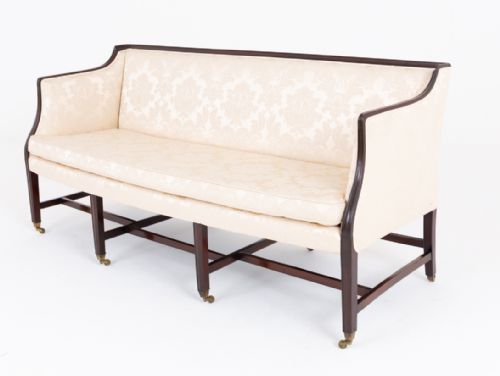
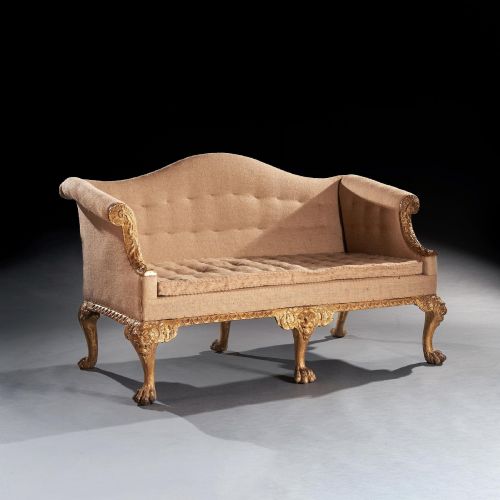
When searching for an 18th century style sofa, buyers encounter a range of forms spanning genuine period pieces to later revival iterations from the Georgian, Edwardian, and Victorian eras. These seating options appear in formats such as camel back sofas, chairback settees, and double or triple-back configurations.
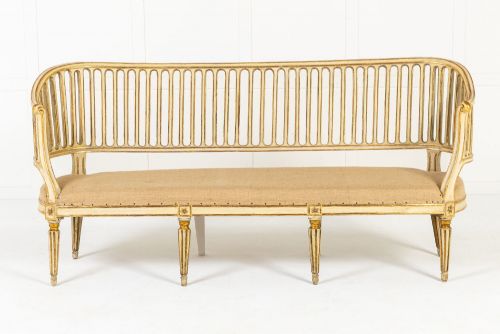
The evidence shows forms originating from English workshops alongside Swedish Gustavian and Italian painted examples. Walnut, mahogany, and painted wood provide the primary structural frameworks for these seating designs.
Revival pieces sit alongside genuine 18th century productions on this page, offering alternative construction dates from the nineteenth and twentieth centuries. Upholstery finishes range from plain fabric to patterned damask across these settees and sofas.
Materials and Construction
Makers utilised solid hardwoods such as mahogany and walnut to build the primary frames of these settees, occasionally employing satinwood or oak for specific decorative elements. These dense timbers provided the structural integrity required for large seating forms and intricate carved details.
Surface decoration incorporated inlaid woodwork, giltwood finishes, and painted timber surfaces depending on the regional style and period. Upholstery materials like damask and various fabrics completed the padded seating areas.
Listings feature mahogany, walnut, oak, and satinwood alongside painted wood finishes.
Assessing Quality and Execution
Quality in these seating pieces rests upon the precision of the timber carving and the integrity of the underlying frame construction. Finer examples display crisp detail in elements such as lion mask hairy paw feet or intricate splats on chairback settees, executed by skilled hands.
The choice of primary timber also dictates the tier of the piece, with figured walnut and richly grained mahogany marking out superior workshops from simpler country house productions. Preservation of original painted surfaces or gilding further separates standard examples from exceptional survivals.
Giles Grendey
The 18th Century Style Sofa Glossary
- Camel back
- A sofa or settee featuring a continuous convex curved top rail resembling a camel's hump. This profile became popular during the Georgian period.
- Chairback settee
- A multi-seat piece constructed with a backrest that mimics two or three joined chair backs. These often feature open splats and wooden arms.
- Settee
- An early form of domestic seating designed for multiple occupants, typically featuring an upholstered back and seat. The term shares usage with sofa across various centuries.
- Giltwood
- Timber coated with a thin layer of gold leaf for decorative effect. This finish appears on high-status 18th century frames.
- Gustavian
- The Swedish interpretation of French neoclassical style, characterised by lighter proportions and pale painted finishes. These pieces date from the late 18th century onwards.
18th Century Style Sofa: Frequently Asked Questions
How do I date an antique settee?
Dating relies on examining the timber species, joinery techniques, and stylistic markers such as cabriole legs or straight stretchers. Comparing the secondary woods inside the frame helps confirm the period.
Revival pieces from the Victorian or Edwardian eras often show machine-cut elements alongside hand-carving. Consulting the listed period provides a reliable baseline for each item.
Are these sofas comfortable for daily use?
Many 18th century style settees offer firm support due to traditional webbing and padding methods. Contemporary buyers often use them in living areas or hallways as accent seating.
Upholstery condition varies across listings, so some pieces may benefit from modern cushioning updates. Their upright proportions encourage proper posture during extended sitting.
What is the difference between a settee and a sofa?
Historically, a settee often featured an exposed wooden frame and a narrower seating depth than a fully upholstered sofa. Chairback settees specifically incorporate open wooden splats in the backrest.
Over time, the terms became largely interchangeable in furniture trade descriptions. Both terms describe multi-person seating options found in this collection.