


18th Century Style French Table
An 18th century style french table brings continental elegance into a room through serpentine lines and fine veneers.
18th Century Style French Table
When searching for an 18th century style french table, buyers encounter writing desks, side tables, and occasional pieces that reflect continental taste. These items emerge from various periods including the eighteenth and nineteenth centuries, adopting classic forms like the bureau plat or the card table.
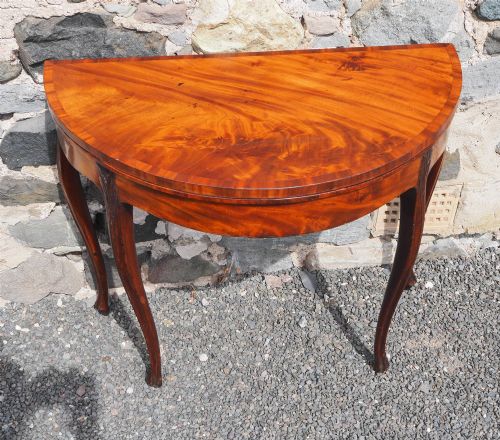
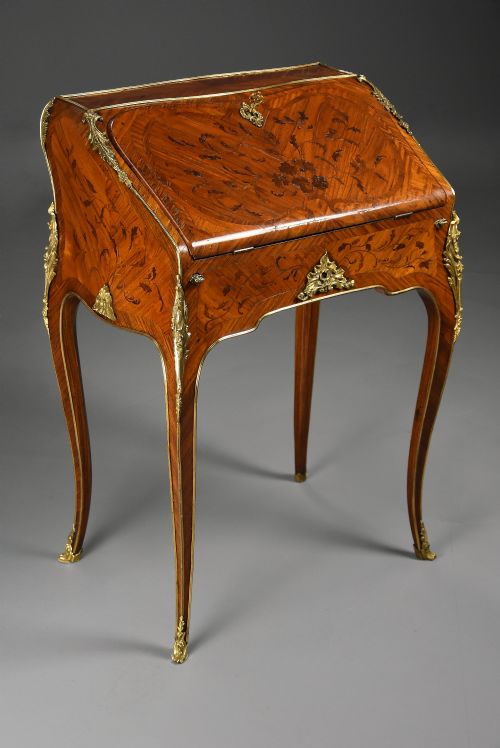
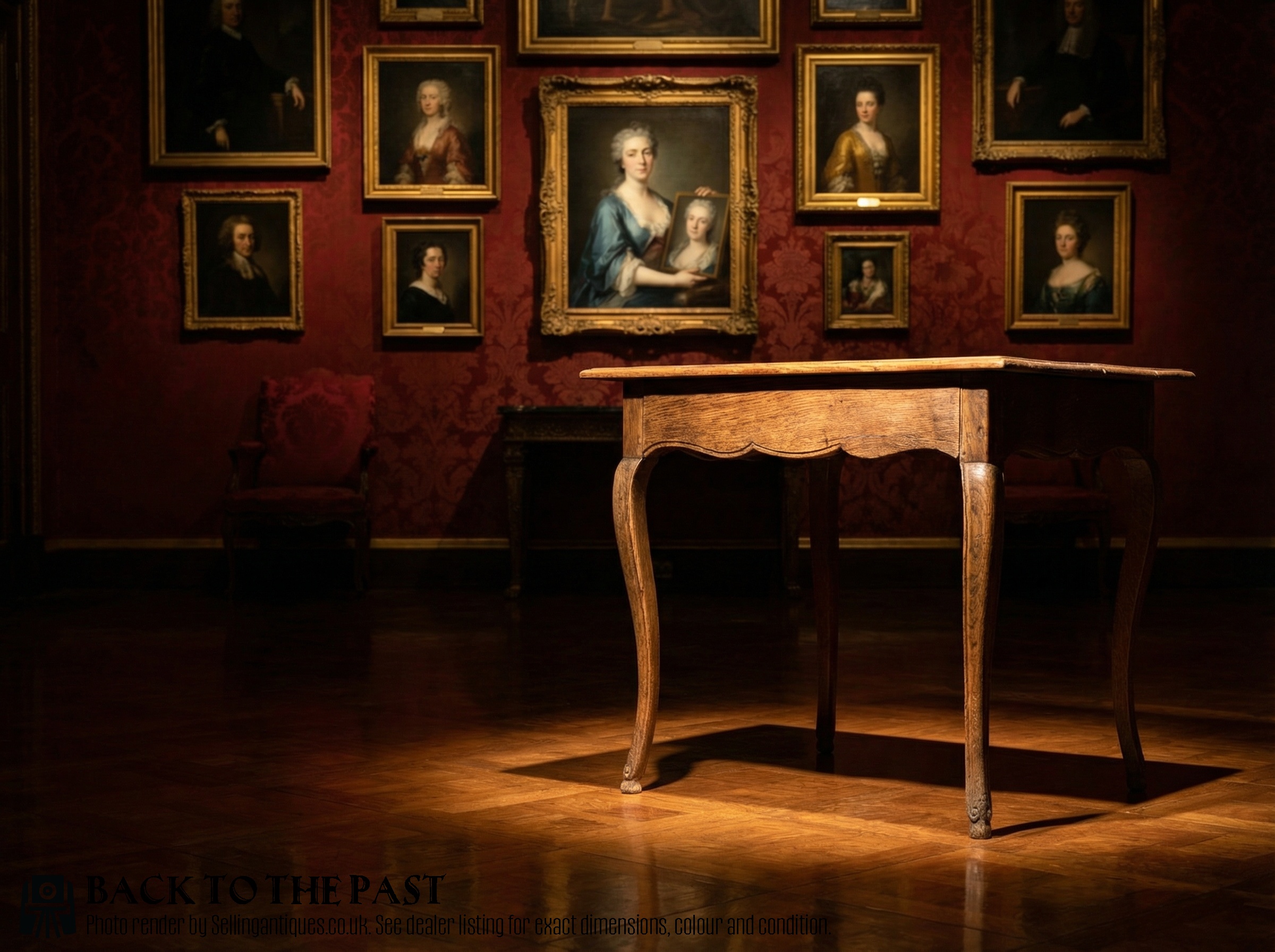
The evidence shows forms ranging from heavy oak provincial examples to refined pieces featuring kingwood and tulipwood veneers. Makers and workshops often drew upon Louis XV and French Baroque styling to shape these distinctive surfaces.
Materials and Construction
Craftsmen utilised timbers such as mahogany, rosewood, kingwood, and oak to build the foundational carcases and delicate surfaces. Marquetry and parquetry patterns often decorated the tops, demonstrating precise woodworking skills.
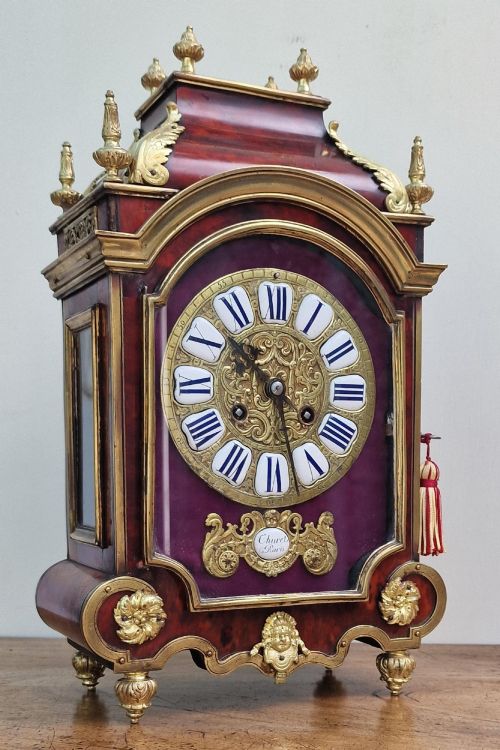
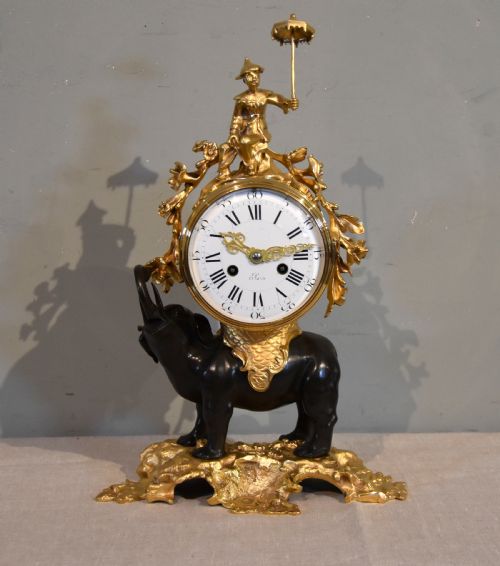
Metal mounts in ormolu and brass frequently accented corners, legs, and aprons, while marble slabs provided durable and decorative table surfaces. These combined materials required collaboration between cabinetmakers and bronze founders.
Listings feature periods spanning from the early eighteenth century through to Victorian interpretations, utilising mahogany, oak, and marble.
Assessing Quality and Execution
Quality rests upon the crispness of the gilt bronze or ormolu mounts and the precision of the timber veneers. Finer examples show careful selection of grain in woods like kingwood and tulipwood, matched symmetrically across the top.
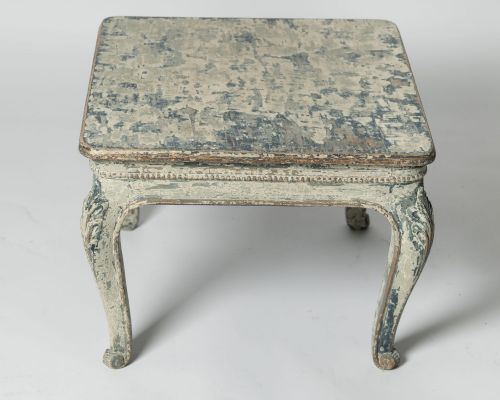
The structural integrity of the joints and the depth of hand-carving on elements like cabriole legs distinguish higher grade pieces from simpler commercial reproductions. Good proportions and restraint in ornamentation separate superior craftsmanship from heavy-handed design.
Thuret·BVRB·Ince and Mayhew
The 18th Century Style French Table Glossary
- Ormolu
- Gilt bronze applied to furniture mounts and clock cases. This decorative technique involved coating bronze with a gold amalgam and heating it to leave a rich finish.
- Kingwood
- A dense, heavily figured exotic timber native to Brazil. Cabinetmakers utilised its contrasting dark and golden brown striping for high-end veneering.
- Bureau Plat
- A formal freestanding writing desk fitted with drawers across the frieze. These tables typically feature leather-lined tops and elaborate bronze mounts.
- Cabriole Leg
- A furniture leg that curves outward at the knee and tapers inward toward the foot. This shape mimics animal limbs and defines much continental design.
- Marquetry
- The art of applying thin veneers of different woods and materials to form decorative patterns. Artisans cut these pieces meticulously to fit flush within a ground.
18th Century Style French Table: Frequently Asked Questions
How do I spot an 18th century style french table?
Look for characteristic design motifs such as cabriole legs, asymmetric rococo carving, and serpentine outlines. The use of specific veneers like kingwood and rosewood also points toward continental inspiration.
Examine the construction methods underneath and inside the drawers for clues regarding age and origin. Continental pieces often display different framing techniques compared to standard British cabinetwork.
Where should I place a french side table?
These pieces suit entrance halls, drawing rooms, or bedrooms as accent surfaces or bedside stands. Their finished backs often allow them to sit away from walls.
Ensure the table is not subjected to direct sunlight or strong heat sources, which can dry out exotic veneers and crack polished surfaces.
What is the difference between provincial and court furniture?
Provincial pieces utilise locally available timbers like oak and feature simpler, sturdier construction suited for regional homes. They lack the elaborate ormolu mounts and exotic veneers found on urban court furniture.
Court items, by contrast, follow Parisian fashions closely and display sophisticated marquetry, gilt bronze mounts, and expensive imported woods.
How do I care for antique wood and ormolu?
Dust surfaces regularly with a soft, dry cloth and apply a quality beeswax sparingly to nourish the timber. Avoid modern silicone sprays that can damage old polishes.
Clean ormolu mounts gently with a dry brush, keeping moisture away from the gilt surface to prevent corrosion or lifting of the finish.