
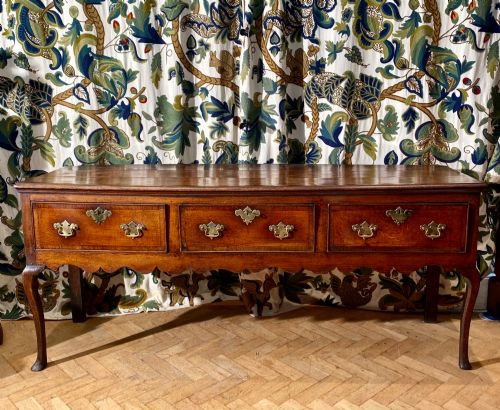
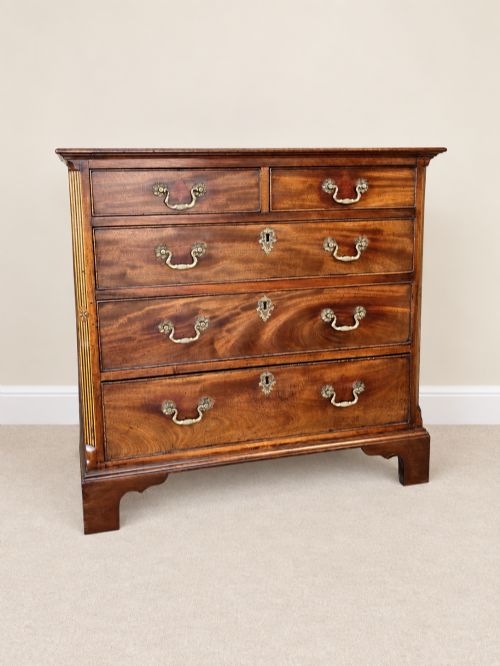
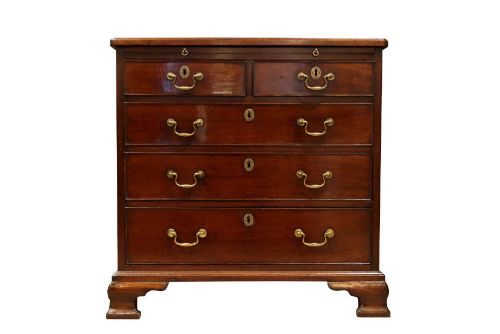
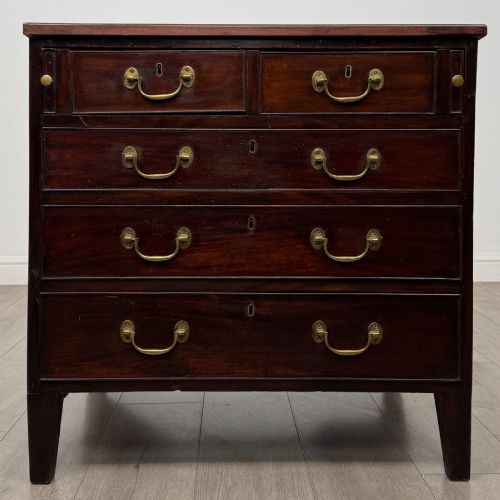
18th Century Storage Drawers
These 18th century storage drawers offer practical utility paired with period craftsmanship, satisfying collectors who value historic domestic furniture.
18th Century Storage Drawers
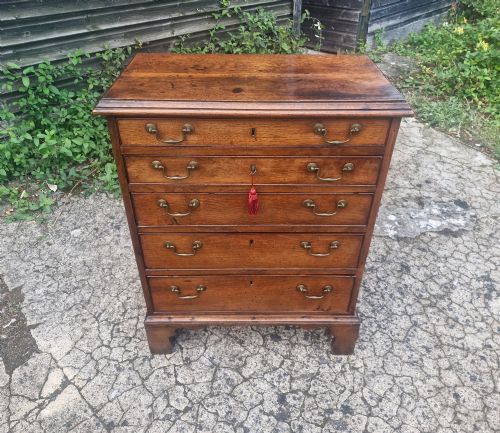
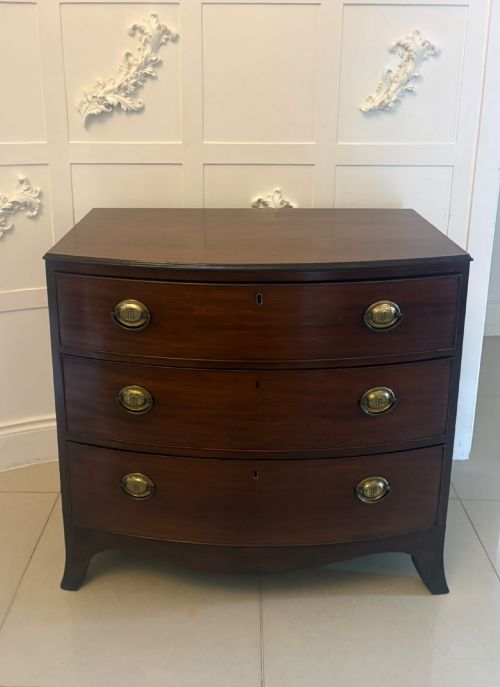
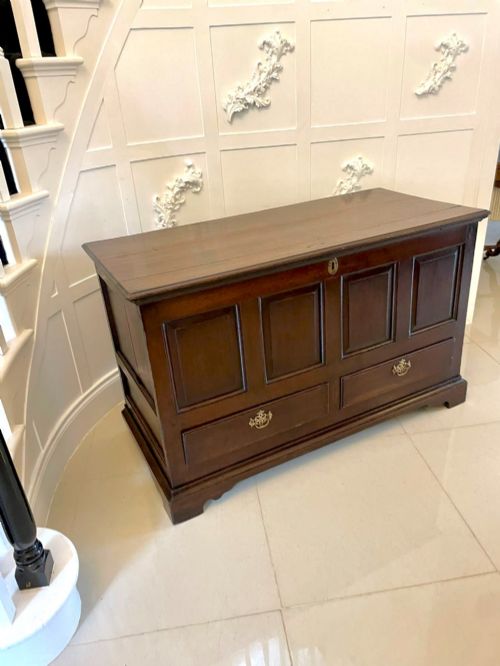
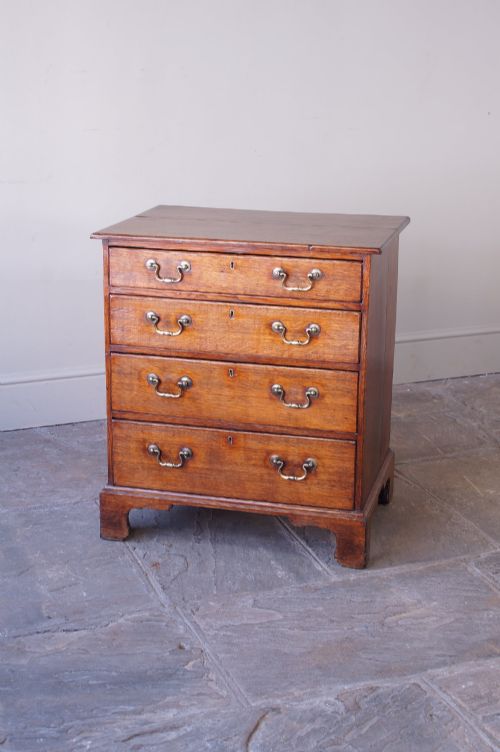
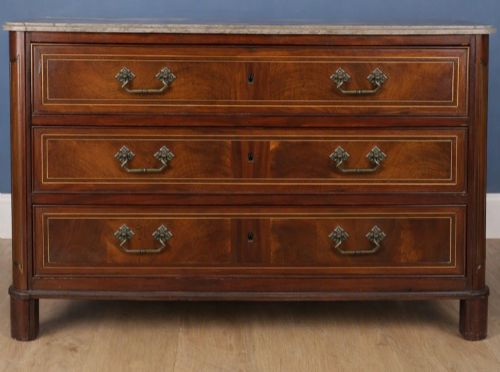
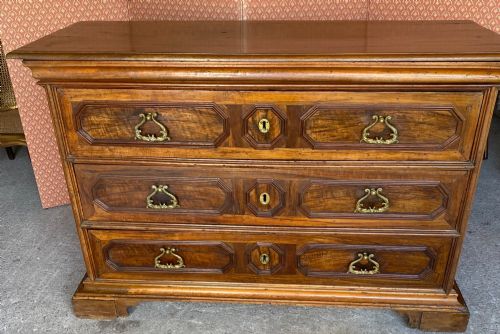
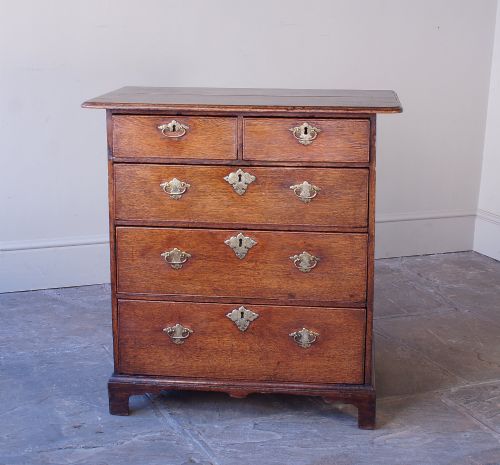
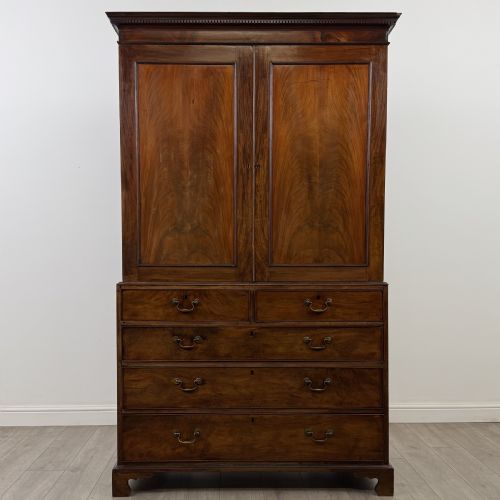
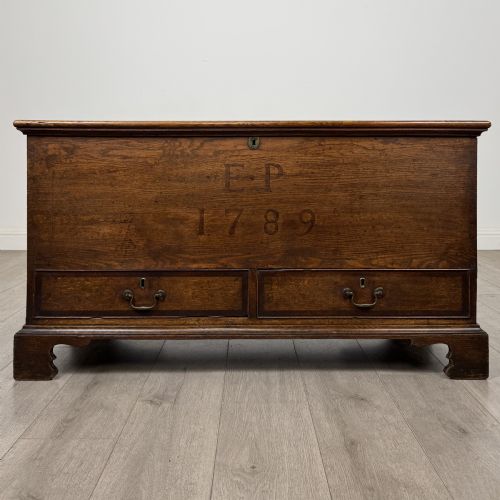
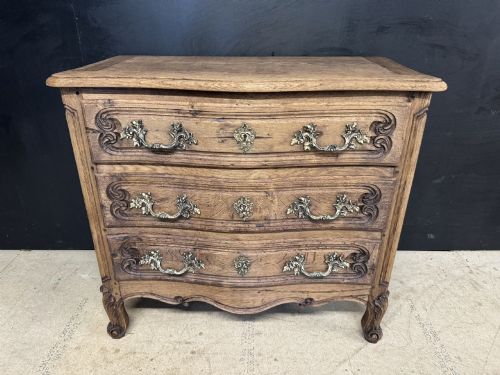
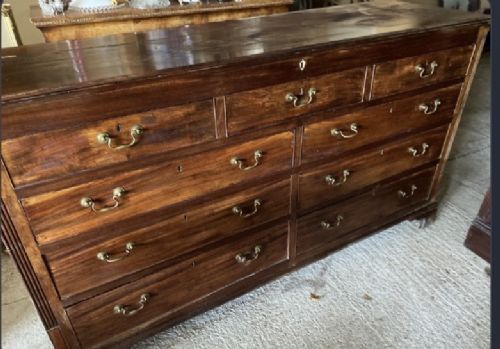
When you search for 18th century storage drawers, you encounter a variety of forms designed to hold household goods and clothing in period homes. These pieces range from standard chests of drawers to more complex case furniture like chests on chests, commodes, and mule chests with internal compartments.
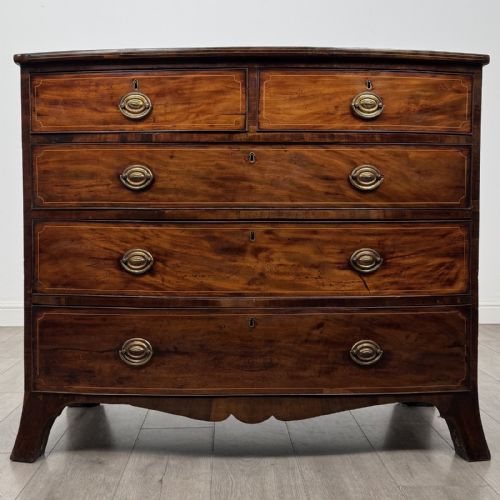
The specimens on this page originate predominantly from the Georgian and 18th century periods, alongside some pieces from the 19th century and the year 1800. You are most likely to meet mahogany and oak examples, often constructed with multiple graduated drawers and fitted with brass handles.
Beyond standard chests, the selection includes related storage formats such as cupboards, wardrobes, dressers, and coffers with drawers. Many display regional British or continental European characteristics, including Dutch burr walnut and French provincial designs.
How they were made
Cabinet makers of the period utilised timber planks selected for figure and durability, predominantly working with mahogany, oak, walnut, pine, and cherrywood. Surfaces were frequently embellished with veneers, such as burr walnut, or detailed with crossbanding and herringbone banding to frame the drawer fronts.
Construction relied on traditional joinery methods suited to the wood type, incorporating solid timber drawer linings and structural framing. Metal elements such as brass handles and escutcheons were cast and fitted to secure the drawers and complement the polished wooden surfaces.
Listings feature woods including mahogany, oak, walnut, pine, cherrywood, and burr walnut, alongside brass hardware.
What varies in quality
The degree of refinement in timber selection and cabinet work largely determines the character of each piece. Finer examples display carefully matched figured veneers, intricate mouldings like geometric patterns or serpentine fronts, and integrated functional elements such as brushing slides.
Proportion and execution of detail also separate standard utility furniture from high-status commissions. Pieces featuring well-preserved original brass hardware, sophisticated cabinetry like chest on chest structures, and harmonious wood grains command greater appreciation among collectors.
J Moorcroft
The 18th Century Storage Drawers Glossary
- Brushing slide
- A pull-out shelf integrated above the top drawers, historically used for folding garments or grooming. It slides discreetly into the cabinet frame when not in use.
- Chest on chest
- A tall storage unit comprising one cabinet stacked directly on top of another, providing substantial vertical capacity. This form became popular during the Georgian period.
- Serpentine front
- A curved drawer front featuring a convex centre flanked by concave curves, or vice versa. It requires advanced woodworking skill to execute properly.
- Mule chest
- A traditional storage chest fitted with one or more drawers at the base beneath the main compartment. These pieces combine blanket storage with accessible drawer space.
- Crossbanding
- A decorative border technique where narrow strips of veneer are applied so the grain runs perpendicular to the main panel. This frames drawer fronts and top surfaces.
18th Century Storage Drawers: Frequently Asked Questions
What is a brushing slide used for?
A brushing slide provides a temporary flat surface for folding garments or placing items while accessing the drawers below. It retracts flush into the cabinet when not needed.
Cabinet makers integrated these slides into higher-quality chests and desks during the 18th century to add practical utility without increasing the footprint.
How do I identify a Georgian chest?
Georgian chests typically exhibit classical proportions, quality timber construction in mahogany, oak, or walnut, and distinct period brass hardware. Stylistic details often follow the prevailing tastes of the reigns of George I through George III.
Many examples feature graduated drawers, bracket feet or ogee feet, and sometimes specialised fronts like serpentine shapes or brushing slides.
What is the difference between a mule chest and a chest of drawers?
A mule chest primarily consists of a large lidded box compartment with one or more functional drawers built into the base underneath. A standard chest of drawers is vertically stacked with multiple pull-out drawers from top to bottom.
Mule chests evolved to offer both deep blanket storage and easily accessible compartmentalized space for smaller garments.
Which woods were commonly used?
Oak and walnut predominated in the earlier parts of the 18th century, while mahogany became the dominant timber for fine cabinet making as the period progressed. Pine and cedar frequently served as secondary woods for drawer linings and internal framing.
Cabinet makers also utilised fruitwoods like cherrywood and decorative veneers such as burr walnut to create varied visual textures.