


18th Century Spanish Painting
These pieces of 18th century spanish painting and related works bring centuries of dramatic religious devotion and continental craftsmanship directly into your interior.
18th Century Spanish Painting
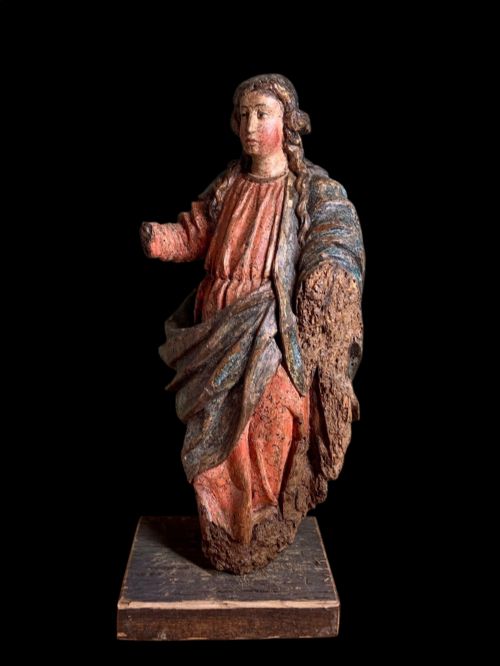
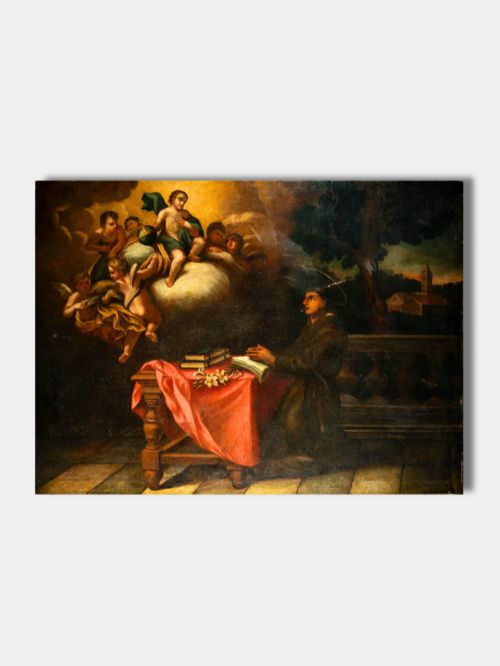
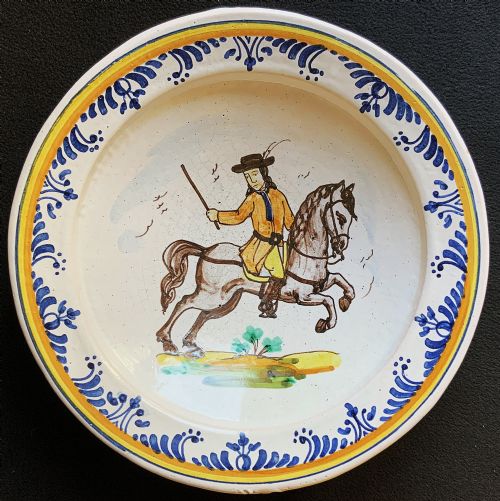
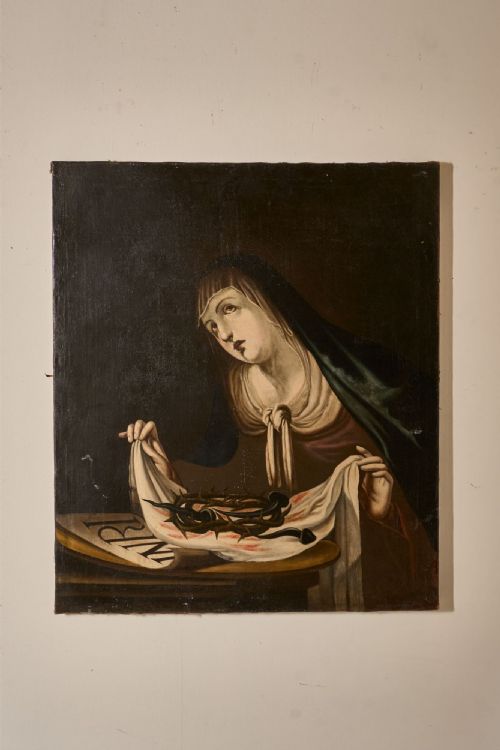
When you search for 18th century spanish painting, you encounter canvases, polychrome wooden carvings, and tin-glazed ceramics rooted in the baroque and rococo traditions. The selection ranges from devotional oil paintings depicting saints and biblical scenes to decorative chargers and carved figures.
You meet monumental oil paintings alongside smaller portraits and painted religious panels created by the Spanish School and regional workshops. Alongside flat canvases, the category embraces polychrome wood sculptures, leather screens, and faience tureens from the same era.
How they were made
Makers applied oil paint to stretched canvas surfaces, frequently utilising gesso grounds to prepare the wood panels and sculptural supports for pigments and gilding. Artisans also shaped solid wood into detailed figures of saints before applying complex layers of polychrome paint.
Potters formed tin-glazed earthenware and faience vessels, decorating them with hand-painted polychrome pigments. Leatherworkers embossed and hand-painted screens with gold leaf and rich colour palettes.
Listings feature oil on canvas, carved polychrome wood, and tin-glazed earthenware spanning the seventeenth, eighteenth, and early twentieth centuries.
What varies in quality
The degree of painterly refinement in facial expressions and drapery defines the upper tiers of canvas works, whereas cruder execution marks provincial output. Sculptural pieces rely on the crispness of the original wood carving and the preservation of the applied polychrome surface.
Ceramic quality is judged by the clarity of the tin glaze and the dexterity of the brushwork on chargers and tureens. Completeness of original gilding and pigment on leather screens and wooden figures heavily influences the character of each survival.
Juan Ruiz Soriano·Joaquín Luque y Roselló
The 18th Century Spanish Painting Glossary
- Polychrome paint
- Pigments applied in multiple colours to wood, canvas, or ceramic surfaces. This technique brings depth and realism to religious carvings and decorative objects.
- Tin-glazed earthenware
- Pottery coated with a tin-opacified glaze that provides a white background for painted decoration. It forms the basis for traditional faience and delft wares.
- Gesso
- A plaster mixture applied as a smooth surface preparation for painting on wood panels or canvas. It creates a stable base for fine oil pigments and gold leaf.
- Giltwood
- Wood that has been treated with a thin layer of gold leaf or powder. It adds reflective brilliance to frames, screens, and sculptural details.
- Faience
- Tin-glazed earthenware produced in European workshops, often featuring hand-painted botanical or figurative motifs. The glaze creates a glossy finish over the porous clay body.
18th Century Spanish Painting: Frequently Asked Questions
What subjects appear in these paintings?
Canvases frequently depict religious figures, including the Virgin Mary, various saints, and biblical narratives. Many compositions reflect the intense devotion of the Spanish baroque.
Other works record genre scenes and portraiture influenced by masters such as Murillo. Religious iconography remains the dominant theme across the selection.
How do I display a carved wooden figure?
Carved saints and character heads require stable interior environments away from direct sunlight and strong heat sources. Placing them on sturdy consoles or pedestals allows adequate viewing angles.
Avoid humid spaces that might destabilise the underlying wood and historical polychrome surface layers. Gentle dusting with a soft brush maintains the finish.
What is a faience tureen?
Faience tureens are tin-glazed earthenware serving vessels featuring hand-painted polychrome decoration and fitted covers. Artisans shaped these pieces into naturalistic forms like animals and birds.
They functioned as decorative tableware or centrepieces in wealthy households during the eighteenth century. Today they survive as collected examples of ceramic artistry.
How do I distinguish eighteenth-century pieces from later revivals?
Examination of the canvas weave, wood ageing, and pigment composition reveals the approximate period of manufacture. Eighteenth-century works exhibit natural material degradation consistent with age.
Revival pieces, such as those from later decades, display different tool marks, modern priming techniques, or synthetic pigments. Comparing stylistic conventions helps confirm the era.