



18th Century Silk
18th century silk textiles span elaborate woven fabrics, needlework pictures, and upholstery on Georgian armchairs.
18th Century Silk
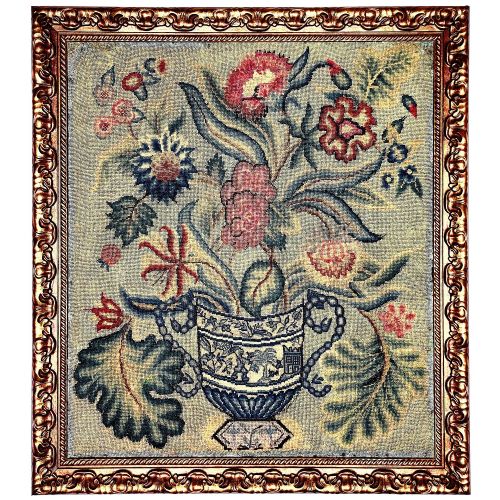
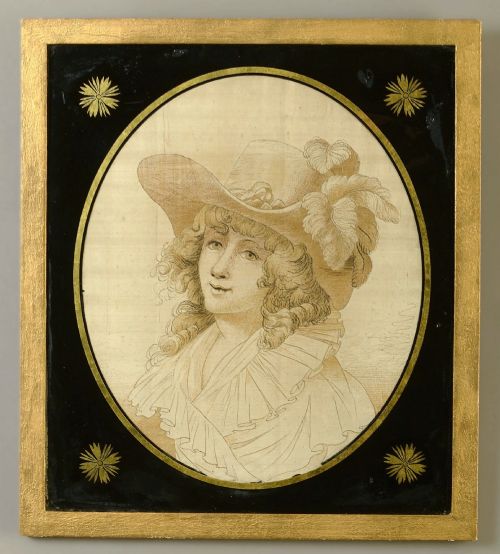
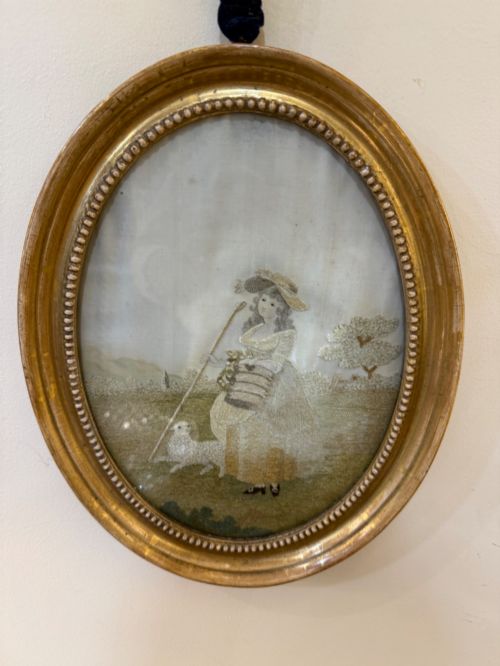
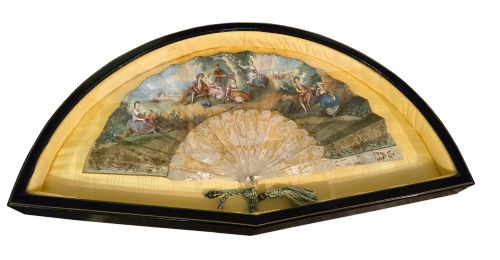
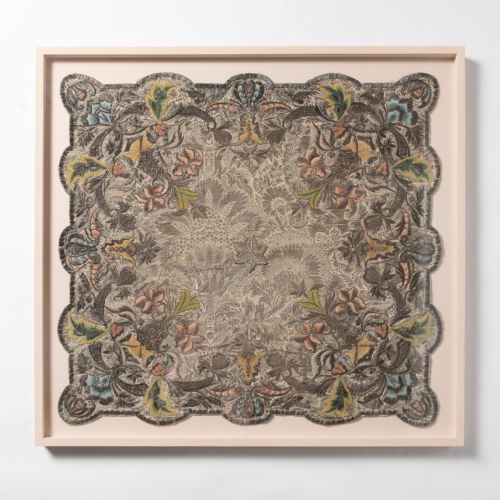
When you search for 18th century silk, you encounter a diverse array of survivals ranging from lengths of patterned textile and wall hangings to framed needlework samplers and embroidered pictures. These items reflect both professional weaving traditions and domestic needlework skills across Georgian England, France, and wider Europe.
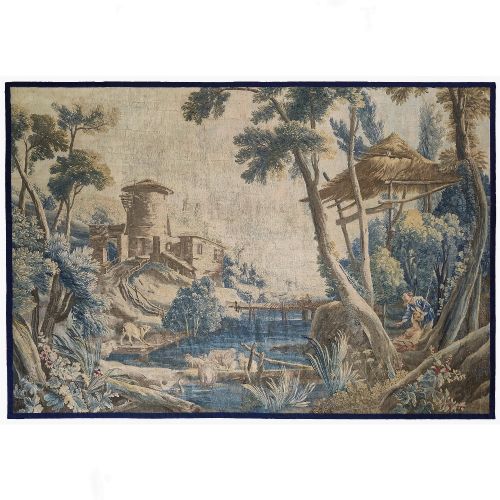
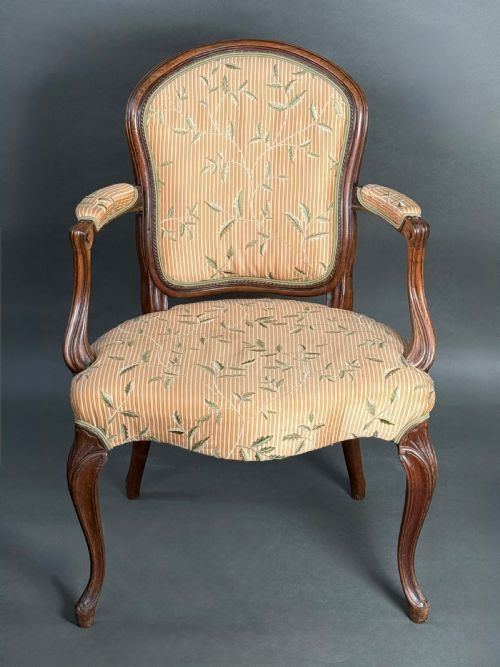
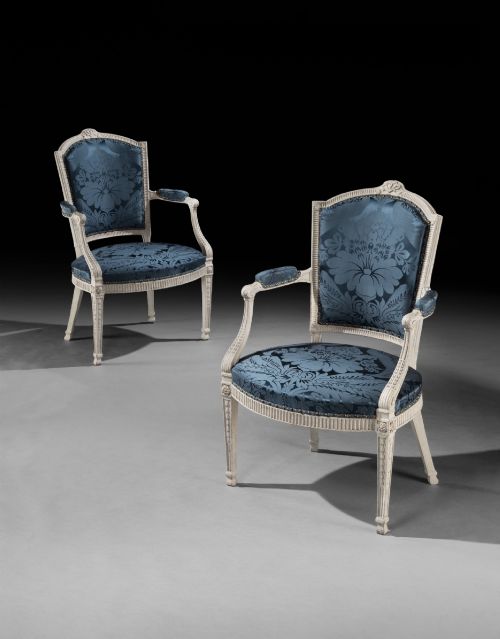
The material frequently appears as upholstery on period seating such as Hepplewhite and George III mahogany armchairs, or as standalone framed panels, cushions, and waistcoats. Buyers also find larger scale textile works like Flemish and Audenarde verdure tapestries incorporating silk elements alongside wool.
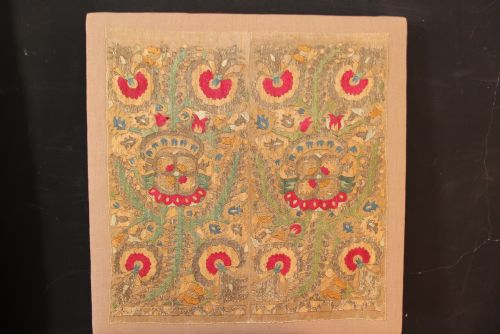
Regional embroideries from Greece, including island bedsheet borders and hand towel end panels from places like Skyros and Cretan workshops, demonstrate how different communities utilised silk thread on linen grounds. Alongside these, Chinese export pieces such as ceremonial dresses and sleeve panels show the global reach of silk production during the period.
Materials and construction
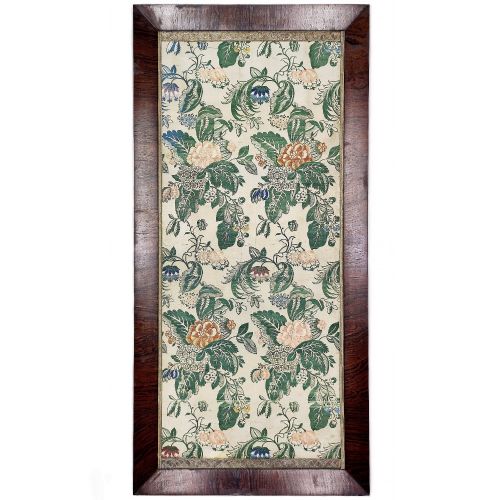
Makers constructed these textiles using fine silk threads, often combined with metal threads, wool, or linen grounds depending on the intended function of the piece. Woven fabrics like Bizarre silks and ciselé silk velvet utilised complex loom techniques to create raised, patterned surfaces.
18th Century Silk Retail Price Guide 2026
Typical asking prices for 18th century silk among the pieces listed under this phrase on Sellingantiques today, from the lower quarter to the upper quarter. They describe what is for sale here now, not the wider market.
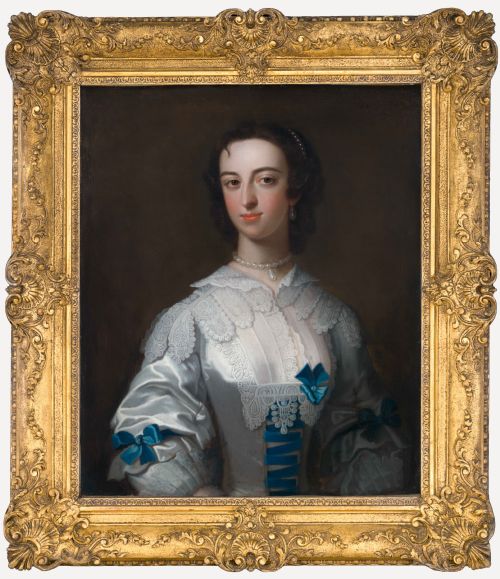
Listings feature 18th century silk in forms ranging from oil paintings of subjects in silk dresses to woven textile panels, tapestries, and embroidered maps.
Factors determining quality
Quality in these textiles rests upon the complexity of the weave, the density of the embroidery work, and the integrity of the material survival. Intricate lampas weaves and elaborate metal thread embroideries represent higher technical skill than simpler ground fabrics.
The preservation of original colour and structural stability largely dictates desirability, as silk degrades when exposed to light or acidic dyes over centuries. Pieces retaining their original frames, uncompromised backing structures, or crisp detail in pastoral scenes and armorial blazonry command greater attention from collectors.
Charles Jervas·Henry Pickering·Colefax and Fowler
The 18th Century Silk Glossary
- Bizarre silk
- A category of asymmetrical, exotic patterned silk textiles produced in Europe around the turn of the eighteenth century. They display unconventional motifs inspired by Eastern trade goods.
- Ciselé velvet
- A velvet technique where cut pile is combined with uncut loops to form a pattern against a lower ground. This creates a textured, two-tone effect popular in wall hangings.
- Sampler
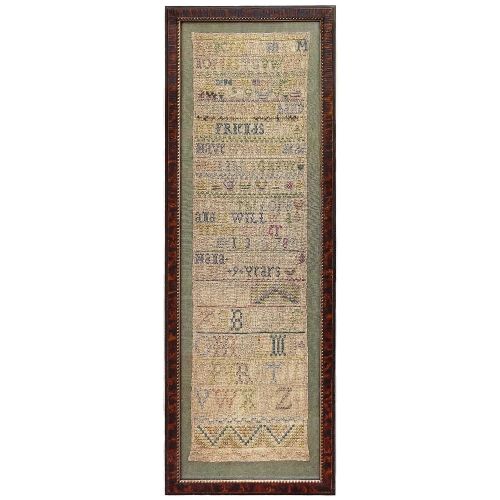
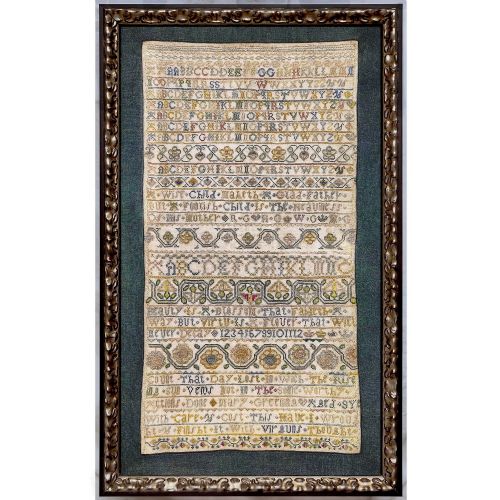
- A piece of needlework produced by a maker to demonstrate proficiency in various stitches and alphabets. Georgian examples frequently include genealogical records, maps, or pastoral scenes.
- Verdure tapestry
- A wall hanging depicting a stylised landscape dominated by foliage, trees, and occasionally animals. Silk threads were often woven into the foliage to catch the light.
- Lampas
- A figured textile where a pattern-weft creates the design on top of a ground weave. It allows for rich, multicoloured surfaces.
18th Century Silk: Frequently Asked Questions
How should I clean historical silk textiles?
Historical silk requires professional conservation rather than standard washing, as the fibres grow extremely brittle over time. Surface dust can sometimes be removed very gently with low suction through a protective mesh.
Water and chemical solvents will cause immediate damage or dissolve aged dyes. Consult a specialist textile conservator before attempting any form of maintenance.
Were these fabrics used for clothing or furnishings?
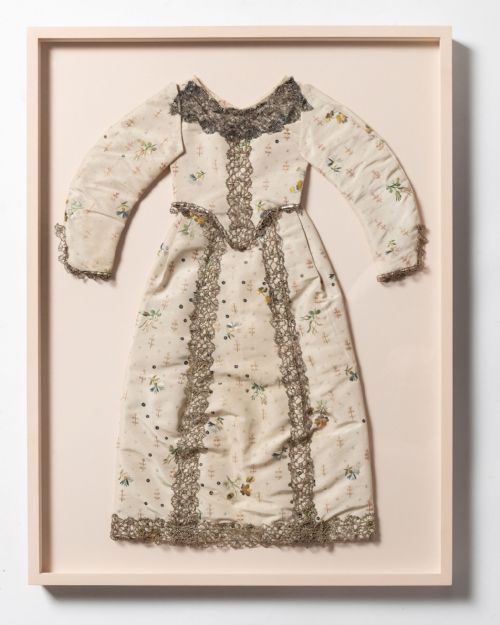
Eighteenth-century silk served both decorative and practical purposes across domestic interiors and personal wardrobes. Surviving fragments frequently originate from waistcoats, ceremonial dresses, or lengths intended for wall panels.
At the same time, substantial quantities were dedicated to upholstery for high-status seating such as open armchairs and sofas. Banners, cushion covers, and bedsheet borders illustrate the sheer versatility of the material.
How do I identify a Georgian silk sampler?
Georgian samplers generally feature embroidered alphabets, numbers, and pious verses executed in silk thread over a linen or canvas foundation. Many examples from this era incorporate topographical maps, pastoral landscapes, or coats of arms.
Look for traditional framing methods and natural ageing of the silk floss to help establish period authenticity. Stylistic motifs like Adam-style urns or floral borders also point towards the late eighteenth century.
Can I display these textiles in direct sunlight?
Direct sunlight causes rapid fading and irreversible degradation in historical silk fibres. Ultraviolet radiation breaks down the protein chains within the material, making it brittle and prone to tearing.
Display pieces in rooms with controlled, low-level ambient light and utilise UV-filtering glass on any framed needlework or paintings on silk.