
18th Century Serpentine Front
An 18th century serpentine front piece brings a distinct flowing silhouette to a room, offering both practical storage and sculptural presence through its sweeping concave and convex curves.
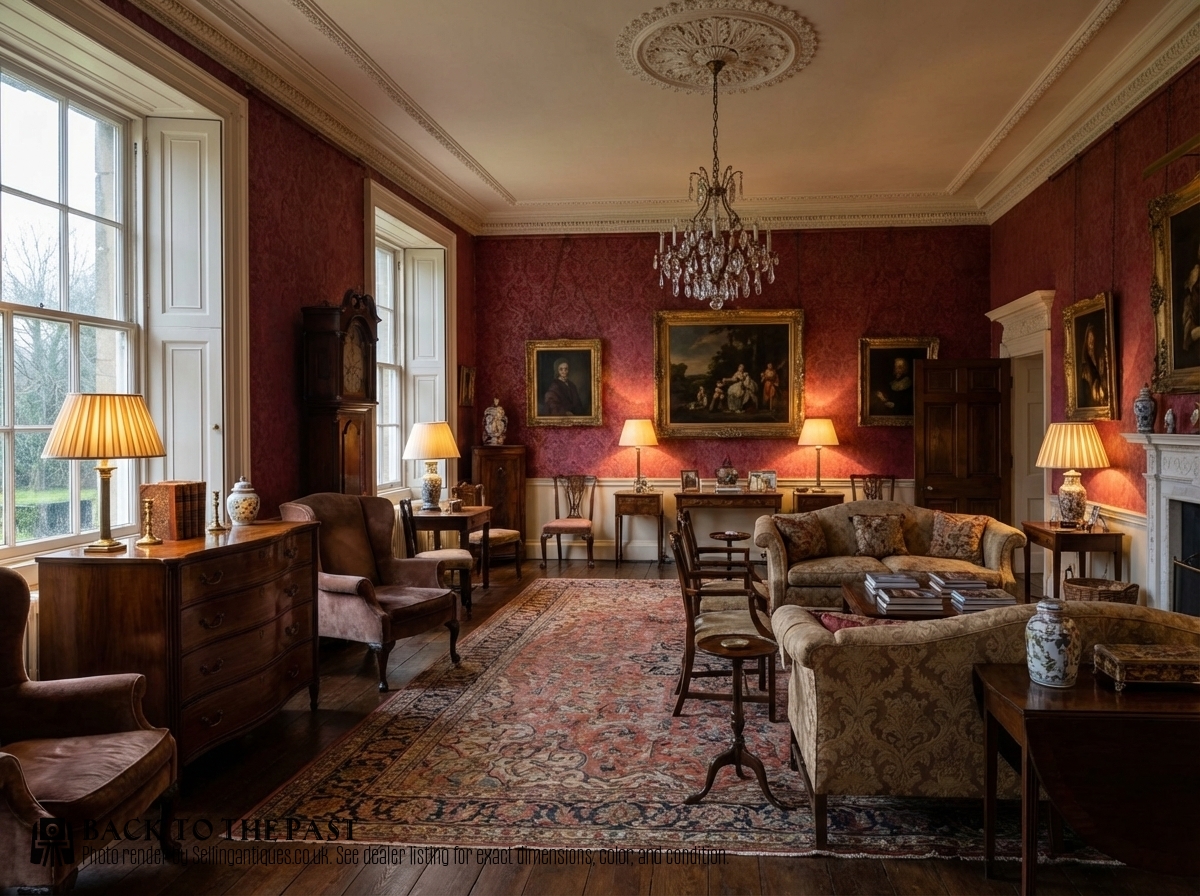
18th Century Serpentine Front
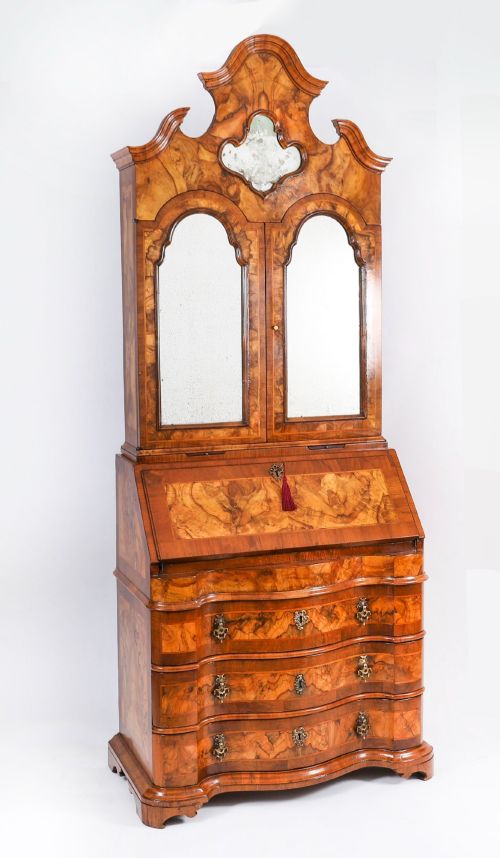
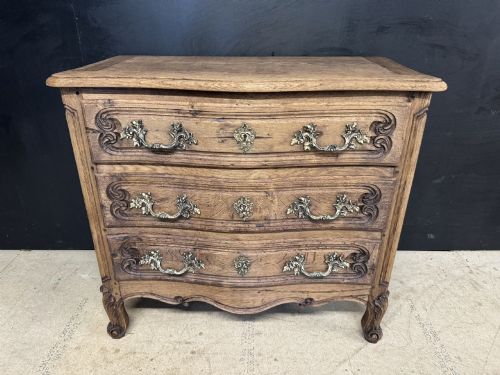
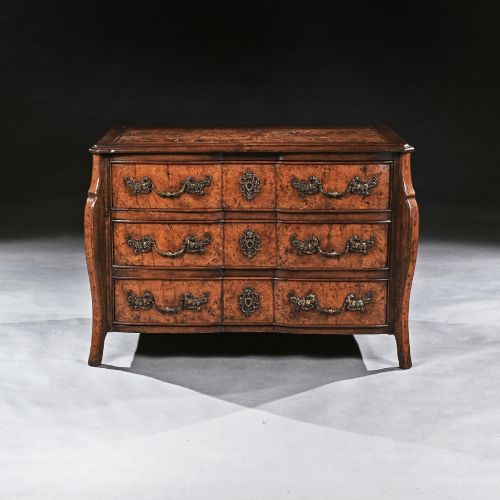
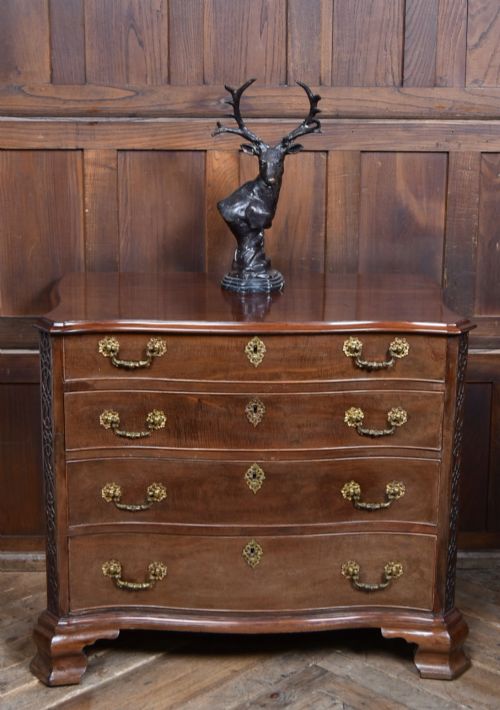
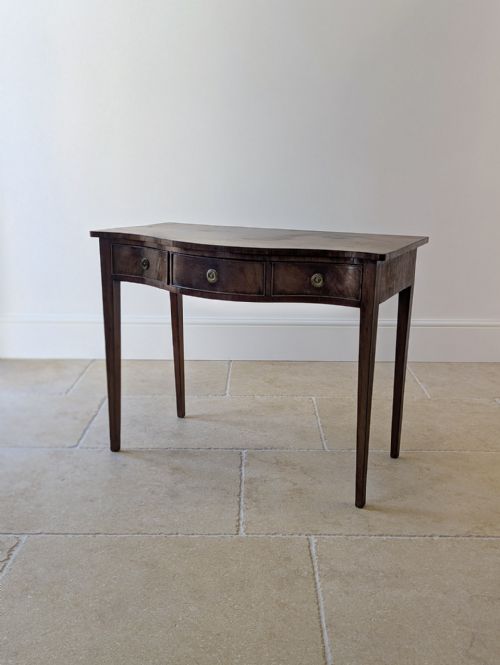
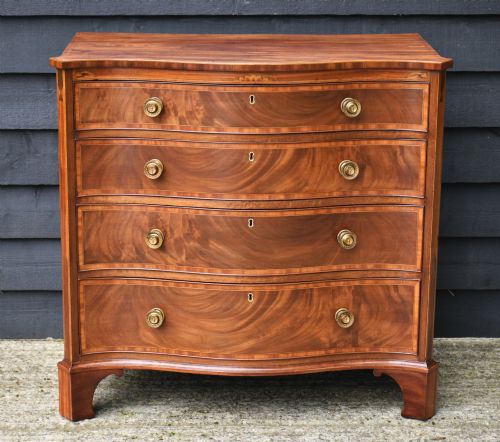
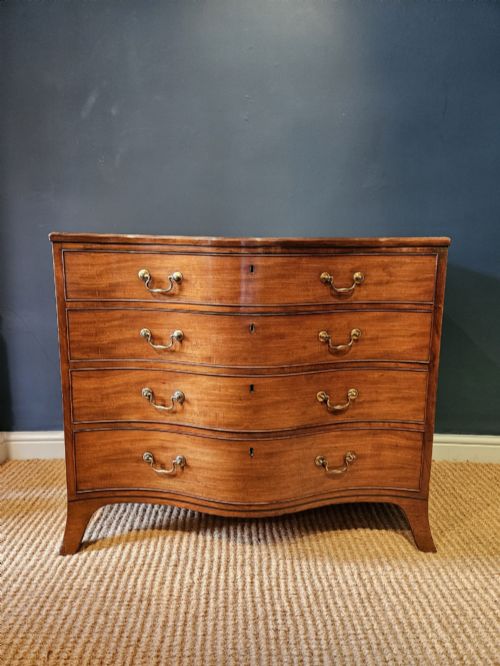
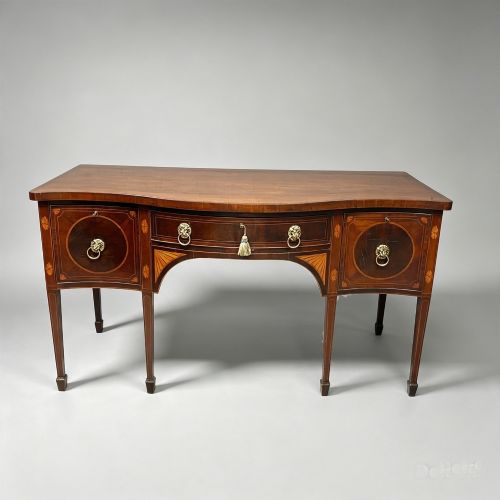
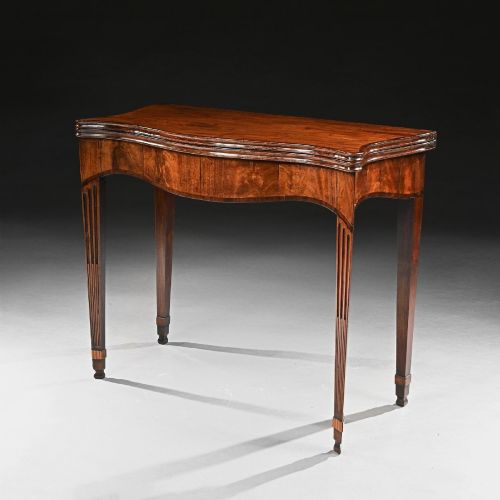
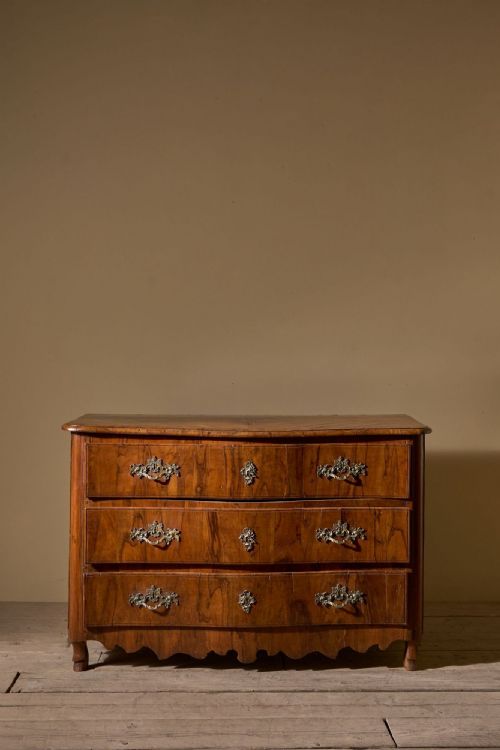
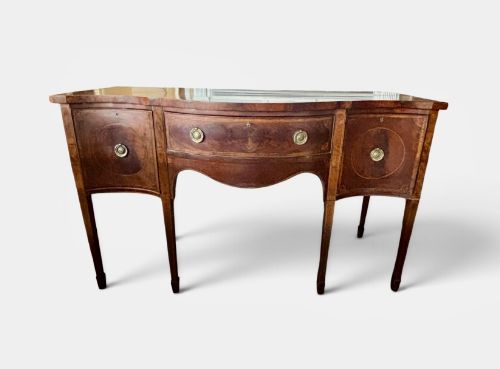
The phrase 18th century serpentine front describes furniture defined by a central convex curve flanked by concave sections, or vice versa, creating a flowing movement across the elevation of the piece. These items are predominantly chests of drawers, commodes, sideboards, and card tables produced during the Georgian and 18th century periods.
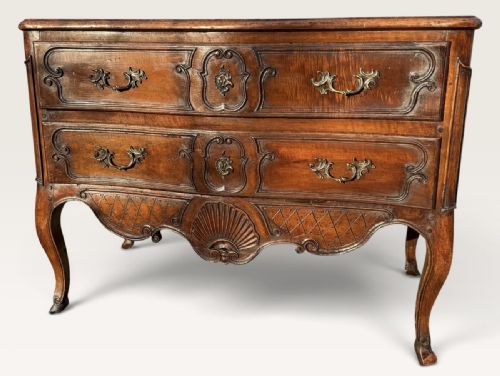
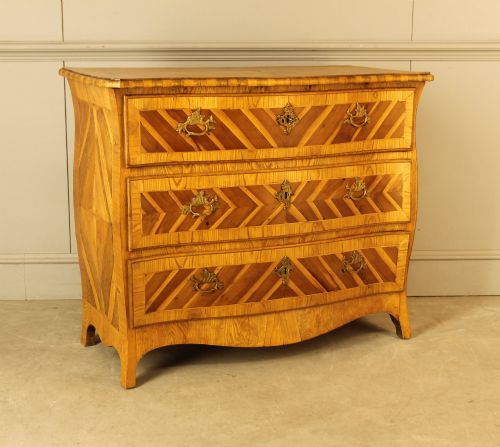
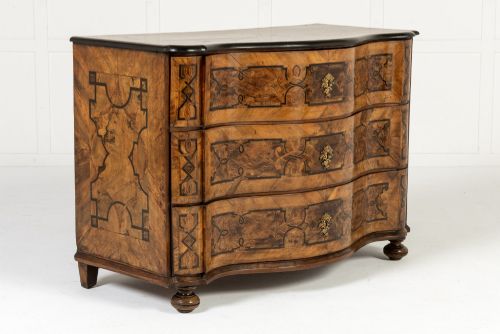
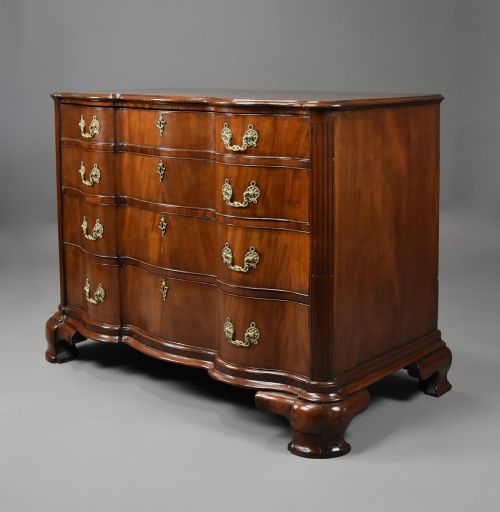
Buyers will most frequently encounter mahogany and walnut chests of drawers and commodes matching this description. The form appears across English, French, Dutch, and Italian craftsmanship, ranging from restrained Georgian designs to more exuberant continental commodes.
How They Were Made
Cabinetmakers constructed these undulating shapes using solid timbers such as mahogany, walnut, and oak, often applying figured veneers like burr walnut or tulipwood to the curved surfaces. Achieving the distinctive serpentine contour required shaping the solid wood drawer fronts and frames by hand to maintain structural integrity along the curves.
Makers integrated brass hardware, including swing handles and escutcheons, which followed the complex geometry of the drawer layouts. Inlaid marquetry and painted finishes appear alongside polished timber surfaces, demonstrating varied regional woodworking traditions.
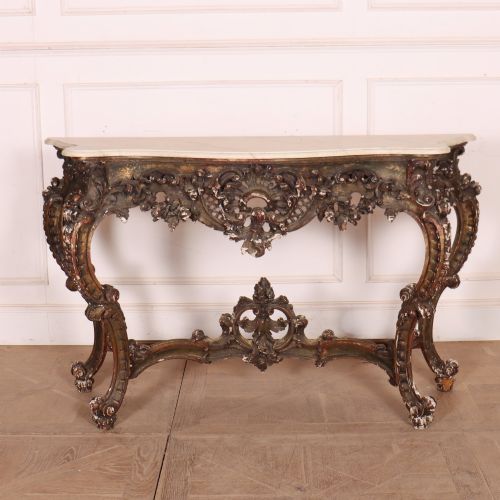
Object types include chests of drawers, card tables, sideboards, console tables, cutlery boxes, and side tables.
What Varies in Quality
The standard of an 18th century serpentine front piece rests on the precision of its curved joinery and the grain selection of the timber. Finer examples display continuous, well-matched veneer grain across the sweeping drawer fronts without distortion.
Proportion and execution of the carved or shaped bracket feet and aprons also distinguish superior pieces. Original brass mounts and the survival of an uncompromised patination elevate the standing of the furniture.
The 18th Century Serpentine Front Glossary
- Serpentine
- A furniture front characterised by a wavy outline featuring a convex centre flanked by concave curves. This contour requires advanced cabinetmaking skill to execute correctly.
- Commode
- A low chest of drawers or cabinet, often of continental European origin. The term frequently applies to highly decorative 18th century pieces with shaped fronts.
- Patina
- The surface sheen and deep colour developed by wood and finish over centuries of age and handling. Good patination is valued for its warm, authentic appearance.
- Marquetry
- Decorative veneer patterns formed by fitting together pieces of various woods, tinted veneers, or other materials. It is often seen on the drawer fronts and tops of continental pieces.
- Oxbow
- A furniture front variation where the curves are reversed, featuring a concave centre flanked by convex ends. This creates a distinct alternative to the standard serpentine profile.
18th Century Serpentine Front: Frequently Asked Questions
What is an 18th century serpentine front?
An 18th century serpentine front refers to furniture designed with a curving front edge that weaves inward and outward. This undulating shape was popular in British and continental workshops for chests, commodes, and tables.
The design breaks away from flat surfaces, catching the light differently across its curves. Cabinetmakers utilised this technique to add movement and elegance to functional storage pieces.
How do I care for a walnut serpentine chest?
Walnut furniture benefits from stable indoor environments away from direct sunlight and extreme humidity changes. Regular dusting with a soft, dry cloth preserves the polished surface.
Avoid using modern silicone sprays or harsh chemical cleaners on antique timber. Applying traditional beeswax occasionally helps nourish the wood and maintain its natural finish.
Were these pieces used only as bedroom furniture?
While chests of drawers and dressing chests served primarily in private rooms, serpentine forms included sideboards, console tables, and card tables. These items were placed in reception rooms, dining rooms, and hallways.
Dining rooms hosted sideboards for serving food, while card tables furnished drawing rooms for evening entertainment. Their decorative fronts suited public rooms where display mattered.
How can I distinguish English from continental pieces?
English pieces from the Georgian period often rely on solid mahogany with restrained classical proportions and bracket feet. Continental commodes from France, Italy, or Germany frequently feature elaborate marquetry, walnut, or painted finishes with bombe profiles.
Hardware styles, timber choices, and construction methods also point to specific regional origins. French and Italian examples often display more pronounced curves and decorative mounts.