
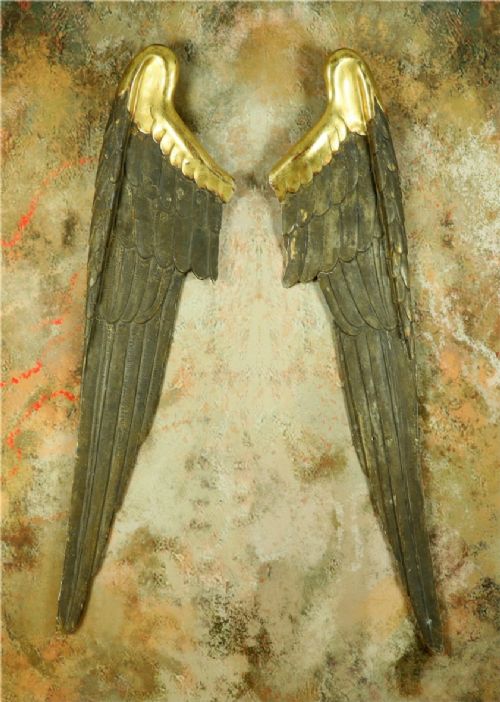

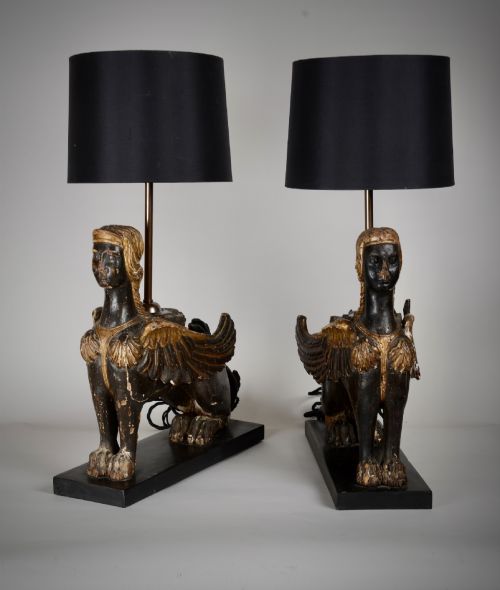
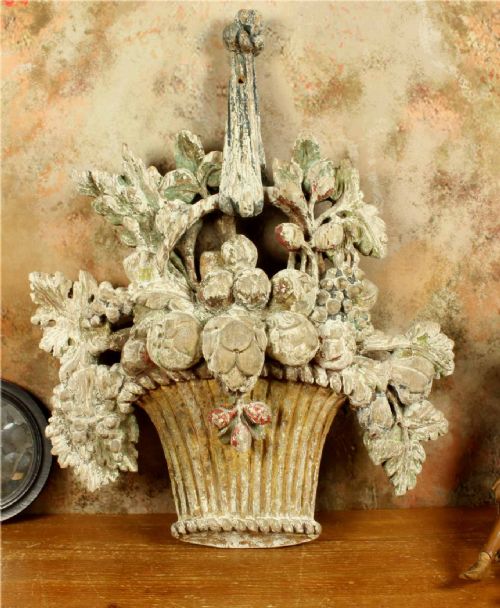
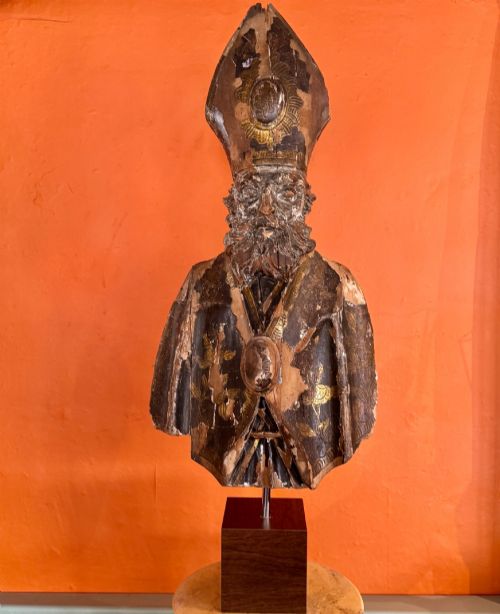
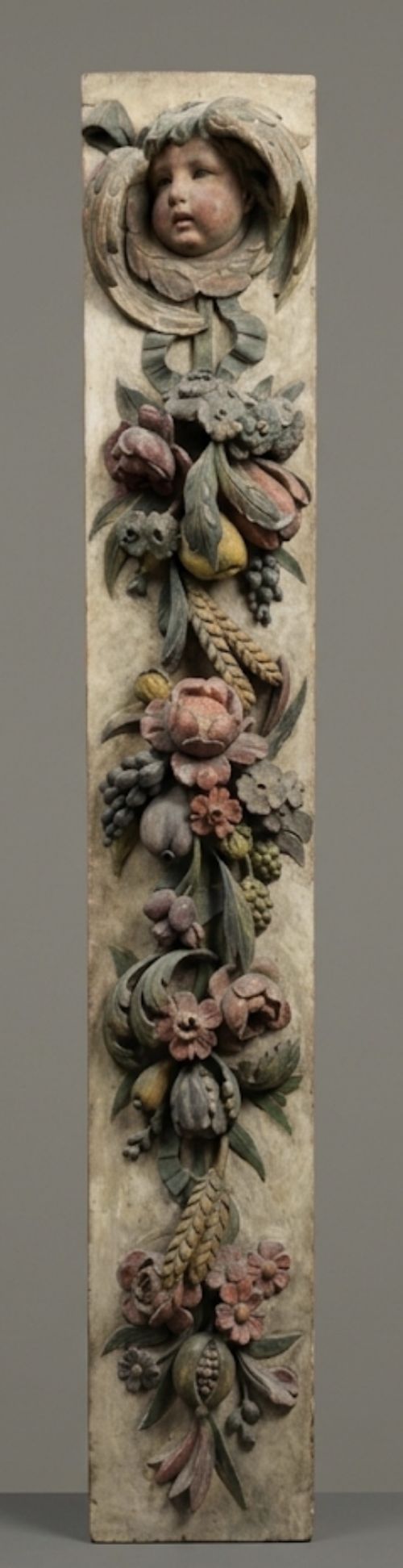
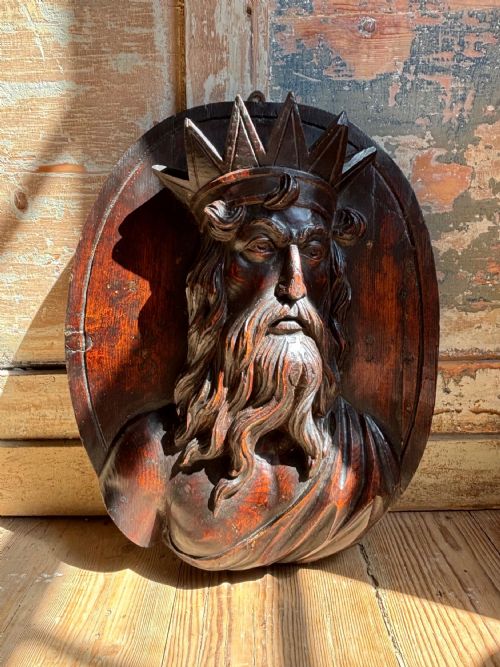
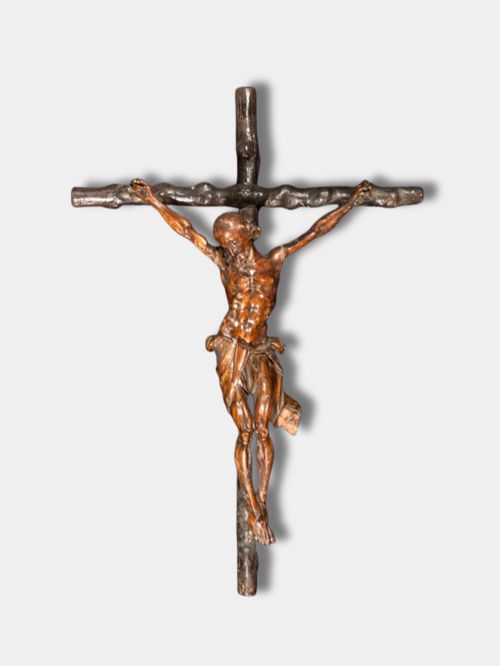
18th Century Sculpture
These pieces of 18th century sculpture capture the hand of the carver in wood, stone and marble, offering a tangible link to the past.
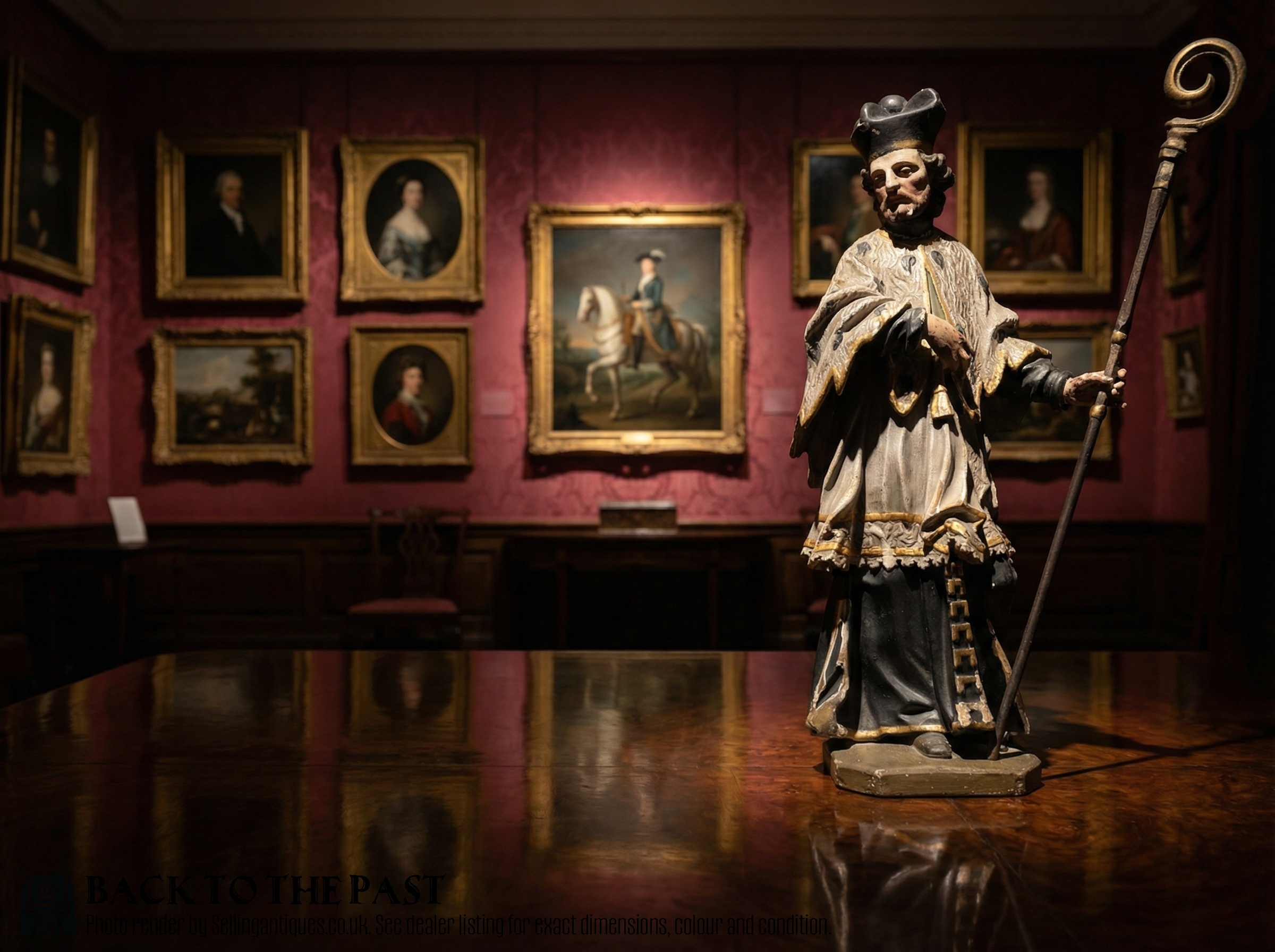
Understanding 18th Century Sculpture
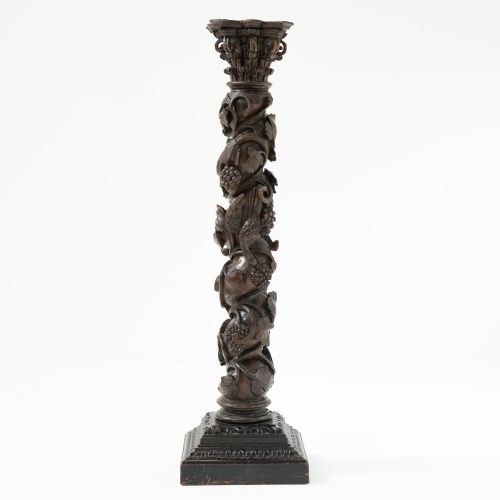
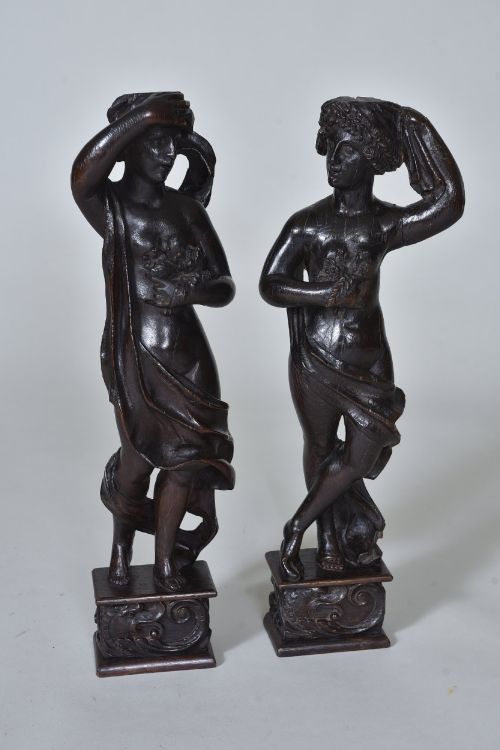
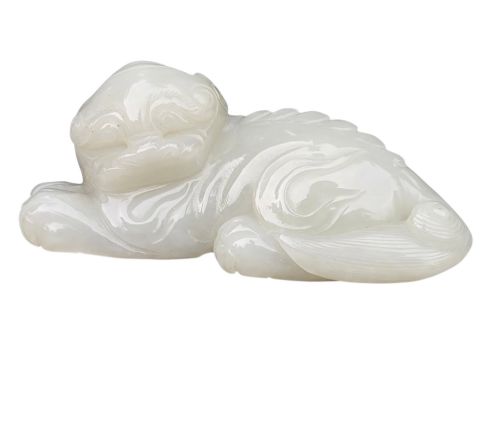
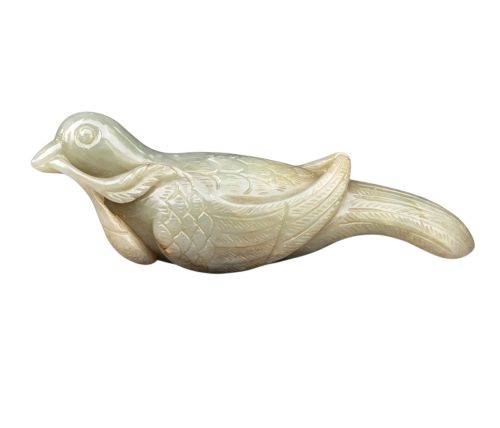
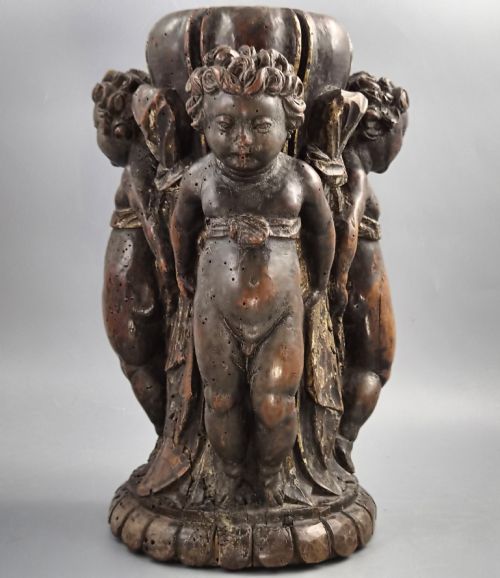
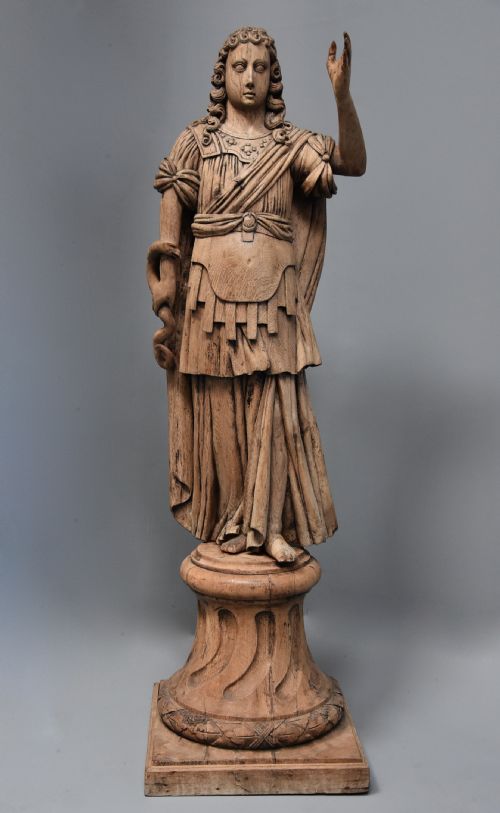
When you search for 18th century sculpture, you encounter a diverse range of figures, busts and architectural elements shaped from walnut, limewood, stone and marble. These works span folk art and classical traditions, reflecting the varied tastes of the period.
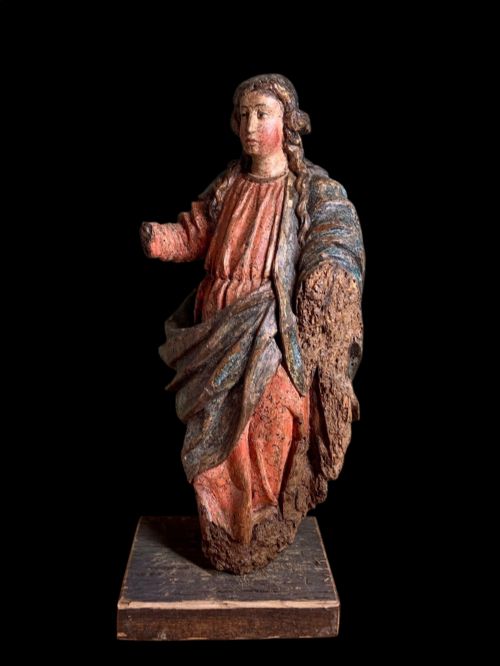
Religious figures and classical subjects dominate the forms seen here, alongside portrait busts and architectural corbels. Walnut, limewood and white marble serve as the primary media for these carved representations.
Stylistic expressions shift noticeably across the pieces, moving from ornate Baroque and restrained Neoclassical designs to direct examples of 18th century folk art. Each version brings a distinct sculptural language shaped by its origin and material.
Materials and Carving Techniques
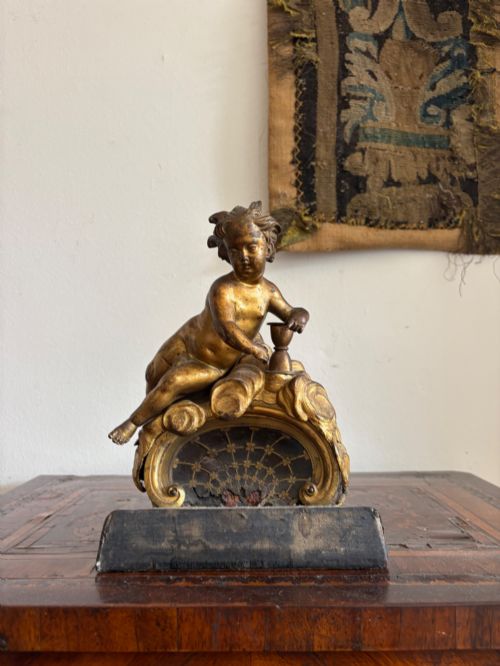
Makers shaped these sculptures from hardwoods such as walnut and dark oak, alongside tactile limewood and durable stone or white marble. Gesso and gold leaf frequently surface on carved wooden elements to add a reflective finish.
The carving process relies on hand chisels and gouges to define form and musculature, whether working dense timber or resistant marble. Polychrome painted surfaces on certain wooden figures demonstrate how carvers combined pigment with relief work.
Retail Price Guide 2026
Typical UK retail prices for 18th century sculpture, calculated from the Sellingantiques database of over a million retail prices indexed since 2003. This retail price guide relies exclusively on Sellingantiques data; no external sources or auction records are used, so the figures do not describe the wider market.
Materials recorded across these listings include gesso, gold leaf, hardwood, walnut, limewood, white marble and stone.
Distinctions in Quality
The distinction between ordinary and exceptional carving rests on the confidence of the chisel work and the anatomical understanding of the maker. Master carvers render drapery, expression and texture with fluid depth, whereas lesser examples remain stiff and generalized.
The choice of medium also dictates the character of the piece, with finely grained limewood and polished white marble allowing for sharper detail than coarser stone or dark oak. Surface treatments, including the retention of original gilding and polychrome, preserve the visual intent of the period.
The 18th Century Sculpture Glossary
- Limewood
- A fine-grained timber favoured by carvers for its lack of prominent grain, allowing for intricate undercut details. It was widely used across European workshops during the period.
- Corbel
- A structural stone or wood bracket projecting from a wall to support a weight, often carved into figurative or animal shapes. These served both architectural and decorative functions.
- Polychrome
- The practice of decorating sculptural surfaces in a variety of colours using paint. This technique brought realism and visual emphasis to religious and secular wooden figures.
- Gesso
- A plaster-like mixture applied to wood as a smooth base for gilding or painting. It provides a stable ground for gold leaf adhesion.
- Neoclassical
- A style inspired by the classical art and culture of ancient Greece and Rome, prioritising restraint, proportion and heroic subject matter.
Frequently Asked Questions
What materials were used?
Carvers utilised a range of materials including limewood, walnut, oak, white marble and stone. Some wooden pieces also incorporate gesso and gold leaf.
Surface finishes extend to polychrome paint schemes, adding colour and definition to specific carved figures.
How do I identify styles?
Styles encompass Baroque, Neoclassical and 18th century folk art traditions. Baroque pieces display dynamic movement, while Neoclassical works favour classical restraint and proportion.
Folk art examples show a more direct, unpretentious execution by regional makers.
Where were they made?
Origins span various European regions, with specific pieces noting German and French craftsmanship. The materials and subjects often reflect local workshop traditions.
Stylistic markers help connect individual sculptures to their geographical and cultural roots.
How were they displayed?
Figures and busts served as interior ornaments for homes, institutions and religious settings. Architectural elements like corbels functioned as structural supports while adding decorative relief.
Their placement depended on whether the object was devotional, commemorative or purely ornamental.