


18th Century Scottish Artwork
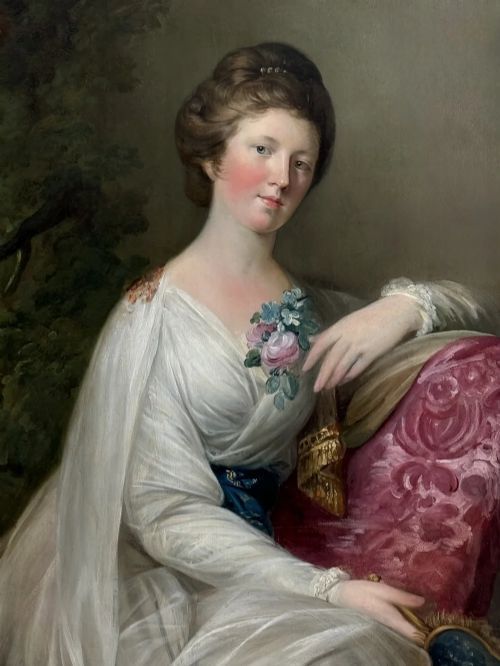
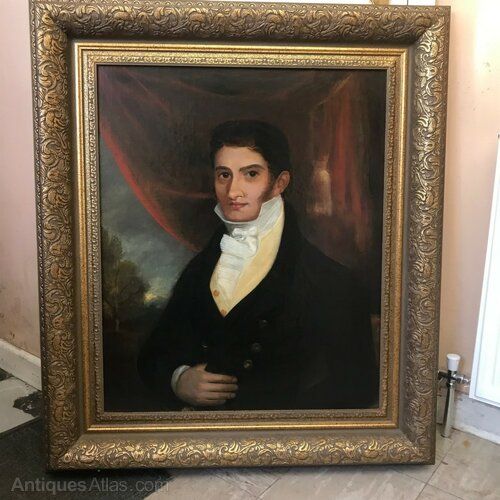
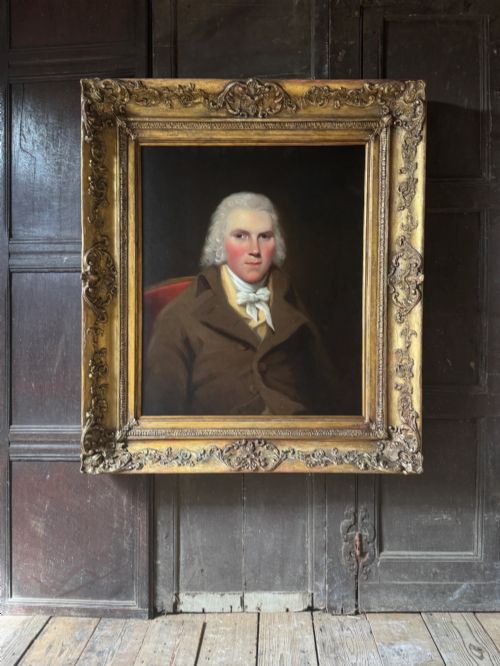
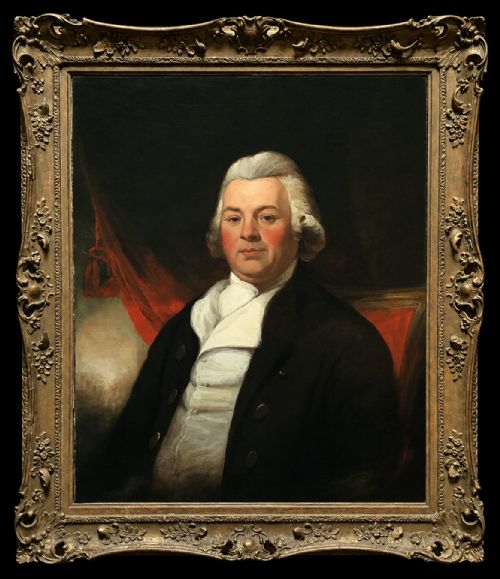
These 18th century scottish artwork pieces offer a direct window into the portraits and landscapes of the period, prized for their historical presence.
18th Century Scottish Artwork
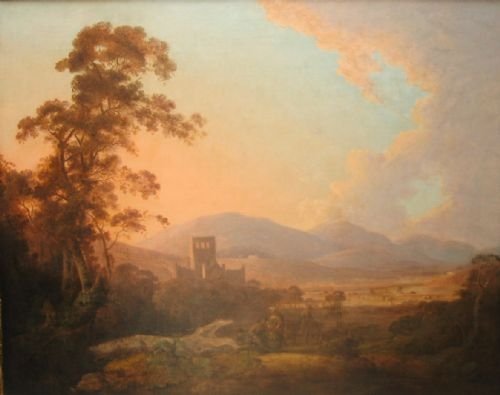
Subjects range from noble figures and military officers to ministers and peasants with their dogs. You also find regional views such as Melrose Abbey alongside Italianate landscapes executed in oil.
Materials and Technique
The works rely upon oil on canvas as the primary medium, supported by wooden stretchers. Frames frequently employ giltwood, gesso, and gold leaf to complement the painted surfaces.
Artists utilised traditional oil painting techniques, layering pigments to achieve depth in portraiture and landscape scenery. The surviving frames demonstrate period gilding methods using gesso beneath gold leaf.
A loyal canine companion shares the canvas with a Scottish peasant, proving that good dogs have been part of fine art for centuries.
Distinctions in Quality
Quality rests upon the strength of the brushwork and the clarity of the sitter's portrayal or landscape composition. Works attributed to known portraitists display superior anatomical handling and psychological depth compared to anonymous school pieces.
The preservation of the original oil surface and the integrity of the period giltwood frame heavily influence the standing of a piece. Finer examples retain their original canvas tension and uncompromised pigment layers.
George Willison·George Watson·Alan Ramsay·Richard Waitt·William Aikman·Julius Caeser Ibbetson
The 18th Century Scottish Artwork Glossary
- Oil on Canvas
- Pigments bound in a drying oil medium applied to a woven canvas support. This method dominated portrait and landscape production through the period.
- Giltwood
- Wood carved and covered with gold leaf or a thin layer of gold. It forms the decorative framing typical of Georgian and Regency wall art.
- Gesso
- A paint mixture consisting of a neutral binder mixed with chalk or gypsum. It serves as a smooth preparation base for gilding on wooden frames.
- Italianate
- A stylistic influence derived from Italian landscape traditions. Artists applied these classical compositional elements to Scottish scenery.
18th Century Scottish Artwork: Frequently Asked Questions
What subjects appear in these paintings?
The subjects include Scottish nobility, military officers, ministers, and local figures captured in detailed portraiture. Landscapes and regional architectural views also feature prominently.
These depictions reflect the social hierarchy and geography of Scotland during the eighteenth and early nineteenth centuries.
How do I identify the period?
Dating relies on costume details, sitter documentation, and stylistic markers associated with Georgian and Regency eras. Attribution to specific painters helps narrow the timeframe.
Material analysis of the canvas and underlying gesso frames further assists in confirming the century of creation.
Where were these pieces displayed?
Original owners hung these artworks in country houses, Scottish estates, and formal drawing rooms. They served to document family lineages and civic status.
Today, they suit traditional domestic interiors and historical display spaces alike.
How do I care for an oil painting?
Maintain stable humidity and temperature away from direct sunlight to protect the canvas and oil pigments. Dust the surface gently with a soft, dry brush.
Avoid chemical cleaners on both the canvas and the delicate giltwood frame.