

18th Century Oil
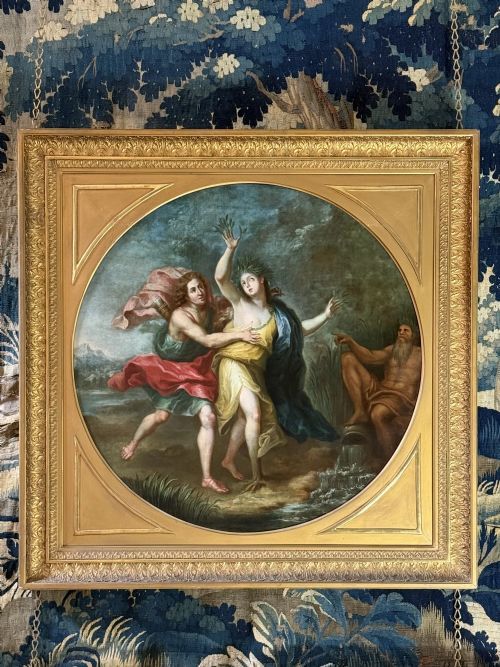
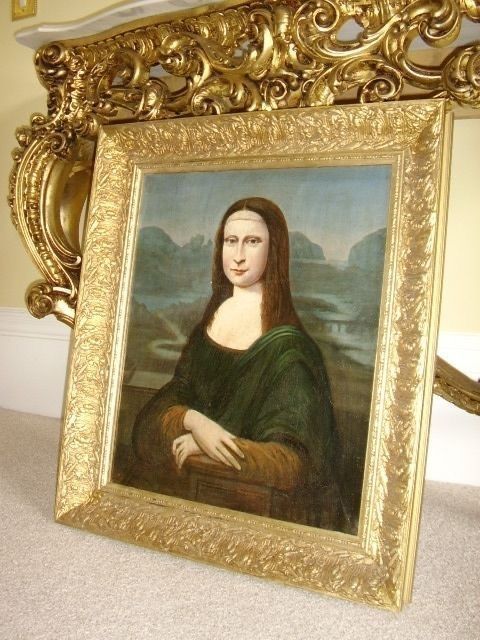
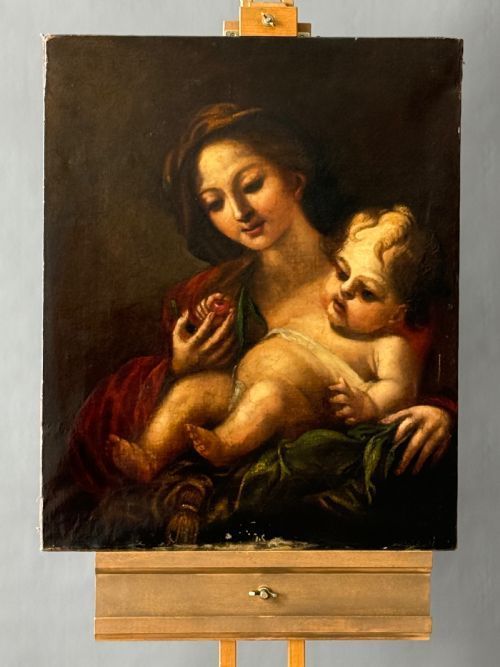
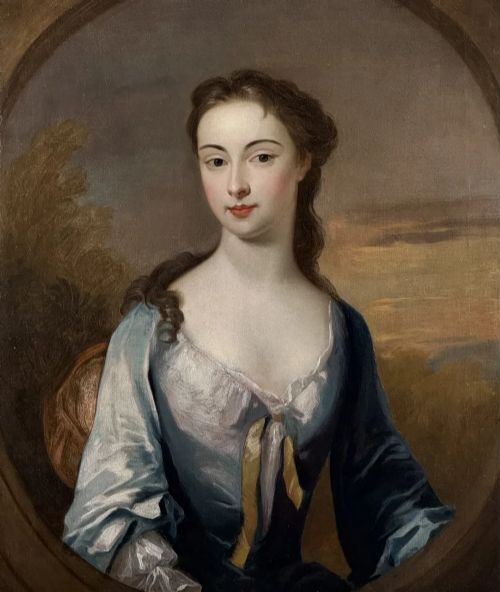
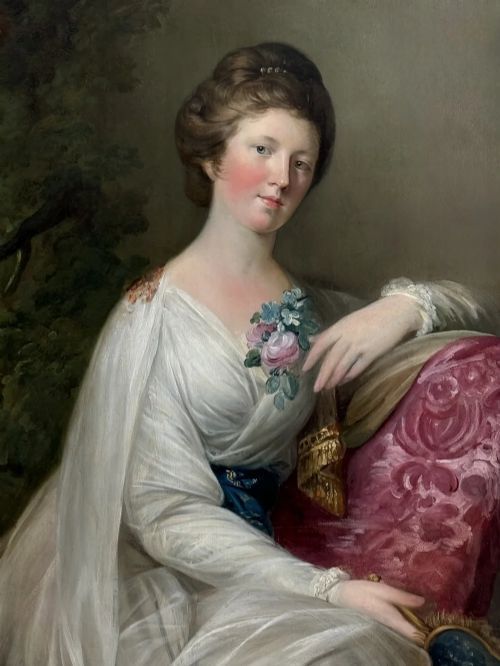
These historic canvas works capture portraiture, landscape and narrative scenes from an era of master painters.
18th Century Oil
When browsing for an 18th century oil, buyers encounter formal portraiture, pastoral landscapes and religious subjects rendered on woven supports or wooden panels. These historic artworks reflect the aesthetic priorities of Georgian society, the Grand Tour and continental European schools.
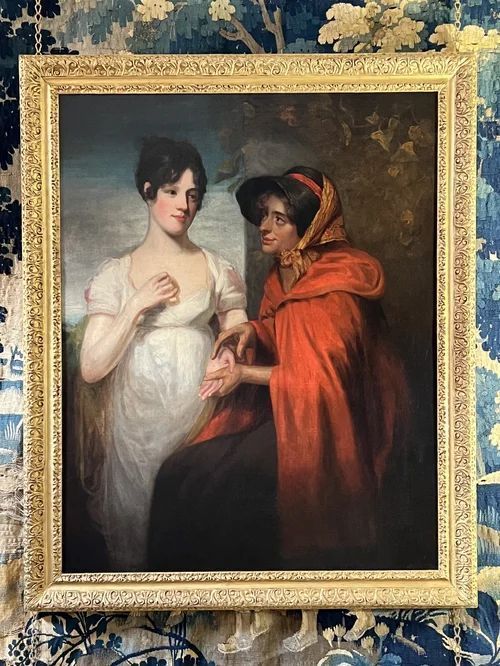
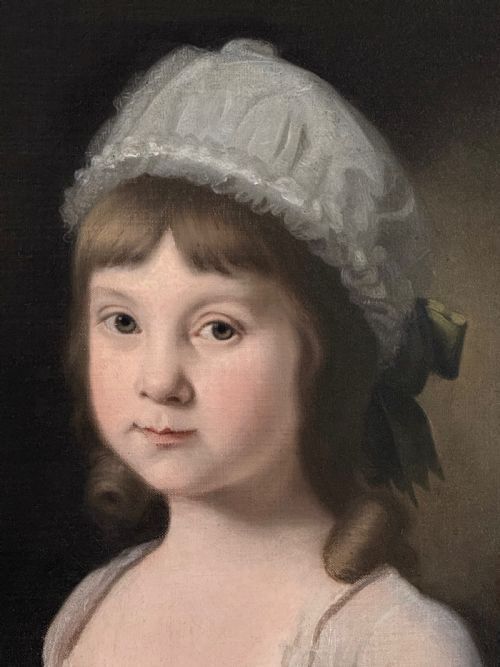
The selections available range from intimate depictions of country girls and naval officers to large allegorical compositions and coastal scenes. Many pieces originate from British, French, Dutch and Italian workshops, capturing the diverse regional painting traditions of the period.
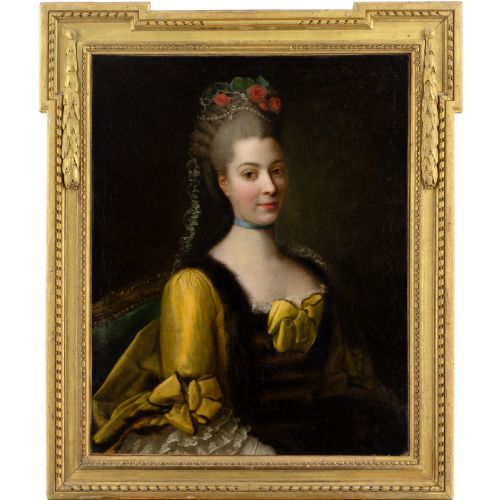
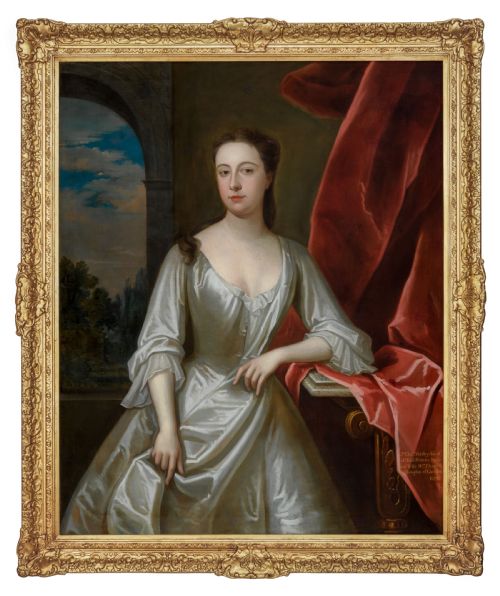
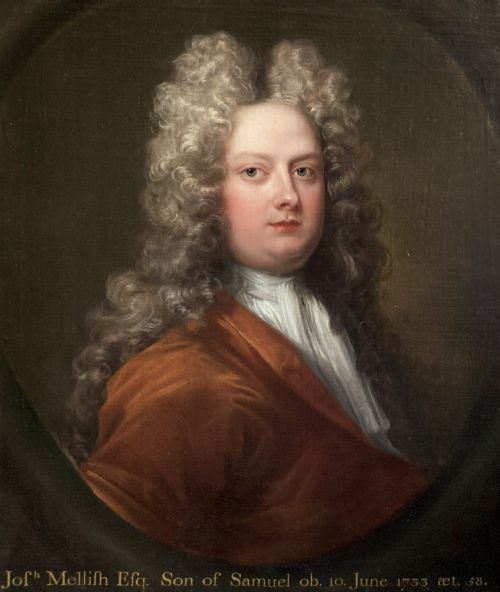
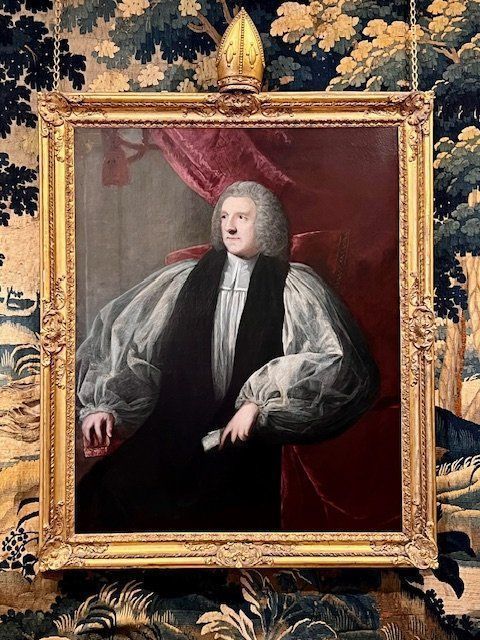
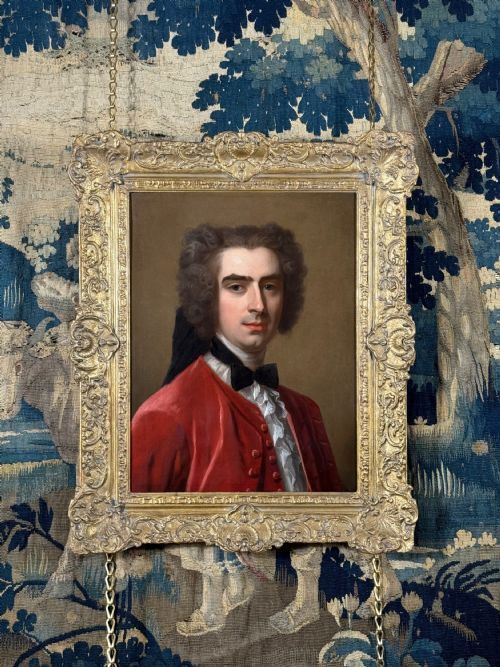
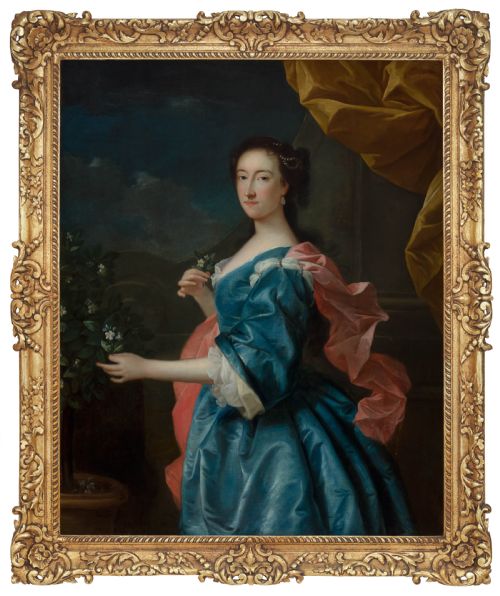
Portraits of nobility, merchants and clergy dominate the selection, frequently presented in period carved frames of giltwood. Buyers also find landscape views populated by figures, cattle and architectural ruins, reflecting the era's fascination with classical antiquity and the natural world.
Materials and construction methods
Artists of the period applied oil paint bound with linseed or walnut oils onto prepared linen canvas stretched over wooden frames, or directly onto solid wood panels. This medium allowed for rich colour blending, subtle tonal gradations and durable finishes that survive across centuries.
Surviving works are frequently housed in their original or period-appropriate frames constructed from wood with carved plaster mouldings finished in leaf gilding. These heavy moulded surrounds often feature floral motifs, scrolls and deep profiles characteristic of Baroque and Rococo design.
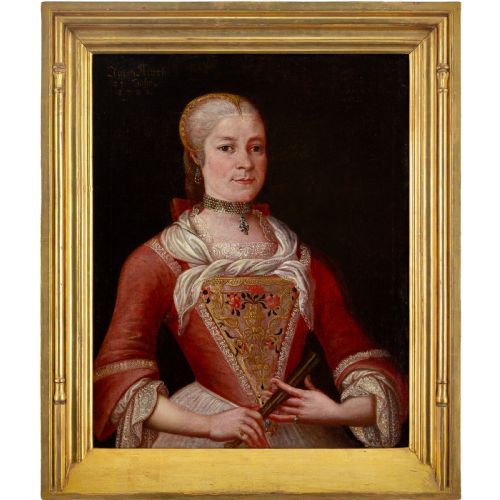
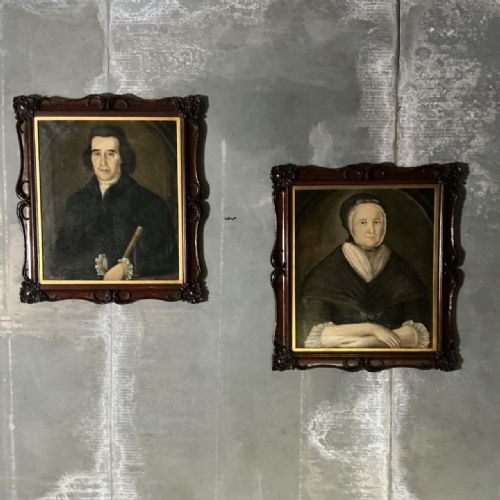
Several eighteenth-century portraits preserve the precise gazes of country girls, infantry officers and captains looking out across the centuries.
Indicators of superior execution
The distinction between standard workshop output and top-tier examples rests upon the dexterity of brushwork, anatomical accuracy and the psychological depth captured in facial expressions. Master hands achieve luminosity through translucent glazes and confident, purposeful application.
Preservation of the original unlined canvas surface and minimal restoration to the pigment layer elevate a piece's standing among collectors. Furthermore, the harmonious integration of the artwork with a period-correct carved giltwood frame contributes significantly to the integrity of the whole object.
Sir Joshua Reynolds·Charles Jervas·Jean-Baptiste Van Loo·Charles-Antoine Coypel·John Opie
The 18th Century Oil Glossary
- Oil on Canvas
- Pigments mixed with drying oils applied to a woven fabric support. This combination provides flexibility and a textured ground that holds brush marks distinctly.
- Giltwood
- Timber carved and coated with a thin layer of gold leaf or metal powder. It forms the decorative border for many fine paintings of the period.
- Old Master
- A European painter of skill working before about eighteen hundred. These artists defined the classical academic traditions of portrait and landscape composition.
- Panel
- A rigid wooden support used by artists before canvas became universal. Oak and walnut boards provide a stable flat surface for detailed brushwork.
- Unlined
- A canvas retaining its original fabric backing without modern reinforcement layers. This state preserves the authentic weight and texture intended by the creator.
18th Century Oil: Frequently Asked Questions
How do I identify an 18th century oil painting?
Examine the canvas weave, stretcher construction and pigment ageing under magnification to assess historical authenticity. Early stretchers utilise hand-carved wood joined with wooden pegs rather than modern metal staples.
Look for craquelure patterns across the paint surface, which form naturally as oil mediums age and harden over decades. Attribution notes, sitters' costumes and recorded provenance in historical archives also help confirm the period.
Where should I hang an antique oil painting?
Position the artwork away from direct sunlight, heat sources and damp walls to protect the delicate canvas and wooden frame. Stable indoor humidity prevents the paint layer from cracking and keeps the wooden support from warping.
Ensure the wall fixings match the substantial weight of carved giltwood frames. Hang the piece at eye level to properly appreciate the fine brushwork and composition.
What is the difference between an original and an after piece?
An original painting represents a primary composition conceived and executed directly by the named artist or their immediate studio. These works hold the highest standing among serious collectors and historians.
An after piece is a later or contemporary copy made by another hand, often created as a study or commemorative tribute. While technically skilled, these secondary works carry different historical and collector value.