

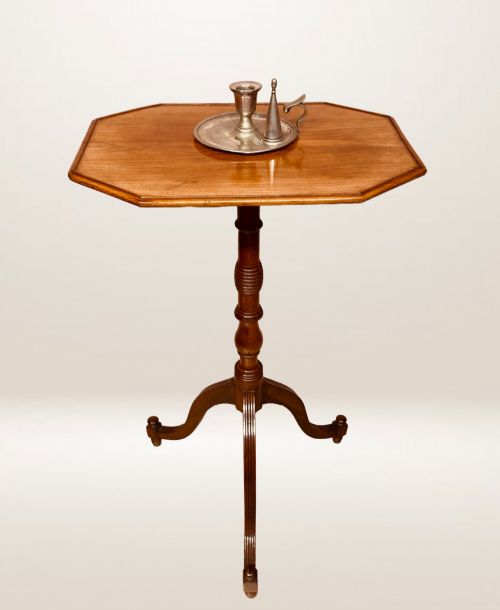


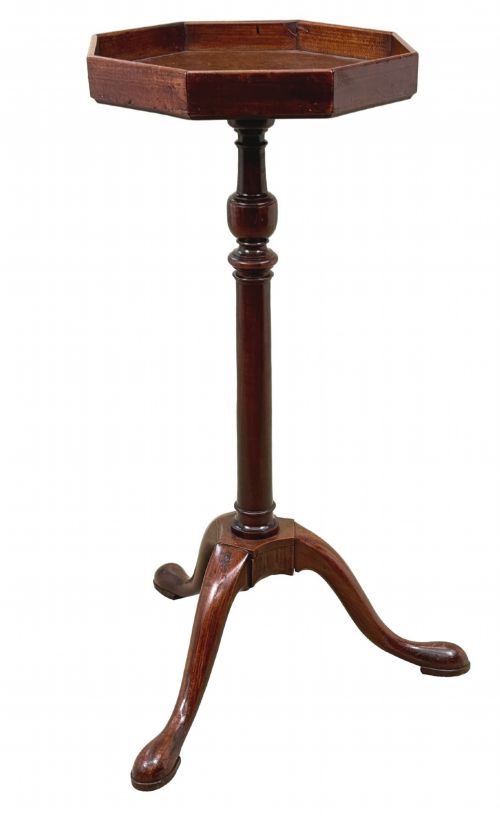
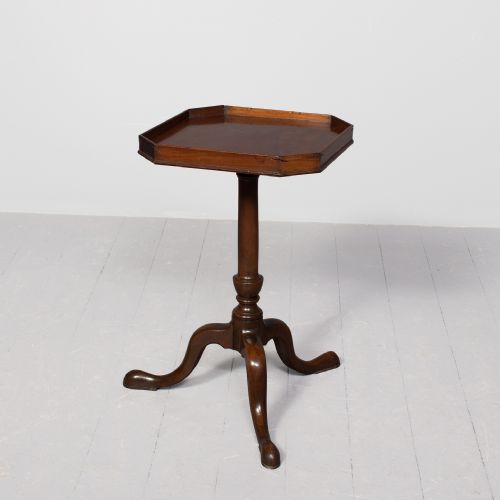
18th Century Octagonal Table
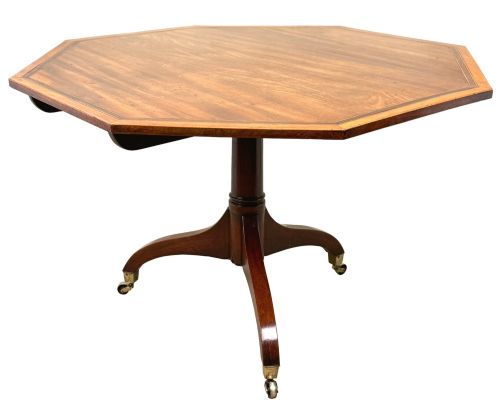
An 18th century octagonal table provides a versatile surface for holding lamps, candles or books while anchoring a room with period proportion and figured timber.
18th Century Octagonal Table
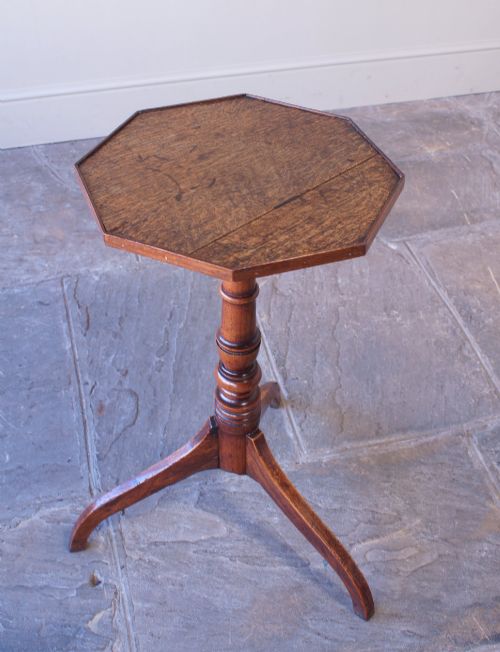
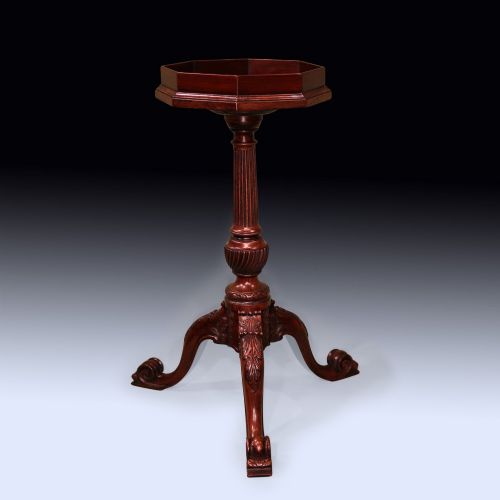
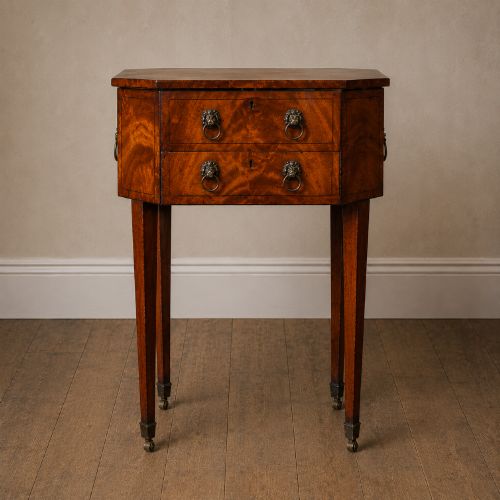
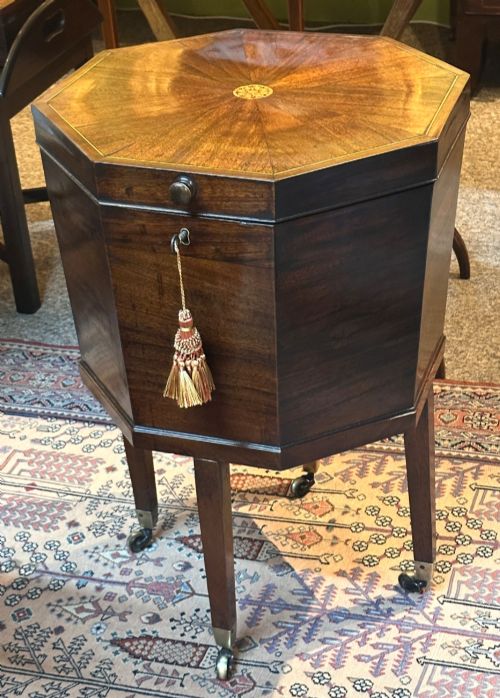
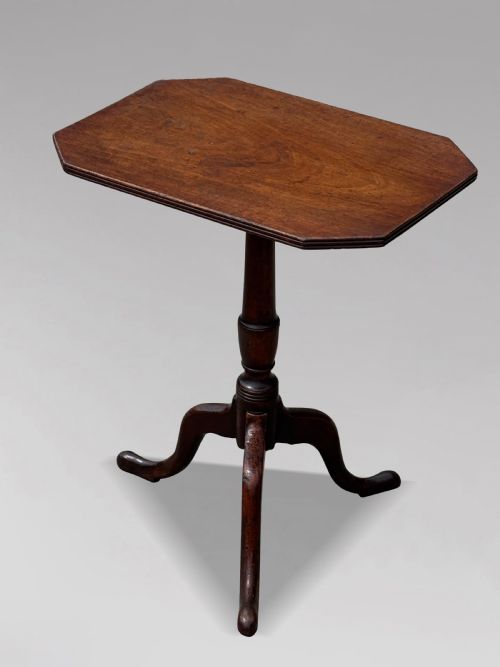
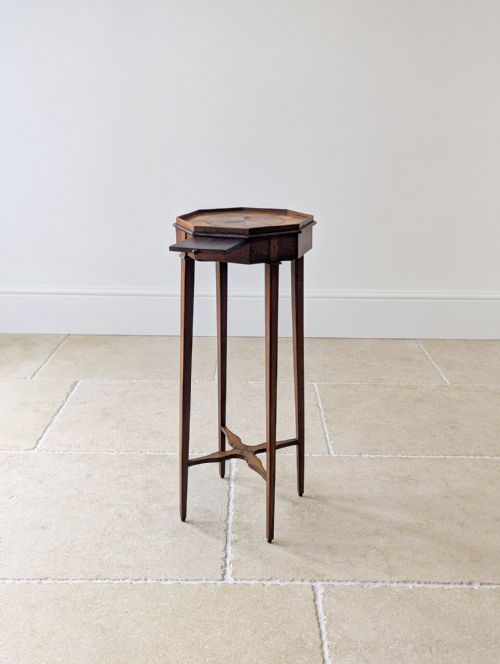
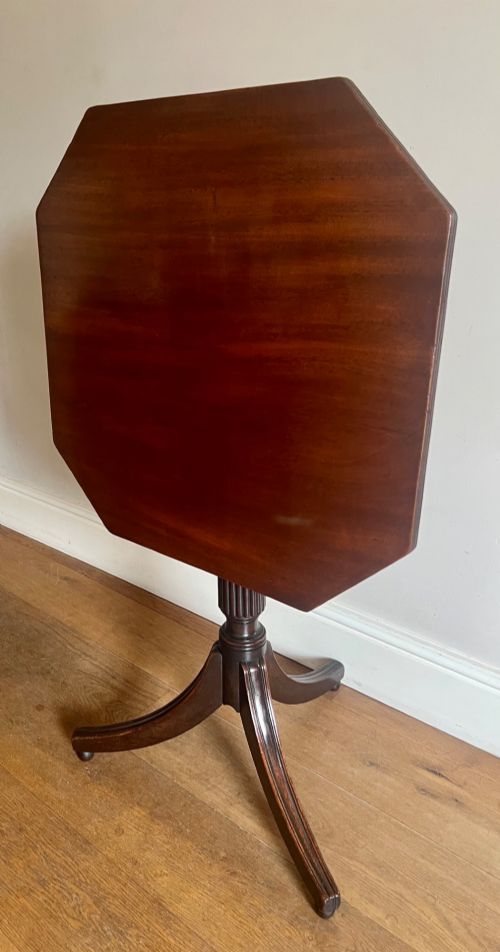
An 18th century octagonal table encompasses compact tripod wine tables, kettle stands and occasional pieces designed for domestic utility and social display. The selections on this page span the 17th century through the Georgian era, incorporating styles from Queen Anne to George III.
The octagonal top appears on various functional forms, including tilting surfaces, birdcage mechanisms and multi-tiered dumb waiters. Mahogany and oak form the primary structural timbers, often augmented by satinwood or intricate inlay work.
Materials and Construction
Cabinet makers utilised dense timbers such as mahogany and oak, frequently selecting figured veneers and contrasting satinwood for decorative emphasis. Tripod bases employ turned columns supported by three arched legs, while specialised pieces incorporate tilting mechanisms or birdcage pivots.
Metal components such as brass handles, hinges and lock plates provide functional accents to the woodwork. Joinery relies on traditional methods, ensuring structural stability across smaller occasional surfaces and larger library pieces alike.
18th Century Octagonal Table Retail Price Guide 2026
Typical asking prices for 18th century octagonal table among the pieces listed under this phrase on Sellingantiques today, from the lower quarter to the upper quarter. They describe what is for sale here now, not the wider market.
Object forms recorded here range from compact tripod wine tables and kettle stands to multi-tiered dumb waiters and library tables.
Craftsmanship and Proportion
Quality rests upon the crispness of carved details, such as moulded edges on octagonal tops, column turnings and tripod leg profiles. Timber selection dictates visual appeal, with richly figured mahogany or burr oak elevating the piece.
Integration of mechanical elements, including functioning tilt-top pivots, birdcage supports and original brass hardware, distinguishes superior examples. Proportional balance between the multi-sided top and the supporting base remains essential.
David Hennell
The 18th Century Octagonal Table Glossary
- Tripod table
- A small freestanding table supported by a central pillar on three legs. These versatile surfaces were easily moved around a room for tea or reading.
- Tilt-top
- A hinged table top that folds vertically when not in use. This mechanism allowed tables to be stored flat against a wall.
- Birdcage
- A rotating wooden framework beneath a table top that allows the surface to pivot and tilt. It is associated with finer 18th century tripod tables.
- Kettle stand
- A small low table designed to hold a tea kettle over a spirit lamp. Their compact octagonal surfaces made them essential for formal tea service.
- Dumb waiter
- A tiered set of revolving trays on a central column used for serving meals without servants present. Examples can feature octagonal tiers.
18th Century Octagonal Table: Frequently Asked Questions
What is an 18th century octagonal table used for?
These tables served various domestic purposes, from holding tea equipment and candles to acting as lamp or bedside stands. Their multi-sided tops provided convenient surfaces without taking up excessive floor space in period interiors.
Today, they function well as occasional tables beside seating or as display surfaces for decorative objects in a traditional or modern room.
How do I identify a George III table?
George III pieces date from the reign lasting from 1760 to 1820, incorporating neoclassical influences, satinwood inlays and refined tripod bases. Cabinet makers of this period favoured elegant proportions and contrasting timber veneers.
Look for crisp detailing on the pillar turnings and refined edge moulding on the octagonal surface to confirm the period style.
What is a birdcage action?
A birdcage is a revolving wooden assembly positioned directly beneath the table top, featuring a central collar and small vertical spindles. This mechanism allows the top both to rotate horizontally and to tilt vertically.
Found on better quality 18th century tripod tables, this feature indicates higher craftsmanship and offers practical storage versatility.
How do I care for antique mahogany furniture?
Maintain mahogany surfaces by dusting gently with a dry cloth and avoiding placement near direct heat sources or strong sunlight. Excessive temperature fluctuations can cause the wood or veneer to dry out and split.
Occasional application of appropriate wax polish helps preserve the natural sheen of the timber without building up heavy residues.