

18th Century Oak Tripod Table
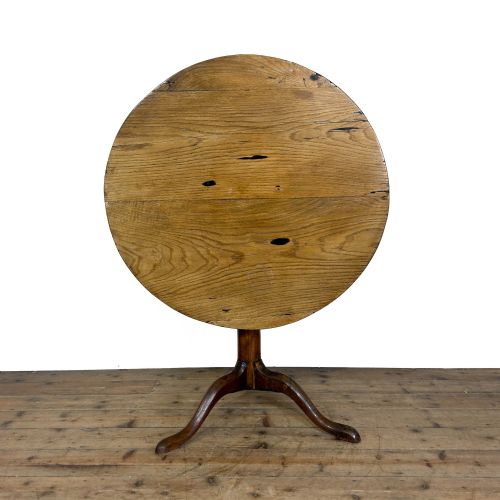
An 18th century oak tripod table is a sturdy country piece, prized for its single pedestal base and utility beside a chair or bed.
18th Century Oak Tripod Table
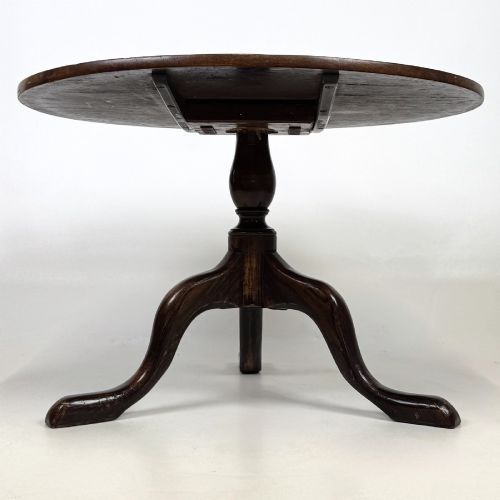
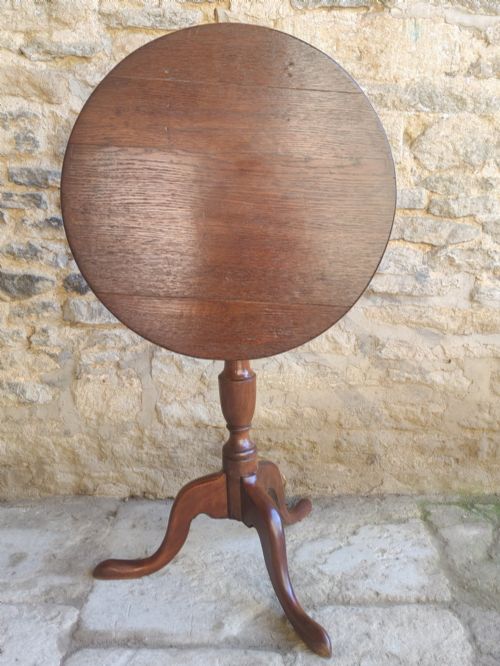
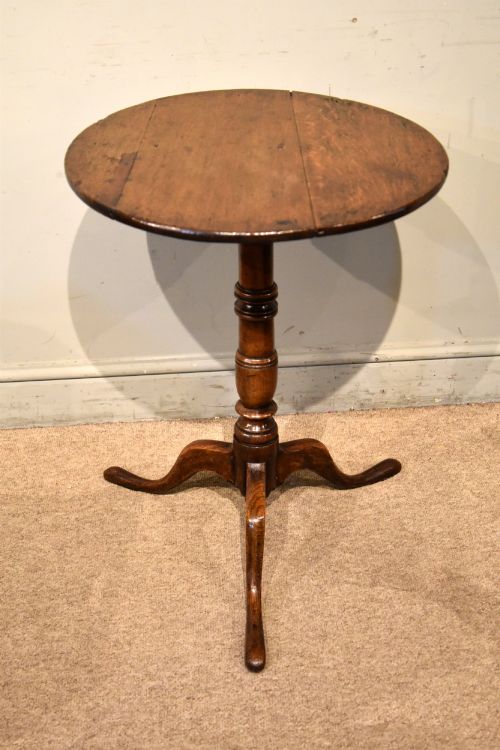
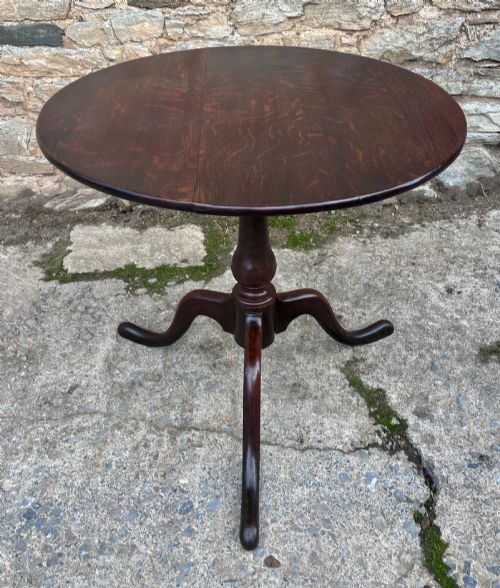
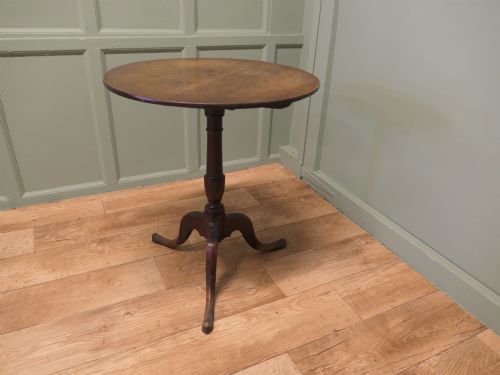
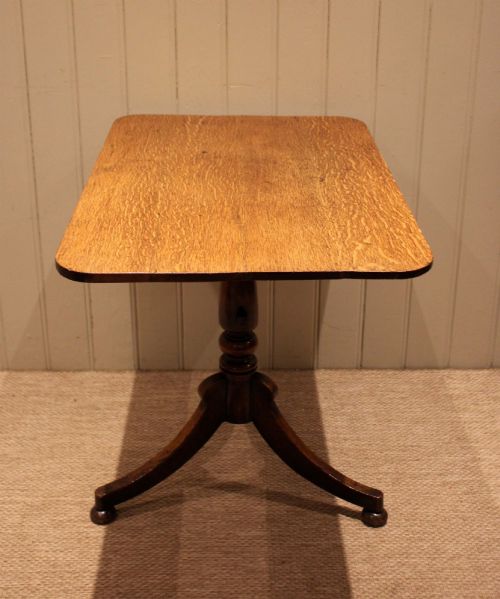
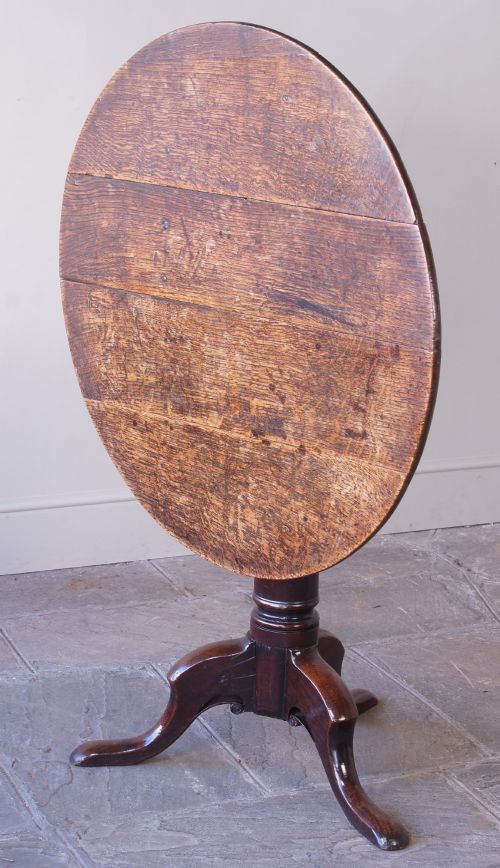
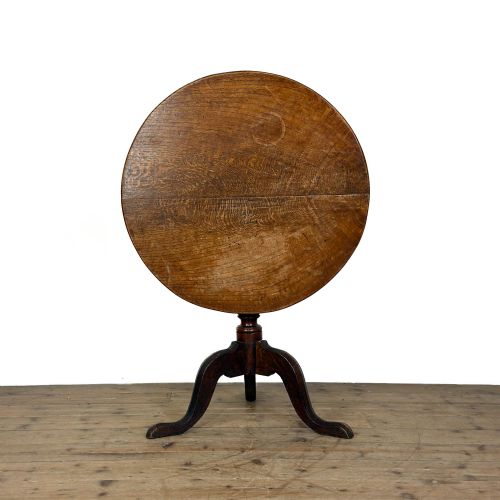
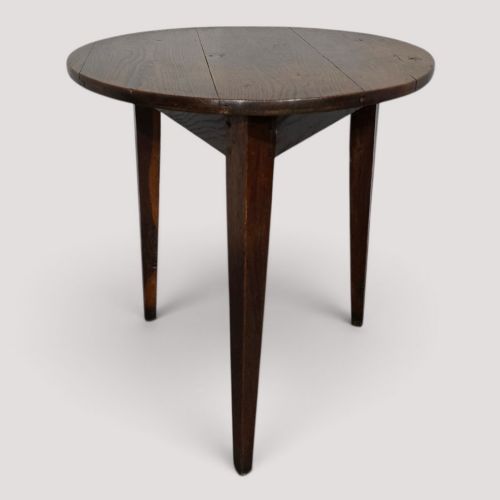
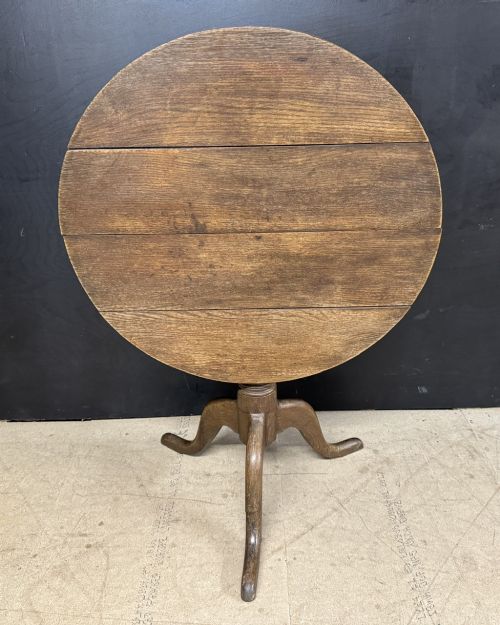
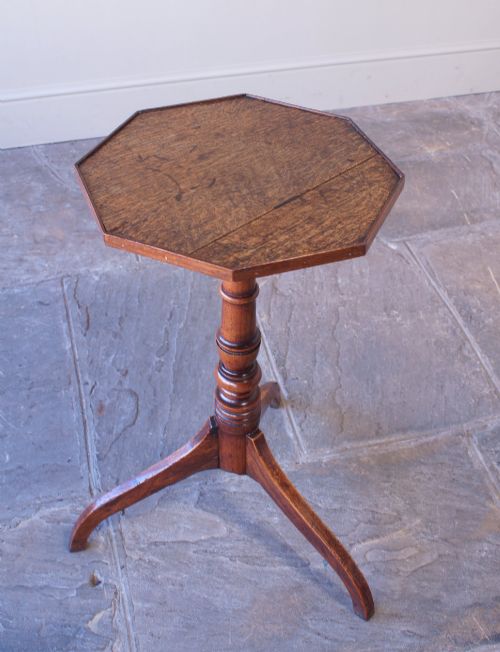
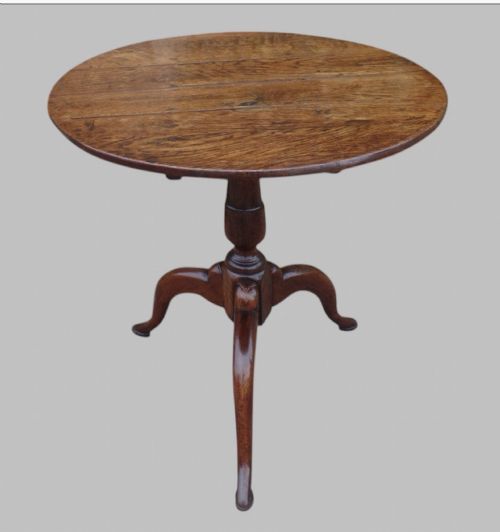
When you search for an 18th century oak tripod table, you encounter compact occasional furniture designed for practical use in domestic spaces. The most common form on this page combines a circular or trefoil top with a slender central column supported by three splayed legs.
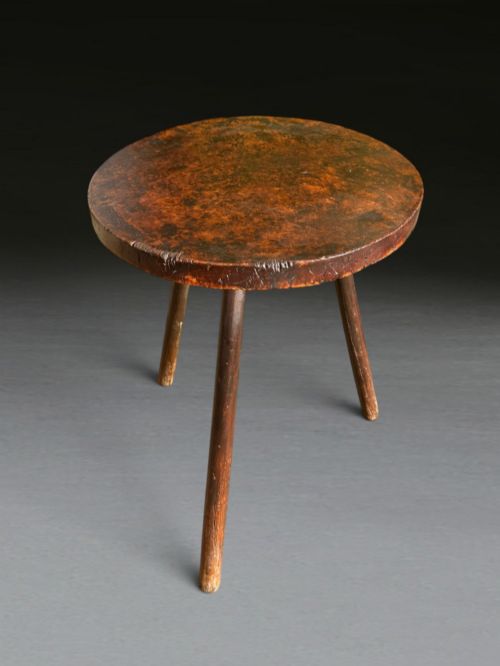
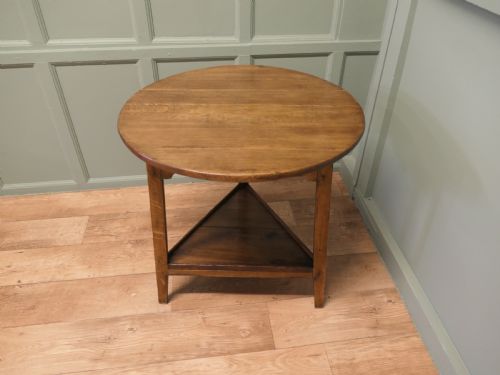
These pieces encompass various utilitarian designs such as cricket tables with three legs and lower stretchers, tilt-top wine tables, and small candle stands. Their origins span the Georgian period, featuring regional English and Welsh vernacular interpretations.
Makers built these tables for everyday tasks like holding lamps, candles, or drinks, resulting in unpretentious domestic items. Oak dominates the selection, occasionally paired with elm, ash, or beech for structural components.
How they were made
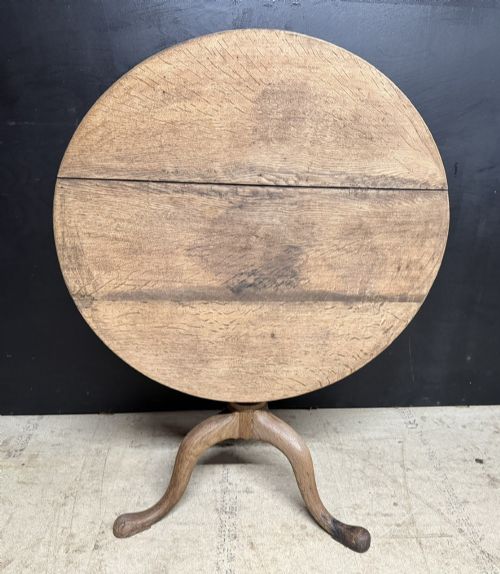
Joiners constructed these pieces primarily from solid timber, utilising oak for main surfaces and turning secondary woods like beech or elm for legs and columns. Tops were often fashioned from a single wide plank or jointed boards, then shaped into circles or trefoils.
The characteristic three-legged base required precise carpentry to join the splayed legs securely into the central pillar using tenons or dovetails. Tilt-top mechanisms incorporated clever wooden catches, birdcage movements, or iron hinges to allow the surface to fold flat when not in use.
18th Century Oak Tripod Table Retail Price Guide 2026
Typical asking prices for 18th century oak tripod table among the pieces listed under this phrase on Sellingantiques today, from the lower quarter to the upper quarter. They describe what is for sale here now, not the wider market.
The selection spans the wider Georgian era, covering dates from seventeen-fifty to eighteen-hundred.
What varies in quality
The refinement of the timber grain and the character of the figuring set examples apart, with burr oak surfaces sitting at the upper end of visual appeal. Plain boards show honest utility, whilst selected timbers demonstrate a conscious choice for decorative rooms.
Proportion and turning dictate the elegance of the piece, separating heavy utilitarian items from lighter, balanced tables. Slender columns and well-raked legs provide a visual grace that clumsy replacements or crude village constructions lack.
The 18th Century Oak Tripod Table Glossary
- Cricket table
- A small round table with three legs, typically joined by a low triangular stretcher framework near the base. This sturdy vernacular design prevents wobbling on uneven flagstone floors.
- Tilt-top table
- An occasional table featuring a hinged mechanism that allows the surface to pivot vertically. This clever space-saving device enabled people to store the table against a wall when not needed.
- Trefoil top
- A circular wooden top shaped with three lobes or rounded points resembling a clover leaf. This uncommon configuration appears frequently on specific vernacular cricket tables.
- Birdcage
- A timber framework beneath a table top that allows the surface to both rotate and tilt. It consists of small turned spindles connecting two parallel wooden plates.
- Vernacular furniture
- Domestic items made by regional carpenters for local use rather than high-style urban cabinet makers. These pieces rely on traditional local building methods and readily available regional woods.
18th Century Oak Tripod Table: Frequently Asked Questions
What were these tables used for?
These tables served flexible domestic purposes in country homes, holding candles, lamps, or small drinks during evening hours.
Their portable nature allowed residents to move them easily beside chairs, beds, or hearths as daily tasks required.
How do I live with an oak tripod table?
Place the table where its compact footprint will not cause congestion, such as beside a reading chair or in a quiet corner.
Keep the timber away from direct heat sources and strong sunlight to prevent the dry oak boards from splitting or warping over time.
How do I tell different periods apart?
Early pieces from the first half of the century often display heavier turning, thicker tops, and simpler construction details.
Later examples moving towards the nineteenth century frequently show more slender columns, refined leg profiles, and more complex tilt mechanisms.
Why do some tables tilt?
Tilting mechanisms were invented to save valuable floor space in modest rooms when the furniture was not in active use.
Owners folded the surfaces vertically and stored the tables flat against walls or in corners until needed again.