


18th Century Natural History Prints
These 18th century natural history prints offer a tangible window into the Enlightenment era, recording birds, botany, and fauna with exquisite scientific precision.
18th Century Natural History Prints
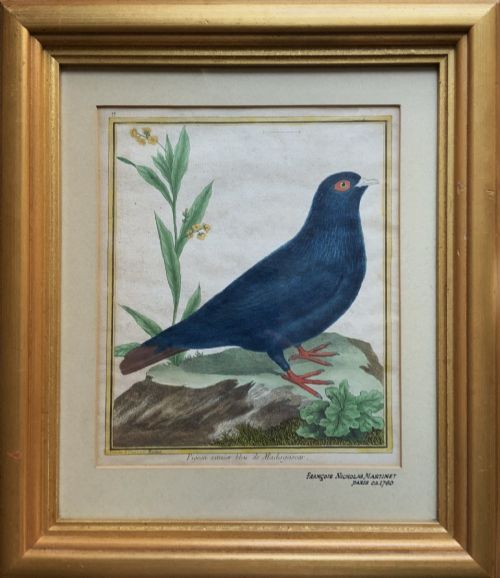
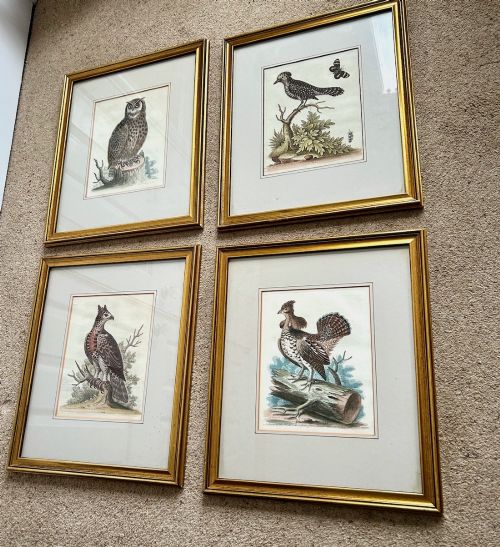
When you search for 18th century natural history prints, you encounter works produced across the Georgian period, dating from the mid-eighteenth century up to around 1800. These items primarily manifest as framed botanical prints, ornithological engravings, and zoological illustrations depicting subjects such as pigeons, serpents, hippos, and rhinoceros anatomy.
The objects available span single sheets and sets, frequently mounted within wood or giltwood frames under glass. You will find works originating from celebrated naturalist publications, capturing everything from monkeys and fish to delicate floral specimens and angling scenes.
How They Were Made
The production of these works relies on paper supports subjected to detailed ink engraving techniques, which define the fine lines of feathers, scales, and skeletal structures. Artisans then applied watercolour by hand to bring vibrancy and life to the printed outlines.
Framing materials typically comprise timber and gilt wood, protecting the delicate paper surfaces behind glass. The combination of meticulous printmaking and subsequent hand colouring creates the distinct visual character observed in these Georgian artefacts.
Listings feature paper, ink, and watercolour materials housed within wooden and giltwood frames.
What Varies in Quality
The precision and delicacy of the hand colouring separate standard impressions from superior examples, particularly where the palette remains vibrant and carefully aligned with the engraved lines. The nuance in watercolour application determines the visual depth of botanical and ornithological subjects.
The preservation of the paper support and the clarity of the original ink strike also influence the overall standard. Complete sets and works associated with documented naturalists retain greater historical integrity than isolated or heavily faded plates.
François-Nicolas Martinet·George Edwards·Buffon·Bernhard Siegfried Albinus·Georg Wolfgang Knorr·Eleazor Albin·Audebert·George Dionysius Ehret
The 18th Century Natural History Prints Glossary
- Engraving
- A printmaking process where an artist cuts a design into a metal plate with a sharp tool to hold ink. This technique allows for the fine detail seen in botanical and animal illustrations.
- Hand coloured
- The practice of applying watercolour pigments by hand to a printed monochrome image. This method enhances the realism of natural history subjects.
- Georgian
- The period spanning the reigns of the British monarchs George I to George IV, encompassing the stylistic developments of the eighteenth century. Items from this era often reflect Neoclassical influences.
- Botanical print
- An illustration focused on the scientific depiction of plant species. These works combine aesthetic appeal with accurate anatomical study.
- Ornithological engraving
- A printed image specifically dedicated to the study and depiction of birds. Such plates formed the core of many eighteenth-century scientific folios.
18th Century Natural History Prints: Frequently Asked Questions
How should I hang these prints?
Keep them out of direct sunlight to protect the fragile watercolour pigments and paper from fading over time.
Ensure they are displayed in rooms with stable humidity levels to prevent warping of the wood frames and paper degradation.
Were these originally part of books?
Many of these engravings were originally published as plates within scientific folios and natural history volumes before being separated and framed.
Publishers during the Georgian era produced these illustrated books to document newly discovered species from around the world.
How can I tell the age?
Dating relies on the paper characteristics, the printing style typical of the eighteenth century, and any accompanying inscriptions or publication dates.
Stylistic cues such as Neoclassical framing borders and the specific hand of known period engravers also help establish the chronology.
What subjects are most common?
Birds and botanical specimens appear frequently, reflecting the era's intense scientific interest in ornithology and flora.
Zoological subjects such as mammals, reptiles, and anatomical studies also feature among the available plates.