



18th Century Mirror Pair
An 18th century mirror pair brings symmetry and brilliant light into a room, offering matching proportions that single looking glasses simply cannot achieve.
18th Century Mirror Pair
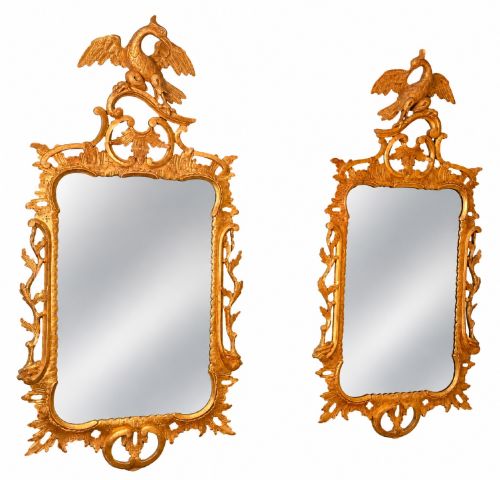
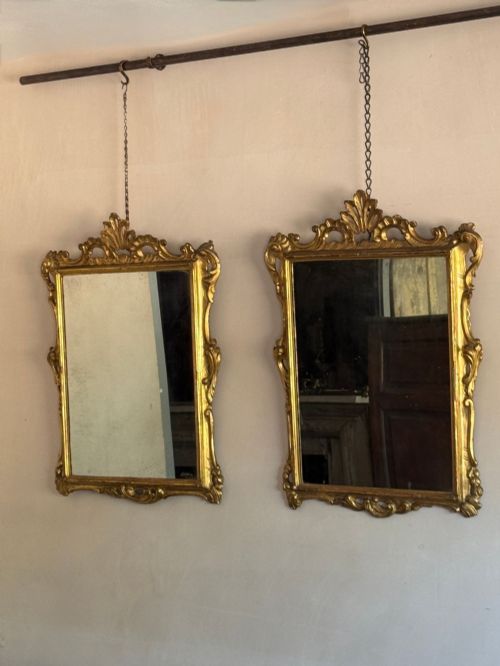
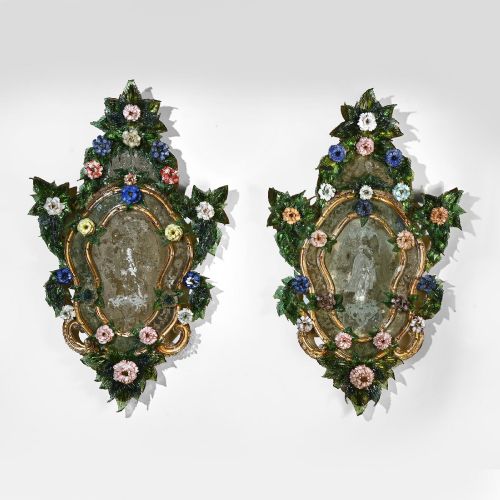
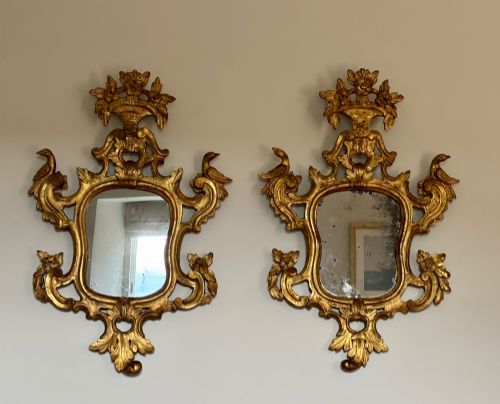
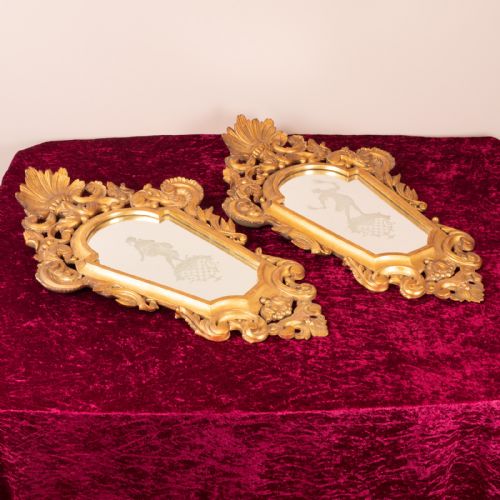
An 18th century mirror pair consists of two matching looking glasses designed to hang in balance on either side of a fireplace, window, or architectural feature. When you browse this selection, you encounter wall-mounted pieces predominantly originating from the Georgian and 18th century periods, alongside later interpretations.
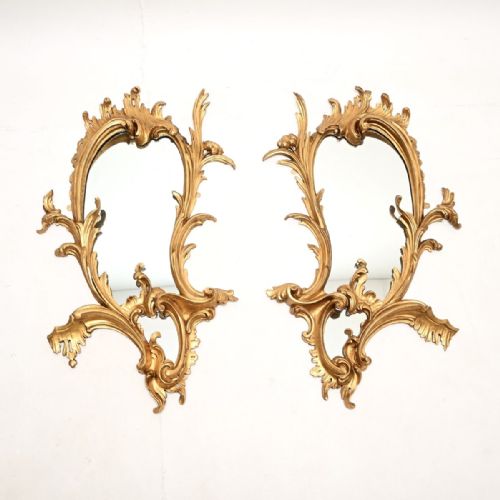
The forms span oval and rectangular wall mirrors, pier mirrors positioned between windows, and girandole mirrors equipped with candle arms. Italian, Venetian, French, and Spanish Colonial origins appear frequently among the listings, each bringing distinct regional ornamentation to the matching pair.
Materials and construction
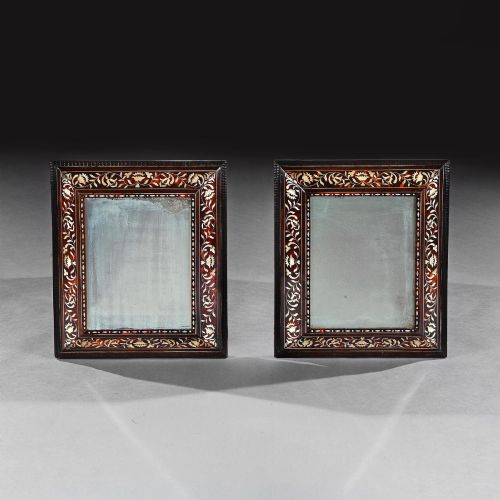
The framework relies heavily on carved timber, predominantly softwoods or hardwoods finished with gesso and gold leaf to create gilded surfaces. Artisans shaped intricate rococo and neoclassical motifs by hand before applying the leaf, while walnut and tortoiseshell provide contrasting textures in select examples.
Glass production involved specialist mirror glass and Murano glass plates, held within frames that often incorporate brass hardware. Spanish Colonial pieces utilise organic inlays like mother-of-pearl within tortoiseshell grounds, showcasing diverse regional craft traditions.
18th Century Mirror Pair Retail Price Guide 2026
Typical asking prices for 18th century mirror pair among the pieces listed under this phrase on Sellingantiques today, from the lower quarter to the upper quarter. They describe what is for sale here now, not the wider market.
Venetian glassmakers once faced death penalties for revealing trade secrets, making surviving mirror plates a testament to closely guarded artisan defiance.
What separates examples
The crispness of the hand-carved gesso and giltwood decoration dictates the visual strength of the pair, where deeper relief work and retained original gilding hold greater aesthetic weight. Mismatched ageing between the two plates or later replacements to the silvering alter the unified appearance of matching antiques.
The structural integrity of the wooden frames and the preservation of original mirror glass plates determine the overall standard. Pairs that retain their matching proportions, original backboards, and cohesive surface wear represent the pinnacle of this form.
The 18th Century Mirror Pair Glossary
- Giltwood
- Timber carved and coated with gold leaf over a prepared gesso ground. This finish reflects candlelight and daylight effectively.
- Girandole
- A wall mirror featuring attached candle sconces or arms designed to multiply the illumination in a room. These branches are integral to the lighting scheme of the period.
- Pier glass
- A tall, narrow mirror designed specifically to hang on the wall space between two windows. They often sat above matching console tables.
- Enconchado
- A technique incorporating mother-of-pearl inlay within a tortoiseshell or painted surface. This method is characteristic of certain Spanish Colonial items.
- Gesso
- A plaster mixture applied to wood frames to provide a smooth base for carving and gilding. It allows for sharp, intricate ornamental detail.
18th Century Mirror Pair: Frequently Asked Questions
Where should I hang a mirror pair?
These pieces traditionally flank a fireplace, doorway, or large window to create balanced sightlines and reflect ambient light across the space. Hanging them at matching eye levels preserves the symmetry intended by the maker.
Ensure the wall fixings support the weight of heavy timber and glass frames securely before mounting them side by side.
How do I care for antique glass?
Dust the frames gently with a soft, dry brush and avoid applying liquid cleaners directly onto the glass or gilded surfaces. Moisture can seep behind the plate and damage the historical silvering.
Keep the mirrors away from direct sunlight and damp environments to protect the fragile gesso and leaf finishes over time.
What styles are common?
Rococo, Neoclassical, and Georgian designs dominate the selection, featuring flowing asymmetry or strict architectural symmetry respectively. Venetian and Italian examples often incorporate elaborate floral motifs and specialised glasswork.
Recognising these design vocabularies helps date the frames and understand their regional workshop origins.