


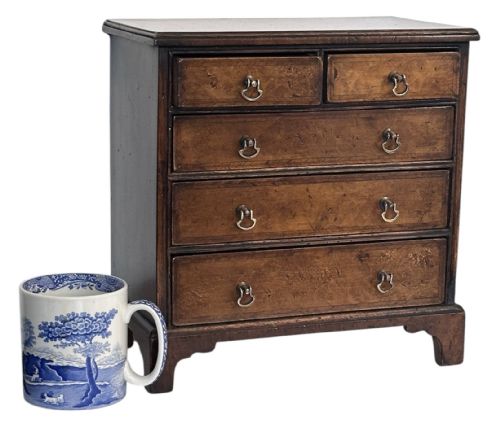


18th Century Miniature Furniture
These small items of 18th century miniature furniture offer an intimate window into domestic life, prized by collectors for their intricate scale and cabinetmaking skill.
18th Century Miniature Furniture
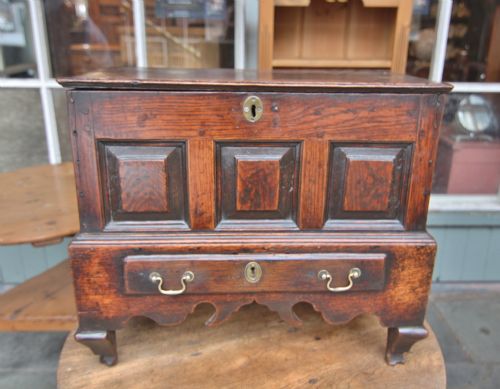
When searching for 18th century miniature furniture, buyers encounter small-scale chests, coffers, cabinets, and children's chairs made for domestic use or display. The most common form on this page is the Welsh coffer bach, a miniature oak chest traditionally given as a wedding gift or dowry chest.
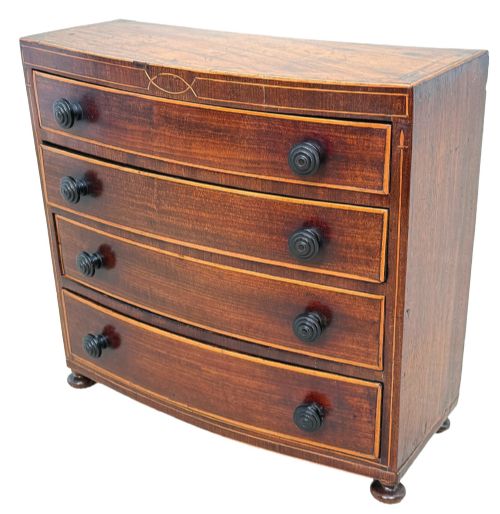
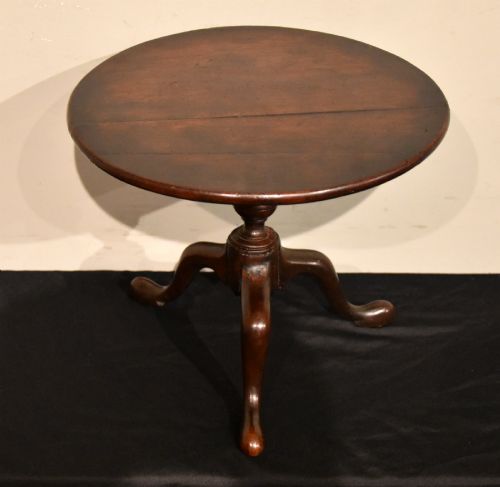
Beyond Welsh coffers, the selection includes diminutive chests of drawers, court cupboards, and tripod tables built to the exact proportions of full-size household goods. These pieces reflect the prevailing Georgian and country vernacular styles of their period rather than mere toys.
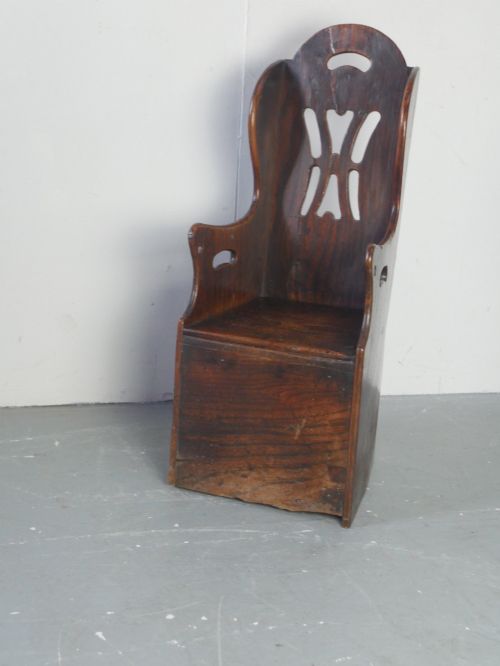
Makers also produced scaled-down seating, ranging from country windsor chairs to formal miniature armchairs. Each object captures the domestic utility of the seventeen-hundreds in a fraction of the usual floor space.
How they were made
Cabinetmakers constructed these small pieces using native timbers such as oak, walnut, mahogany, fruitwood, and elm, often matching the woods of full-sized furniture. Joinery techniques included dovetails for small drawers and pegged mortise and tenon frames for larger coffers and cupboards.
Surface decoration varied from simple waxed finishes on regional oak to elaborate marquetry inlay and black lacquer work on Dutch pieces. Turned feet, brass escutcheons, and tiny brass handles completed the construction, mirroring the hardware of domestic furniture.
18th Century Miniature Furniture Retail Price Guide 2026
Typical asking prices for 18th century miniature furniture among the pieces listed under this phrase on Sellingantiques today, from the lower quarter to the upper quarter. They describe what is for sale here now, not the wider market.
Listings feature items spanning the 18th century, utilising native woods like oak, walnut, mahogany, and fruitwood alongside brass hardware.
What varies in quality
The distinction between standard domestic work and top-tier pieces rests on the fidelity of the proportions and the complexity of the timber selection. Finer examples display tightly grained quarter-sawn oak, delicate dovetailing, and original brass hardware that has survived centuries of handling.
Regional execution also shapes the character of each piece, with country workshop items showing straightforward vernacular charm while urban Georgian pieces exhibit refined cabinetmaking techniques. The survival of original surfaces, such as early polish or lacquer, elevates the standing of any miniature.
The 18th Century Miniature Furniture Glossary
- Coffer bach
- A small Welsh oak chest, translating literally to little coffer. These boxes often feature a small drawer beneath the main lidded compartment and were traditionally kept on tables or dressers.
- Apprentice piece
- A small item of furniture created by a craftsman to demonstrate skill for guild admission. These objects display advanced joinery in a reduced format.
- Court cupboard
- A small open-shelf sideboard or cabinet used for displaying plate. Miniature versions replicate the heavy cornices and carved panels of full-scale Tudor and Stuart examples.
- Marquetry
- The art of applying thin veneers of different woods to a structure to form decorative patterns. Dutch cabinetmakers utilised this technique on miniature cabinets and chests.
- Windsor chair
- A wooden seating form featuring a solid saddle-shaped seat into which the legs and back spindles are steam-bent and wedged. Miniature versions mirror the country vernacular styles of full-size chairs.
18th Century Miniature Furniture: Frequently Asked Questions
How do I identify a Welsh coffer bach?
A Welsh coffer bach typically presents as a miniature hinged box resting on bracket or turned feet, frequently incorporating a single drawer beneath the main compartment. They are almost exclusively constructed from native oak.
Regional variations appear across South Wales and Glamorgan, showing subtle differences in panel carving and proportions. Their distinctive form separates them from standard tabletop boxes.
Where were miniature chests displayed in period homes?
Owners usually placed these small items on top of full-sized case furniture, such as larger chests of drawers, sideboards, or tables. This kept valuables secure and visible within the main rooms of the house.
Because of their portable nature, they moved easily between rooms or residences. Today, they sit comfortably on modern tabletops or specialised shelving units.
What is the difference between a country piece and a Georgian piece?
Country vernacular pieces, such as those from Wales or rural England, prioritize sturdy local timbers like oak and pine with straightforward joined construction. They reflect regional traditions rather than metropolitan fashion.
Georgian urban pieces more often employ imported woods like mahogany and walnut, featuring refined details such as tripod bases or bracket feet. Both styles capture the domestic standards of the seventeen-hundreds in miniature.