



18th Century Mahogany Gateleg Table
An 18th century mahogany gateleg table offers robust folding utility and rich timber surfaces suited to period dining spaces.
18th Century Mahogany Gateleg Table
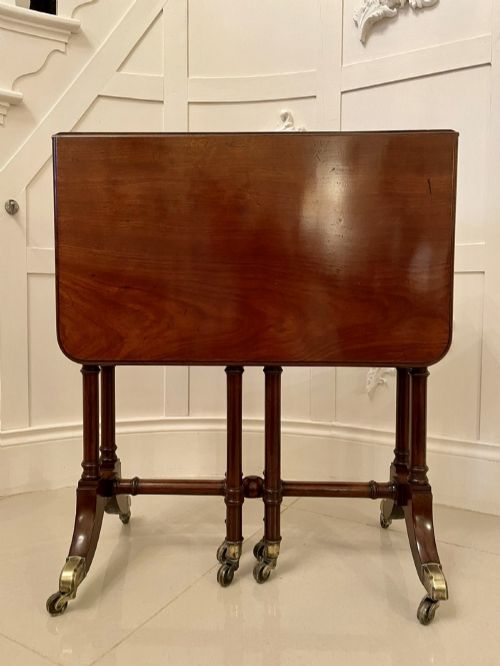
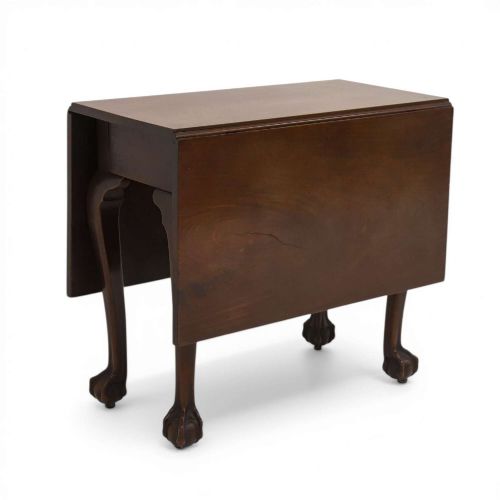
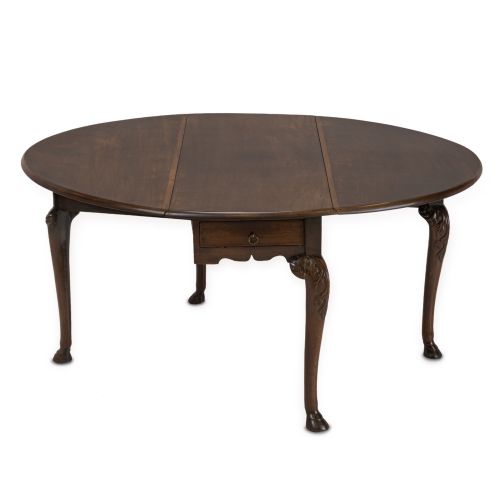
An 18th century mahogany gateleg table combines folding drop leaves with swing-out legs to support large dining or occasional surfaces. The pieces seen here span the Georgian, George I, George II, George III, and Chippendale periods.
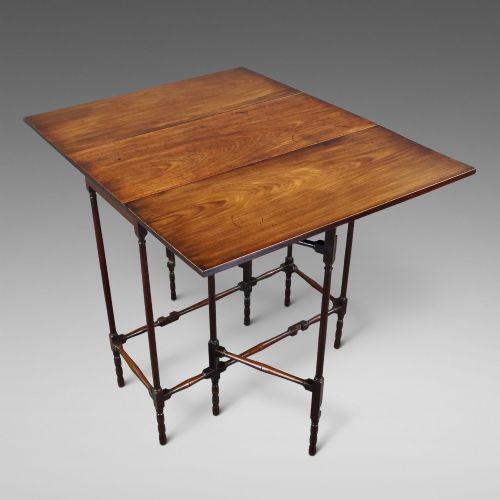
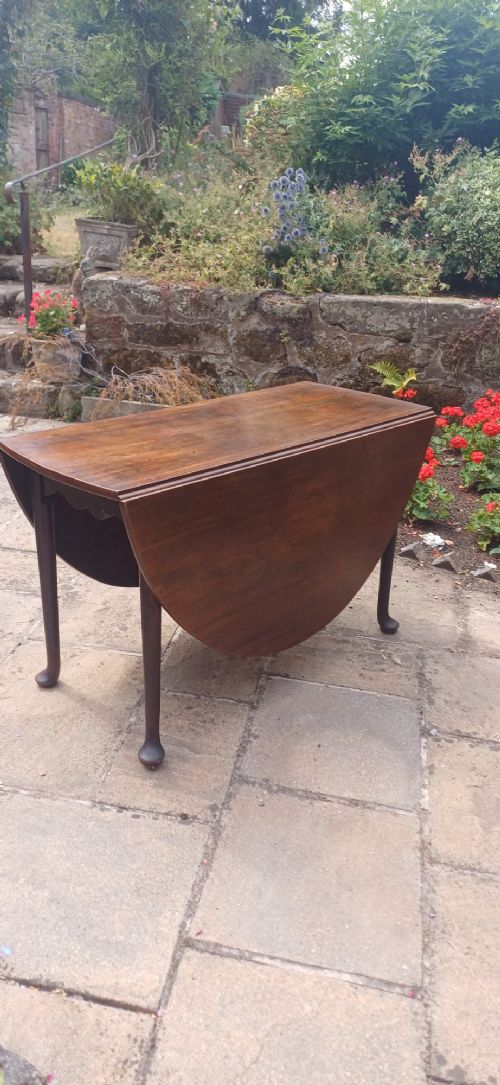
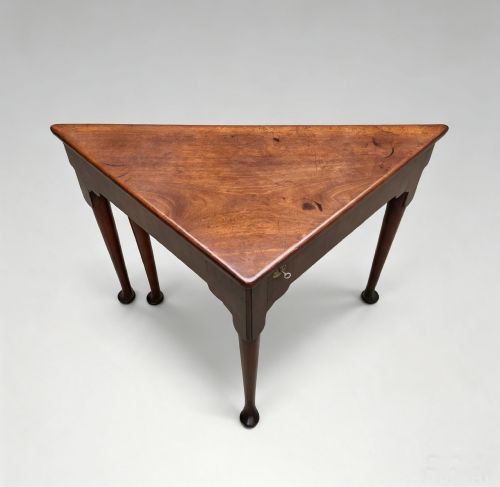
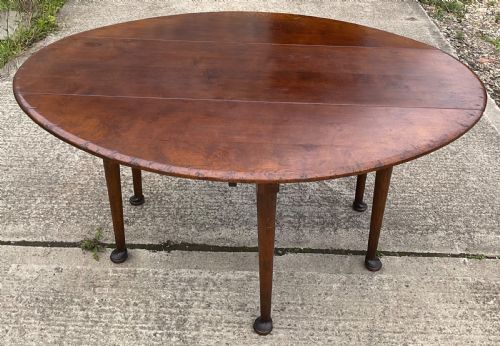
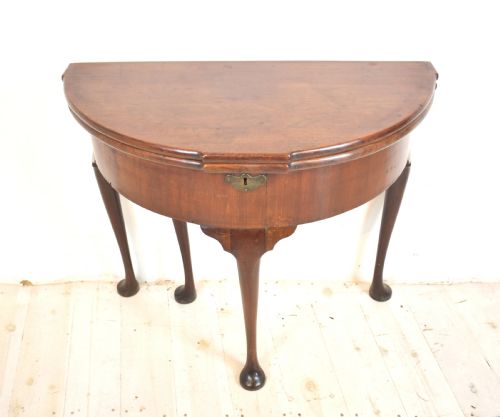
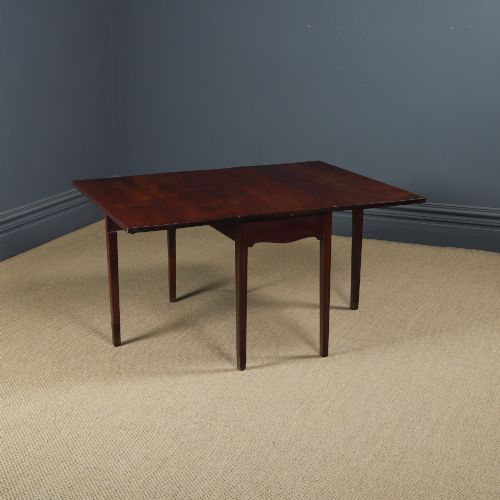
Dining tables and oval drop-leaf variants dominate the selection, alongside smaller tea tables, games tables, and delicate spider leg tables. Most examples originate from the 18th century, with occasional pieces stretching into the 19th century.
Buyers will encounter substantial oval dining formats designed for multiple seats alongside compact occasional tables intended for corners or tea service. The underlying structure relies on hinged leaves supported by pivoting legs that fold flat when not in use.
Materials and Construction
Cabinetmakers utilised dense mahogany, frequently incorporating dense Cuban mahogany alongside secondary timbers for interior framing. Brass hinges and iron fixings provide the mechanical support for folding leaves and swing-out gatelegs.
Leg construction varies from slender turned spider supports to carved cabriole legs terminating in pad feet, hoof feet, or claw-and-ball feet. Joinery typically employs traditional peg and tenon methods to withstand the repeated stress of folding actions.
Listings feature periods from George I through to George III alongside later Georgian revival pieces in mahogany and satinwood.
Judging Quality
Quality rests upon the choice of timber figure, the depth of natural patina accumulated on the mahogany surfaces, and the crispness of any carved leg details. Heavy Cuban mahogany boards and well-proportioned oval tops indicate superior original commissions.
The precision of the gateleg pivot mechanism and the integrity of the original foot form, such as carved claw-and-ball or pad feet, separate standard utility tables from finer regional or metropolitan workshop productions.
The 18th Century Mahogany Gateleg Table Glossary
- Gateleg table
- A table with hinged leaves supported by legs that swing outward on a gate-like action. This design allows the surface area to reduce significantly when the leaves drop.
- Drop-leaf table
- A table featuring a fixed central section and movable leaves that fold down at the sides. Brackets or swing legs support the leaves when raised.
- Cuban mahogany
- A dense, heavy variety of Swietenia mahogani prized for its rich dark colour and deep figure. It was widely imported to Britain during the 18th century.
- Pad foot
- A simple rounded foot shape resting flat on the floor, commonly found on cabriole legs of the early Georgian period. It provides a stable base without elaborate carving.
- Cabriole leg
- A furniture leg that curves outward in a convex arc and then bends inward in a concave arc, mimicking animal limbs. It typically terminates in a pad, hoof, or claw foot.
18th Century Mahogany Gateleg Table: Frequently Asked Questions
How do I seat guests around a gateleg table?
Raise both drop leaves and swing the supporting gatelegs outward to lock the extended surface into place. The recessed leg placement allows diners to sit comfortably without obstruction from corner posts.
Ensure the floor is level so the pivoting gateleg takes the downward pressure securely. When the meal concludes, drop the leaves to reclaim floor space in smaller rooms.
Can I use a spider leg table for dining?
Spider leg tables are built with exceptionally slender turned supports intended for light occasional use, tea service, or display. They lack the structural mass required for heavy daily dining.
Reserve these delicate variants for side placement or as tea tables. Select larger oval drop-leaf or wake tables when you require robust support for dining.
How do I distinguish George II from George III tables?
George II pieces often display heavier proportions, rich Cuban mahogany timbers, and cabriole legs ending in pad, hoof, or claw-and-ball feet. Carved details tend to be bold and substantial.
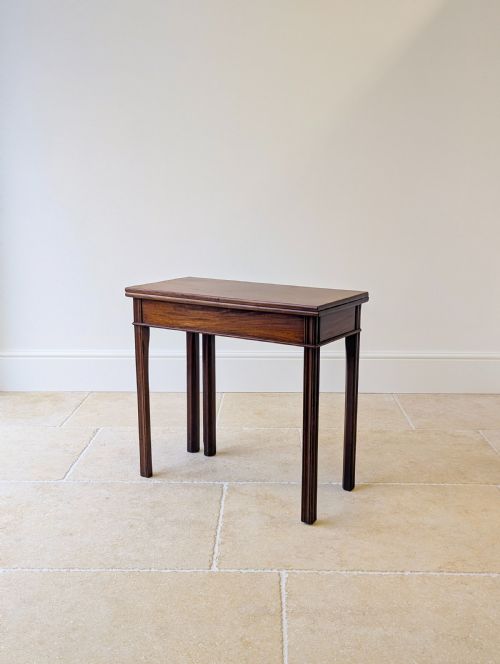
George III examples frequently embrace lighter Chippendale influences, straighter leg forms, or slender spider frames. The overall aesthetic shifts toward refined elegance rather than heavy Baroque curves.
How should I care for an antique mahogany surface?
Maintain the timber by dusting with a dry, soft cloth and applying a traditional beeswax polish sparingly to preserve the natural patina. Avoid placing tables near direct heat sources or strong sunlight.
Use coasters and placemats to protect the polished surface from moisture and heat marks. Regular gentle buffing enhances the depth of the 18th-century grain without stripping the finish.