



18th Century Leather Seating
These 18th century leather seating pieces bring tangible historical gravity and robust utility to a room through centuries-old hide and timber work.
18th Century Leather Seating
When you search for 18th century leather seating, you are looking at substantial antique chairs, stools, and armchairs built primarily in Georgian England and continental Europe. These utilitarian and formal seats served dining rooms, libraries, and parlours, constructed to withstand heavy daily use while displaying the prominent design shifts of their respective decades.
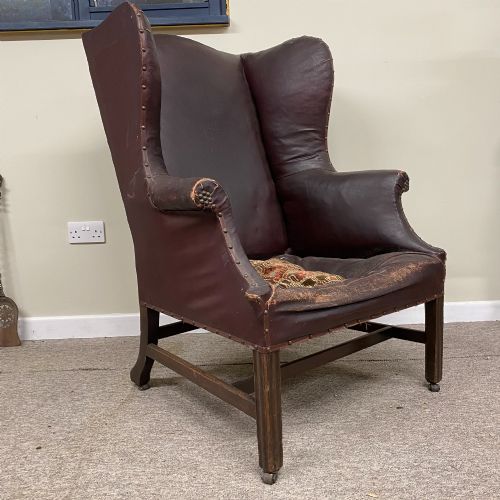
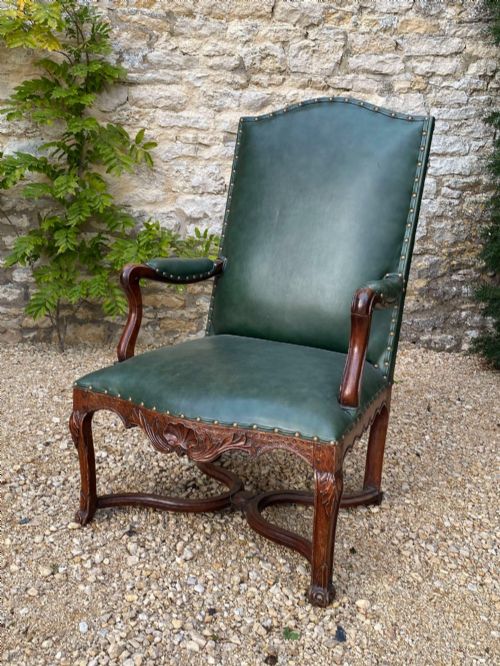
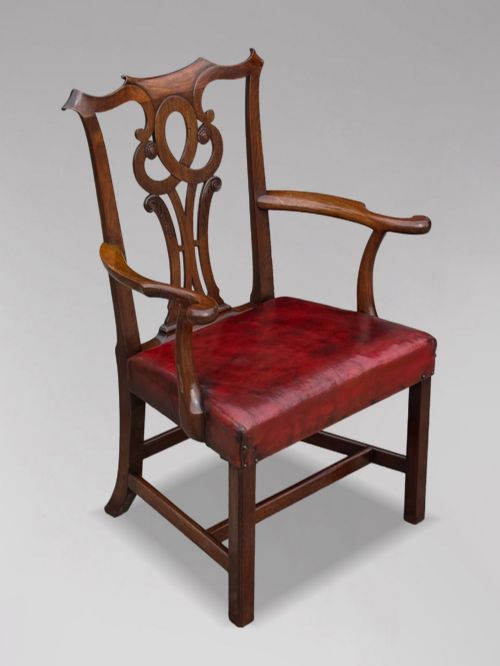
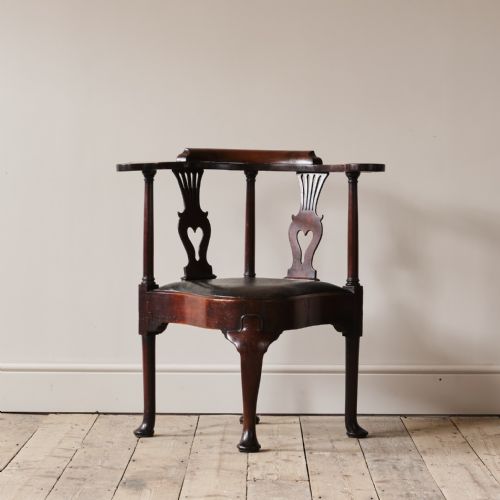
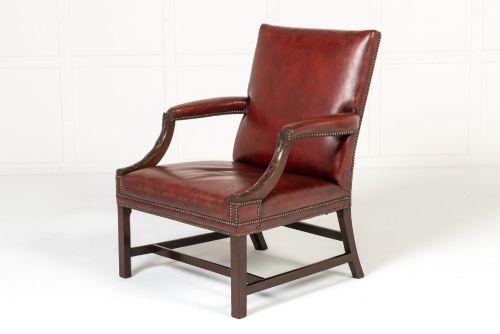
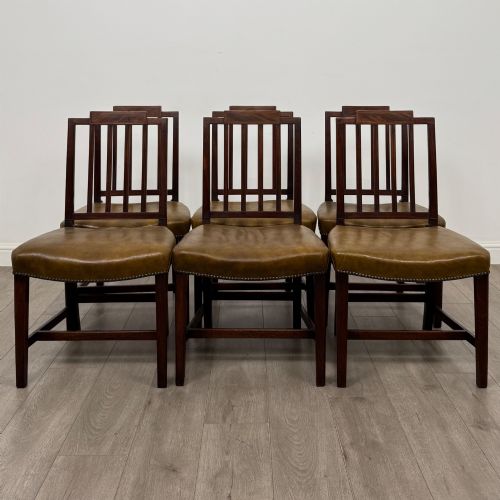
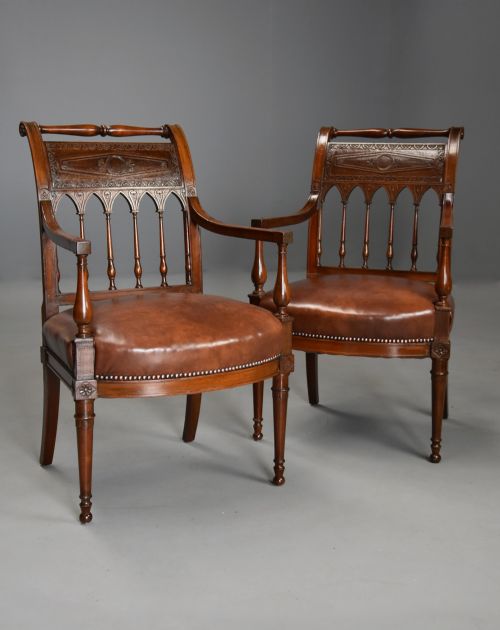
The version you are most likely to meet on this page is the Georgian mahogany dining chair or armchair, often featuring period hide upholstery fixed with brass nails. Alongside these individual seats and sets, the selection includes wing chairs, corner chairs, and French fauteuils spanning the Georgian era and later revivals.
Materials and construction methods
Cabinetmakers built these frames using dense hardwoods like mahogany, walnut, fruitwood, and elm, often shaping structural elements with carved details or marquetry inlay. Timber selection dictated the longevity of the frame, with dense grains supporting intricate joinery and load-bearing legs.
Upholsterers stretched leather over stuffed padding, securing the hides directly to the wooden rails using decorative brass tacks. This combination of robust timber and durable animal hide explains why so many structural examples survive intact today.
18th Century Leather Seating Retail Price Guide 2026
Typical asking prices for 18th century leather seating among the pieces listed under this phrase on Sellingantiques today, from the lower quarter to the upper quarter. They describe what is for sale here now, not the wider market.
Several high-back dining chairs arrive with hand-dyed green leather seats ready for the library.
Distinctions in construction and design
The calibre of a piece rests upon the crispness of the timber carving, the integrity of the original frame joinery, and the proportion of the silhouette. Superior examples exhibit harmonious lines, balanced arm designs, and timber chosen for deep grain figure.
Material retention also dictates standing, as frames retaining period hide upholstery or well-matched timber sets command greater architectural presence. Lesser examples show mismatched repairs or heavily replaced framing elements that obscure the original maker's intent.
The 18th Century Leather Seating Glossary
- Fauteuil
- An open-framed armchair with upholstered back and armrests, originating in France. These seats typically display exposed polished wood and refined carved decoration.
- Corner Chair
- A seat designed to fit into the corner of a room, featuring a diagonal seat plan and a curved back rail supported by turned columns.
- Wing Chair
- An upholstered armchair with side panels designed to shield the occupant from drafts. Early versions feature deep seats and substantial cabriole or straight legs.
- Marquetry
- The art of applying pieces of veneer to a structure to form decorative patterns. Dutch examples frequently employ this technique on walnut dining chairs.
- Serpentine
- A curved line that undulates outward then inward, commonly seen on the front seat rails of Georgian stools and chairs.
18th Century Leather Seating: Frequently Asked Questions
How do I care for antique leather?
Keep these seats away from direct sunlight and heat sources to prevent the historic hide from drying out and cracking. Apply suitable leather balms periodically to maintain suppleness.
Avoid using modern chemical cleaners, opting instead for a soft, dry cloth to remove dust from the grain and crevices.
Can I use these chairs daily?
Most of these frames are structurally sound enough for regular domestic use, provided they are treated with reasonable care. Avoid rocking on the back legs or placing excessive weight on corner joints.
Periodic checks of the underframe and joint tightness will ensure the timber remains stable during everyday dining or seating.
What defines a George III chair?
Furniture from the reign of George III generally displays classical proportions, substantial mahogany construction, and restrained carved details. Common motifs include pierced splats and straight or cabriole legs.
These pieces reflect the transition from heavier Baroque forms to lighter neoclassical styles popularized by designers like Chippendale and Hepplewhite.
Are sets matching in age?
Many dining sets assembled today combine pieces produced across similar periods or matched during later revival eras. Examining timber patination, joinery methods, and nail patterns reveals whether chairs originated together.
Slight variations in hand-carved details often indicate individual craftsman output within the same workshop tradition.