
18th Century Historical Print
When you search for an 18th century historical print, you encounter authentic portraits, maps, and satirical plates recording the people and geography of the Georgian age.
18th Century Historical Print
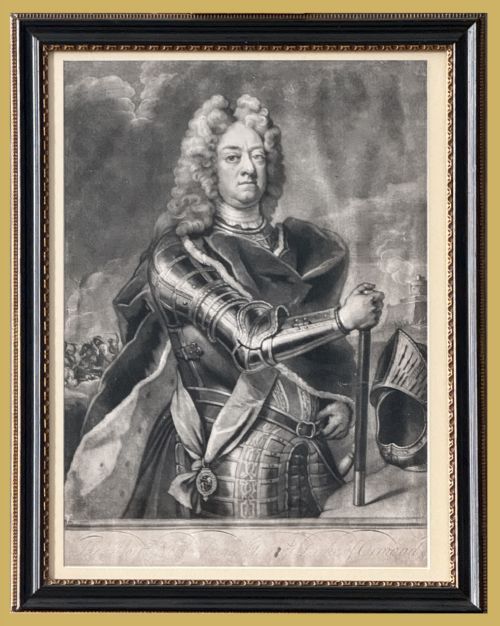
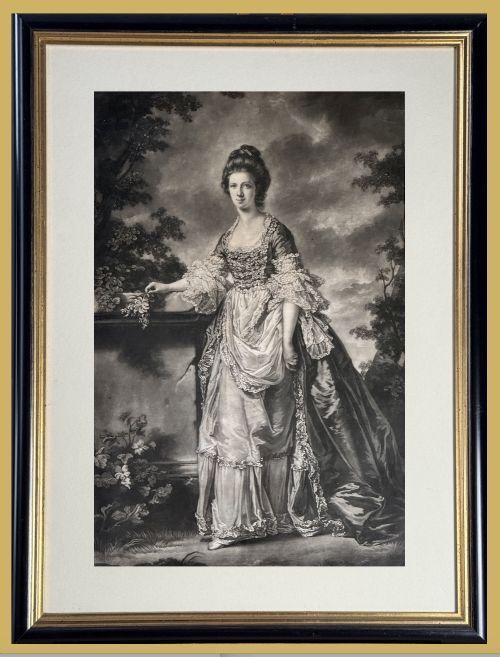
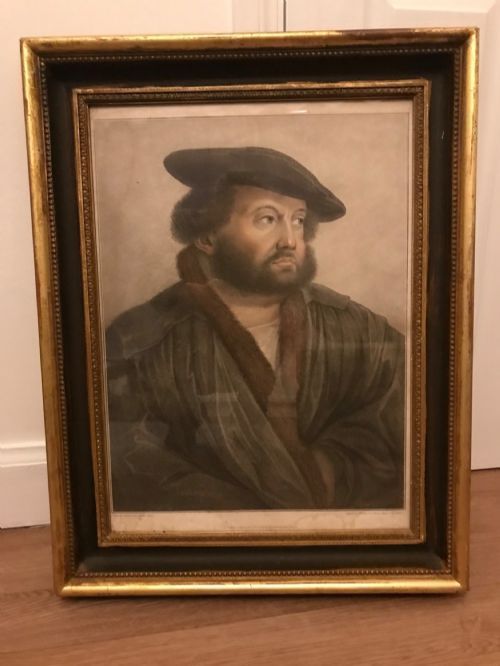
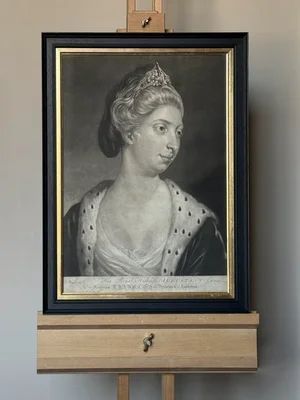
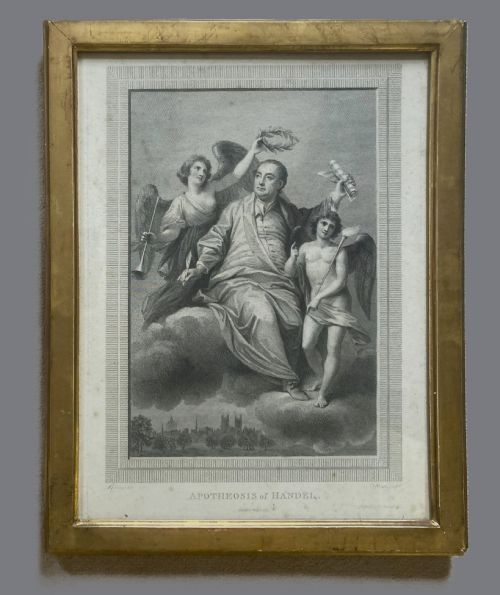
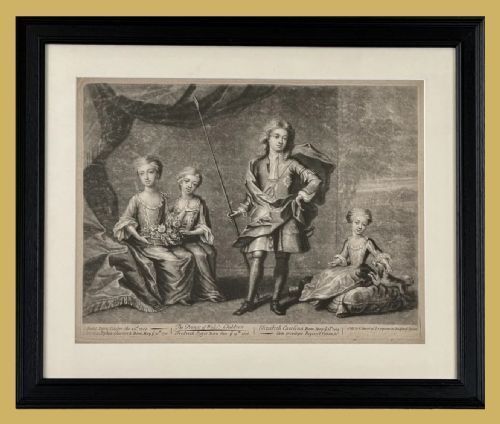
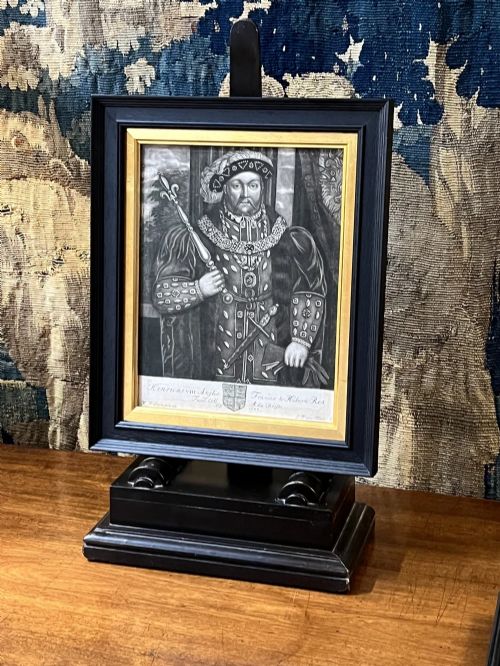
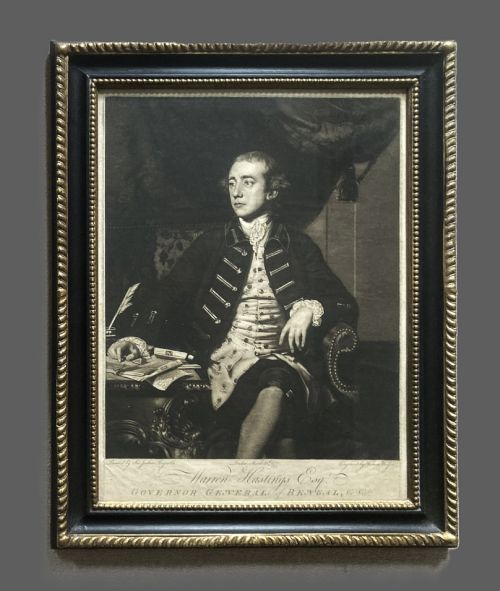
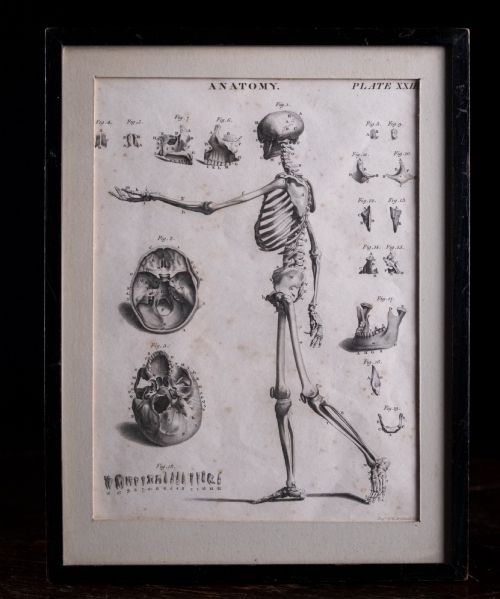
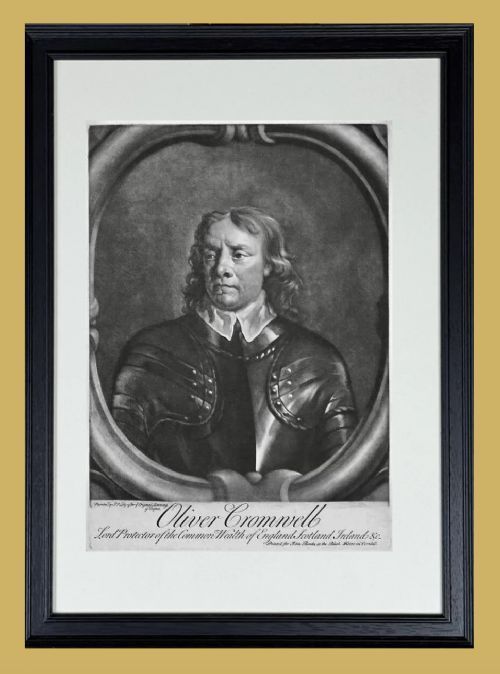
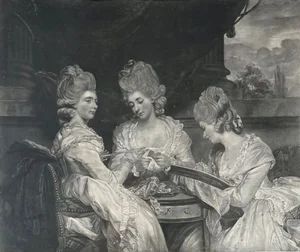
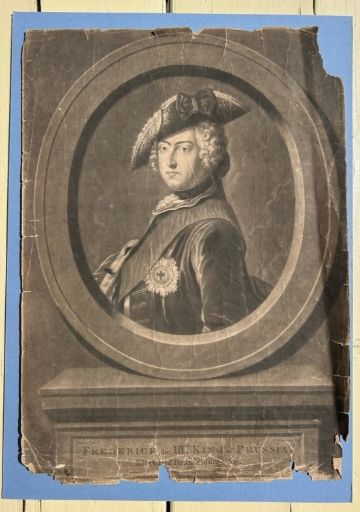
An 18th century historical print encompasses engraved, mezzotint, and etched works depicting notable figures, military leaders, and significant events from the period. The selection on this page relies heavily on framed portraits of statesmen, monarchs, and artists, alongside detailed cartography and social satires.
Buyers frequently encounter works derived from master painters of the Georgian era, printed on aged paper and often housed within period timber frames. These pieces function as direct visual documents of eighteenth-century society, politics, and exploration.
Materials and printmaking techniques
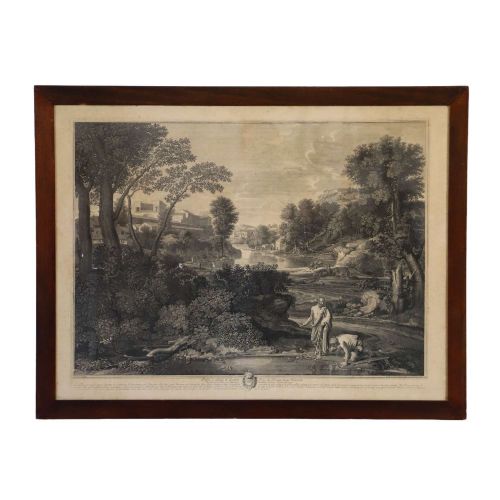
The works rely upon ink applied to handmade paper through intaglio processes such as copperplate engraving, line engraving, and stipple engraving. Mezzotint plates generate rich tonal gradients, capturing the nuanced shadows of painted portraits.
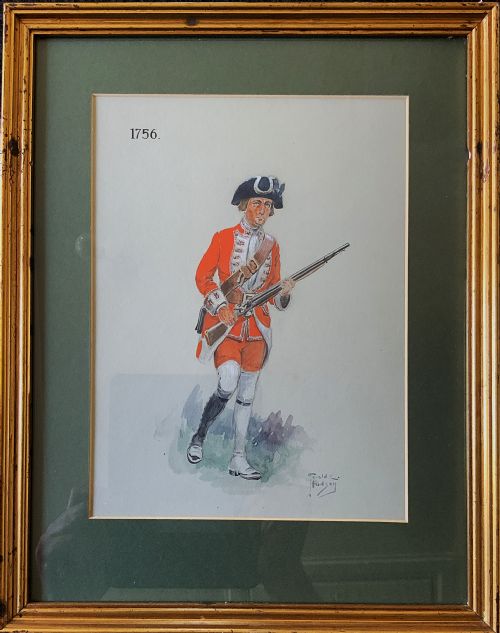
Selected works incorporate watercolours, wash, and oil paint, mounted behind glass within wooden frames finished with gold leaf or giltwood highlights.
Listings feature paper, ink, and gold leaf deployed within eighteenth-century frames.
Factors determining quality
The quality of an impression depends upon the wear of the metal plate during printing, where early pulls yield sharper lines and deeper contrasts than later strikes. The skill of the engraver in translating a painted portrait or cartographic survey onto copper dictates the fidelity and detail of the final image.
The preservation of the paper support, the clarity of contemporary hand-colouring where applied, and the originality of the accompanying frame contribute significantly to the standing of an individual piece.
John Simon·Francesco Bartolozzi·John Bowles·John Faber Snr·James Heath·Thomas Watson·Richard Houston·Jacobus Houbraken·Étienne Baudet·Luke Sullivan·Robert Morden·Thomas Jefferys·Jan Wandelaar
The 18th Century Historical Print Glossary
- Mezzotint
- A printmaking process where the copper plate is roughened to produce dark tones, then scraped to create highlights. This technique allows for subtle gradations of light and shade, making it popular for portraiture.
- Engraving
- A method where an artist cuts lines directly into a metal plate with a sharp tool called a burin. Ink settles into these grooves to transfer the image onto paper under pressure.
- Stipple engraving
- A technique using dots of varying density to form an image rather than continuous lines. It creates soft, painterly effects often utilised for skin tones in portrait prints.
- Cartography
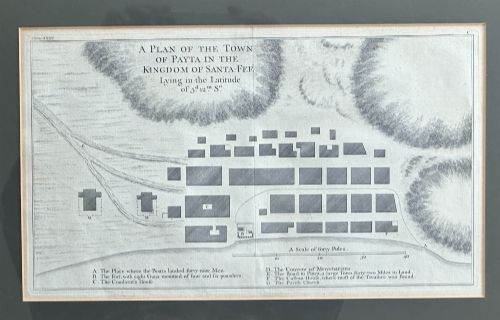
- The science and art of mapmaking, represented in this collection by regional, county, and world maps from the period. These engravings document historical borders and geographical knowledge.
- Giltwood
- Wood carved and coated with gold leaf or gold paint, commonly utilised for framing artwork during the Georgian period. It provides an ornate border that complements the aesthetic of historical prints.
18th Century Historical Print: Frequently Asked Questions
How do I care for an antique print?
Keep the framed work away from direct sunlight and damp environments to protect the paper and ink from fading or degradation. Stable indoor humidity prevents the wooden frame and paper from warping over time.
Ensure the piece hangs securely using appropriate fixings suited to the weight of the timber frame and glass. Avoid using liquid cleaners on the print surface itself.
Are these prints original to the period?
The listings consist of original impressions printed during the eighteenth century or contemporary to the stated dates of creation. Each print utilises historical printing techniques characteristic of the era rather than modern digital reproduction.
Examination of the paper stock and ink characteristics helps confirm the period origin of individual works.
What is a mezzotint portrait?
A mezzotint is a print created by roughening a copper plate to hold ink evenly, then smoothing areas to create lighter tones. This method was widely used in the eighteenth century to reproduce oil paintings of prominent figures.
The resulting prints are recognised for their velvety dark backgrounds and smooth tonal transitions.
Why do some maps have French titles?
Publishers in the eighteenth century often produced cartography with multi-language labelling or specific French editions for international distribution and scholarly collections. French cartographers and engravers frequently mapped regions across Britain and Europe during this period.
These maps reflect the shared scientific and geographical exchange of the Georgian era.