




18th Century Green Glass
These pieces of 18th century green glass bring deep forest hues and tactile hand-blown character to a room.
18th Century Green Glass
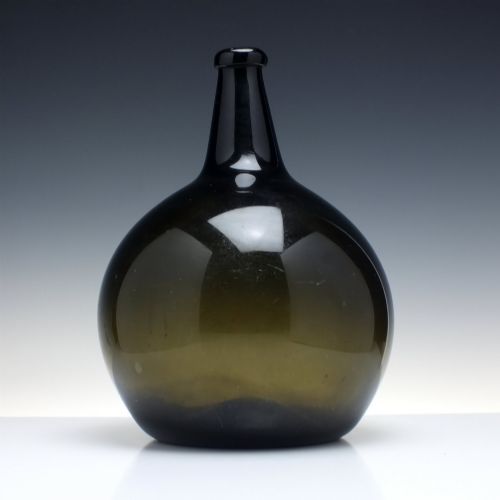
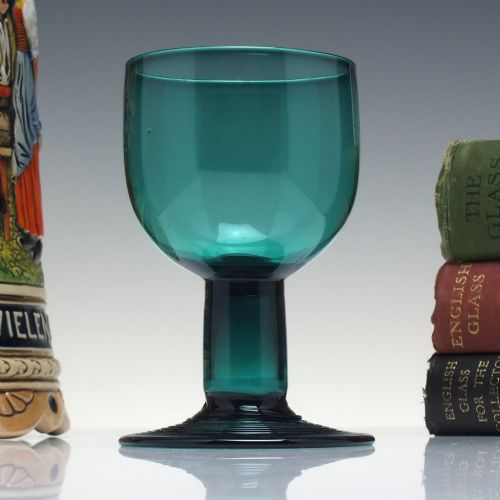
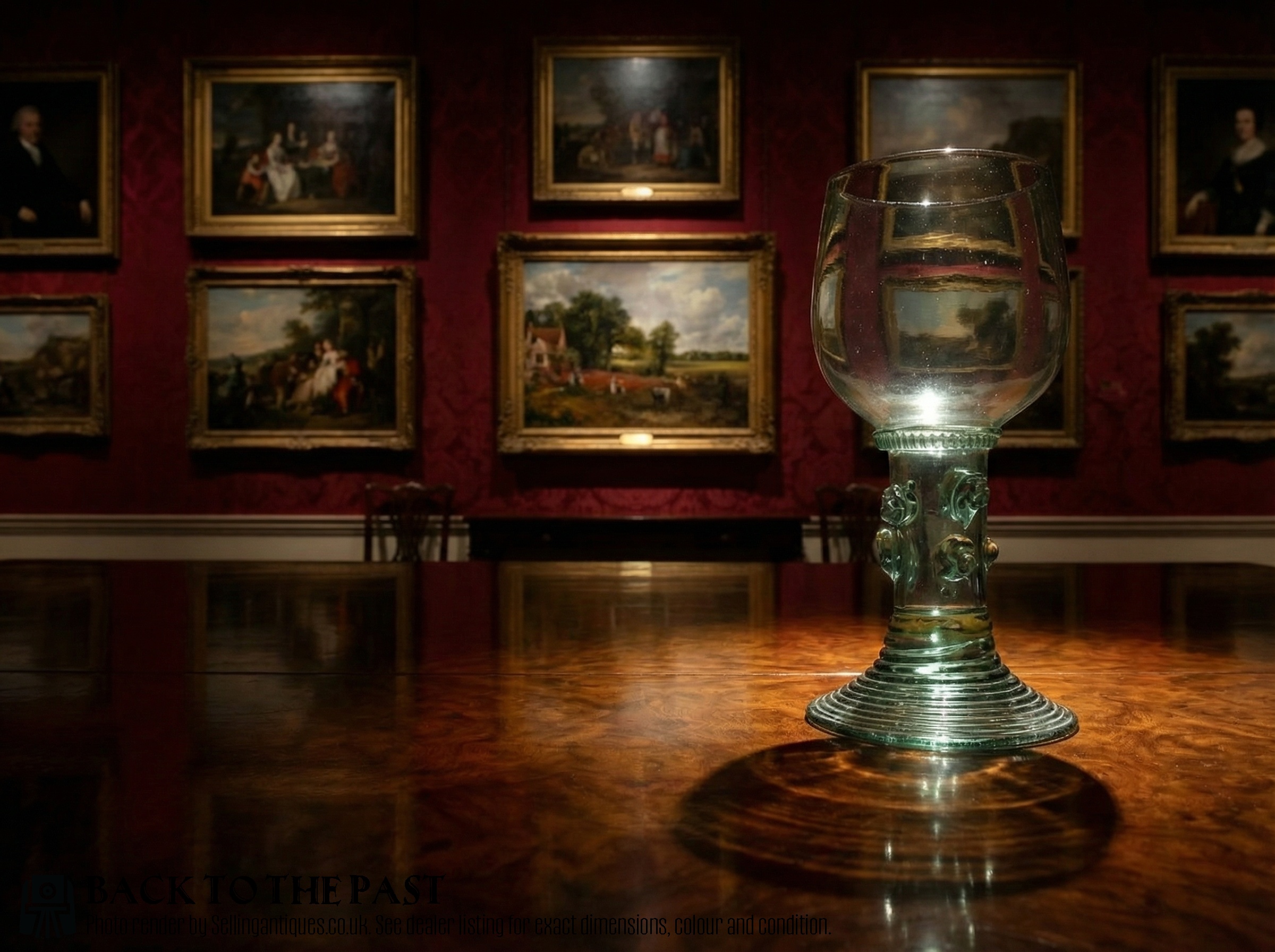
When you search for 18th century green glass, you encounter functional vessels and drinking vessels shaped by Georgian and later hands. The selection includes wine bottles, roemer glasses, decanters, and dram glasses carrying distinct bottle-green or olive tones.
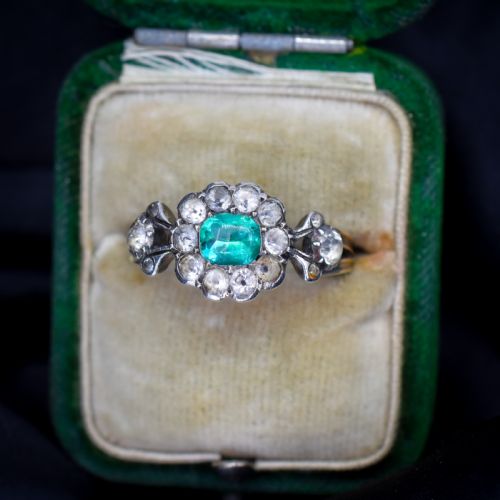
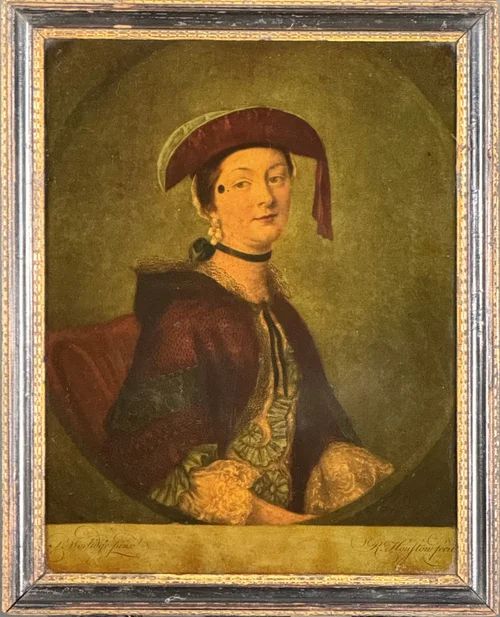
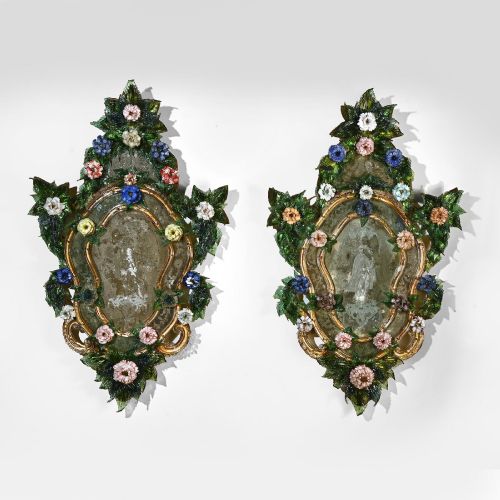
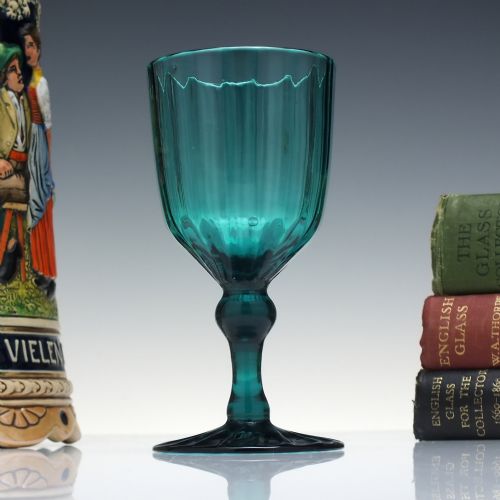
Wine bottles and cylindrical cylinder bottles appear alongside tablewares such as Bristol green wine glasses and rib moulded wine glasses. Venetian Murano mirrors and reverse glass prints also populate the field, sitting alongside jewellery set with green paste.
The objects stem principally from Georgian workshops and 18th century production centres in England and Scotland, alongside continental output. Collectors meet heavy utility vessels alongside delicate facet cut liqueur glasses and hollow stem roemers.
Methods of manufacture
Glassblowers shaped these items using free-blowing techniques and rib moulding, gathering molten metal on a pontil iron to expand into bottles, beakers, and wine glasses. The process leaves pontil scars on bases and produces natural variations in wall thickness and bubble distribution within the material.
Makers utilised iron impurities in the sand and batch materials to impart the characteristic green colour, ranging from pale olive to deep forest shades. Engraving, facet cutting, and gilding embellished select drinking vessels after the initial blowing stage.
Materials documented across the inventory include green glass, 9ct gold, silver, paper, and oil paint.
Markers of distinction
Depth of colour and clarity of the metal define the visual weight of each piece, with richer saturation and minimal distortion separating standard utility bottles from fine table glassware. The crispness of rib moulding and the precision of facet cutting reveal the hand of a skilled glassblower.
Surface preservation matters greatly, as iridescent patination from burial or gentle age-related wear dictates the tactile integrity of the glass. Intact hollow stems on roemers and sharp pontil marks complete the physical record of authenticity.
Charles Spooner·W Bishop·Aldridge and Green
The 18th Century Green Glass Glossary
- Roemer
- A traditional Germanic drinking vessel featuring a large bowl set upon a ribbed or hollow stem. The design provides a secure grip for the hand during tavern or dining use.
- Rib Moulded
- A glassblowing technique where molten metal is inflated inside a patterned mould to create vertical or spiral ridges along the body. This adds structural rigidity and decorative texture.
- Pontil Mark
- The rough scar left on the base of a vessel where the pontil rod was snapped away after finishing. Its presence confirms traditional hand-blown manufacture.
- Bristol Glass
- A distinct type of dark green or coloured lead glass produced in the West Country during the Georgian period. It frequently formed wine glasses, decanters, and finger bowls.
- Green Paste
- Facet-cut lead glass coloured with metallic oxides to imitate emeralds within Georgian jewellery settings. It provides intense colour reflection without genuine gemstone cost.
18th Century Green Glass: Frequently Asked Questions
What is 18th century green glass?
These items are hand-blown glass vessels, bottles, and tablewares produced primarily during the Georgian era using iron-rich batch materials.
The resulting objects encompass utilitarian wine bottles, decorative roemers, and delicate drinking glasses intended for dining and storage.
How were these bottles used?
Georgian households utilised green glass bottles for storing and decanting wine, spirits, and imported liquors like Calvados or Hollands.
Heavier mallet and cylinder bottles protected contents from light degradation while serving at the table or resting in cellars.
How should I display green glass?
Placing these pieces near natural light highlights the deep bottle-green tones and manual irregularities of the hand-blown metal.
Shelving or window settings allow the historic iridescence and varied wall thicknesses to catch direct illumination.
How do I spot period glass?
Examine the base for a rough pontil scar and check the metal for tiny air bubbles and uneven wall thickness.
Georgian pieces exhibit authentic wear patterns and fabrication marks distinct from later mass-produced Victorian alternatives.