




18th Century Glass Stand
An 18th century glass stand brings tactile history to a table, offering a glimpse into Georgian dining and dressing rituals.
18th Century Glass Stand
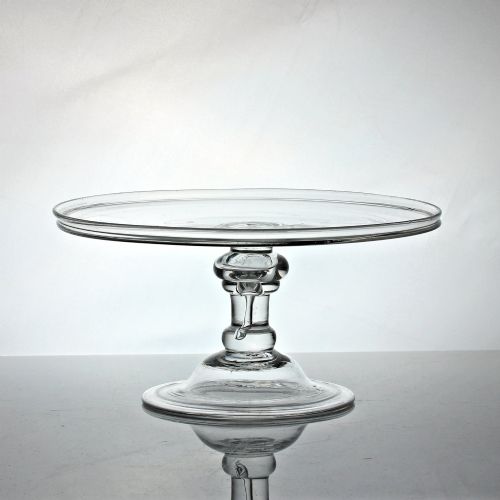
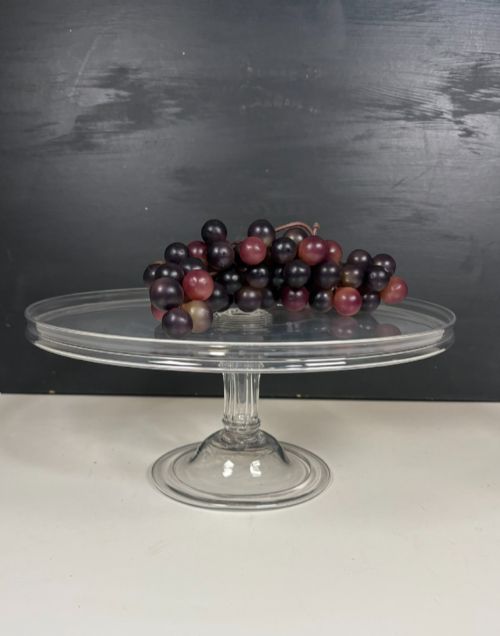
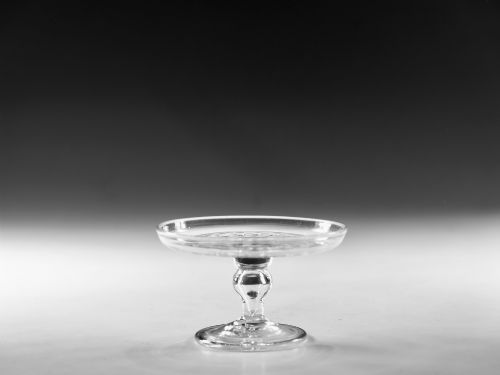
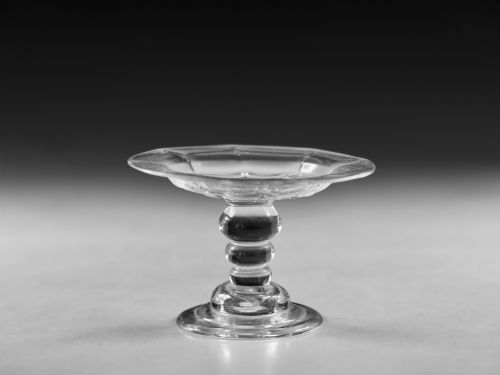
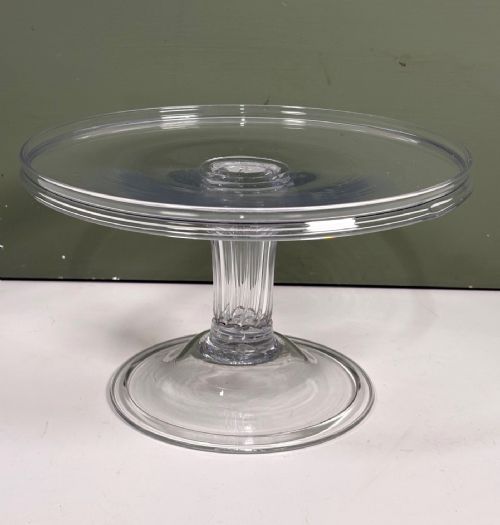
When you search for an 18th century glass stand, you encounter pieces primarily categorised as tazzas, patch stands, and sweetmeat glasses originating from the Georgian era. These items served functional roles on dining tables and dressing tables, holding small confectioneries or beauty patches.
The evidence shows forms ranging from small miniature patch stands with triple-knop stems to large crystal tazzas featuring spreading folded feet. Lead glass and clear glass dominate the physical evidence for these specific glass stands.
Materials and construction
Makers utilised lead glass and clear glass, shaping them through mould-blowing and hand-cutting techniques. Mould-molded patterns such as honeycomb designs appear alongside simpler baluster stems.
Support elements incorporate terraced feet and folded rims to add stability to the elevated glass plates.
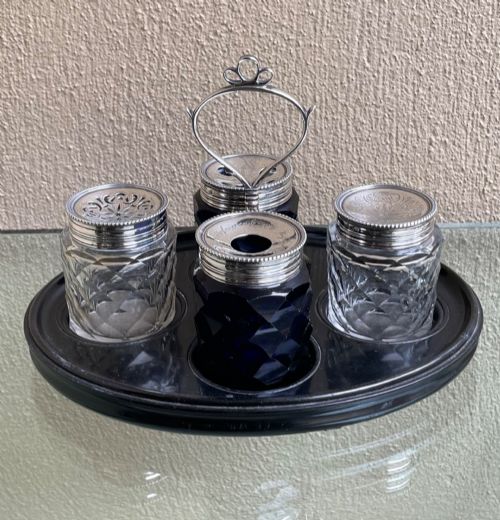
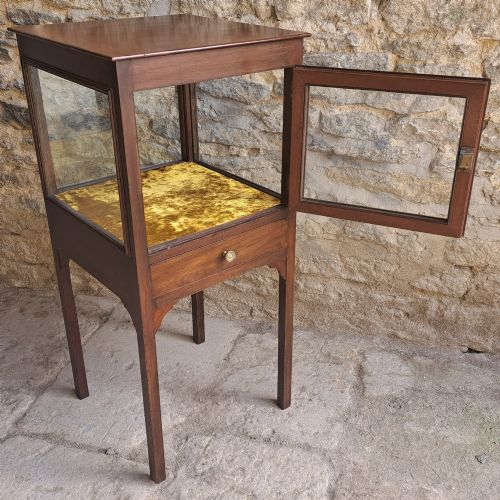
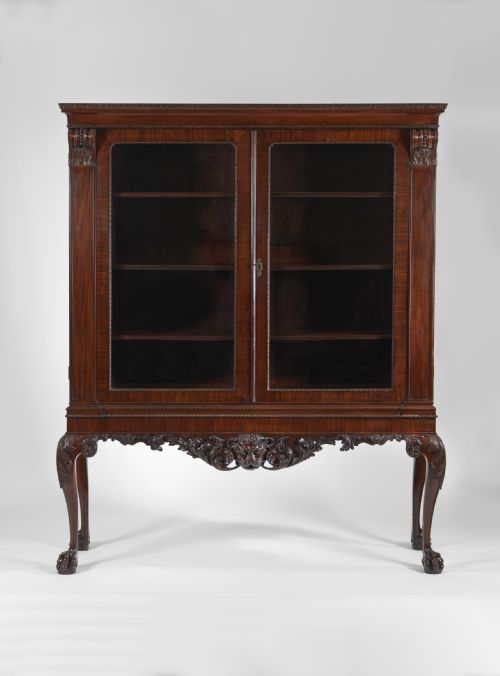
Listings combine delicate lead glass stands with heavier mahogany display cabinets and silver cruet sets from the same Georgian decades.
Distinctions in quality
Quality rests in the clarity of the metal and the crispness of the stem formation. Pieces with complex balustroid or triple-knop stems reflect greater technical demand during manufacture.
Proportion and the integrity of the folded foot differentiate standard vessels from finer examples recorded across the period.
Hester Bateman
The 18th Century Glass Stand Glossary
- Tazza
- A small shallow bowl or plate raised on a stem and foot. This form was frequently utilised for serving sweetmeats or displaying fruit.
- Patch stand
- A miniature pedestal dish used to hold small adhesive fabric patches worn on the face during the Georgian period. These items often feature terraced feet and baluster stems.
- Lead glass
- Heavy glass containing lead oxide, which increases brilliance and weight. It became the primary medium for high-end English drinking vessels and stands in the period.
- Folded foot
- A base edge turned under to create a smooth, thickened rim for added strength. This technique appears frequently on early vessels.
- Sweetmeat glass
- A small stemmed vessel designed for sugary confections or nuts. They share formal traits with patch stands and smaller tazzas.
18th Century Glass Stand: Frequently Asked Questions
What is an 18th century glass stand used for?
These vessels served to present sweetmeats, desserts, or small personal items like cosmetic patches upon Georgian tables. Their elevated design saved table space and added visual hierarchy to formal dining and dressing arrangements.
Today, collectors use them to display small objects or integrate them into traditional table settings. Their compact footprints make them versatile for surface display.
How do I identify a patch stand?
A patch stand typically presents as a miniature tazza with a stem and a broad foot, measuring smaller than standard serving dishes. They often incorporate baluster stems and terraced feet suited for holding tiny cosmetic items.
Examining the weight and glass composition helps confirm the period production methods. Lead glass formulas give these miniature stands a distinct heft compared to later imitations.
Are these glass stands made of lead glass?
Many examples from the Georgian period utilise lead glass, which provided better clarity and a heavier feel than standard soda glass. This material allowed for sharper mould-molded patterns and deep cutting.
Testing weight and observing light refraction help distinguish lead metal pieces. The heavier composition remains a hallmark of quality English glassmaking from the era.