


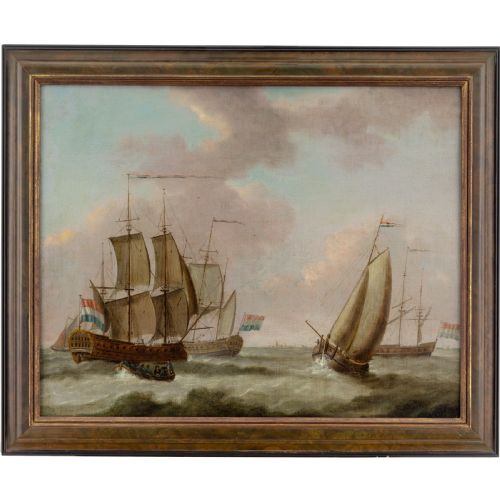
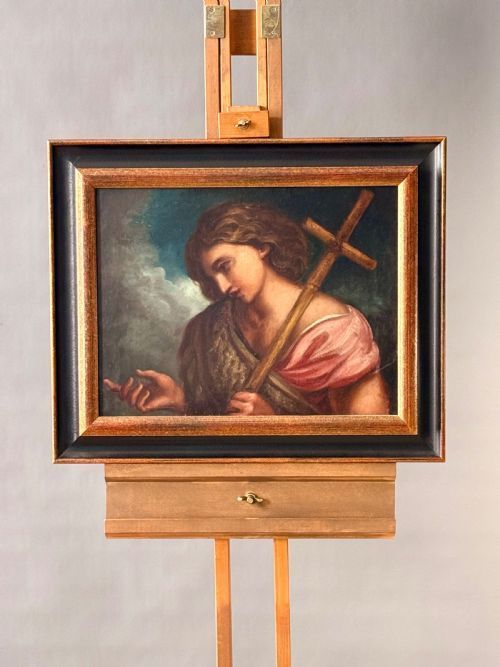
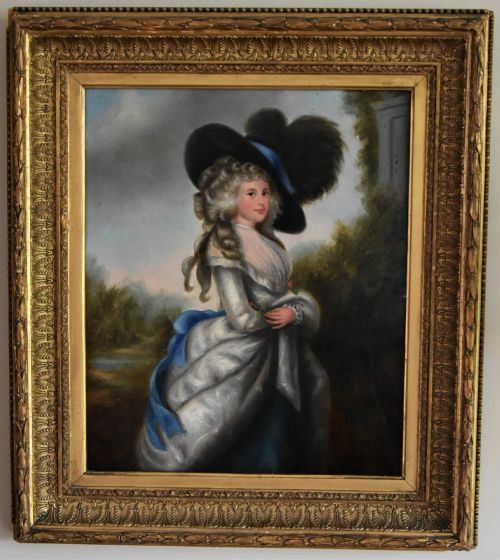
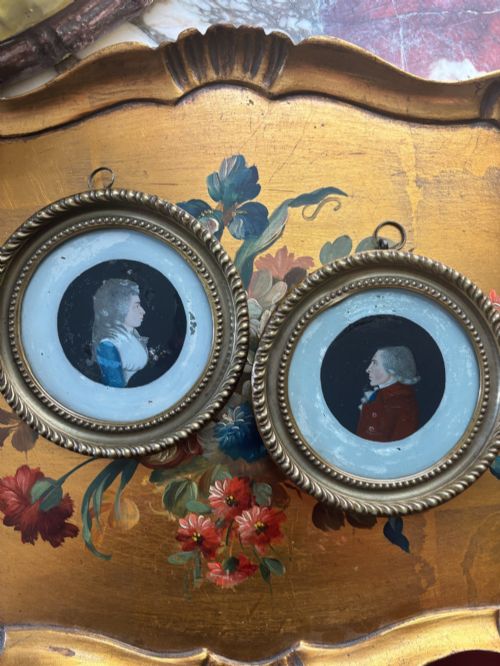

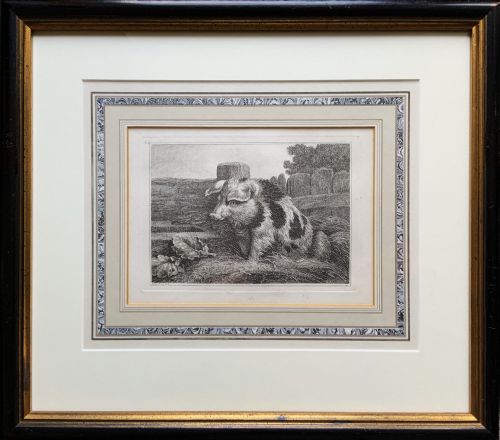
18th Century Gilt Frame
Selecting an 18th century gilt frame brings historical depth and reflective warmth to any interior through period craftsmanship.
18th Century Gilt Frame
Searching for an 18th century gilt frame directs attention toward architectural surrounds and protective borders designed for fine art and looking glasses. Collectors encounter carved wooden housings, often enclosing oil paintings, pastels, or mercury glass wall mirrors.
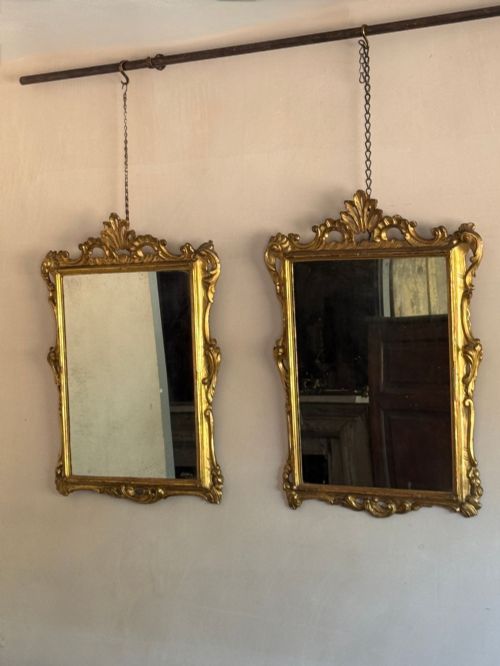
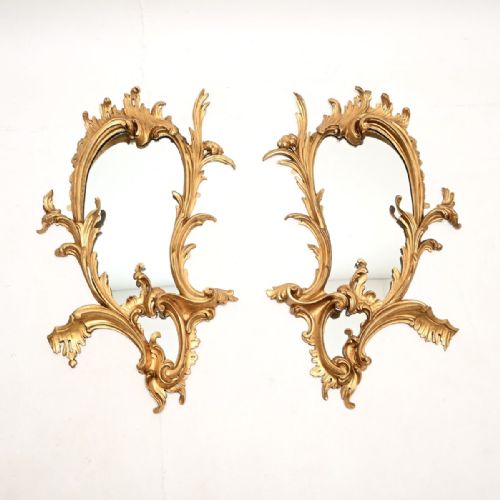
The selection ranges from George III mahogany fret mirrors and French giltwood wall mirrors to deep moulded oil painting frames. These objects originated within domestic interiors across Britain and continental Europe during the Georgian era and surrounding periods.
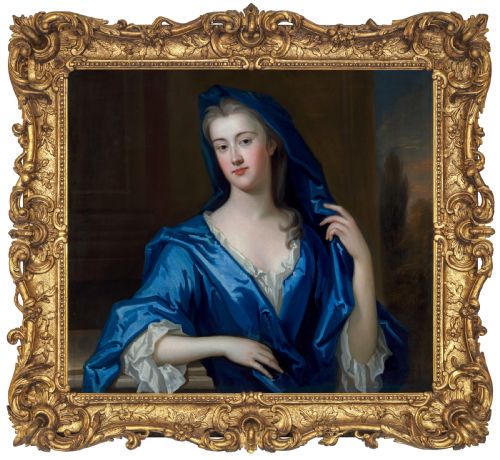
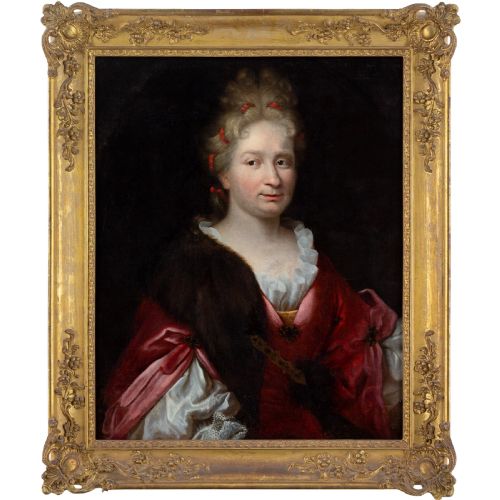
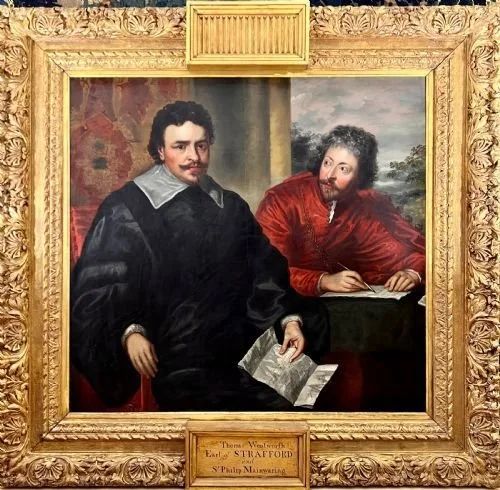
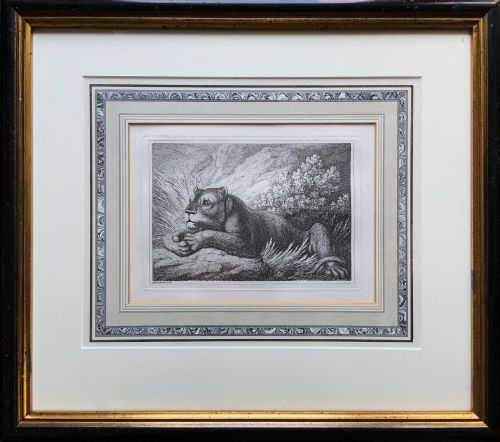
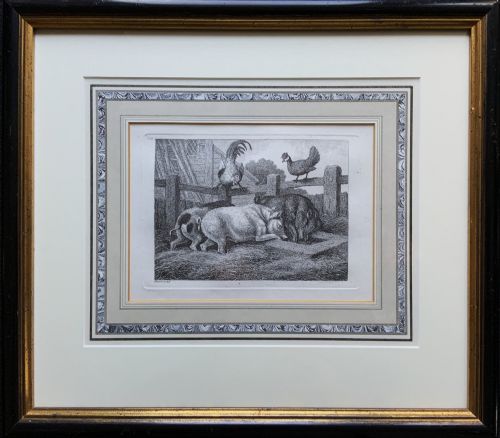
Many examples retain their original relationship with portraits, landscapes, or engravings, while others have adapted over time to hold mirrors or panels. Buyers encounter both English craftsmanship and French neoclassical or rococo aesthetic influences.
Materials and Techniques
Makers constructed these surrounds using timber foundations such as pine, walnut, and carved giltwood. Artisans applied layers of gesso onto the wooden base to build intricate relief ornament before applying gold leaf.
Surrounds frequently incorporated hand-carved details, plaster ornamentation, and parcel gilt treatments. Glass components associated with these pieces include original two-part plates and foxed mercury glass.
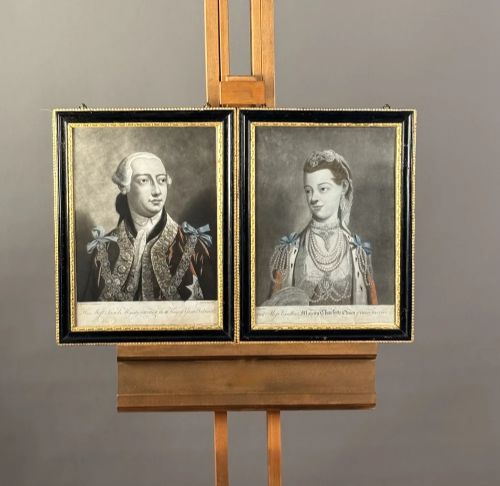
Some frames have spent centuries guarding stern gentlemen in tricorn hats, noble countesses, and even a troop of lucky gods sailing past.
Markers of Quality
Quality rests in the depth and crispness of the hand-carved relief work across the wooden moulding or gesso ornament. Superior examples exhibit fluid movement in rococo scrolls or precise symmetry in neoclassical patterns.
The integrity of the original gold leaf and the preservation of early glass plates or canvas pairings elevate the standing of a piece. Original components and untouched patination distinguish finer historic survivors from later adaptations.
Sir Godfrey Kneller·Charles-Antoine Coypel·Sir Joshua Reynolds·John Boydell·Jean-Baptiste Van Loo·Francesco Bartolozzi·James Sharples·Jeremiah Davison·François Boucher·François-Nicolas Martinet·Michael Dahl·Thomas Murray·Lemuel Francis Abbott·Stickland Lowry·Charles Spooner·Benedetto Luti·Valentine Green·Jiohan Elis Haid·James Watson·George Morland
The 18th Century Gilt Frame Glossary
- Giltwood
- Wood that has been coated with gold leaf applied over a prepared gesso ground. This material provides the brilliant metallic finish characteristic of period frames.
- Mercury glass
- Silvered glass manufactured by pouring a liquid mercury amalgam behind double-walled glass. This technique produces a distinctive mottled or foxed reflection found in older mirrors.
- Gesso
- A plaster mixture applied to wooden frame foundations to create a smooth surface for carving and gilding. Artisans modelled intricate relief designs directly into this layer.
- Fret mirror
- A wall mirror featuring a flat-cut wooden frame shaped with jigsaw scrollwork. These pieces became fashionable during the Georgian period.
- Mezzotint
- A printmaking process of the intaglio family where the plate is roughened to achieve tones and rich dark areas. These prints were frequently housed in decorative period frames.
18th Century Gilt Frame: Frequently Asked Questions
How were these frames used?
They served primarily to protect and display valuable oil paintings, family portraits, engravings, and mirrors within aristocratic and middle-class homes.
Many were custom-built to complement specific artworks, enhancing the visual impact of the canvas within domestic interiors.
How do I live with one?
Hanging these pieces requires sturdy wall fixings to support the weight of solid wood, gesso, and glass components.
Placements away from direct sunlight and excessive moisture help preserve the delicate gold leaf and historic wooden structure.
How can I tell periods apart?
Stylistic shifts provide key indicators, moving from heavy Baroque carvings to lighter French rococo curves and strict Georgian neoclassical symmetry.
Material analysis, such as identifying pine foundations, gesso preparation, and mercury glass plates, also helps confirm age.