





18th Century French Box
An 18th century french box brings tangible tactile history to a room, offering small-scale craftsmanship or robust storage shaped by regional French traditions.
18th Century French Box
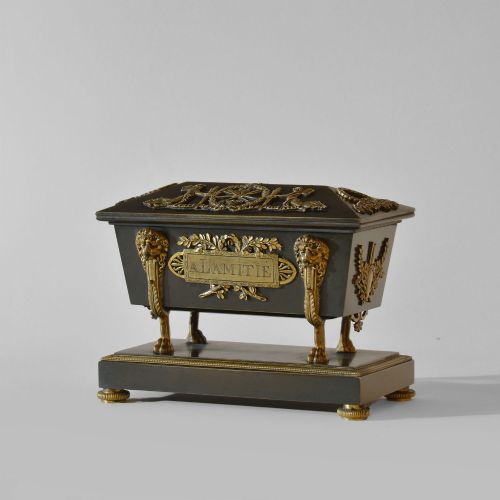
An 18th century french box encompasses a diverse range of domestic objects, from miniature pocket items to large timber storage pieces. When searching this phrase, buyers encounter everything from intimate personal containers to substantial regional furniture.
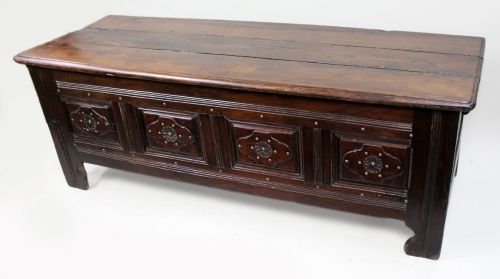
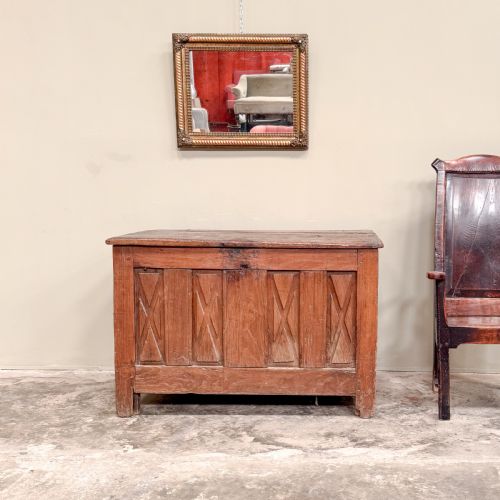
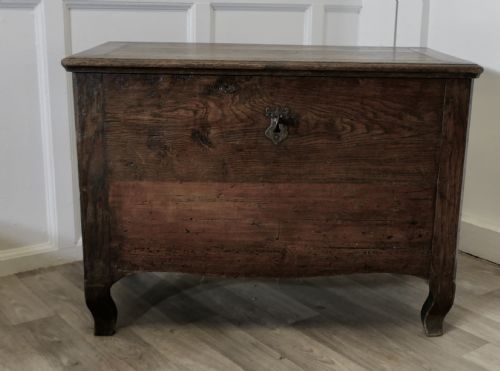
The heavier pieces on this page include robust coffers, strongboxes, and box-seated settles constructed for domestic security and utility. These utilitarian forms reflect the practical household requirements of provincial France.
Smaller examples comprise pocket-sized snuff boxes, pill trinket boxes, and devotional shadow boxes. These delicate containers showcase refined personal accessories and religious artefacts preserved from the period.
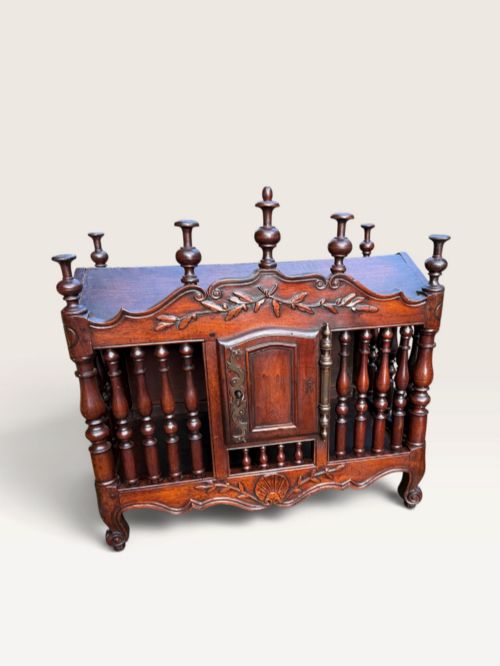
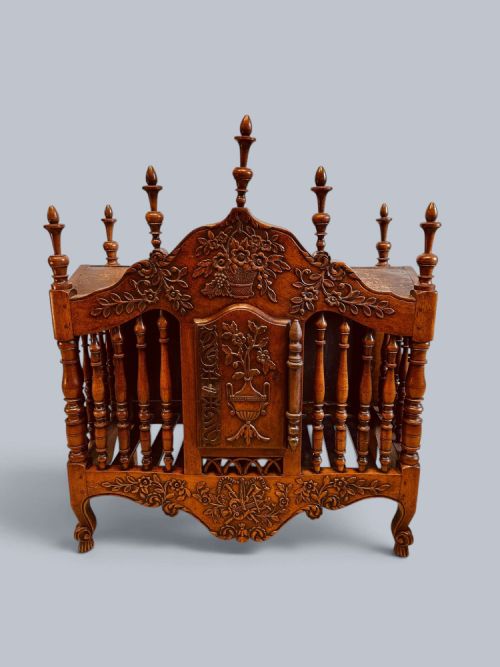
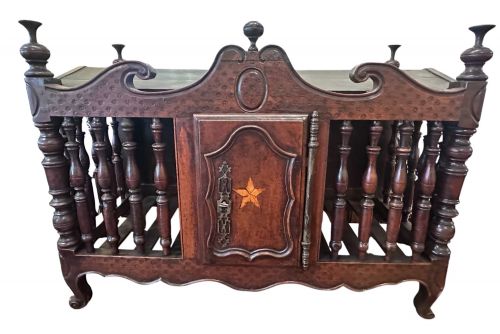
Regional furniture forms such as the panetiere, or bread cage, also appear frequently within this category. These ventilated storage pieces combine practical food preservation with accomplished decorative carving.
Materials and Construction
The larger furniture and storage pieces rely on native timbers including oak, walnut, fruitwood, and pine. Carpenters utilised pegged joinery and hand-carved panels to build sturdy coffers and settles designed for daily use.
Finer personal items incorporate exotic woods such as kingwood alongside precious metals, tortoise-shell, and coquilla nut. Goldsmiths and box-makers applied fine gold detailing, piqué work, and pressed maple techniques to create intricate pocket containers.
Specialised decorative elements feature Nevers glass figures inside shadow boxes and hand-painted silk fans mounted within gilded frames. These varied material combinations demonstrate the broad spectrum of eighteenth-century French workshop skills.
18th Century French Box Retail Price Guide 2026
Typical asking prices for 18th century french box among the pieces listed under this phrase on Sellingantiques today, from the lower quarter to the upper quarter. They describe what is for sale here now, not the wider market.
Several boxes spent centuries hiding secret games inside before ever reaching a modern collector.
Assessing Quality and Execution
Quality in these pieces rests upon the crispness of the hand-carving and the integrity of the original construction. Superior coffers and panetieres display deep, purposeful relief carving and tightly fitted timber joints rather than mechanical uniformity.
For smaller items like snuff and trinket boxes, excellence is judged by the precision of the metalwork, the clarity of raised gold detailing, and the preservation of delicate materials such as tortoiseshell. Finer examples maintain original hinges, clasps, and surface patination without modern restoration altering their character.
The 18th Century French Box Glossary
- Coffer
- A heavy wooden chest traditionally used for storage and transport of valuables. These robust containers often feature iron hardware and sturdy timber construction.
- Panetiere
- A traditional French wall cabinet or bread cage designed to store and protect loaves from pests. They typically feature turned spindles, carved walnut or oak, and ventilated sides.
- Snuff Box
- A small pocket-sized container manufactured to hold tobacco powder. Eighteenth-century versions utilise gold, pressed maple, coquilla nut, and tortoiseshell.
- Strongbox
- A secure metal-bound box or coffre fort designed to safeguard currency and important documents. These pieces frequently incorporate complex internal locking mechanisms.
- Shadow Box
- A deep, glass-fronted framed display case created to protect three-dimensional objects. Examples from this period often enclose delicate devotional figures.
18th Century French Box: Frequently Asked Questions
How do I care for antique timber boxes?
Antique wooden boxes require stable environmental conditions away from direct sunlight and rapid temperature fluctuations. Excessive dryness causes timber to split, while high humidity encourages mould and woodworm.
Apply occasional natural beeswax to nourish the wood and maintain the historic surface patination without stripping the aged finish.
What is a coffre fort?
A coffre fort translates as a strongbox, built specifically for securing currency, bullion, and important deeds. These heavy containers utilised robust iron framing and secure locking mechanisms.
They represent the more utilitarian and secure end of eighteenth-century storage craft compared to delicate tabletop trinket containers.
How are small snuff boxes dated?
Dating relies on material fashion, construction techniques, hallmarks where present, and stylistic markers such as neoclassical or rococo motifs. Certain materials like tortoiseshell and specific gold-working styles correlate closely with late eighteenth-century manufacturing periods.
Comparing known workshop examples and surviving archival pieces helps narrow the decade of production.