


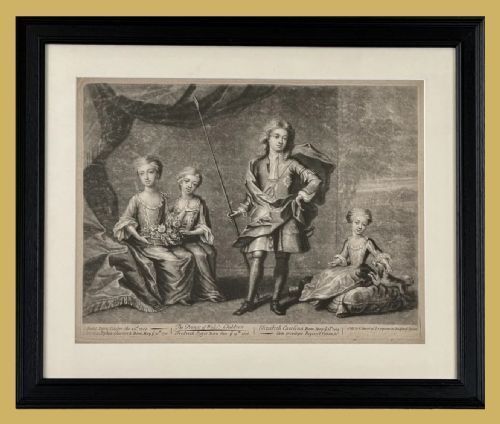
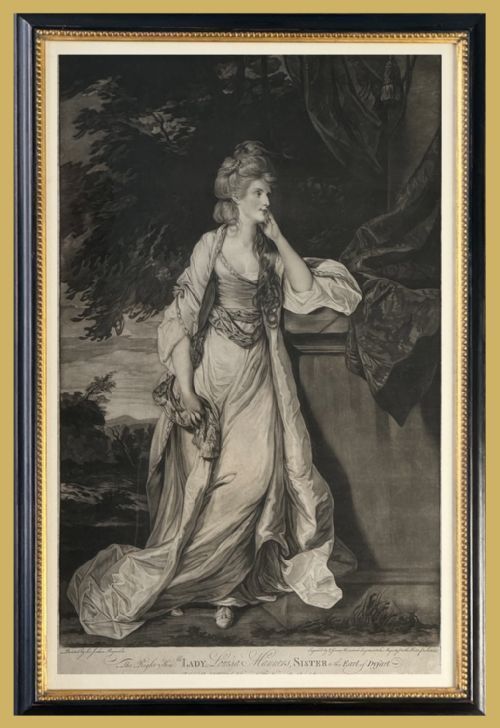
18th Century Framed Engraving
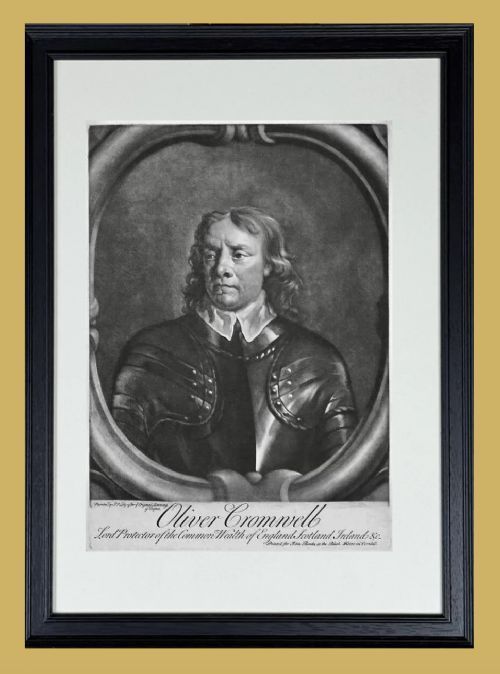
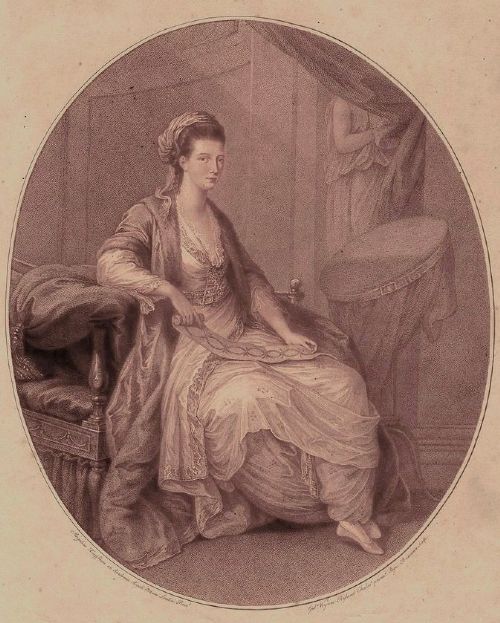
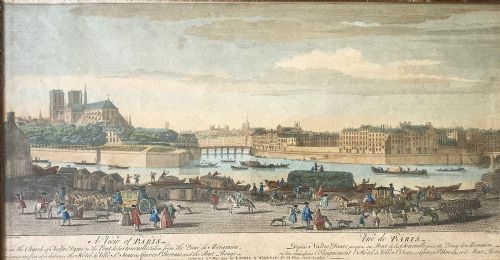
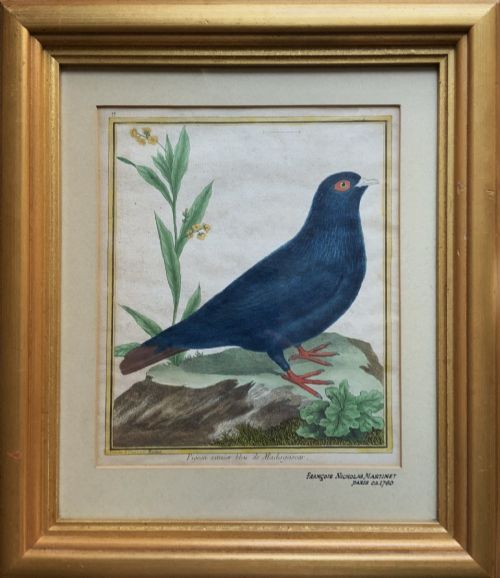
An 18th century framed engraving brings historic portraiture, landscape and botanical illustration directly to the wall inside period wood and gilt frames.
18th Century Framed Engraving
An 18th century framed engraving typically comprises a paper print executed in techniques such as mezzotint or stipple engraving, housed within a period wooden or gilt frame.
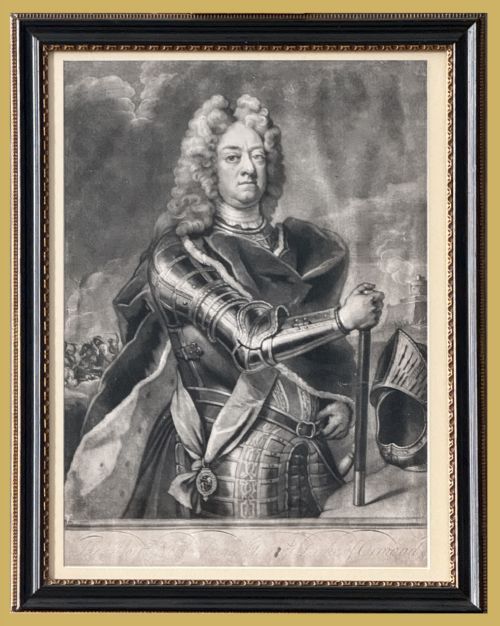
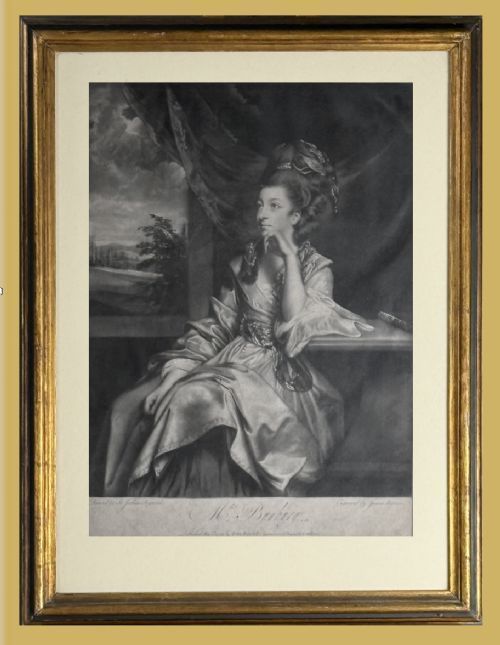
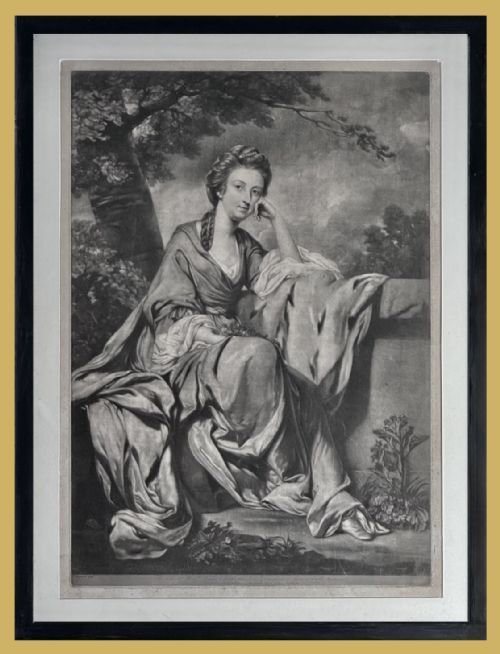
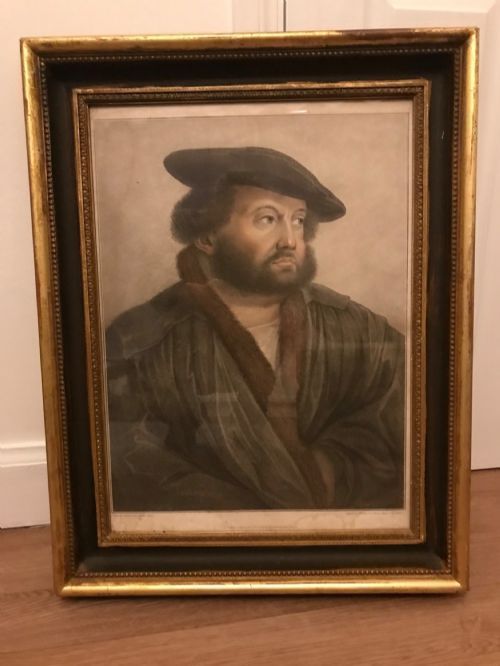
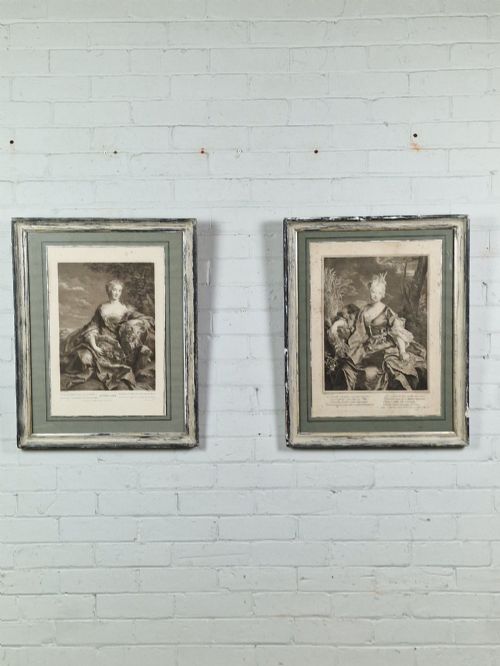
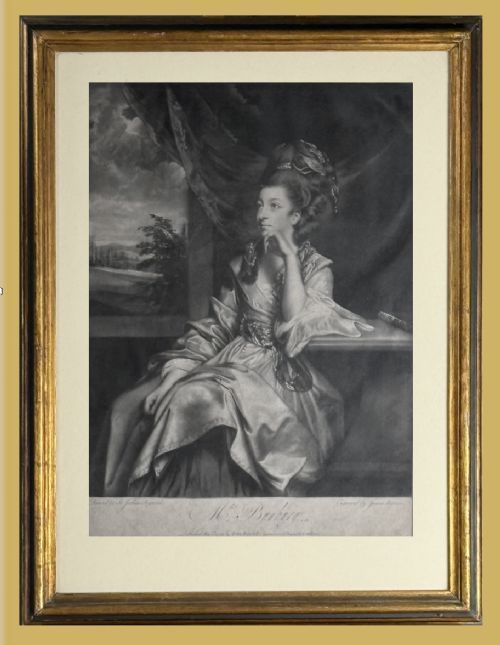
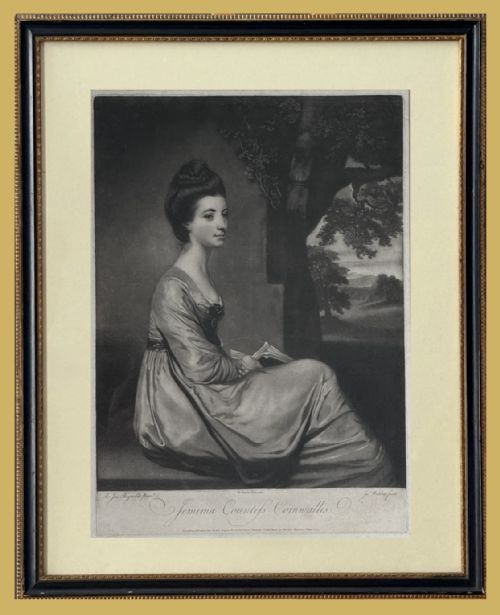
The selections on this page feature numerous aristocratic and royal portraits by renowned printmakers after painters like Sir Joshua Reynolds, alongside architectural views, birds and anatomical subjects.
Buyers encounter works spanning Georgian and Regency aesthetics, with French Rococo and Neoclassical styles appearing frequently across the selection.
How they were made
Printmakers utilised inked copper plates to press fine lines and tonal gradations onto paper, sometimes applying hand colouring directly to the finished sheet.
Frames were constructed from wood, frequently finished with gold leaf, giltwood or reverse glass techniques to complement the artwork.
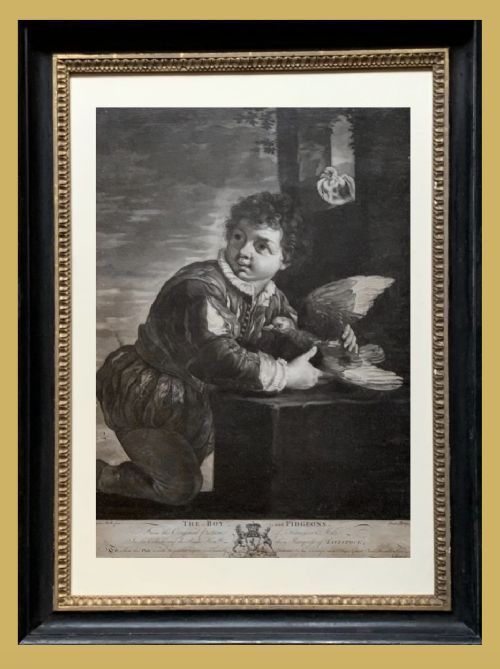
Among the aristocratic portraits and classical scenes, a pigeon and an anatomical skeleton appear on the paper.
What varies in quality
The depth of the impression on the paper and the clarity of the ink distinguish finer plates from later or worn strikes.
The survival of original hand colouring and the preservation of the matching period frame influence the character of each piece.
John Simon·John Boydell·James Watson·Edward Fisher·Francesco Bartolozzi·John Smith·John Bowles·François Nicolas Martinet·Valentine Green·Andrew Bell·John Faber·Jacobus Houbraken·Étienne Baudet
The 18th Century Framed Engraving Glossary
- Engraving
- A printmaking technique where an artist cuts lines directly into a metal plate with a burin. The resulting incisions hold the ink for pressing onto paper.
- Mezzotint
- A tonal printmaking method that allows smooth gradations between light and dark areas. It was widely used in the period for reproducing oil paintings.
- Stipple engraving
- A method of creating images on a metal plate using dots rather than continuous lines. This technique produced soft, painterly effects popular for portraits.
- Giltwood
- Wood carved and coated with gold leaf or a gold-coloured finish. It is commonly found on frames from the Georgian and Regency periods.
- Reverse glass painting
- An artwork created by applying pigment and gold leaf to the back of a piece of glass to be viewed from the front.
18th Century Framed Engraving: Frequently Asked Questions
How should I hang an 18th century framed engraving?
Protect the paper and frame from direct sunlight to prevent the ink and wood from fading over time.
Use sturdy wall fixings suited to the weight of the timber and glass construction.
Were these prints originally coloured?
Some engravings received original hand colouring at the time of publication to enhance the visual detail.
Others were left in monochrome ink, relying on the tonal variation of the printmaking technique.
What is the difference between an engraving and a mezzotint?
An engraving uses direct lines cut into a plate to form the image.
A mezzotint builds up rich tonal areas and gradients, making it ideal for portraits.
Are the frames original to the prints?
Many listings preserve their period wooden or gilt frames, which reflect the style of the era.
Some pieces pair an antique print with a complementary historic frame from a similar date.