

18th Century Fireplace
When you search for an 18th century fireplace, you are looking at hearth furniture, architectural surrounds and accessories shaped by Georgian and 18th Century design.
18th Century Fireplace
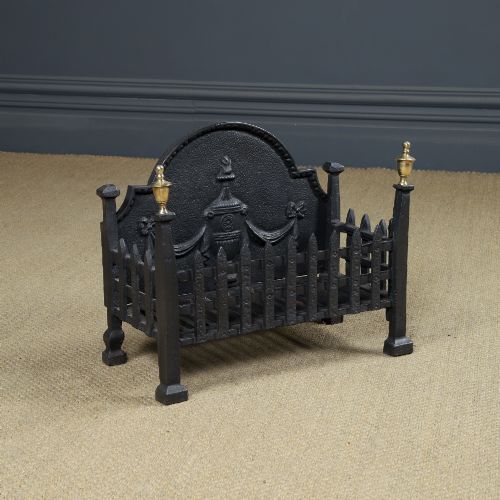
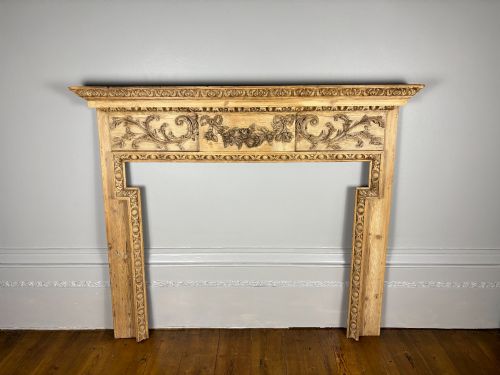
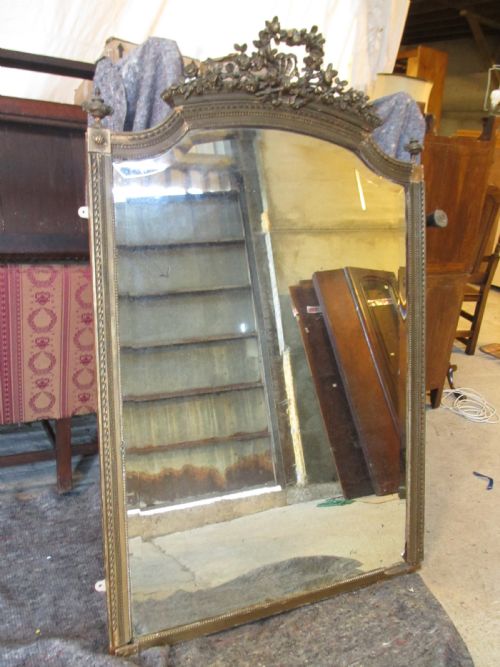
An 18th century fireplace search brings together architectural elements like stone and pine surrounds and carved gesso mantelpieces alongside the practical iron, steel and brass items that lived around the hearth. The listings on this page span complete surrounds, fire grates, and architectural overmantel mirrors rooted in the 18th Century and Georgian periods.
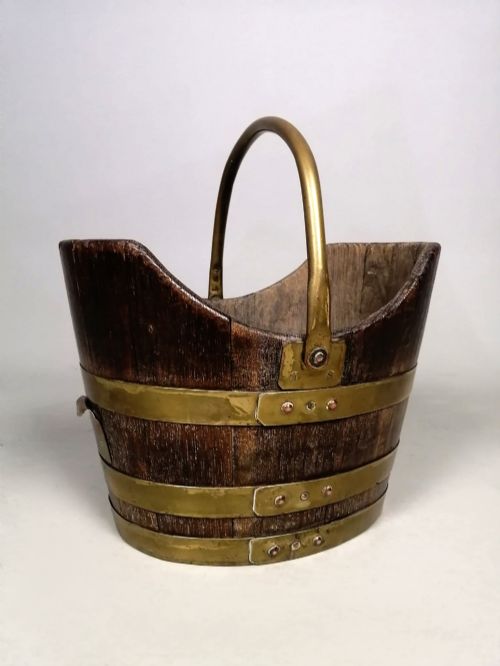
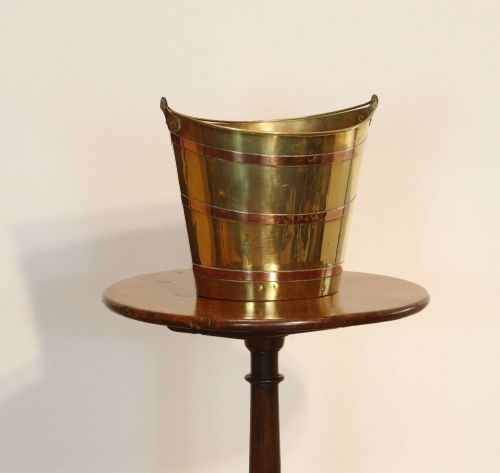
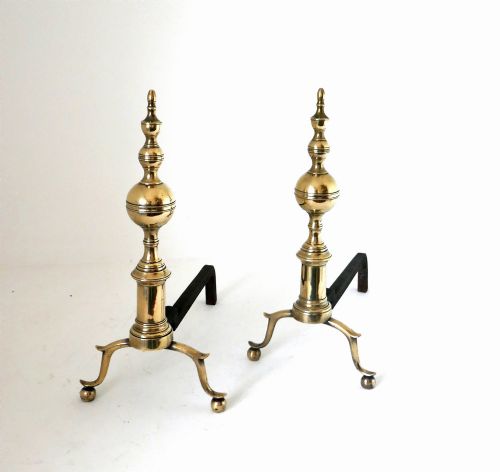
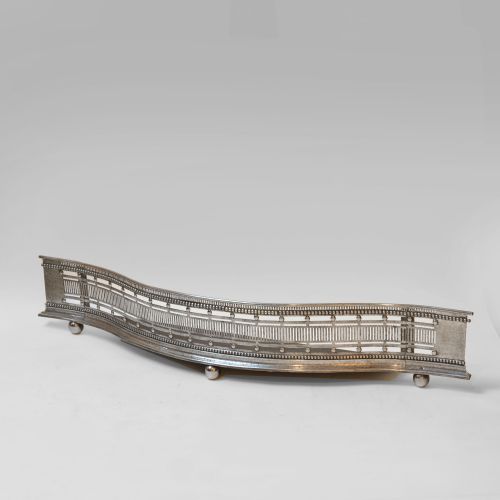
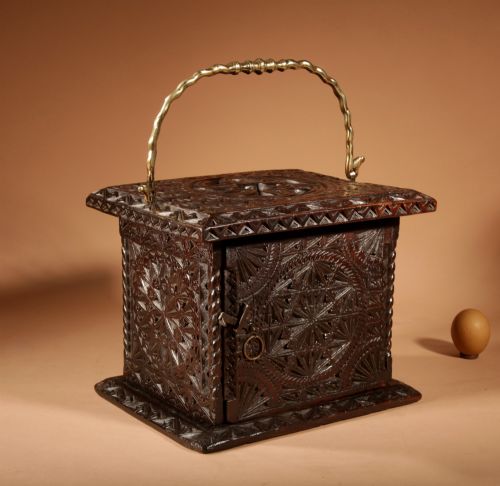
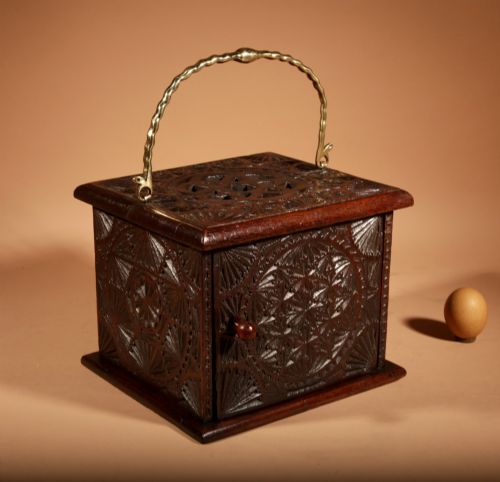
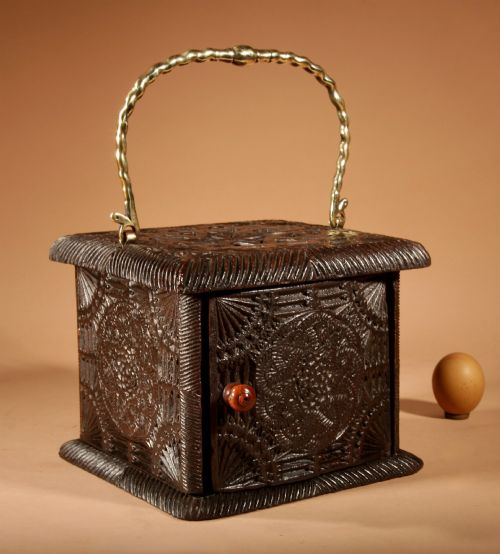
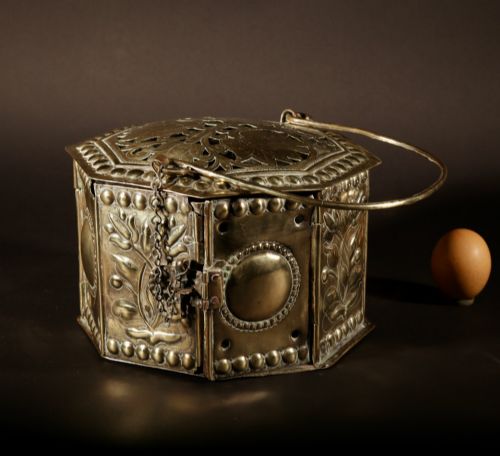
Beyond the structural surrounds, the category embraces a wide range of hearth accessories and related furnishings. Buyers regularly encounter steel and brass fenders, fire irons, andirons, footwarmers in oak and brass, kettles, and fire screens reflecting Georgian, French Rococo, and George III styles.
How they were made
The metalwork seen across these pieces relies on hand-forged wrought iron, cast iron, polished steel, and beaten brass and copper. Makers shaped fenders, fire irons, and chimney jacks using traditional blacksmithing and sheet metal techniques.
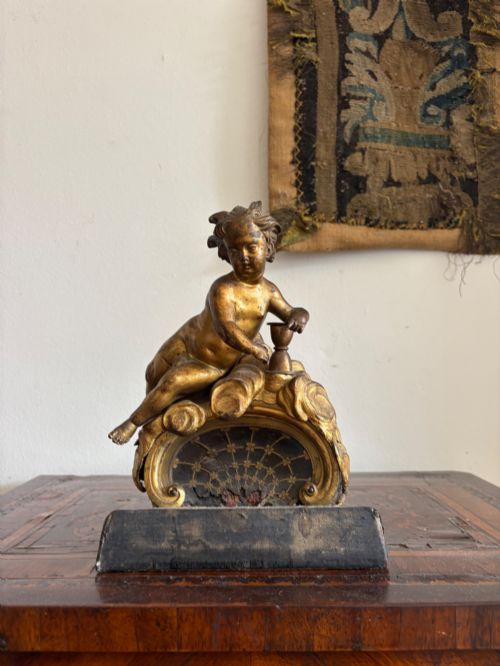
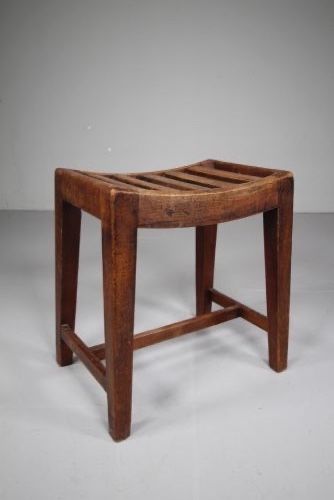
Woodwork relies heavily on oak, mahogany, and painted pine, often finished with chip carving, shaped slats, or carved gesso on mantelpieces and fire surrounds. Giltwood and gilt bronze appear on ornamental items such as fire screens, andirons, and overmantel mirrors.
18th Century Fireplace Retail Price Guide 2026
Typical asking prices for 18th century fireplace among the pieces listed under this phrase on Sellingantiques today, from the lower quarter to the upper quarter. They describe what is for sale here now, not the wider market.
Listings feature periods spanning from 1700 through the Georgian era to the early 20th century, alongside materials like copper, mahogany, and wrought iron.
What varies in quality
Quality in these pieces depends on the crispness of the hand-carved detail in wood and gesso surrounds, and the precision of the forging or engraving on steel fenders and fire irons. Superior examples display balanced proportions, clean joinery, and well-preserved surface finishes rather than heavy wear or clumsy restoration.
The choice of materials also dictates the grade of the piece, with substantial brass castings, heavy wrought iron, and finely figured mahogany or pine representing the upper tier of period production. Simpler folk art items, such as chip-carved oak footstoves, are judged on the personality and execution of the rustic carving.
The 18th Century Fireplace Glossary
- Fender
- A low metal guard placed in front of a fireplace to contain sparks and rolling embers. Georgian examples frequently combine polished steel with pierced brass galleries.
- Andiron
- A horizontal metal support raised on legs, designed to hold logs in an open fireplace. Pairs of andirons often feature decorative finials cast in brass or gilt bronze.
- Footman
- A metal stand placed by the hearth to keep food warm near the fire. These typically stand on four legs with a flat top and a brass or steel plate.
- Overmantel mirror
- A large looking glass designed to hang directly above a mantelpiece. Period versions often feature carved giltwood frames in the Georgian style.
- Chimney jack
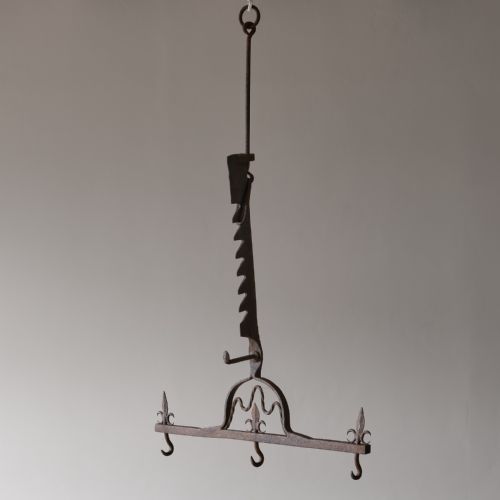
- An adjustable iron device suspended inside a chimney to support cooking pots at varying heights over the fire. These are strictly hand-forged utility items from the eighteenth century.
18th Century Fireplace: Frequently Asked Questions
What is an 18th century fireplace surround made of?
Surrounds from this era are constructed from materials like carved pine, stone, and mahogany, often accented with gesso enrichment.
Architectural pieces may also incorporate marble or iron components depending on the specific regional style and date.
How do I identify a Georgian fire fender?
Georgian fenders are typically made of polished steel, pierced brass, or cast iron, sized to fit standard hearth dimensions.
They often display serpentine shaping, engraved linear details, or decorative wirework galleries.
Were fire irons used or just displayed?
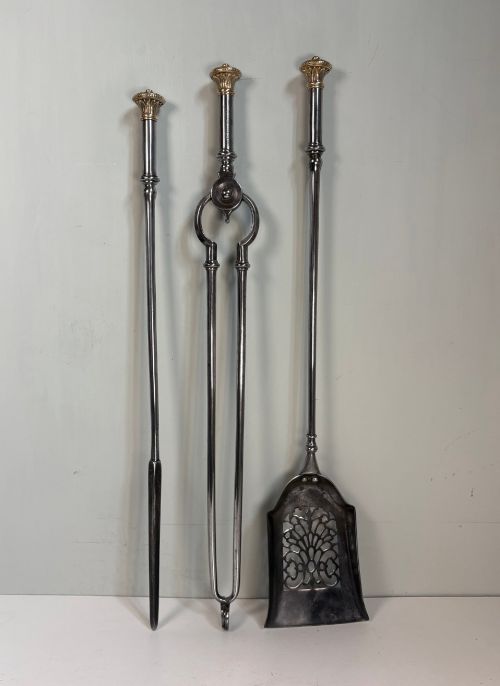
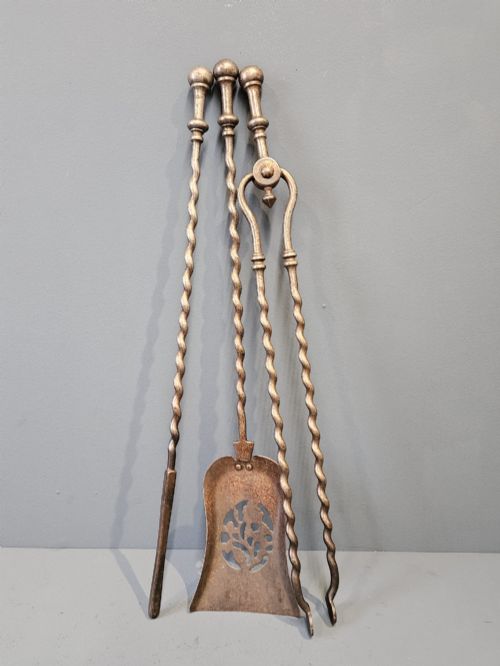
Fire irons including pokers, tongs, and shovels were fully functional tools designed for tending coal or wood fires.
Sets were frequently made of matched steel, sometimes with polished brass or gilt handles for display beside the hearth.
What is a foot stove?
A foot stove is a small wooden or metal box with perforated panels, designed to hold hot embers inside a ceramic or metal container.
People used them during the eighteenth century to keep their feet warm in unheated rooms or carriages.
How do I date an antique fire grate?
Dating relies on construction methods, material choices, and stylistic markers such as Neo Gothic or George III ornament.
Cast iron grates from the period show specific foundry textures and assembly techniques distinct from later nineteenth-century reproductions.