




18th Century Drop Leaf Console
An 18th century drop leaf console brings flexible surface area and rich timber grain to a room, most often appearing as a mahogany sofa table, side table, or dining table from the Georgian period.
18th Century Drop Leaf Console
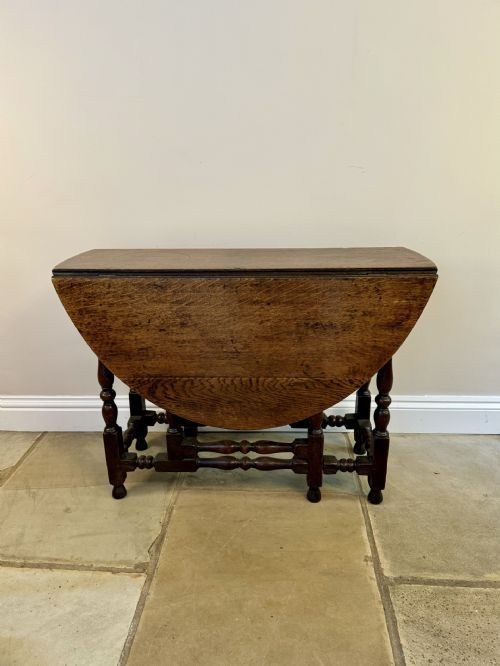
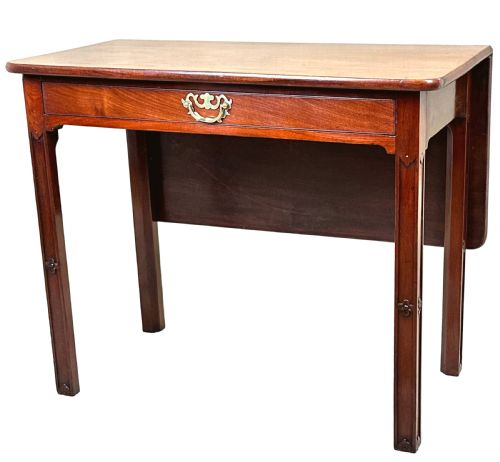
When you search for an 18th century drop leaf console, you are looking at timber furniture designed with hinged flaps that fold down when space is tight and lift up on gate legs or supports when extra room is needed. The pieces appearing here span forms such as sofa tables, dining tables, side tables, and occasional tables.
The versions you are most likely to meet on this page date from the Georgian era and the eighteenth century, with occasional pieces from around nineteen hundred or the nineteenth century. They originate primarily from the United Kingdom and include Dutch examples.
Makers and makers' workshops of these periods shaped timber into versatile items that function equally well against a wall as a console or pulled out into the centre of a room for dining or supper.
Materials and construction
Cabinet makers built these tables predominantly using mahogany, oak, and pine, frequently incorporating secondary woods like fruitwood, boxwood, and satinwood for banding and inlay work. Brass fittings appear on castors and drawer pulls, while iron hardware supports folding mechanisms.
Construction relied on joinery techniques suited to folding and moving timber, such as gate legs that swing out to support drop flaps and spider legs for lighter occasional tables. Inlaid surfaces display contrasting timbers fitted precisely into the primary wood of the top.
Listings feature eighteenth-century and Georgian pieces constructed from mahogany, oak, pine, and fruitwood.
What separates the tiers
Quality rests in the selection of timber grain, particularly figured mahogany and deliberate satinwood banding, which lifts a plain surface into something decorative. Finely turned spider legs or substantial gate leg frames demonstrate the maker's attention to structural stability under moving loads.
The integration of working drawers with tight joinery and original brass hardware separates standard utility items from pieces destined for formal parlours and drawing rooms.
The 18th Century Drop Leaf Console Glossary
- Drop leaf
- A table design featuring a fixed central section and hinged flaps that raise and lower on pivoting supports. This allows the footprint of the furniture to shrink or expand according to the room.
- Gate leg
- A hinged leg that swings outward from the table frame like a gate to support an elevated drop leaf. It provides sturdy weight-bearing capacity beneath the extended flap.
- Sofa table
- A rectangular table designed during the Georgian period to stand in front of a sofa, typically fitted with drop leaves and small drawers. They sit lower and wider than standard side tables.
- Console table
- A table intended to stand flat against a wall, sometimes paired with a matching table to form a larger dining surface. In eighteenth-century contexts, drop leaf mechanisms allowed console arrangements to convert rapidly.
- Satinwood
- A pale, lustrous timber from tropical trees used extensively for stringing and decorative banding on eighteenth-century furniture. It creates sharp visual contrast against darker mahogany.
18th Century Drop Leaf Console: Frequently Asked Questions
How were drop leaf consoles used originally?
These tables served flexible domestic roles where floor space shifted between daily living and formal entertaining. Placed against a wall as a console, they held decorative objects or lighting until needed for dining or writing.
When guests arrived, the leaves were raised to create a substantial surface for meals, supper, or social gatherings. The folding mechanism made it simple to clear the centre of the room once the event concluded.
What wood should I look for?
Mahogany dominates the surviving examples from this period, valued for its rich colour and stable grain. Oak and pine appear frequently in dining and utility tables intended for more robust everyday use.
Finer decorative pieces incorporate satinwood banding and boxwood inlay to frame the primary timber. The choice of wood generally reflects the room of the house the table was built to inhabit.
How do I tell a sofa table from a side table?
Sofa tables are proportioned to sit directly behind or beside seating furniture, featuring dual drop leaves and short proportions designed for domestic comfort. They often include small drawers beneath the top.
Side tables and console tables stand independently against walls, sometimes with a single drop flap or configured as a pair of 'D' end tables that join together. Their proportions suit perimeter placement rather than floor-standing use near upholstery.
How do I care for an antique timber top?
Keep eighteenth-century timber away from direct heat sources and strong sunlight to prevent the wood from drying out and splitting. Regular dusting with a dry, soft cloth maintains the finish without requiring heavy polishes.
Use coasters and felt pads beneath objects placed on the surface to protect the polish and historic timber from moisture and scratches. Wax can be applied sparingly to nourish the grain when the surface appears dry.