
18th Century Dining Furniture
These pieces of 18th century dining furniture bring historic craftsmanship and solid timber construction to domestic interiors.
18th Century Dining Furniture
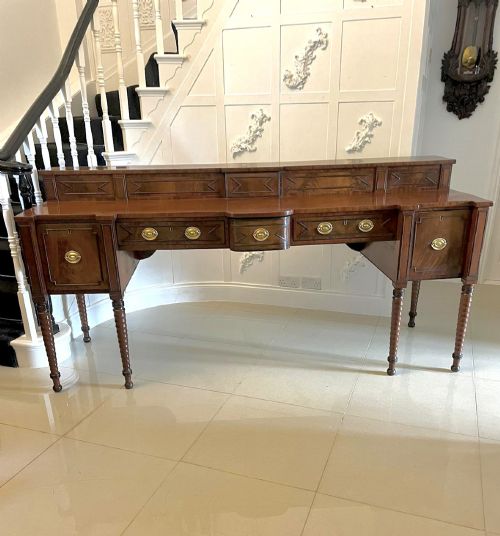
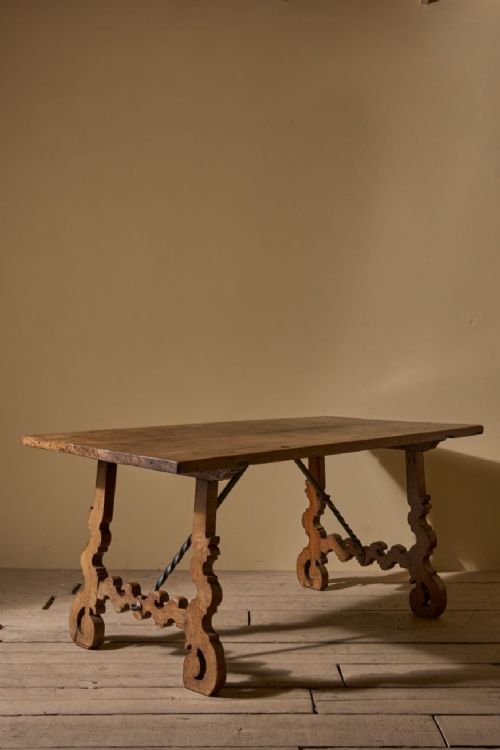
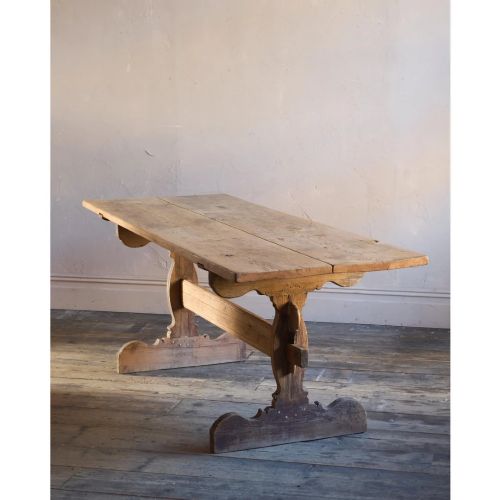
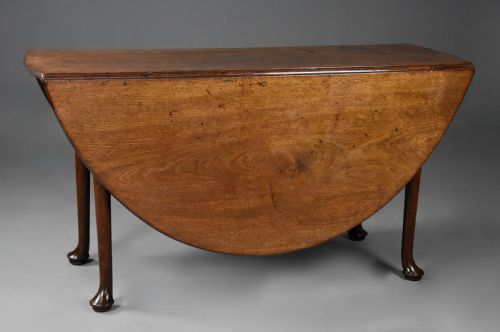
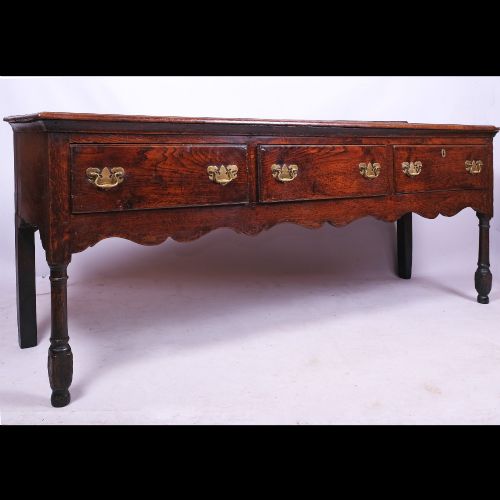
When you search for 18th century dining furniture, you encounter a selection spanning walnut, mahogany, oak, and fruitwood items intended for domestic dining spaces. The inventory includes sets of chairs, drop-leaf tables, gateleg tables, and sideboards originating from English, Irish, Scottish, Spanish, Swedish, and Italian workshops.
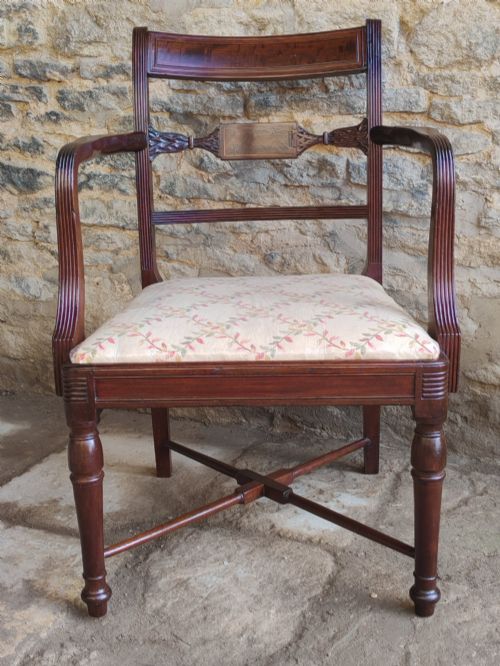
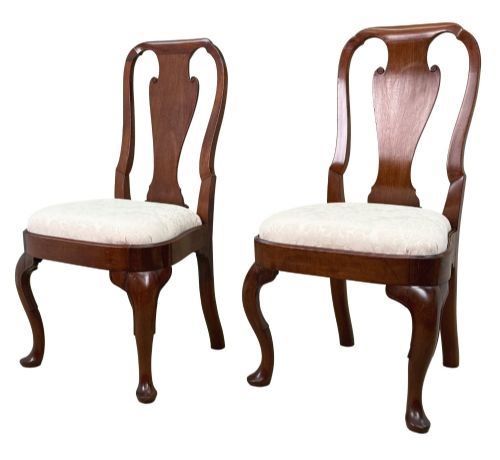
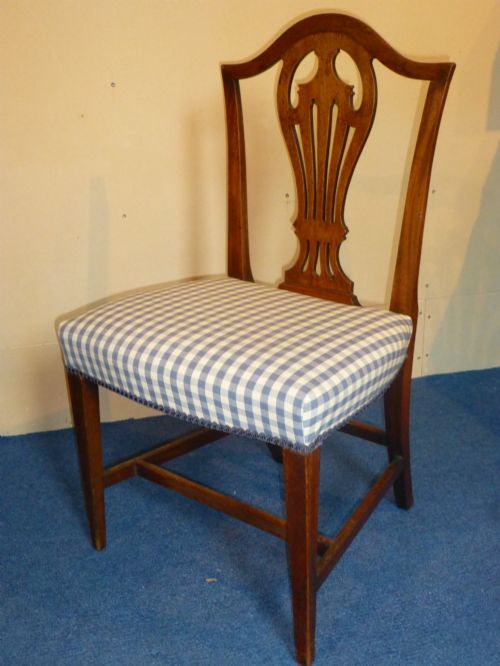
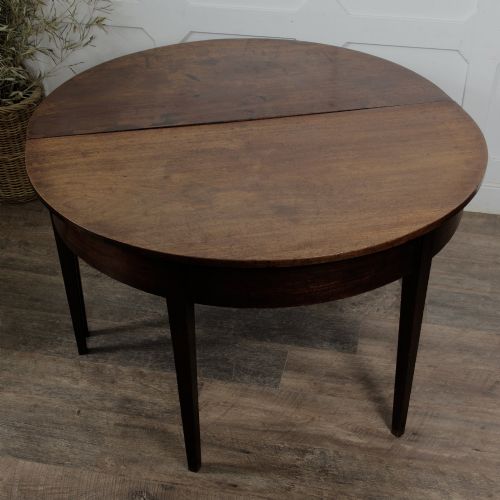
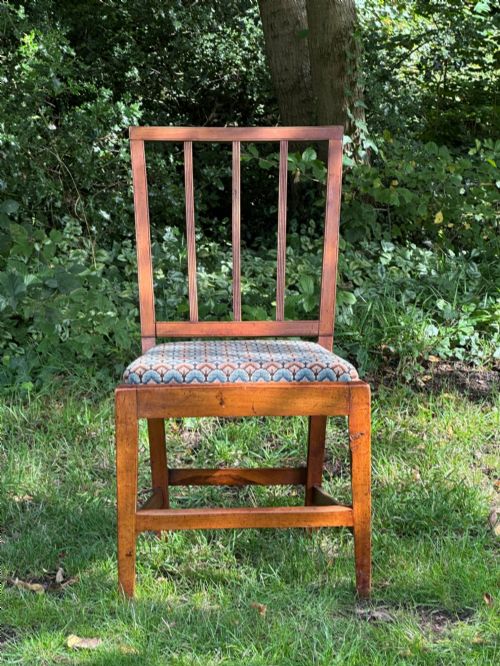
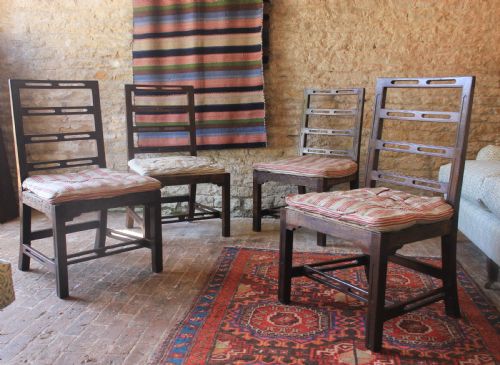
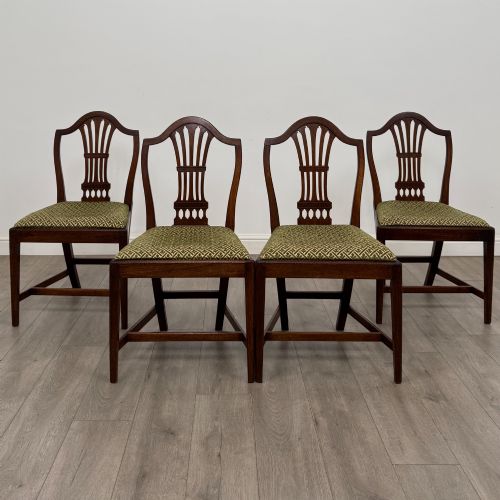
The most frequent examples on this page date from the Georgian period and the reign of George III, alongside earlier Queen Anne and George II specimens. These comprise dining chairs, side chairs, armchairs, and extendable tables constructed to serve formal and country interiors alike.
Materials and construction
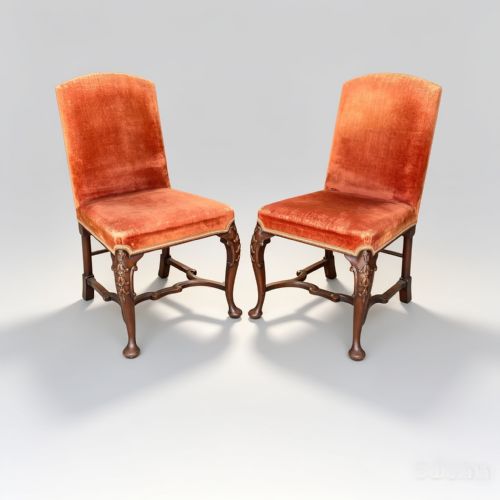
Cabinet makers and joiners utilised solid timber, selecting dense mahogany, figured walnut, native oak, elm, birch, and fruitwood. Surfaces often display natural patination developed over centuries of use, sometimes complemented by subtle brass inlay or carved cabriole legs with hoof feet.
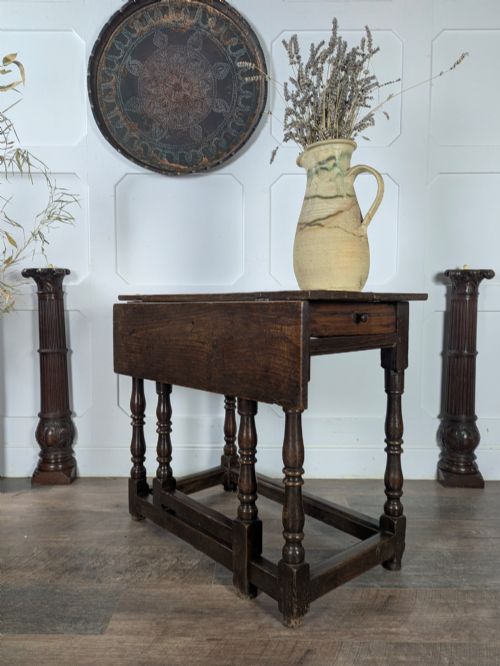
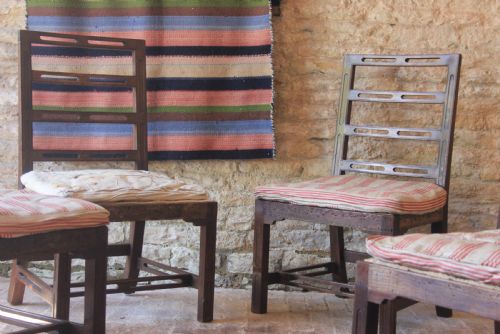
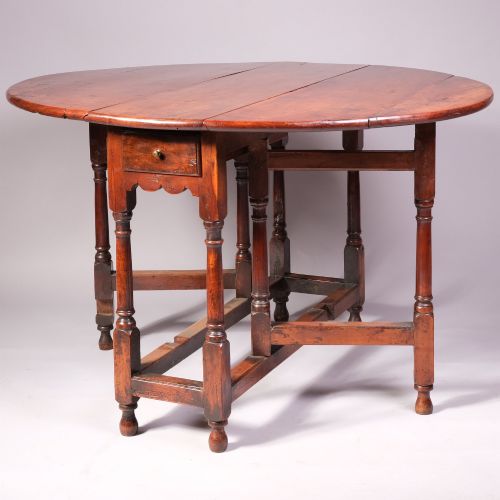
Tables rely on stable gateleg, drop-leaf, or tilt-top mechanisms, while chairs utilise mortise and tenon joinery to secure uprights, splats, and upholstered seats covered in period-appropriate fabric or textile.
Listings feature walnut, mahogany, oak, and fruitwood tables and seating from the 18th Century and Georgian periods.
Evaluating construction and survival
The distinction between ordinary and exceptional pieces rests upon the integrity of the timber, the depth of the carved detail, and the retention of original surfaces. Tables with untouched patination and chairs retaining their original structural framing demonstrate superior survival.
Execution of carved elements, such as fan backs or claw and ball feet, indicates the skill of the original maker. Alterations, replaced timber, or later nineteenth-century copies affect the uniformity and historical consistency of matched sets.
Gillows
The 18th Century Dining Furniture Glossary
- Carver
- An armchair designed for the head of a dining table, featuring wider proportions and armrests.
- Gateleg table
- A table with hinged drop leaves supported by swinging legs that pivot out from the frame.
- Cabriole leg
- A furniture leg that curves outward in a convex arc and tapers inward to a concave arc, terminating in a foot.
- Dumb waiter
- A tiered revolving stand placed beside a dining table to hold dishes and silverware.
- Pad foot
- A simple rounded foot resting flat on the floor, commonly found on cabriole legs from the early eighteenth century.
18th Century Dining Furniture: Frequently Asked Questions
How do I date an 18th century dining table?
Dating relies on examining the timber species, construction joints, and mechanism types. Earlier pieces utilise oak and walnut with solid board tops, while later periods favour mahogany with sophisticated drop-leaf or tilt-top actions.
Secondary woods used in framing and drawer linings also provide chronological clues, alongside the presence of hand-cut fixings and the absence of modern machine marks.
Are these dining chairs comfortable for daily use?
Many of these chairs offer supportive seating, though proportions reflect eighteenth-century ergonomic standards. Upholstered drop-in seats can be re-webbed and padded to suit modern preferences.
Care should be taken with antique frames during heavy daily use to protect historical joinery from excessive strain or sudden lateral movement.
How do I care for antique mahogany and walnut?
Maintenance requires stable indoor humidity and protection from direct sunlight to prevent timber splitting and fading. Regular dusting with a dry cloth preserves the polished surface.
Avoid silicone-based sprays and apply occasional natural beeswax polish sparingly to nourish the grain without building up a sticky residue.
What is the difference between a side chair and a carver?
A side chair is an armless seat intended for the sides of a dining table, built with a narrower frame to fit multiple guests along a board. A carver is the larger armchair placed at the head of the table for the host.
Matching sets often include a pair of carvers accompanied by a larger number of side chairs.