





18th Century Delft Pot
An 18th century delft pot brings tin-glazed earthenware into a room, offering collectors utilitarian forms painted in cobalt pigment.
18th Century Delft Pot
The phrase 18th century delft pot covers a wide array of ceramic vessels shaped for apothecary storage, domestic service, and garden display. These pieces originate primarily from Dutch workshops, alongside examples from French centres such as Nevers.
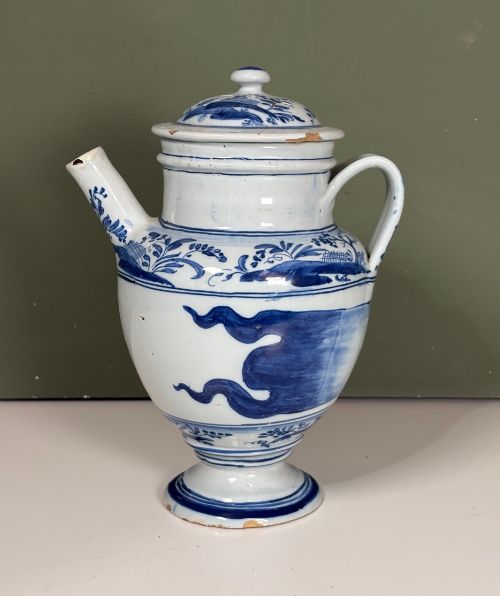
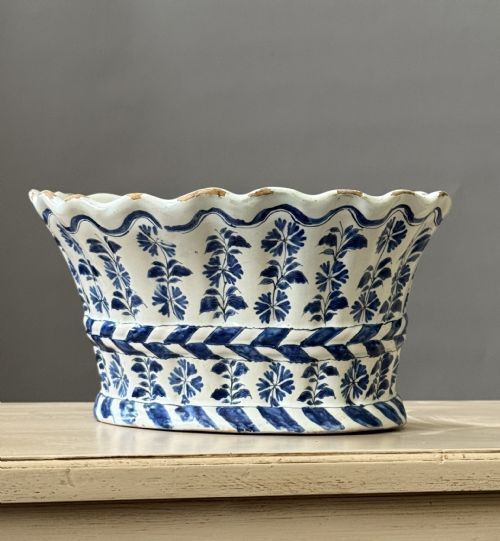
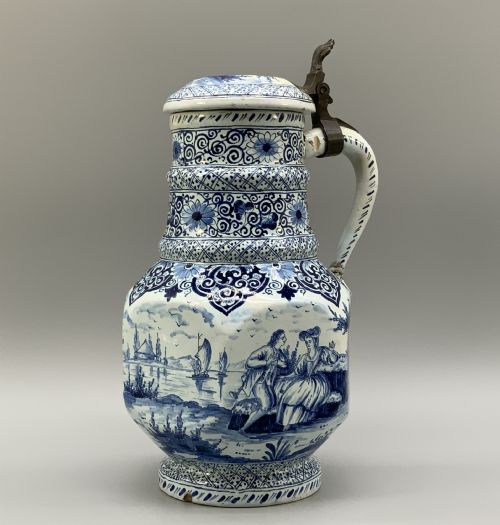
Forms on this page range from lidded jugs with pewter mounts and bough pots to large garden urns, posset pots, and tobacco jars. Apothecary jars and sweetmeat presentiers appear frequently among these earthenware items.
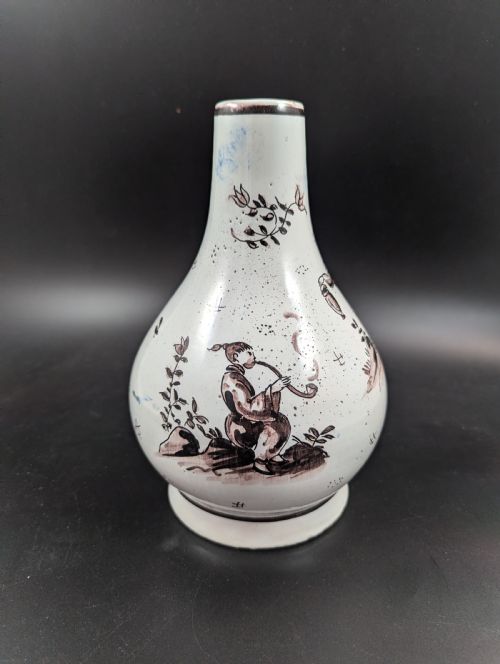
Makers fashioned these vessels within the stylistic bounds of Dutch Delftware, Dutch Baroque, and French Country designs. Most examples display the characteristic blue and white palette, while others utilise manganese and polychrome pigments.
How they were made
Potters shaped these objects from earthenware, applying a tin glaze that provided an opaque white surface for subsequent painting. Artisans then brushed cobalt pigment, manganese, and other colours directly onto the unfired glaze.
Metalworkers added functional elements to specific forms, attaching pewter lids and brass components to ceramic bodies. These mounts completed utilitarian vessels intended for everyday storage or table service.
18th Century Delft Pot Retail Price Guide 2026
Typical asking prices for 18th century delft pot among the pieces listed under this phrase on Sellingantiques today, from the lower quarter to the upper quarter. They describe what is for sale here now, not the wider market.
Some posset pots waited centuries to share a room with fresh stems, having started their working lives full of curdled milk and ale.
What varies in quality
The refinement of the painted decoration separates standard utilitarian pieces from more ambitious decorative works. Precise brushwork in the cobalt pigment or successful polychrome blending defines the superior examples.
The presence and original integration of metal fittings, such as pewter lids on jugs, alter the character and completeness of a piece. The scale of the vessel, from domestic apothecary jars to large garden urns, also distinguishes the range.
The 18th Century Delft Pot Glossary
- Tin Glaze
- An opaque white glaze made by adding tin oxide to a lead glaze, providing a smooth ground for painted decoration. This coating defines the surface of all delftware.
- Cobalt Pigment
- A metallic oxide used under the glaze to produce deep blue painted designs on ceramic bodies. It remains the dominant colour found on these pieces.
- Posset Pot
- A multi-handled vessel with a lid, designed for serving a traditional hot drink made of curdled milk and wine. These containers sit securely on flat surfaces.
- Bough Pot
- A decorative container pierced with holes in the lid, designed to hold cut stems and branches. These vessels display floral and landscape motifs.
- Sweetmeat Presentier
- A footed serving dish or stand used for sweet confections during formal meals. These forms showcase elaborate tin-glazed surfaces.
18th Century Delft Pot: Frequently Asked Questions
What is an 18th century delft pot?
An 18th century delft pot is a tin-glazed earthenware vessel created for domestic, apothecary, or decorative use in European households.
These ceramic items include apothecary jars, tobacco containers, garden urns, and lidded jugs decorated with cobalt pigment.
How were these pots used?
These vessels served practical functions in households and shops, storing dry goods, liquids, herbs, and medicines.
Larger forms like garden urns and bough pots functioned as decorative displays for plants and cut floral arrangements.
Are all pieces blue and white?
While the majority of pieces feature cobalt blue paint on a white tin glaze, other colour palettes exist.
Selected examples utilise manganese purple and polychrome pigments to create richer visual patterns on the ceramic surface.
How do you clean tin-glazed earthenware?
Tin-glazed earthenware requires careful handling due to the porous nature of the historic ceramic body and glaze.
Owners should use dry dusting or a slightly damp cloth without harsh detergents to protect the surface decoration.