


18th Century Cup
When you search for an 18th century cup, you encounter fragile porcelain, heavy lead glass and solid silver crafted for the table.
18th Century Cup
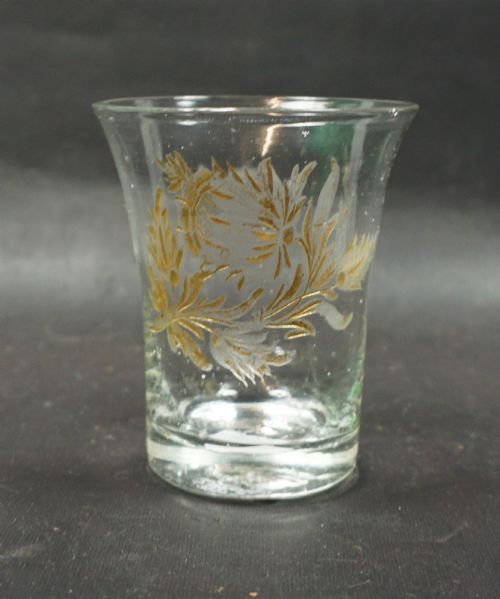
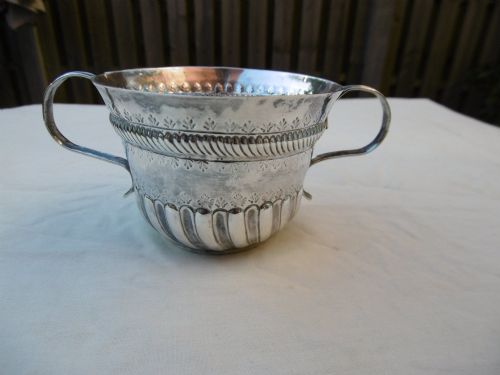
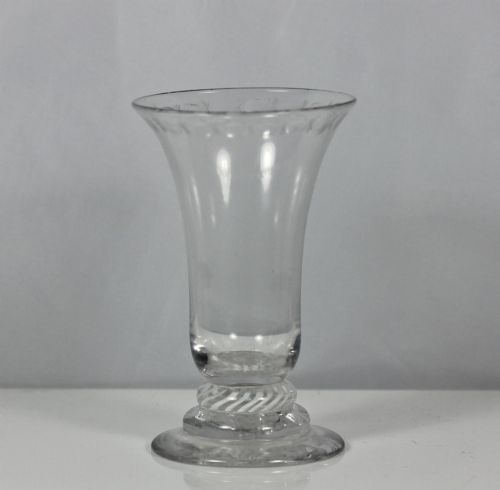
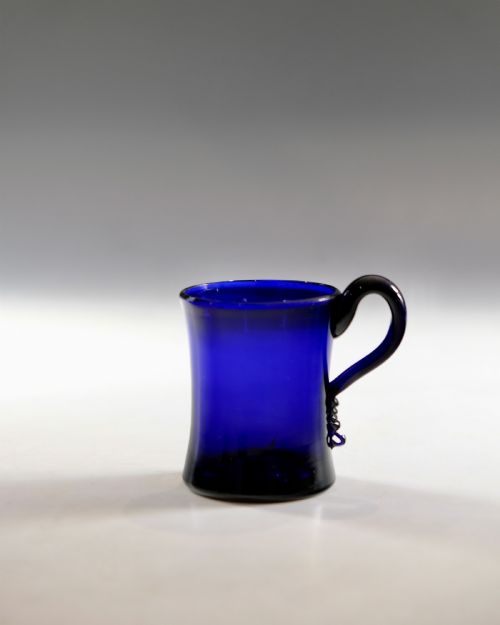
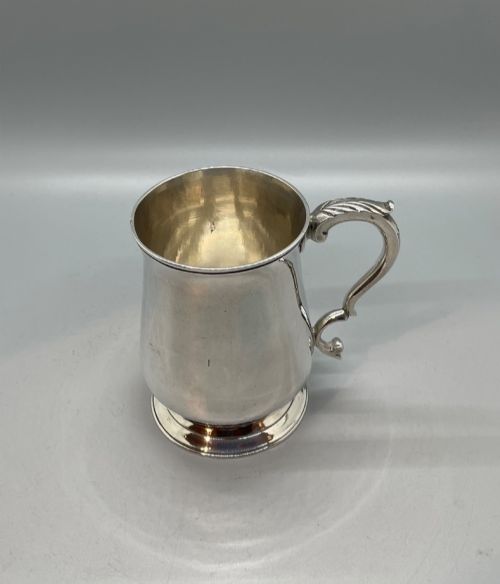
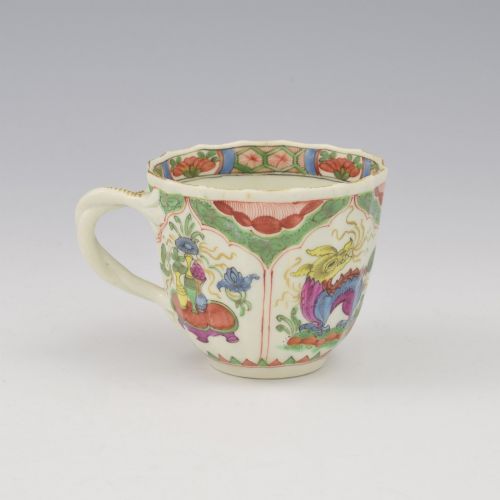
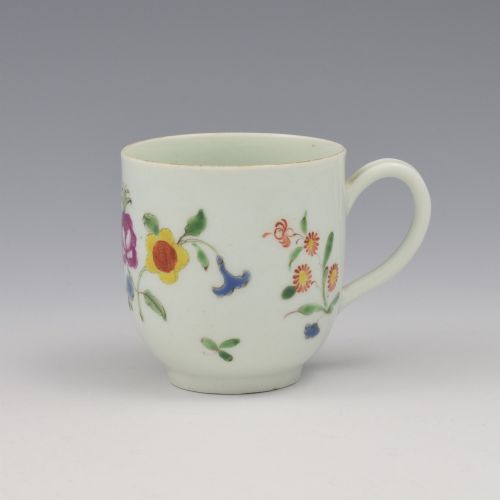
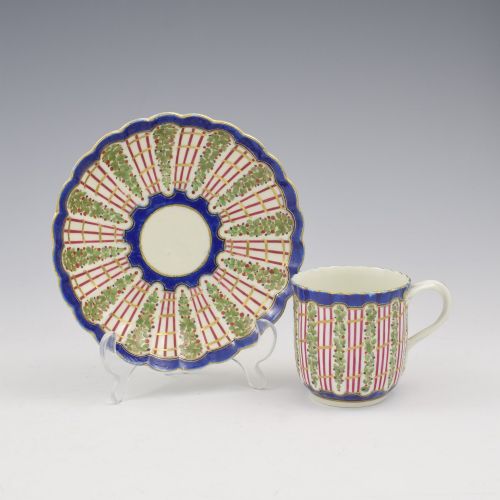
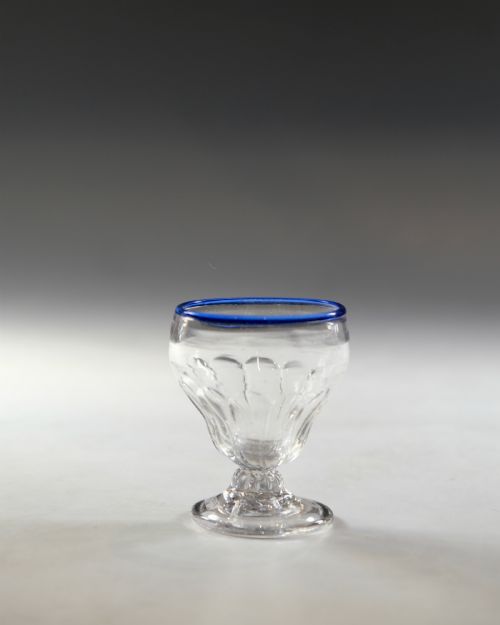
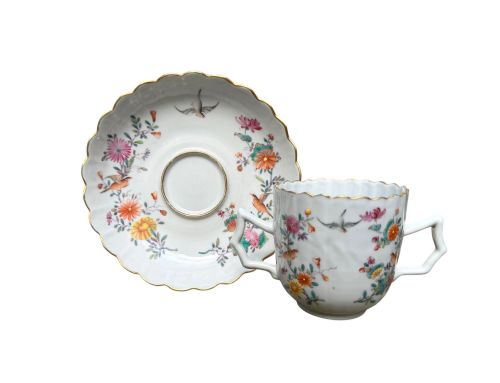
An 18th century cup encompasses a diverse array of drinking vessels utilised for tea, coffee, chocolate, wine, and spirits across the Georgian period. The domestic items on this page range from delicate soft-paste porcelain tea bowls and coffee cups to sturdy lead glass rummers, jelly glasses, and silver or pewter tankards.
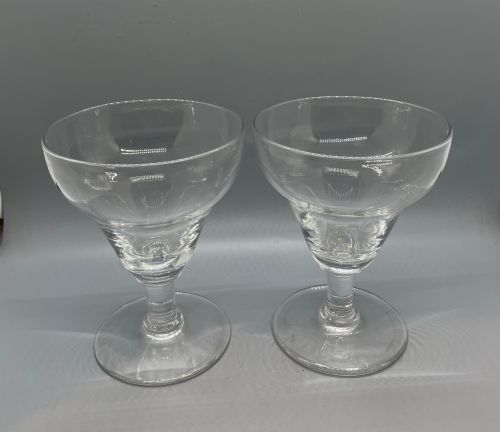
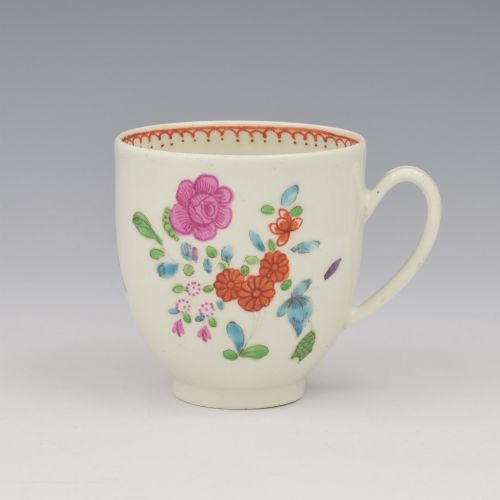
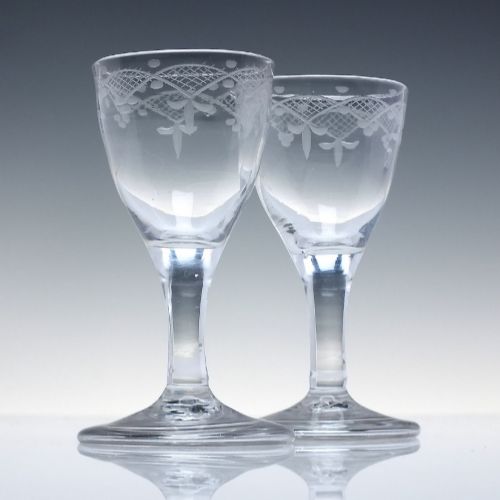
Porcelain examples from factories such as Worcester, Derby, and Liverpool dominate the selection, alongside Chinese export wares and continental European pieces. Lead glass vessels, including opaque twists and ogee rummers, represent the glassware produced for daily and celebratory toastings during the same decades.
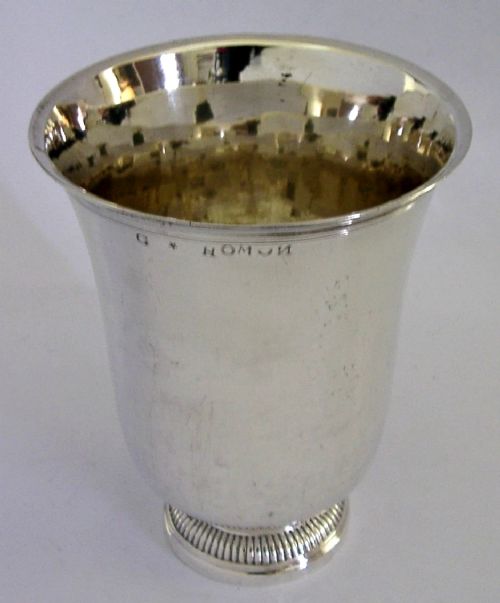
Metal vessels in sterling silver, pewter, and treen wooden goblets also appear among these listings, offering alternative forms of drinking vessels from the seventeen-hundreds. Buyers encounter everything from small dram glasses and egg cups to covered chocolate cups and large pedestal goblets.
How they were made
Makers utilised soft-paste porcelain, lead glass, sterling silver, pewter, enamel, and dense woods like lignum vitae and walnut to shape these drinking vessels. Porcelain pieces were thrown or moulded, then hand-painted with polychrome enamels, underglaze blue, or transfer prints before firing in kilns.
Glassware forms relied on blowing molten metal into moulds or free-blowing, often incorporating air or opaque white twists within the stem. Silversmiths and pewterers hammered, cast, and engraved sheet metal into beakers, tankards, and chalices, while woodturners shaped treen goblets on lathes.
18th Century Cup Retail Price Guide 2026
Typical asking prices for 18th century cup among the pieces listed under this phrase on Sellingantiques today, from the lower quarter to the upper quarter. They describe what is for sale here now, not the wider market.
Some delicate porcelain chocolate cups arrived with secure covers and matching stands to keep rich morning beverages warm in bed.
What varies in quality
The standard of an 18th century cup rests on the crispness of its moulding, the skill of the hand-painted decoration, and the clarity of the material. Porcelain with vibrant, well-defined polychrome enamels or complex transfer printing commands greater appreciation than poorly fired or smudged surfaces.
In glassware and silver, weight, balance, and the precision of wheel-engraved or faceted details dictate the excellence of the piece. Intact handles, covers, and stands on fragile porcelain chocolate cups and posset pots also influence the integrity of the surviving object.
Charles Overing·Richard Chaffers·Duesbury and Kean
The 18th Century Cup Glossary
- Soft-paste porcelain
- A ceramic material composed of clay and glass frit, fired at lower temperatures than hard paste. It possesses a warm, slightly creamy body found in early English factories.
- Opaque twist
- A type of glass stem decoration formed by drawing out white or coloured glass rods within clear metal during blowing. This technique creates intricate threads running through 18th-century wine and dram glasses.
- Coffee can
- A cylindrical porcelain cup without a handle, produced for drinking hot coffee during the Georgian era. They are frequently paired with matching saucers.
- Porringer
- A small, shallow handled bowl or cup used for broths and porridges. William III period examples in silver display high metalworking skill.
- Wrythen
- A decorative spiral moulding or fluting twisted around the body of a glass or ceramic vessel. This optical effect catches the light on Sunderland and Georgian tablewares.
18th Century Cup: Frequently Asked Questions
What is a jelly glass?
A jelly glass is a small, panel-moulded or plain glass vessel designed for serving sweet jellies and custards at Georgian dining tables. These pieces often feature short stems and sturdy feet.
They appear frequently in 18th-century glass collections alongside dram glasses and rummers. Their compact size made them practical for multi-course dining.
How do I identify First Period Worcester?
First Period Worcester porcelain is identified by careful underglaze blue painting, transfer printing, or rich polychrome enamel palettes often called wet blue or hop trellis. Many pieces bear workman marks or crescent symbols on the base.
The paste shows characteristic greenish translucency when held to a strong light. Factories like those managed by Dr Wall set high standards for ceramic bodies during this era.
Were wooden goblets used for drinking?
Wooden goblets, known as treen, served practical and decorative functions in households during the Georgian period. Woods like lignum vitae and walnut provided sturdy alternatives to fragile glass and expensive metal.
Turned on lathes, these vessels display dense grain patterns and polished surfaces. They were utilised for everyday dining and hearthside hospitality.
What is Chinese export porcelain?
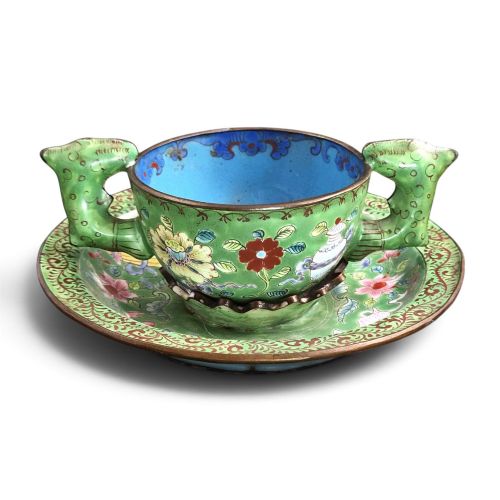
Chinese export porcelain refers to wares manufactured in China specifically for European markets during the Qing dynasty. These items include famille rose cups and stands decorated with vibrant enamels tailored to Western tastes.
Merchants imported these durable ceramics alongside domestic tea wares. They demonstrate the active trade routes between East Asia and Europe in the seventeen-hundreds.