
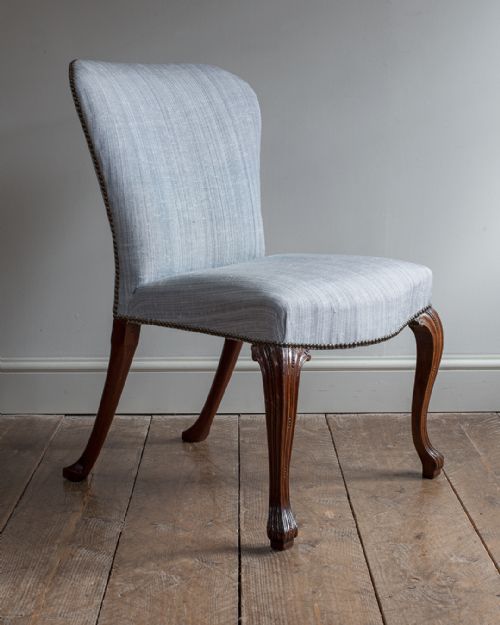


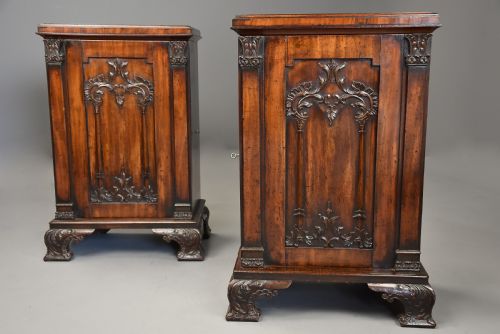
18th Century Chippendale Table
When you search for an 18th century chippendale table, you are looking at solid mahogany tripod, card, and occasional pieces defined by carved details and Georgian proportions.
18th Century Chippendale Table
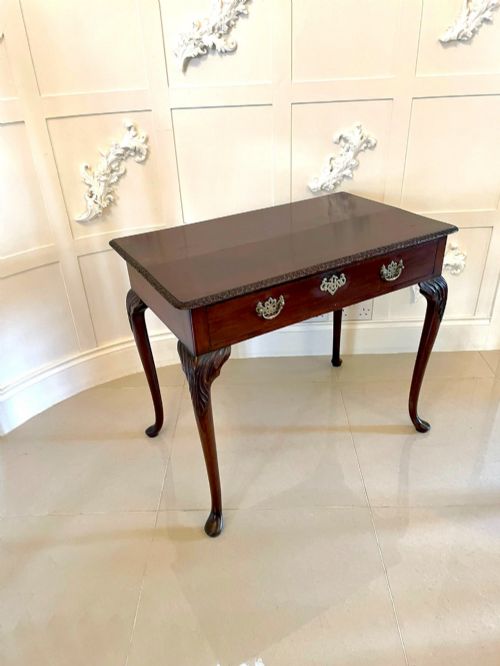
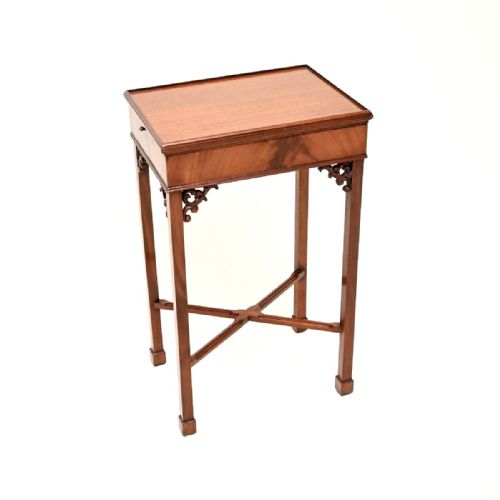
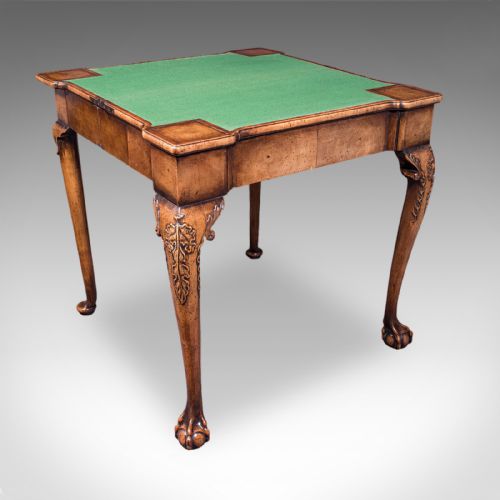
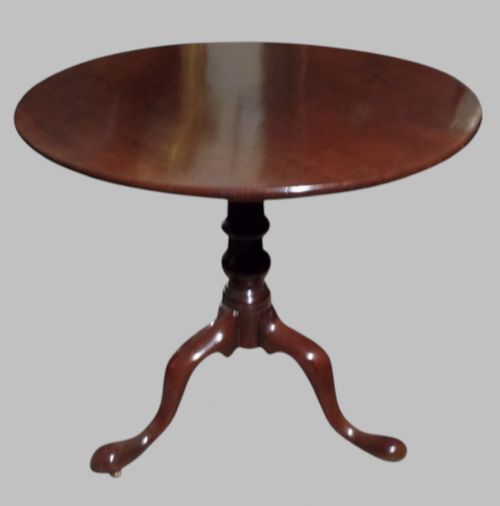
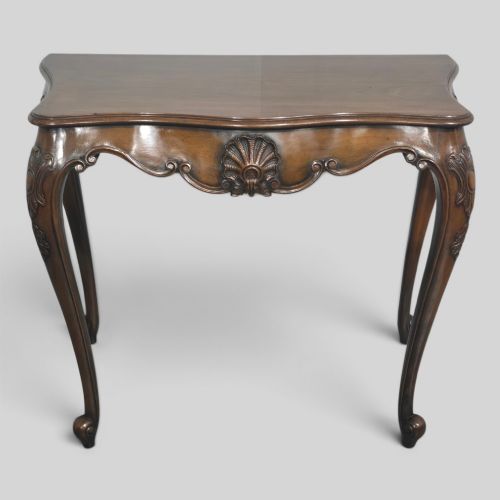
An 18th century chippendale table encompasses a diverse group of domestic furnishings primarily originating from the Georgian period, including tripod occasional tables, card tables, and side tables. These forms span utility and display, from tilt-top lamp tables to concertina action card tables and bedside cabinets.
While the search term points squarely to the 18th century, buyers will also encounter later 19th century and Edwardian interpretations that echo the original Georgian aesthetics. The core of what is available leans heavily on mahogany construction, with occasional variations in walnut, oak, and yew wood.
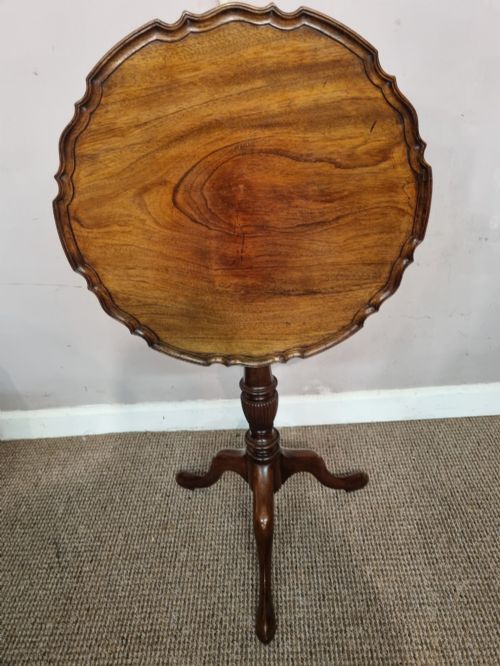
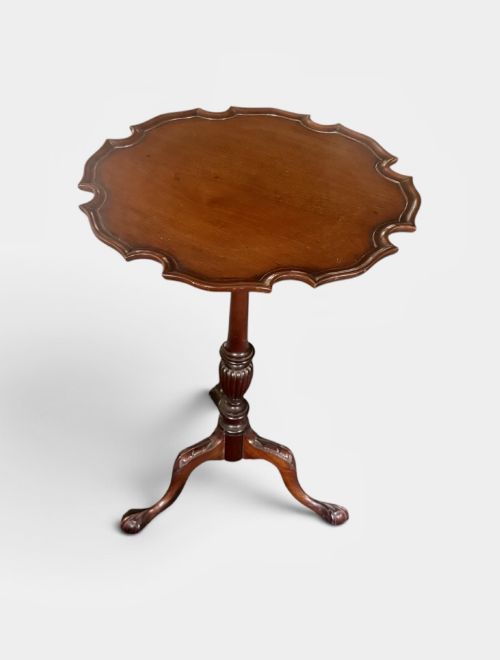
The objects serve various historic domestic functions, acting as tea tables, silver tables, kettlestands, and writing desks. Among these, the tripod table with a tilt-top or pie crust edge appears most frequently alongside folding card tables.
How They Were Made
Construction relies predominantly on solid mahogany and Cuban mahogany, manipulated by cabinet makers using traditional joinery methods such as concertina actions for card tables and birdcage mechanisms for tilt-top tripod tables. Carved decoration defines the aesthetic, employing techniques like pie crust edges, gothic pierced brackets, and detailed pedestal columns.
Secondary materials such as brass fittings, leather inserts, and baize linings appear on specific forms like desks and games tables. Timber selection ranges from standard mahogany to burr oak and black walnut, often finished to maintain a rich, original patina.
Listings feature 18th century and Georgian periods alongside later Edwardian reproductions, constructed primarily in mahogany, walnut, and oak.
What Varies in Quality
The degree of hand-carving on the knees, edges, and pedestals separates standard pieces from finer examples, with crisply executed details commanding greater attention. The depth and warmth of the original patina on the mahogany surface also indicate how well a piece has aged and been preserved.
Structural integrity, particularly in the delicate mechanisms of tilt-top birdcage supports and concertina card tables, dictates the functional standard of the furniture. The choice of timber grain, such as figured Cuban mahogany or burr oak, marks the distinction between ordinary utility items and sophisticated parlour pieces.
The 18th Century Chippendale Table Glossary
- Pie crust
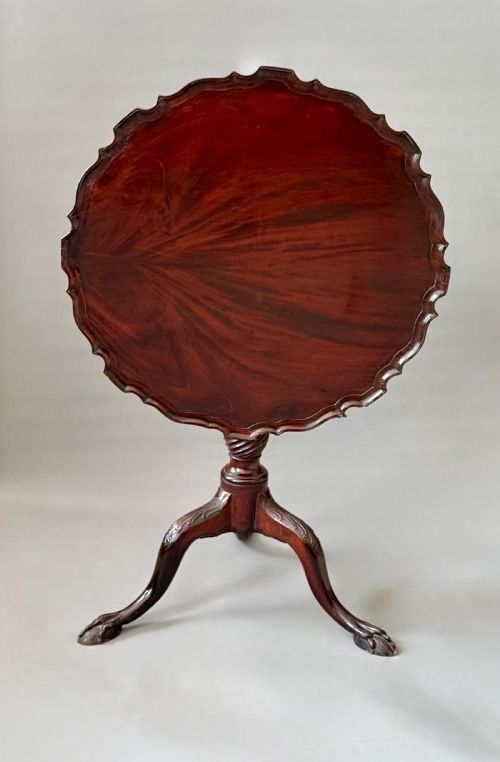
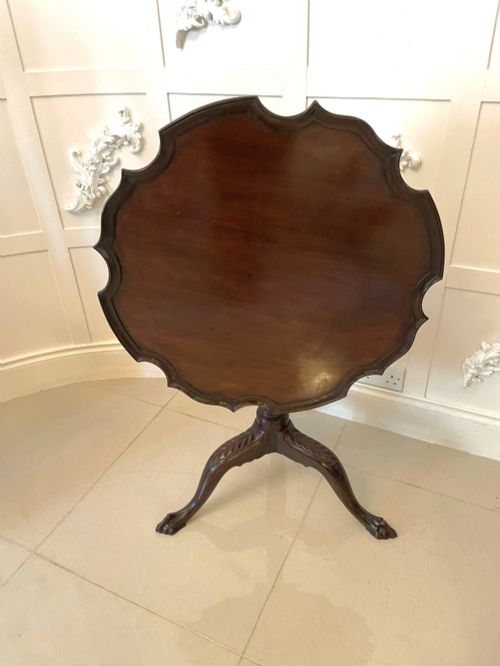
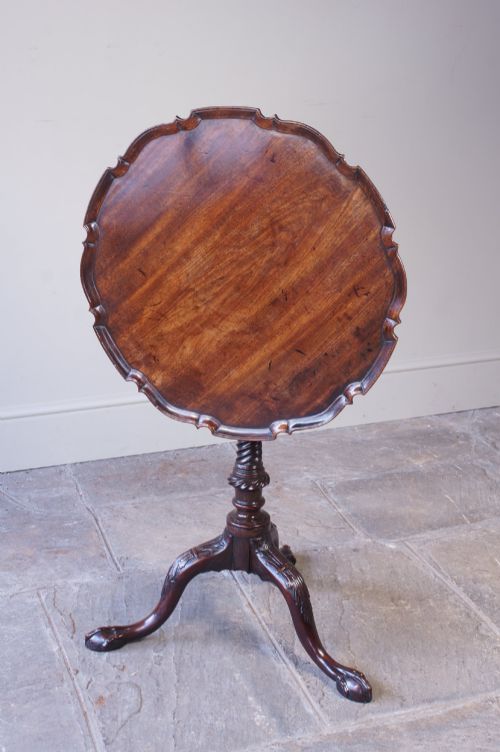
- A raised, carved circular edge on a tabletop resembling the fluted crust of a pastry pie. This decorative rim is frequently found on mid 18th century tripod occasional tables.
- Tripod table
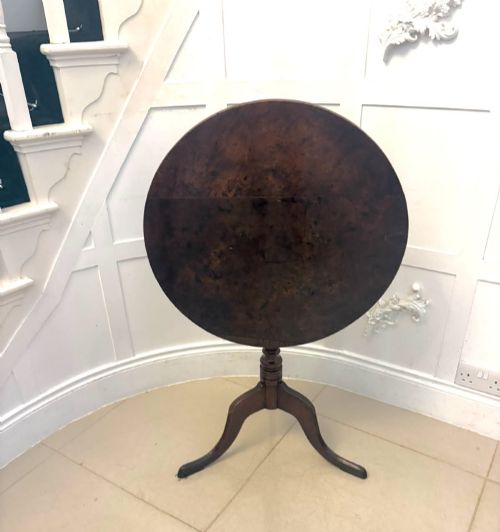
- A small freestanding table supported by a central pillar resting on three legs. They often feature a tilt-top mechanism allowing the surface to fold vertical when not in use.
- Concertina action
- An expanding frame mechanism used in antique card tables that allows the rear legs to pull out symmetrically when the folding top is opened.
- Birdcage
- A timber framework beneath a tilt-top table top that permits the surface both to rotate and to tilt. This rotating block sits atop the central pedestal column.
- Pembroke table
- A small rectangular table with hinged drop leaves on either side, usually fitted with a single drawer. They became popular during the mid 18th century for breakfast or light writing.
18th Century Chippendale Table: Frequently Asked Questions
How were card tables used?
Card tables served as social hubs for evening entertainment, unfolding to reveal a baize or leather lined playing surface for games of whist or quadrille. When closed, they functioned as side tables against a drawing room wall.
The folding leaves were supported by swinging rear legs or intricate concertina frames to bear the weight of candles and counters.
What is Cuban mahogany?
Cuban mahogany is a dense, heavy hardwood imported from the West Indies during the 18th century. It became the favoured material for high-end cabinet making due to its rich colour and stability.
Furniture made from this timber often displays a deep, dark patina and a fine grain that responds well to traditional polishing.
How do I care for an antique table?
Maintaining these pieces involves keeping them away from direct sunlight and steady heat sources to prevent the solid timber from drying out. Regular dusting with a dry cloth preserves the finish without building up heavy wax layers.
Sudden changes in humidity can affect historic joinery, particularly on tilt-top mechanisms and drop-leaf Pembroke tables.