




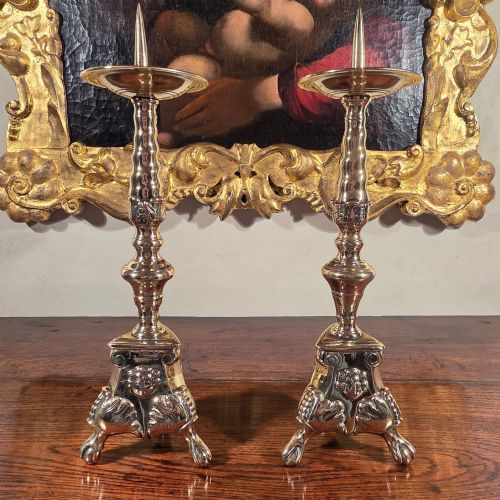


18th Century Candle Sticks
When you search for 18th century candle sticks, you enter a world of domestic illumination crafted in cast metals and turned timbers.
18th Century Candle Sticks
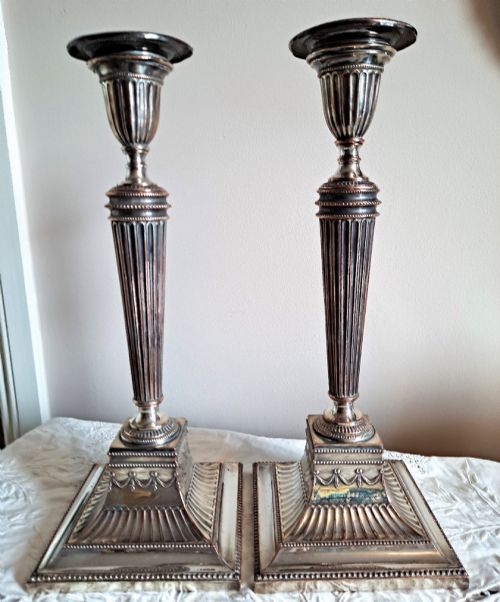
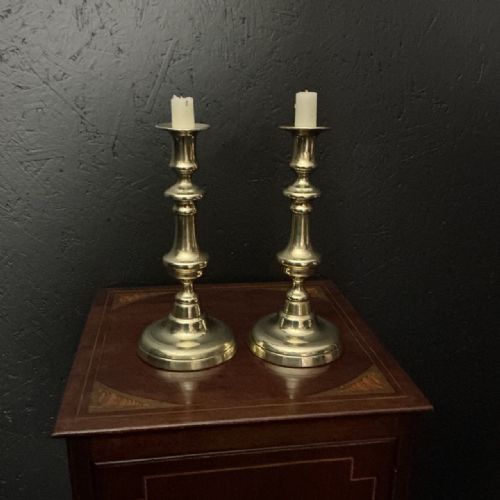
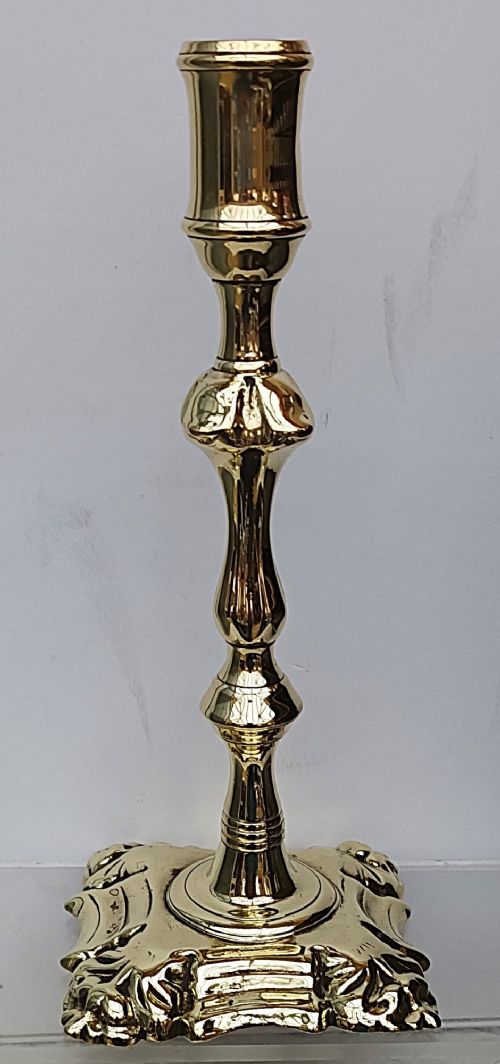
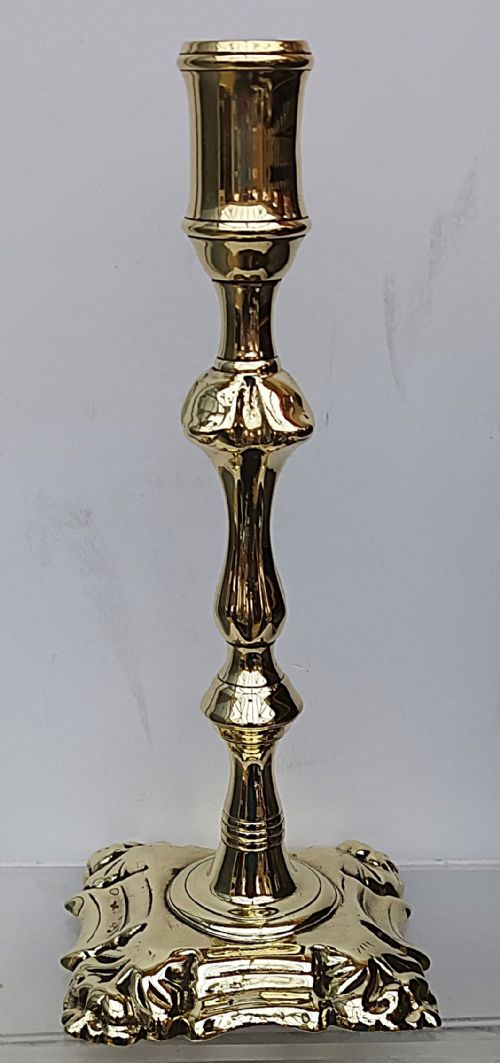
When searching for 18th century candle sticks, buyers encounter lighting devices produced across the Georgian era, spanning utilitarian domestic forms to elaborate ecclesiastical furnishings. The most common survivals on this page are cast brass examples, alongside silver-plated designs and turned wood pieces.
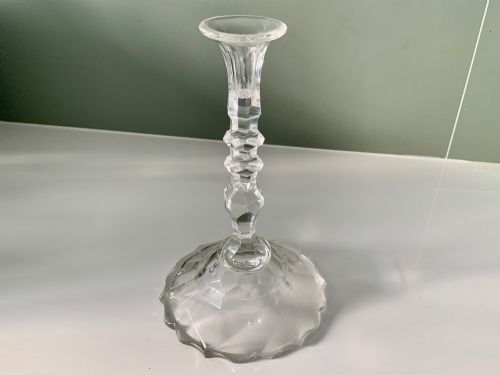
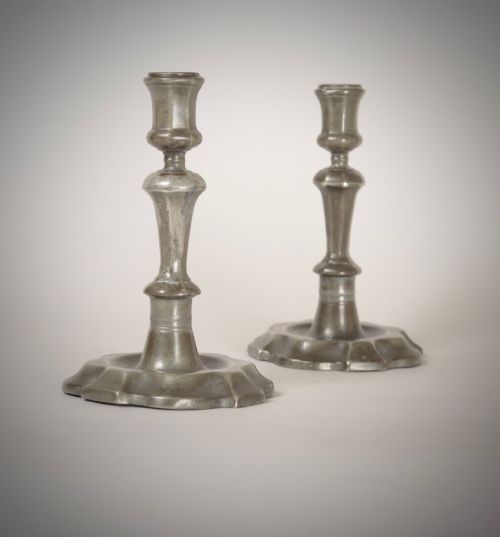
Forms range from compact chambersticks used for moving through rooms to tall altar-style pricket sticks designed for churches. Makers utilised varied regional styles, encompassing English petal bases, Dutch collar forms, and Italian carved giltwood.
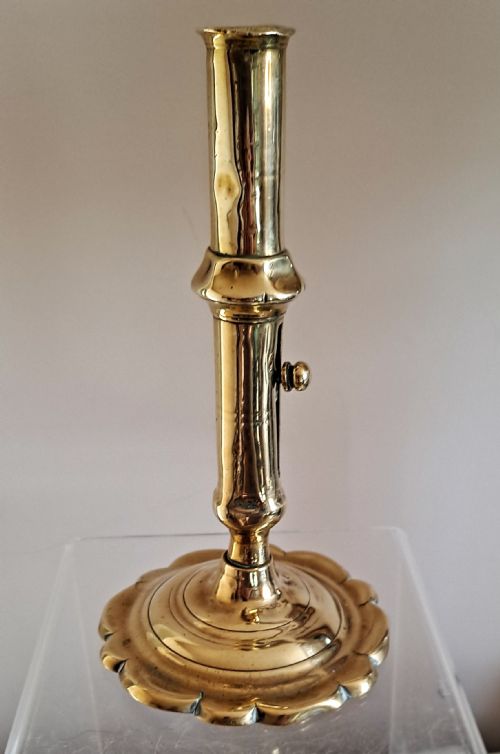
The selection includes matched pairs and individual items, reflecting the domestic habits of the period when illumination required frequent repositioning of wax or tallow dips. Surviving elements frequently include removable sconces and internal mechanical ejectors for clearing spent wax.
Materials and Construction Techniques
Metal items rely heavily on casting, utilising brass, bell brass, and paktong formed in multi-part moulds before being turned on a lathe for finish. Seamed construction appears frequently, joining rolled sheet metal cylinders to cast bases.
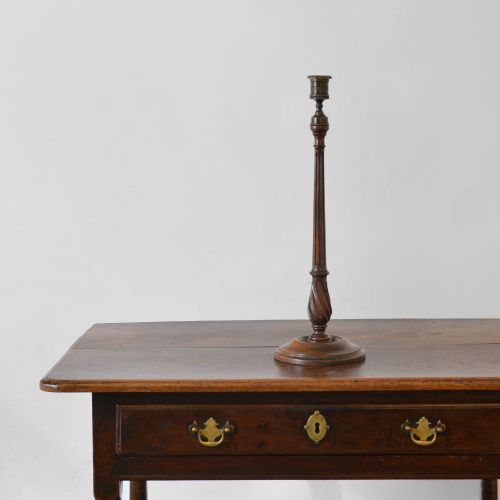
Silver plating and Old Sheffield Plate apply thin layers of silver over copper or base metal foundations, creating the appearance of solid silver at a lower weight. Timber examples utilise turning on a lathe, shaping dense hardwoods such as mahogany and lignum vitae.
Carved wooden pieces from Italy employ gesso and gilding applied over carved substrates to achieve a decorative surface finish. Pricket sticks incorporate central spiked metal pins designed to impale large wax candles directly onto the socket.
18th Century Candle Sticks Retail Price Guide 2026
Typical asking prices for 18th century candle sticks among the pieces listed under this phrase on Sellingantiques today, from the lower quarter to the upper quarter. They describe what is for sale here now, not the wider market.
A Swedish bell brass stick survived centuries of dark winters by shedding light before ending up on this digital shelf.
Factors That Separate Quality
Quality rests upon the crispness of the casting and the retention of original components, such as matching removable drip pans or functional ejector mechanisms. Heavy gauge metalwork indicates a higher grade of production, resisting bends and dents over centuries of handling.
The precision of lathe turning dictates the refinement of the stem profiles, where sharper mouldings and balanced proportions mark superior workshop output. Original surface patination, whether unpolished brass or undisturbed gilding, preserves the integrity of the object.
Makers who incorporated structural innovations like Harrison patent telescopic mechanisms or Britannia standard silver mark their work as distinct from standard domestic production.
J. Miller·David Green
The 18th Century Candle Sticks Glossary
- Ejector
- A internal sliding mechanism operated by a side knob to push remaining wax or candle stubs out of the socket. This practical device helps prevent damage to the interior metal.
- Pricket
- A sharp metal spike rising from the centre of the drip pan to hold candles that lack a cylindrical base socket. These are frequently found on ecclesiastical or altar pieces.
- Sconce
- A removable top pan designed to catch dripping wax and protect the main body of the candlestick. They are easily lifted out for cleaning.
- Petal Base
- A lobed, multi-curved foot configuration resembling an open flower, popular in early English brass design. This style provides a wide footprint for stability.
- Old Sheffield Plate
- A fused composite material comprising a thin sheet of silver bonded to a thick copper base. The manufacturing technique leaves a characteristic thin sliver of visible copper edge on seams.
18th Century Candle Sticks: Frequently Asked Questions
What is a chamberstick?
A chamberstick is a low-profile candle holder fitted with a wide saucer base and a loop handle for carrying through dark hallways. They often include a small conical snuffer resting directly in the tray.
These pieces were essential household items for moving between rooms before domestic gas or electric lighting became common.
How do I identify paktong?
Paktong is a traditional Chinese copper, nickel, and zinc alloy that mimics the appearance of silver while offering high durability and corrosion resistance. It was imported to Europe during the Georgian period for high-end metalwork.
Items made from this material exhibit a bright, slightly greyish metallic sheen that distinguishes them from standard yellow brass.
Why do some sticks have spikes?
Sticks featuring central metal spikes are known as pricket sticks, designed to hold large candles pressed down onto the point. This method was standard for heavy church candles before socket cups became universal.
Most surviving examples of this form originate from ecclesiastical settings in Italy and other continental regions.
What is Old Sheffield Plate?
Old Sheffield Plate is an early composite material created by fusing silver and copper together under heat before rolling them into sheets. This technique predates modern electroplating and produces items with remarkable durability.
Collectors prize these pieces for their soft, warm lustre and historical manufacturing method.